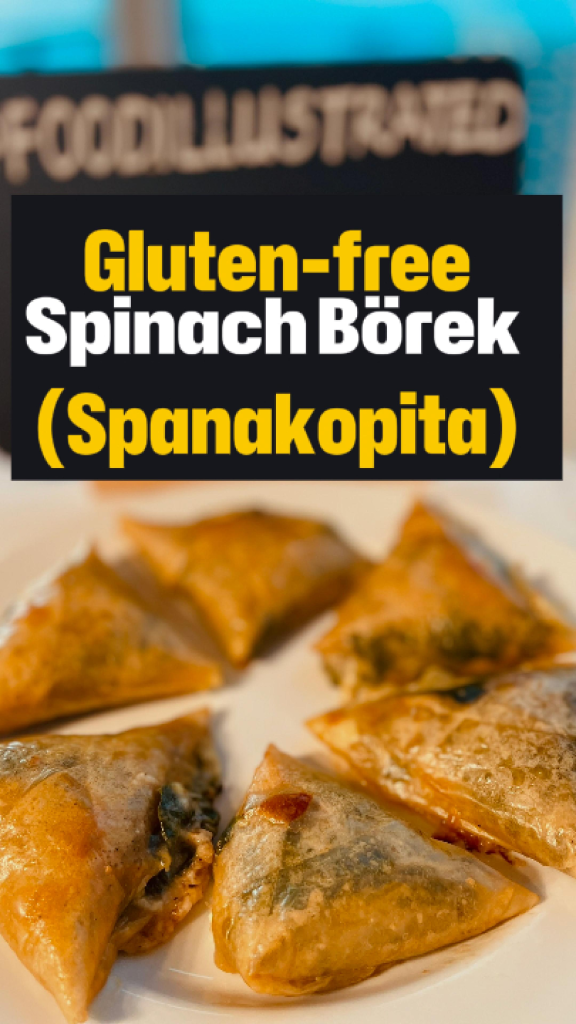
Gluten-Free Spinach Börek: Crispy Rice Paper Spanakopita
INTRO
Can we talk about the cruelest trick in Mediterranean cuisine? Paper-thin phyllo dough, brushed with what feels like a stick of butter, wrapping a gorgeous filling of spinach and feta into golden, flaky parcels that taste like heaven but sit in your stomach like regret. I've lost count of how many times I've stood over a pan of spanakopita, doing the mental math—"Just one more piece won't hurt"—only to immediately feel the butter working its way into my arteries.
That was before I discovered the magic trick that changed everything: rice paper.
Yes, that rice paper—the same translucent rounds you use for summer rolls. It turns out these humble Vietnamese wrappers are the ultimate gluten-free phyllo dupe, and they transform classic spinach börek (or spanakopita, depending on which grandmother you ask) into a low-calorie, high-protein snack that actually lets you have three pieces without guilt.
This gluten-free spinach börek recipe delivers everything you crave from the traditional version: that satisfying shatter-crunch when you bite in, the creamy-cheesy spinach filling, the golden-baked exterior. But here's where it gets wild—each piece has about 110 calories and 8 grams of protein. You can eat the whole batch and still feel good about your dinner choices.
The technique is almost absurdly simple. No carefully layering paper-thin sheets of phyllo, no brushing each layer with butter, no praying the whole thing doesn't disintegrate. You dip a rice paper sheet in an egg wash, fill it with a protein-packed spinach and cheese mixture, fold it like a burrito, and bake. Twenty minutes later, you have six perfect, crispy, golden triangles that taste like you spent hours in the kitchen.
Whether you're gluten-free by necessity or choice, watching your calories without sacrificing flavor, or just looking for a brilliant new way to use that half-used package of rice paper in your pantry, this recipe is about to become your new obsession.
THE HISTORY
To understand this recipe's genius, you have to understand the two dishes it bridges: Turkish börek and Greek spanakopita—cousins separated by borders but united by a love of thin, crispy dough wrapped around savory fillings.
Börek's story begins with the nomadic Turkic peoples of Central Asia, who carried their tradition of thin flatbreads wrapped around meat as portable meals across the steppes. When the Seljuks and later the Ottomans swept into Anatolia, they brought these traditions with them, and the cuisine of Constantinople (now Istanbul) became a melting pot where Central Asian, Persian, Arab, and Balkan influences mingled. By the 15th century, the Ottoman palace kitchens in Topkapi Palace were producing hundreds of varieties of börek—some with meat, some with cheese, some with spinach, some rolled into spirals, others layered like pies.
Meanwhile, just a short sail across the Aegean, the Greeks were developing their own phyllo tradition. The word "phyllo" means "leaf" in Greek, and those paper-thin sheets represented the pinnacle of culinary craftsmanship. Greek cooks would spend hours stretching and rolling dough until it was translucent, then layer it with butter and fillings to create spanakopita (spanaki meaning spinach, and pita meaning pie).
The two traditions share obvious connections—both Ottoman and Greek cuisines evolved in conversation with each other for centuries. A Greek spanakopita and a Turkish spinach börek are more alike than different: the same essential combination of spinach, cheese, and paper-thin pastry, folded into triangles or layered into pans.
Today, both dishes have spread far beyond their homelands. You'll find spanakopita in every Greek restaurant from Melbourne to Manhattan, and börek in Turkish bakeries across Europe. But the traditional versions share a common challenge: they're labor-intensive, butter-heavy, and decidedly not friendly to gluten-free diets.
Which brings us to the brilliant hack that connects these ancient traditions to your modern kitchen. Rice paper, that staple of Vietnamese cuisine, was developed centuries ago in Southeast Asia as a way to preserve rice harvests and create portable, shelf-stable wrappers. Who could have predicted that these translucent disks would one day solve the gluten problem for Mediterranean spinach pies? Culinary traditions evolve precisely this way—through creative adaptation, through cooks looking at what they have and asking, "What if...?"
THE SCIENCE
Why does rice paper work so brilliantly as a phyllo substitute? The answer lies in its unique molecular structure and how it responds to heat and moisture.
Rice paper is made from rice flour, water, and salt, pounded into a slurry, spread on bamboo mats, and sun-dried. The resulting sheets are rigid and brittle when dry, composed primarily of starch molecules locked in a crystalline structure. When you briefly dip them in liquid—in this case, an egg wash—something remarkable happens. Water molecules penetrate the starch, breaking the hydrogen bonds that hold the crystalline structure together. The sheets become pliable and leathery, easy to fold without cracking.
Then you put them in a hot oven.
Here's where the magic really happens. As the temperature rises, water begins to evaporate from the rice paper. The starch molecules, now free from their original rigid structure, begin to reorganize. At around 320°F, they start to undergo a process called dextrinization—a form of browning similar to the Maillard reaction but specific to starches. The surface transforms from leathery to crispy, from pale to golden-brown, from bland to nutty and toasty.
The egg wash serves multiple scientific functions. First, the proteins in the egg (albumin) coagulate during baking, creating a structural network that helps the rice paper hold its shape and crispen more effectively. Second, the soy sauce adds amino acids that participate in the Maillard reaction, enhancing browning and adding savory depth. Third—and this is crucial—the egg creates a moisture barrier. Without it, the wet filling would gradually soften the rice paper from the inside, turning your crispy börek into a sad, soggy mess. The egg proteins form a protective layer that keeps the filling's moisture where it belongs: in the filling.
The filling itself is engineered for success. Fresh spinach contains up to 90% water, and if you added it raw to your börek, that water would release during baking and steam your rice paper into submission. Sautéing the spinach first drives off much of this moisture while concentrating flavor. The combination of three cheeses—low-fat cottage cheese, part-skim mozzarella, and reduced-fat feta—creates a complex dairy matrix. Cottage cheese adds moisture and protein without much fat. Mozzarella contributes stretch and browning. Feta brings tangy salinity and that unmistakable Mediterranean flavor. When heated, these cheeses melt and bind the spinach into a cohesive, creamy filling that stays put when you bite into your crispy shell.
Before you dive into these crispy spinach triangles, set out a bowl of cool, garlicky tzatziki alongside fresh cucumber spears, bell pepper strips, and cherry tomatoes. The yogurt-cucumber dip's cooling tang provides the perfect counterpoint to the warm, cheesy börek. Each dip into the creamy sauce adds moisture and brightness, making the contrast between cool and warm, creamy and crispy, utterly irresistible. The vegetables keep things light and add fresh crunch.
One Main Course: Lemon-Herb Grilled Chicken Skewers
These spinach börek triangles make a fantastic starter or light lunch on their own, but if you're building a full Mediterranean dinner, pair them with simple grilled chicken skewers marinated in lemon juice, garlic, oregano, and olive oil. The bright, acidic marinade cuts through the richness of the cheese, while the lean protein keeps the meal balanced. Serve everything family-style with warm pita (gluten-free if needed) and let everyone build their perfect plate.
One Side Dish: Greek Salad with Tomato and Cucumber
A classic horiatiki—Greek village salad—provides the ideal accompaniment. Ripe tomatoes, cool cucumber, red onion, Kalamata olives, and a block of feta (not crumbled!) drizzled with excellent olive oil and dried oregano. The salad's fresh, acidic components and briny olives contrast beautifully with the rich, warm börek. Each forkful of tomato refreshes your palate for another bite of crispy, cheesy goodness.
One Dessert: Baklava (Gluten-Free Option Available)
Continue the Mediterranean theme with honey-soaked baklava. The flaky, nutty, syrup-drenched pastry offers a completely different texture experience—softer, stickier, more indulgent—that feels like a natural progression from the savory börek. For a gluten-free version, many recipes now use gluten-free phyllo or even a pistachio-crusted approach. The cinnamon and clove notes in traditional baklava echo the oregano and pepper in the börek, creating a cohesive flavor journey.
One Cocktail: Greek Mule
Put a Mediterranean spin on the classic Moscow Mule by using ouzo or tsipouro instead of vodka. The anise flavor of ouzo might sound challenging, but with ginger beer and lime, it becomes surprisingly refreshing—the licorice notes play off the oregano in the börek, while the effervescence and citrus cut through the cheese richness. Garnish with a sprig of fresh mint and a cucumber ribbon for extra Mediterranean flair.
One Non-Alcoholic Drink: Iced Mint and Lemon Verbena Tea
Brew a pitcher of fresh mint and lemon verbena tea, sweeten lightly with honey, and serve over ice with lemon wheels. This herbaceous, caffeine-free refreshment cleanses the palate between bites and complements the Mediterranean flavors without competing with them. The mint especially echoes the fresh parsley in the börek filling, creating a harmonious sip-with-bite experience.
Dietary:
Calcium-Rich, Gluten-Free, High Protein, Low-Calorie, Vegetarian
Description
Forget the butter-soaked phyllo—this gluten-free spinach börek delivers all the crispy, cheesy satisfaction of traditional spanakopita with a fraction of the calories. Rice paper creates the shatteringly crisp shell, while a protein-packed spinach and three-cheese filling makes every bite irresistible. Ready in 35 minutes!
Ingredients
For the Spinach and Cheese Filling:
10oz fresh spinach (about 1 large bunch or 1 standard bag) (280g)
1tablespoon olive oil
½teaspoon salt
¼teaspoon black pepper
1teaspoon dried oregano
2tablespoons fresh parsley, finely chopped
¼teaspoon teaspoon cayenne pepper (optional, for mild heat)
½cup low-fat cottage cheese (small curd works best) (120g)
½cup part-skim shredded mozzarella cheese (60g)
¼cup reduced-fat feta cheese, crumbled (40g)
For the Egg Wash and Wrapping:
6 rice paper sheets (22cm / 8.5-inch rounds)
1 large egg
1teaspoon soy sauce (or tamari use tamari for gluten-free)
2tablespoons water
For Baking:
Olive oil cooking spray (or a light drizzle of oil)
Instructions
1
Step 1: Sauté and Prepare the Spinach
Heat the olive oil in a large skillet or frying pan over medium-high heat. Add the fresh spinach—it will look like an enormous amount, but don't panic. Using tongs, toss the spinach constantly as it wilts. This takes only 2-3 minutes. The spinach will reduce dramatically, releasing its water in the process.
Once the spinach is fully wilted and has released its liquid, continue cooking for another minute to evaporate most of the moisture. You're not trying to dry it completely, but you don't want a watery filling.
Season immediately with the salt, pepper, dried oregano, fresh parsley, and cayenne (if using). The heat helps the flavors meld. Remove the pan from heat and transfer the spinach to a cutting board. Let it cool for about 5 minutes—you'll be adding cheese soon, and you don't want the heat to melt it prematurely.
Step 2: Chop and Combine
2
When the spinach is cool enough to handle, give it a rough chop. You're not looking for a puree—just cut the larger clumps so the filling has a uniform texture. Transfer the chopped spinach to a mixing bowl.
Add the cottage cheese, shredded mozzarella, and crumbled feta to the bowl. Mix thoroughly until all the ingredients are evenly distributed. The cottage cheese will create a creamy base that binds everything together, while the feta provides salty, tangy pops of flavor. Taste the mixture and adjust seasoning if needed—remember that the feta adds salt, so you may not need more.
Step 3: Prepare the Dipping Wash
3
In a shallow bowl or pie plate that's large enough to hold a rice paper sheet, whisk together the egg, soy sauce (or tamari), and water until completely combined. The mixture should be uniform and slightly frothy. This isn't just for flavor—the egg proteins will help create that crispy, golden crust and form a barrier between the rice paper and the moist filling.
Step 4: Assemble the Börek
4
Preheat your oven to 400°F (200°C). Line a large baking sheet with parchment paper.
Take one rice paper sheet and dip it into the egg wash for 5-10 seconds. You want it to become pliable but not soggy—it should feel like a slightly stiff, leathery sheet. Remove it from the liquid, allowing excess to drip off briefly, and place it on a clean work surface (a cutting board or your countertop works fine).
Working quickly—the rice paper will continue to soften—place about 3 tablespoons of the spinach and cheese filling in the center of the round, shaping it into a rough log.
Folding technique: Fold the bottom edge up over the filling, then fold in the two sides like you're folding a burrito or an envelope. Roll tightly upward to create a compact triangle or rectangular packet. The egg wash will help the rice paper seal to itself. Place the finished börek seam-side down on your prepared baking sheet.
Repeat with the remaining rice paper sheets and filling. You should have six neat parcels.
Step 5: Bake to Golden Perfection
5
Lightly spray the tops of the börek with olive oil cooking spray, or brush with a tiny amount of oil. This step isn't strictly necessary but will help achieve that beautiful golden-brown color and extra crispiness.
Bake for 18-20 minutes, until the börek are deep golden brown and crispy to the touch. You'll notice the rice paper transforming from translucent to opaque, from leathery to shatteringly crisp. Halfway through baking, you can flip them gently if you want both sides equally browned, though it's not required.
Step 6: Cool and Serve
6
Let the börek rest on the baking sheet for 5 minutes. This brief rest allows the filling to set slightly and the structure to firm up—cut too soon and the cheese might ooze out.
Transfer to a serving platter and serve warm. They're magnificent on their own, but even better with tzatziki for dipping or a squeeze of fresh lemon juice to brighten all the flavors.
Nutrition Facts
Servings 6
Amount Per Serving
Calories110kcal
% Daily Value *
Total Fat5g8%
Saturated Fat2g10%
Sodium380mg16%
Total Carbohydrate9g3%
Dietary Fiber1g4%
Sugars2g
Protein8g16%
Vitamin A 1800 IU
Vitamin C 8 mg
Calcium 150 mg
Iron 1.5 mg
* Percent Daily Values are based on a 2,000 calorie diet. Your daily value may be higher or lower depending on your calorie needs.
Note
Pro Tips for Success
Don't oversoak the rice paper: Five to ten seconds is perfect. Too long, and it becomes too soft to work with and may tear. Too short, and it won't seal properly.
Work assembly-line style: Once you start, work quickly. The rice paper continues to soften as it sits. Have your filling measured and ready before you dip the first sheet.
Squeeze that spinach: If your cooked spinach seems especially watery, give it a gentle squeeze in a clean kitchen towel before chopping. This extra step guarantees no soggy bottoms.
Seam-side down: Always place the folded börek with the seam against the baking sheet. The weight of the parcel and the heat will seal it shut.
Make-Ahead Instructions
Prepare the filling: You can make the spinach and cheese filling up to 2 days ahead and store it covered in the refrigerator. Give it a stir before using.
Assemble and refrigerate: Assemble the börek completely, place them on a parchment-lined baking sheet (not touching), cover tightly with plastic wrap, and refrigerate for up to 24 hours before baking. You may need to add 2-3 minutes to the baking time.
Freeze unbaked: Arrange assembled börek on a baking sheet and freeze until solid, then transfer to a freezer bag for up to 2 months. Bake from frozen at 400°F for 22-25 minutes.
Storage and Reheating
Refrigerator: Store baked börek in an airtight container for up to 4 days.
Freezer: Baked börek can be frozen for up to 2 months. Reheat directly from frozen.
Reheating: For best results, reheat in a 375°F oven for 8-10 minutes until hot and re-crisped. The microwave will make them soggy—avoid if possible. An air fryer at 350°F for 3-4 minutes works beautifully.
Substitutions
Vegan version: Replace the egg wash with a mixture of 2 tablespoons flaxseed meal mixed with 5 tablespoons water (let sit for 5 minutes to gel). Use vegan cheese alternatives or a tofu-based spinach filling.
Different cheeses: Ricotta works perfectly in place of cottage cheese. Regular feta adds more tang (and calories). Fresh mozzarella, chopped small, can replace shredded.
Add protein: Mix in ¼ cup cooked, crumbled turkey sausage or chopped hard-boiled egg for extra staying power.
Herb variations: Fresh dill or mint are traditional in some versions—try adding 2 tablespoons of either along with the parsley.
No soy sauce: Coconut aminos work perfectly for a soy-free version, or simply omit—the börek will still be delicious, just slightly less savory.
Troubleshooting
Rice paper tearing? Your sheets may have been soaked too long, or you're overfilling. Use slightly less filling and reduce dip time to 5 seconds.
Not crispy enough? Make sure your oven is fully preheated. You can also bake for an additional 2-3 minutes, watching carefully to prevent burning.
Filling leaking? You may have overfilled, or the seams weren't properly sealed. Press firmly when folding, and ensure the seam is placed down on the baking sheet.
Börek browning unevenly? Rotate the baking sheet halfway through baking.
Keywords:
gluten free spinach börek, rice paper spanakopita, low calorie spinach pie, healthy börek recipe, gluten free spanakopita, rice paper appetizer, spinach and cheese triangles, Turkish börek recipe, Greek spanakopita gluten free, easy spinach pie, high protein vegetarian snack, baked rice paper recipe, Mediterranean appetizer, healthy party food, meal prep appetizer, cottage cheese spinach bake, how to make börek with rice paper, crispy spinach triangles, low fat spanakopita, gluten free phyllo alternative,
The World of Rice Paper
If you've only used rice paper for summer rolls, you're in for a delightful surprise. These humble translucent sheets, made from nothing but rice flour, water, and salt, are one of the most versatile ingredients in the gluten-free kitchen.
Rice paper originated in Vietnam, where it's called bánh tráng. The best versions are still made traditionally: rice is soaked, ground with water into a fine batter, steamed into thin sheets, and then dried on bamboo mats in the sun. The characteristic crosshatch pattern on many rice paper rounds comes from those drying mats.
Beyond summer rolls and now börek, rice paper can be:
Fried into crispy chips for dipping
Cut into strips and fried for noodle-like crunch
Used as a wrapper for fried spring rolls
Softened and used as a lasagna-style layer in casseroles
Toasted and crumbled as a garnish
The version of this recipe opens up a whole new world of possibilities. Once you master spinach börek, try the same technique with different fillings: spiced ground lamb and pine nuts, mushrooms and caramelized onions, or even sweet versions with cinnamon-spiced apples and honey.
Regional Variations of Spinach Pies
The beauty of this dish lies in its adaptability across cultures. Every Mediterranean and Middle Eastern cuisine has its own version:
Greek Spanakopita: The classic uses phyllo, feta, dill, and often scallions. Usually made in large pans and cut into squares, or folded into individual triangles.
Turkish Ispanaklı Börek: Often includes beyaz peynir (a white cheese similar to feta), sometimes with a yogurt-based sauce between phyllo layers. Can be rolled into cigar shapes or spirals.
Bosnian Zeljanica: A type of pita (savory pie) with spinach and cheese, often layered rather than folded.
Albanian Byrek me Spinaq: Uses a thicker dough than phyllo, sometimes homemade, and often includes both feta and cottage-style cheese.
Armenian Spanakopita: Influenced by Greek neighbors but often includes more herbs and sometimes ground meat.
This rice paper version pays homage to all these traditions while creating something entirely new—a bridge between Southeast Asian and Mediterranean cuisines that works beautifully.
A Personal Note
I stumbled onto this technique completely by accident. I had a package of rice paper in my pantry, a bag of spinach that needed using, and a powerful craving for the spanakopita my Greek neighbor used to make when I was a kid. I also had about 800 calories left in my daily budget and zero desire to spend them all on butter-soaked pastry.
The first experiment was a mess—I oversoaked the rice paper, overfilled the parcels, and ended up with a spinach explosion in my oven. But the parts that worked? They were revelatory. That crispy-chewy texture, the way the rice paper toasted to golden perfection, the contrast with the creamy filling. I kept tweaking, and eventually landed on this version.
Now I make these constantly. They've shown up at parties (where gluten-free friends nearly cried with joy), in lunchboxes, as post-workout snacks, and as "I don't want to cook but I want something good" weeknight dinners. I hope they become that for you, too.