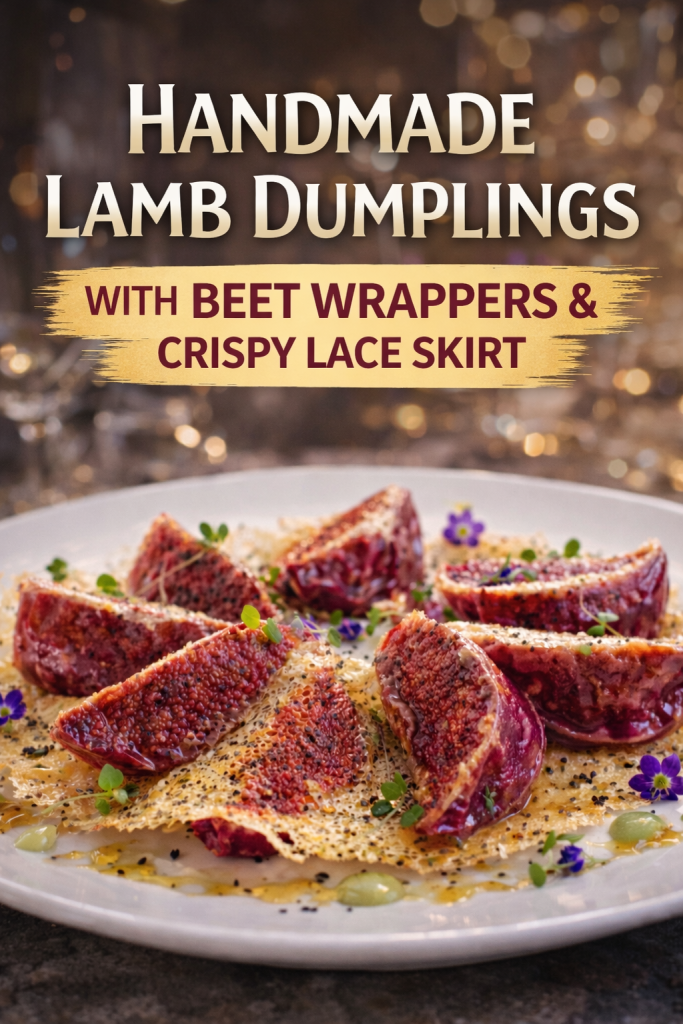
Handmade Lamb Dumplings with Beet Wrappers & Crispy Lace Skirt
Intro Have you ever bitten into a dumpling so juicy it practically explodes in your mouth, with a wrapper so thin you can see the vibrant filling inside, all perched on a delicate, golden lace skirt that shatters with the slightest touch? That is the experience waiting for you in this recipe. These Handmade Lamb Dumplings with Beet Wrappers are a labor of love, but every step is designed to teach you the pro techniques that make all the difference. We're infusing the lamb with a five-spice aromatic broth, mastering the "sticky meat" method for that signature bouncy texture, and creating a stunning crimson dough from pure beet purée. Finished with the iconic crispy lattice bottom, these dumplings are a feast for the eyes and a revelation for the palate.
The History The dumpling, in its countless forms, is one of humanity's most enduring and beloved foods. While its exact origins are lost to antiquity, evidence points to ancient China, where wheat was first cultivated and ground into flour over 4,000 years ago . It is believed that a form of filled dumpling, then called jiaozi, emerged during the Eastern Han Dynasty (25-220 AD), possibly created by the sage physician Zhang Zhongjing as a warming, nourishing meal to stave off frostbite during harsh winters .
Over the subsequent millennia, the dumpling evolved and migrated along the Silk Road and across Asia, taking on local flavors and forms. In the western provinces of China, near the borders of Central Asia, the cuisine began to feature more lamb and bold, aromatic spices—a direct influence from Turkic and Persian cultures . This is where our recipe finds its soul. The combination of lamb with warming spices like cinnamon and star anise is a hallmark of Uyghur and other Central Asian-influenced Chinese cuisines, where lamb is prized and complex spice blends are used to complement its rich, gamey flavor . Our recipe pays homage to this cross-cultural exchange, blending the classic Chinese dumpling form with the robust, aromatic flavors of the ancient Silk Road.
The Science This recipe is built on three pillars of culinary science, each one transforming good dumplings into unforgettable ones.
1. The Sticky Meat Method (Protein Extraction): The secret to that famously bouncy, tender, and juicy filling lies in a process called protein extraction. When you vigorously mix the ground lamb with soy sauce in one direction, you are physically aligning and unraveling the long, coiled protein strands (myosin and actin) in the meat . This causes them to bond with each other and with water, creating a sticky, almost paste-like matrix. This matrix is crucial—it acts like a sponge, trapping moisture and fat within the filling. As the dumplings cook, this network holds onto the flavorful juices, ensuring each bite is explosively moist and satisfying, rather than dry and crumbly.
2. The Aromatic Broth Infusion (Gelatinization and Flavor Extraction): We aren't just adding spices; we are creating a deeply flavored gelatinized broth. Simming the peppercorns, cinnamon, star anise, and bay leaf in water extracts their essential oils and flavor compounds . More importantly, this process also draws collagen from the connective tissues and the spices themselves, creating a liquid that is rich in body. When this cooled, concentrated broth is blended with the vegetables and mixed into the meat, that liquid collagen solidifies within the protein matrix. As the dumplings steam, the collagen melts back into a pure, aromatic jus, bathing the filling in flavor from the inside out.
3. The Crispy Lace Skirt (Starch Gelatinization and the Maillard Reaction): The iconic lace skirt is a beautiful example of controlled starch chemistry. The slurry of water, cornstarch, and a touch of flour is a suspension of starch granules . As the slurry heats in the pan, the water evaporates, and the starch granules absorb the remaining moisture, swell, and burst in a process called gelatinization . This creates a sticky, semi-solid gel that spreads and fills the gaps between the dumplings. The high heat of the pan then triggers the Maillard reaction—the same browning reaction that creates a steak's crust—on the thin layer of starch, turning it a deep golden brown and developing a complex, nutty, toasty flavor . The result is a delicate, crispy lattice that is as delicious as it is stunning.
Why: The cool, crisp, and refreshing cucumbers with a garlicky, vinegary, and slightly spicy dressing provide a bright, acidic contrast to the rich, savory lamb dumplings. It cleanses the palate and wakes up the taste buds for the main event.
Main Course:Note: The dumplings are already a substantial main. For a multi-course feast, serve before: Mongolian Lamb Stir-fry
Why: This continues the lamb theme with a different cooking method and flavor profile. The quick stir-fry with scallions and a savory sauce offers a satisfying textural contrast to the tender, steamed dumplings.
Side Dish:Blanched Baby Bok Choy with Oyster Sauce
Why: Simple, tender greens provide a mild, earthy counterpoint to the bold spices in the dumplings. A light drizzle of oyster sauce adds a touch of umami sweetness that complements both the lamb and the dipping sauces.
Dessert:Sesame Balls (Jian Dui) with Red Bean Paste
Why: The chewy, glutinous rice exterior and crunchy sesame seed coating offer a delightful textural experience. The sweet, earthy red bean paste provides a gentle, not-too-sweet ending that harmonizes with the Asian flavors of the meal.
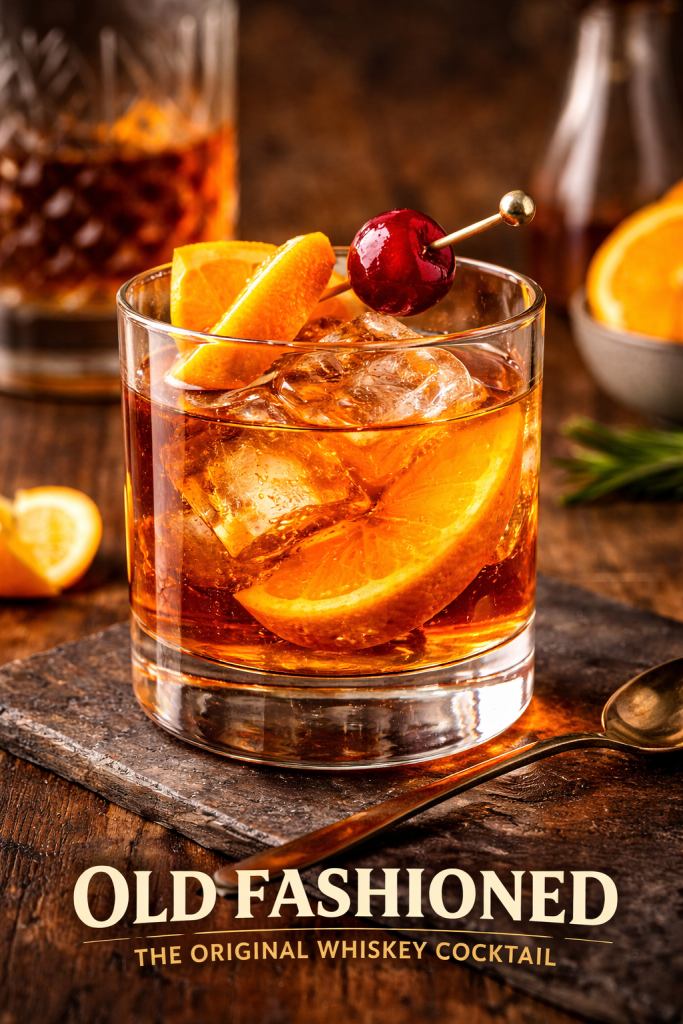
Cocktail:Spiced Old Fashioned (Bourbon, cinnamon syrup, Angostura bitters)
Why: The boldness of bourbon stands up beautifully to the lamb's richness . The warming cinnamon in the syrup echoes the star anise and cinnamon in the dumpling broth, creating a cohesive flavor journey from glass to plate.
Why: The deep, fruity notes of plum complement the lamb's savory richness, while the spicy ginger and bright lime cut through and refresh the palate . The bubbles provide a cleansing effervescence between each flavorful bite.
Learn the chef's secrets to making Handmade Lamb Dumplings with Beet Wrappers! We use an aromatic broth infusion and the "sticky meat" method for a bouncy, juicy filling, then pan-fry to perfection with that iconic, crispy lace skirt. A stunning, restaurant-quality dish you can make at home.
Ingredients
For the Beet Wrappers:
Use your preferred homemade pasta recipe from earlier, substituting water with 70g beet purée.
Alternatively, see the Notes section for a simple dumpling dough recipe.
For the Aromatic Broth:
1cup water (240ml)
1tbsp black peppercorns
1 cinnamon stick
2 star anise
2 bay leaves
For the Lamb Filling:
1lb ground lamb (450g (20% fat recommended for juiciness))
2tbsp light soy sauce (use tamari for gluten-free)
1tbsp Shaoxing cooking wine (or dry sherry)
1medium carrots (roughly chopped about 1 cup)
½ onion (about ½ cup roughly chopped)
1tsp sea salt
½tsp of freshly ground black pepper
1tsp grated fresh ginger (optional, for extra zing)
For the Crispy Lace Skirt:
⅓cup warm water (80ml)
1tsp cornstarch
1tsp all-purpose flour
sea salt
2tbsp vegetable oil (neutral oil, canola, for frying or avocado)
For Serving:
Dumpling Dipping Sauce (soy sauce, black vinegar, chili oil)
green onions (Sliced)
Toasted sesame seeds
Instructions
1
Make the Aromatic Broth: In a small saucepan, combine the water, black peppercorns, cinnamon stick, star anise, and bay leaves. Bring to a simmer over medium heat, then reduce heat to low and let it gently simmer for 15 minutes. Strain the broth through a fine-mesh sieve and discard the solids. Set the broth aside to cool completely to room temperature. This step is crucial—adding hot liquid to raw meat will start to cook it, ruining the texture.
2
Prepare the Beet Wrappers: While the broth cools, prepare your vibrant beet pasta dough according to your preferred recipe. Once the dough is made, wrap it in plastic and let it rest at room temperature for at least 30 minutes. This relaxes the gluten, making it easier to roll.
3
Make the Lamb Filling (The "Sticky Meat" Method): In a large bowl, combine the ground lamb, soy sauce, and Shaoxing wine. Using a pair of chopsticks or a sturdy spatula, stir the mixture vigorously in ONE DIRECTION (clockwise or counter-clockwise) for 2-3 minutes. You'll notice the mixture becoming paler, stickier, and pulling away from the sides of the bowl. This is the protein matrix forming—the key to juicy dumplings.
4
Incorporate the Broth and Vegetables: In a blender or food processor, combine the completely cooled aromatic broth with the chopped carrot and onion. Blend until you have a smooth purée. Add this purée, along with the salt, pepper, and ginger (if using), to the lamb mixture. Again, stir vigorously in the SAME DIRECTION until the liquid is fully incorporated and the filling looks homogenous and glossy. The mixture will be quite soft, which is perfect. Cover the bowl and refrigerate the filling for at least 1 hour, or up to overnight. Chilling makes it much easier to handle.
5
Assemble the Dumplings: Roll out your beet dough into thin sheets (about 1mm thick). Use a 3-inch round cutter to cut out circles. Keep the wrappers covered with a damp towel to prevent them from drying out. Place about 1 heaping teaspoon of the chilled filling in the center of a wrapper. Lightly moisten the edge with water. Fold the wrapper in half over the filling to create a half-moon shape. Pinch the top center to seal, then create 3-4 pleats on one side, pressing firmly to seal against the flat side. Place the finished dumplings on a lightly floured or parchment-lined tray, ensuring they don't touch.
6
Create the Crispy Lace Skirt: In a small bowl or measuring cup, whisk together the water, cornstarch, flour, and salt until the starches are fully dissolved. This is your slurry . Give it another stir right before using, as the starches will settle.
7
Pan-Fry the Dumplings: Heat 2-3 tablespoons of neutral oil in a 10-12 inch non-stick skillet with a tight-fitting lid over medium-high heat . Arrange the dumplings in the pan in a circular pattern, flat-side down, making sure they aren't touching. Fry for 2-3 minutes until the bottoms are a deep golden brown.
8
Steam and Crisp: Give the slurry one final stir and carefully pour it into the pan around the dumplings. It will splatter, so use the lid as a shield . Immediately cover the pan with the lid and reduce the heat to medium. Let the dumplings steam for 6-8 minutes, or until most of the liquid has evaporated and the dumpling wrappers look translucent and cooked through .
9
Reveal the Skirt: Remove the lid. Continue cooking for another 1-3 minutes, moving the pan around to focus heat on any pale or moist spots, until the remaining film of starch turns into a beautiful, lacy, golden-brown crisp . You'll hear a gentle crackle when it's ready.
10
The Flip and Serve: Turn off the heat. Place a large plate upside down over the pan. Holding the plate firmly against the pan with one hand (using an oven mitt), grasp the pan handle with your other hand and confidently and quickly flip the pan over to invert the dumplings onto the plate . The stunning lace skirt should now be facing up. Serve immediately with your favorite dumpling dipping sauce, garnished with green onions and sesame seeds.
Nutrition Facts
Servings 4
Amount Per Serving
Calories520kcal
% Daily Value *
Total Fat28g44%
Sodium890mg38%
Total Carbohydrate38g13%
Protein28g57%
Iron 3.5 mg
* Percent Daily Values are based on a 2,000 calorie diet. Your daily value may be higher or lower depending on your calorie needs.
Note
The "One Direction" Rule: Never change direction when mixing the filling. Stirring in one direction aligns the protein strands properly. Switching directions will break the matrix you're trying to build.
Chill the Filling: A cold filling is much firmer and easier to work with than a room-temperature one. Don't skip the chilling step.
Don't Overcrowd the Pan: For a standard 10-inch pan, 7-10 dumplings is the sweet spot . Overcrowding prevents the skirt from forming properly.
Stir the Slurry: Cornstarch and flour sink like a rock. Always give the slurry a final stir just before pouring it into the hot pan .
Make Ahead & Freezing: You can assemble the dumplings and freeze them in a single layer on a tray. Once frozen solid, transfer them to a freezer bag. Cook from frozen, adding an extra minute or two to the covered steaming time and using a little more slurry .
No Beet Dough? Use store-bought round dumpling or gyoza wrappers for a quicker version. The flavor will still be incredible.
Keywords:
lamb dumplings, homemade dumplings, beet dumpling wrappers, crispy dumpling skirt, Chinese dumplings recipe, how to make dumplings from scratch, lamb and carrot dumplings, potstickers with lace, dumpling filling recipe, Asian dumpling recipe, sticky meat method, dumpling sauce, frozen dumplings, gyoza, jiaozi
The Art of the Dumpling Skirt
The crispy lace skirt, known in Chinese as binghua (ice flower) or wang (net), is a hallmark of perfect potstickers, famously executed at the global Din Tai Fung restaurant chain . While it looks incredibly intricate, it's a testament to how a simple technique can elevate humble ingredients. The ratio of the slurry can be adjusted for different textures. A higher proportion of cornstarch yields a more delicate, brittle lace, while more all-purpose flour creates a sturdier, crunchier skirt . Some chefs even add a drop of oil to the slurry for extra sheen. This recipe's balance is designed for the best of both worlds: a delicate, shattering crisp that still has enough structure to survive the dramatic flip onto the plate.
Regional Lamb Dumplings of China
While pork dominates dumpling fillings in much of China, lamb is the star in the northwestern regions, particularly in Xi'an and the Xinjiang Uyghur Autonomous Region. Xi'an is famous for its yangrou jiaozi (lamb dumplings), often served in a hearty soup or with a spicy, nutty dipping sauce made from local chili flakes . In Xinjiang, the influence of Central Asian flavors is unmistakable. Here, you'll find dumplings and filled pastries called samsa, baked in a tandoor oven, filled with minced lamb, cumin, and onions—a close cousin to our pan-fried version, highlighting the profound impact of the Silk Road on Chinese cuisine . Our recipe's use of star anise and cinnamon is a nod to this rich, cross-cultural culinary heritage.
HomeNaturallyMade (Northwestern China Dumpling Traditions)