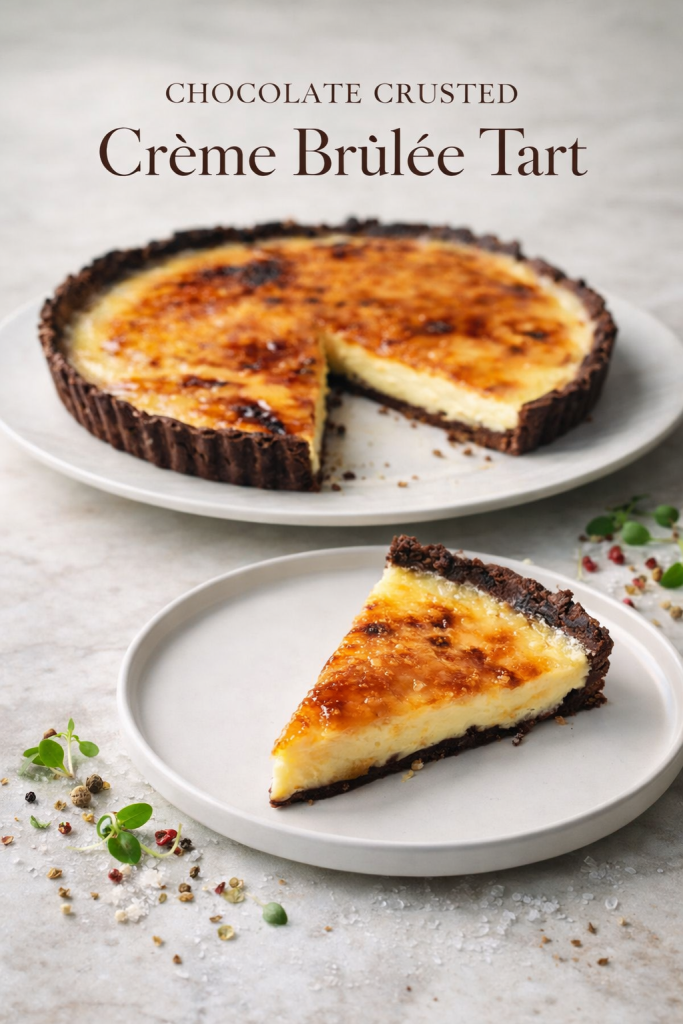
Have you ever found yourself torn between the sophisticated crack of a classic crème brûlée and the deep, comforting allure of a chocolate tart? What if I told you that you could have both, in one stunning dessert? This chocolate crusted crème brûlée tart is the mashup you didn't know you needed. It features a crisp, buttery chocolate tart shell cradling a silky-smooth vanilla bean custard, all topped with that signature brittle layer of caramelized sugar.
This isn't just a dessert; it's an experience. The moment your spoon breaks through the glass-like top to plunge into the creamy custard below, with the rich undertone of the chocolate crust providing the perfect finishing note, is pure magic. I’ve developed this chocolate crusted crème brûlée tart recipe to be as foolproof as it is impressive, breaking down the steps to ensure you get a picture-perfect tart with a crust that stays crisp and a filling that’s luxuriously creamy every single time.
The History
To understand this dessert, we have to look at its two iconic parts. Crème brûlée, which translates from French to "burnt cream," has a surprisingly contested history. The French proudly claim it as their own, with the first printed recipe for it appearing in the 1691 cookbook Cuisinier Royal et Bourgeois by François Massialot . However, the English have a similar dessert called "Trinity Cream" or "Cambridge Burnt Cream," which they claim bears the colleges' crest with a branding iron. Meanwhile, the Spanish have "Crema Catalana," a dessert from the Catalonia region that predates the others, typically flavored with citrus and cinnamon and set with starch rather than just eggs.
On the other side of the plate, we have the chocolate tart. While tarts themselves have been a staple of European cooking since the Middle Ages, the addition of chocolate is a much more modern indulgence. Once chocolate was brought back from the New World and transformed from a bitter drink into an edible luxury, pastry chefs began incorporating it into everything. The idea of a rich, shortbread-like chocolate crust is a brilliant innovation, designed to complement and contrast with sweet fillings. This chocolate crusted crème brûlée tart marries these two worlds: the ancient technique of the water-bath custard with the more recent innovation of the chocolate-infused pastry, creating a new classic for the modern table.
The Science
What transforms a few simple ingredients into a dessert with such a magical texture? It's all about understanding the delicate dance of proteins, fats, and heat. The filling is essentially a stirred custard, and its success hinges on the behavior of egg yolks. Egg yolks are nature's perfect thickener, containing a powerful mix of proteins and fats. When heated, those protein strands unfurl (denature) and then bond together (coagulation), trapping the liquid cream and transforming it into a gel. This is why we only use yolks; using the white would introduce too much protein, specifically ovalbumin, which would cause the custard to become unpleasantly firm and rubbery, like a baked meringue.
The process is a careful balancing act. If the heat is too high or too fast, the proteins will coagulate too aggressively, squeezing out the water they've trapped and curdling the custard—a phenomenon known as syneresis . This is why we use a water bath (bain-marie). The water gently buffers the oven's heat, ensuring the custard cooks slowly and evenly from edge to center, reaching the ideal temperature of around 175°F (79°C) without scrambling.
Then comes the grand finale: the caramelized top on this chocolate crusted crème brûlée tart. This is not the same as browning meat (Maillard reaction). It's the pure caramelization of sucrose . When you apply intense, direct heat from a torch, the sugar crystals melt, decompose, and reform into hundreds of new chemical compounds that give caramel its characteristic deep, complex, slightly bitter, and nutty flavor. The torch is essential because it applies the extreme heat needed for caramelization (around 320°F for sucrose) directly to the sugar in a flash, without warming the delicate custard below. If you tried to do this in the oven, the custard would be overcooked long before the sugar browned.
Good Pairing Food and Drink
This chocolate crusted crème brûlée tart is a showstopper on its own, but pairing it with the right foods and drinks can elevate it into a truly memorable tasting experience.
One Appetizer:Salted Marcona Almonds with Rosemary. The reason this works is textural and flavor-based. The savory, herbaceous crunch of the almonds provides a delightful contrast to the smooth, sweet tart. The saltiness also primes your palate, making you more sensitive to the sweetness and creamy richness to come.
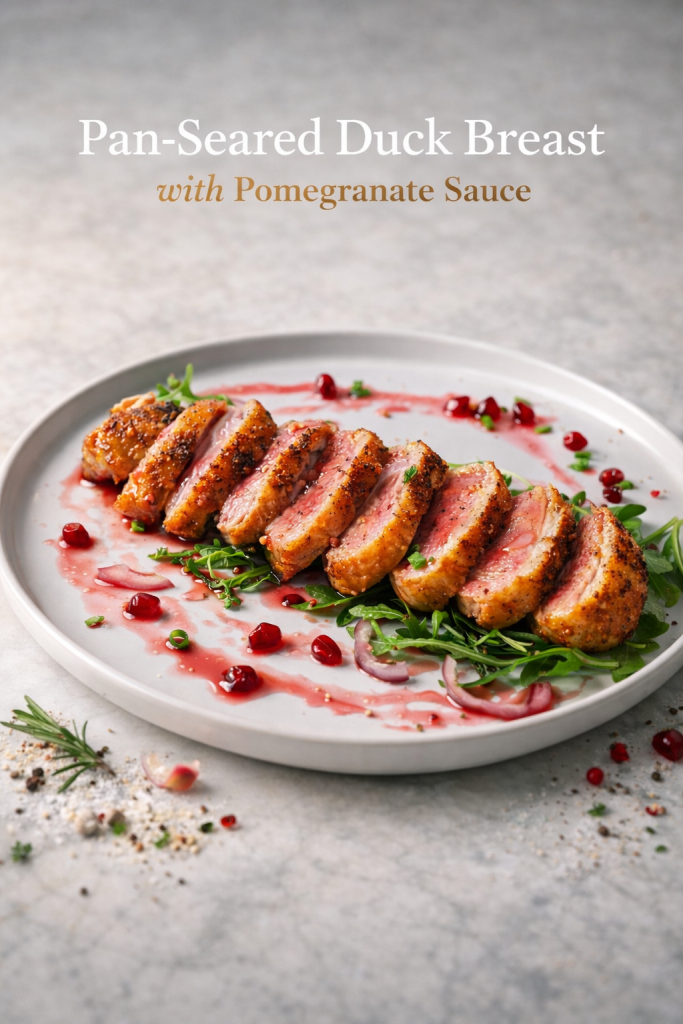
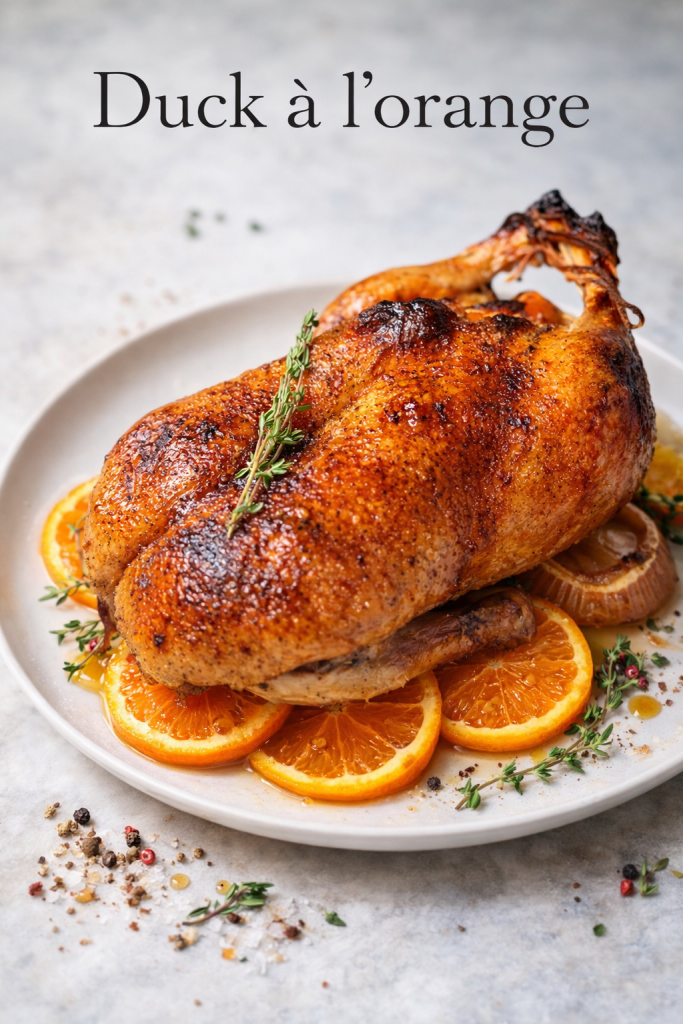
One Main Course:Seared Duck Breast with Orange and Fennel Salad. Duck and orange is a classic pairing because the fruit's acidity cuts through the bird's fatty richness. Similarly, the bright, citrusy salad here will cleanse your palate, while the savory, medium-rare duck provides an earthy, meaty counterpoint that makes the dessert's sweetness feel even more luxurious.
One Side Dish:Vanilla Bean Poached Pears. While technically another dessert component, serving a small slice of poached pear alongside the chocolate crusted crème brûlée tart adds a fresh, juicy element. The gentle spice and vanilla in the pears will echo the custard's flavor, while the fruit's natural acidity provides a lovely counterbalance.
One Dessert:Espresso. Keep it simple and sophisticated. A small, intense shot of espresso is the perfect digestif after a rich meal. Its bitter, roasty notes are the ideal final contrast to the sweet caramel and creamy custard, cleansing the palate and concluding the meal on a high note.
One Cocktail and One Non-Alcoholic Drink:
Cocktail:Tawny Port. A Tawny Port, with its notes of dried fruit, caramel, and nuts, is a classic partner for a reason. Its sweetness complements the dessert without overwhelming it, and its complex, oxidized flavors harmonize beautifully with both the vanilla custard and the dark chocolate crust.
Non-Alcoholic:Mexican Hot Chocolate. Instead of a traditional creamy hot chocolate, opt for a water-based version spiced with cinnamon and a hint of chili. The warmth and spice will play against the cold custard, while the gentle heat and cinnamon echo the flavors in both the crust and the brûlée topping, creating a cozy and complementary pairing.
This chocolate crusted crème brûlée tart is the ultimate fusion dessert. It combines the creamy, smooth texture of a classic vanilla bean custard with a decadent, crunchy chocolate tart shell. Finished with a glass-like layer of burnt sugar, this make-ahead recipe for a chocolate crusted crème brûlée tart is surprisingly approachable and guaranteed to impress.
1/2cup granulated sugar, plus 3-4 tablespoons more for the caramelized topping (100g)
Pinch of salt
Instructions
Part 1: Make the Chocolate Crust (The Foundation)
1
Mix Dry Ingredients: In a medium bowl, whisk together the flour, cocoa powder, sugar, and salt. This ensures the leavening (none) and cocoa are evenly distributed.
Cream Butter: In a large bowl, beat the softened butter with an electric mixer (or a sturdy spoon) until it's smooth and creamy. You're creating a base for a tender, shortbread-like texture for your chocolate crusted crème brûlée tart.
Add Wet Ingredients: Beat in the melted and cooled dark chocolate until fully combined. Then, beat in the egg yolk, milk, and water until the mixture is smooth and homogenous. The melted chocolate amplifies the cocoa flavor for a truly decadent crust.
Combine: Gradually add the dry flour mixture to the wet ingredients, mixing on low speed just until a dough forms. It should come together cleanly. Don't overmix, or the crust will be tough. If it seems too dry, add another teaspoon of water. If too sticky, add a tablespoon of flour.
First Chill: Gather the dough into a ball, flatten it into a disk, wrap in plastic wrap, and refrigerate for at least 30 minutes. This relaxes the gluten and firms the butter, making it infinitely easier to roll.
Roll and Shape: On a lightly floured surface, roll the dough into a 12-inch circle (about ⅛-inch thick). Carefully transfer it to your 10-inch tart pan with a removable bottom. Gently press the dough into the fluted edges and across the bottom. Roll your rolling pin over the top of the pan to trim away the excess dough. Patch any tears with the scraps. Prick the bottom all over with a fork; this is called "docking" and allows steam to escape.
Second Chill (Crucial Step!): Place the lined tart pan in the freezer for at least 30 minutes, until the dough is very firm. This solidifies the butter, which is your primary defense against the dreaded shrinking crust.
Pre-bake (Blind Bake): Preheat oven to 375°F (190°C). Remove the tart shell from the freezer. Line the inside with a sheet of foil or parchment paper, pressing it into the edges. Fill with pie weights, dried beans, or rice.
Bake the Shell: Place on a baking sheet and bake for 15 minutes. Carefully remove the foil and weights. Return the crust to the oven and bake for another 8-10 minutes, until the crust looks dry and set. It will continue to darken slightly.
Cool: Set the crust on a wire rack to cool completely. Reduce the oven temperature to 325°F (160°C).
Part 2: Make the Filling & Bake (The Custard)
2
Infuse the Dairy: In a medium saucepan, combine the heavy cream and milk. If using a vanilla bean, split it lengthwise with a sharp knife, scrape the tiny seeds into the pot, and add the pod as well. Heat over medium until it's just simmering (small bubbles around the edges). Do not let it boil. Remove from heat. If using a bean, let it steep for 15 minutes to extract maximum flavor, then remove the pod. If using vanilla extract or paste, you will add it later.
Temper the Egg Yolks: In a medium bowl, whisk the 5 egg yolks, ½ cup of sugar, and the salt until slightly thickened and pale. This dissolves the sugar and prevents a grainy texture.
Combine Gently: While whisking constantly, slowly pour about one-third of the warm cream mixture into the egg yolks. This slowly raises the temperature of the eggs (tempering them) so they don't scramble. Then, pour the tempered yolk mixture back into the saucepan with the remaining cream and whisk until fully combined.
Strain for Silkiness: For the absolute silkiest texture in your chocolate crusted crème brûlée tart, pour the entire mixture through a fine-mesh sieve into a large liquid measuring cup with a spout. This will catch the vanilla pod (if used) and any accidentally cooked egg bits. If using vanilla extract or paste, stir it in now.
Fill the Shell: Place the cooled tart shell (still on the baking sheet for stability) on the oven rack. Carefully pour the custard into the crust, right up to the top edge.
The Water Bath: Carefully slide the oven rack out and pour hot water into the baking sheet, creating a water bath that comes about halfway up the sides of the tart pan. This gentle, even heat is the secret to a smooth, non-curdled custard.
Bake to Perfection: Bake at 325°F (160°C) for 25-35 minutes. The edges should be set, but the center will still have a slight, delicate jiggle when you gently shake the pan. This jiggle means it will be perfectly creamy once chilled.
Cool and Chill (The Hardest Part): Carefully remove the chocolate crusted crème brûlée tart from the oven and transfer it to a wire rack to cool completely to room temperature. Once cool, carefully remove the outer ring of the tart pan. Cover the tart loosely with plastic wrap and refrigerate for at least 4 hours, preferably 6-8 hours or overnight. The custard must be fully chilled and set.
Part 3: Caramelize the Top (The Grand Finale)
3
Sugar the Surface: Just before serving, remove the chocolate crusted crème brûlée tart from the fridge. Sprinkle a thin, even layer of granulated sugar over the entire surface of the cold custard. Tilt the tart to distribute it evenly, then pour off any excess. You want a uniform, sand-like coating.
Torch to Perfection: Use a kitchen torch to melt and caramelize the sugar. Hold the flame about 2-3 inches away and move it in a slow, circular motion. You'll see the sugar melt, bubble, and then turn a deep, glossy amber color. This forms the hard, glass-like crust.
Serve Immediately: The caramelized top is best enjoyed right away, as it will eventually soften and absorb moisture from the custard. Slice your chocolate crusted crème brûlée tart with a sharp knife, warmed under hot water and wiped dry for clean cuts, and serve.
4
Nutrition Facts
Servings 12
Amount Per Serving
Calories485kcal
% Daily Value *
Total Fat32g50%
Saturated Fat19g95%
Sodium115mg5%
Total Carbohydrate42g15%
Dietary Fiber2g8%
Sugars28g
Protein7g15%
Calcium 80 mg
Iron 2 mg
* Percent Daily Values are based on a 2,000 calorie diet. Your daily value may be higher or lower depending on your calorie needs.
Note
Pro Tip for a Crisp Crust: For an extra layer of protection against a soggy bottom, you can brush the inside of the warm, blind-baked crust with a lightly beaten egg white and return it to the 325°F (160°C) oven for 2-3 minutes to set. This creates a waterproof seal for your chocolate crusted crème brûlée tart.
Make-Ahead: This chocolate crusted crème brûlée tart is the perfect make-ahead dessert. You can prepare the tart completely (through step 8) up to 2 days in advance. Keep it covered in the refrigerator. Only caramelize the sugar topping right before serving.
Storage: Leftover chocolate crusted crème brûlée tart (without the caramelized top) can be covered and stored in the refrigerator for up to 3 days. If you've already caramelized the top, the sugar will soften. It will still taste delicious, but it won't have the signature crack.
Substitutions:
Vanilla Bean: If you don't have a bean, use 1 tablespoon of high-quality vanilla bean paste for the best speckled look and flavor. 1-2 teaspoons of pure vanilla extract can be used in a pinch, but the flavor won't be as deep, and you'll miss the beautiful specks. Add it after straining the custard.
Chocolate: Use a good quality dark chocolate you enjoy eating. A 60-70% cocoa content is ideal for a balanced, not-too-sweet crust.
Troubleshooting: If your custard has bubbles on the surface after baking, your oven was likely too hot or you incorporated too much air when whisking. Tap the filled pan on the counter a few times before baking to release air bubbles.
Keywords:
chocolate crusted crème brûlée tart, how to make chocolate crusted crème brûlée tart, easy chocolate crusted crème brûlée tart recipe, best chocolate crusted crème brûlée tart, chocolate tart, crème brûlée tart, chocolate custard tart, vanilla bean tart, baked custard tart, french dessert recipes, chocolate tart with custard, make ahead dessert recipe, date night dessert, 10 inch tart recipe, blind baking tart crust, how to caramelize sugar, using a kitchen torch, easy impressive dessert, burnt cream tart, crema catalana tart, chocolate and vanilla dessert,
A Note on Vanilla: The quality of your vanilla will directly impact the final flavor of this simple custard for your chocolate crusted crème brûlée tart. While vanilla extract is a convenient staple, using a whole vanilla bean elevates this dessert to another level. The tiny black seeds, or "vanilla caviar," not only infuse the cream with a more complex, aromatic flavor but also provide those beautiful specks that signal a truly authentic, from-scratch dessert. When you scrape the seeds from the pod, don't throw the pod away! Rinse it, dry it, and bury it in a jar of sugar to make your own vanilla sugar for your next baking project.
Regional Variations: This chocolate crusted crème brûlée tart is a loving fusion, but it's fun to think of its cousins. A Crema Catalana Tart would swap the vanilla for cinnamon and lemon zest in the custard and would often be thickened slightly with cornstarch. A Trinity Cream Tart might forgo the chocolate crust and instead use a traditional shortcrust pastry, branding the top with a hot iron rather than just a torch for a purely historical presentation. This version, however, stands proudly on its own as a delicious hybrid for the 21st-century dessert lover.