There's something deeply satisfying about transforming one beautiful, live crustacean into a bowl of velvety, aromatic soup. This lobster bisque with fresh lobster is born from that intention. One lobster. A handful of aromatic vegetables. A splash of brandy. And a technique that honors every part of the crustacean—from the toasted shells to the sweet claw meat. We're not straining anything out. We're blending it all together, capturing every bit of flavor in a lobster bisque with fresh lobster that tastes like the coast of Brittany. Ready to turn one lobster into liquid gold? Let's begin.
THE HISTORY
The word "bisque" conjures images of white tablecloths and celebratory dinners, but its origins are surprisingly humble. Most culinary historians trace bisque back to the coastal regions of France, particularly Brittany and Normandy, in the 17th century. The name itself likely derives from Biscaye, the French name for the Bay of Biscay, a notoriously rough stretch of Atlantic Ocean known for its abundant shellfish. Early bisques weren't the smooth, creamy affairs we know today. They were rustic, chunky soups made by fishermen's wives who used every part of the catch, grinding the shells of crab, shrimp, and lobster into a paste to stretch a meager budget and extract every ounce of flavor. For a deeper dive into the history of French seafood cookery, Larousse Gastronomique remains the definitive reference, and The Food Timeline offers fascinating context on how bisque evolved from peasant fare to haute cuisine.
For centuries, bisque remained a regional specialty—a thrifty way to transform the "waste" of shellfish into something nourishing. It wasn't until the rise of classic French cuisine in the 18th and 19th centuries that chefs began refining the dish. They added cream and strained it to silky perfection, elevating it from peasant fare to haute cuisine. Today, a proper lobster bisque with fresh lobster remains a symbol of celebration, a dish that proves you don't need abundance to create something extraordinary. One lobster, handled with care, becomes a feast.
THE SCIENCE
Every step in this recipe for lobster bisque with fresh lobster is backed by culinary science. When you toast the lobster shells in butter with onion, celery, and carrots—the classic French mirepoix—you're initiating the Maillard reaction. This browning process creates hundreds of new aromatic compounds, transforming the shells from bland to intensely savory. Crushing them slightly as they cook exposes more surface area, releasing even more flavor compounds into the butter. Serious Eats' guide to the Maillard reaction explains why this browning is the foundation of deep flavor in any savory dish, and Science of Cooking offers additional insight into how heat transforms ingredients.
The aromatics matter too. Garlic adds pungent depth. Coriander brings a subtle, citrusy warmth that brightens the ocean flavor without overwhelming it. Parsley and dill contain volatile aromatic compounds that infuse the stock as it simmers. Dill, in particular, has an affinity for shellfish that borders on magical. Its delicate, anise-like notes lift the richness of the brandy and cream. For more on herb pairings with seafood, The Spruce Eats has excellent guides.
When you deglaze with brandy and white wine, you're doing more than adding flavor. Alcohol binds with both fat-soluble and water-soluble flavor compounds, unlocking aromatic notes that water alone cannot extract. As the alcohol evaporates, it leaves behind concentrated essence. Simmering the shells for an hour extracts collagen, which breaks down into gelatin. That gelatin gives your lobster bisque with fresh lobster its velvety mouthfeel. By blending everything together—shells and all—you're incorporating every bit of that gelatin and flavor into the final soup. No straining means nothing gets left behind.
GOOD PAIRING FOOD AND DRINK
This lobster bisque with fresh lobster is rich, creamy, and aromatic. These pairings are designed to create a complete, elegant meal.
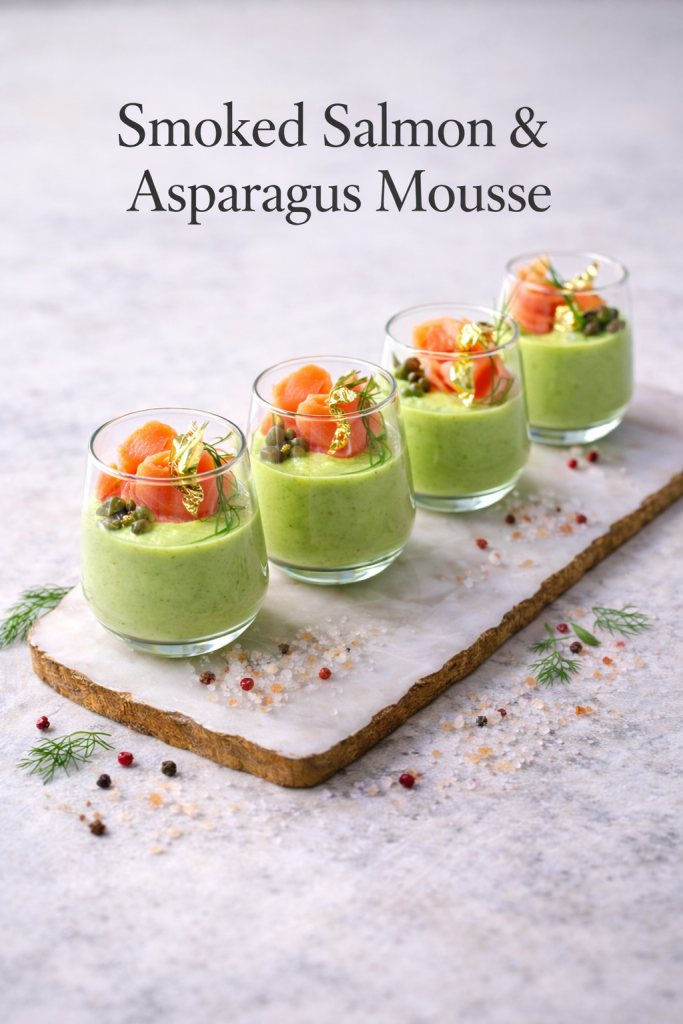
Smoked Salmon & Asparagus Mousse: An Elegant 5-Ingredient Appetizer Begin with a taste of luxury. The light, airy mousse and silky smoked salmon echo the seafood theme while offering a completely different texture—fluffy and delicate versus creamy and rich. The bright asparagus cuts through the bisque's richness, preparing the palate beautifully.
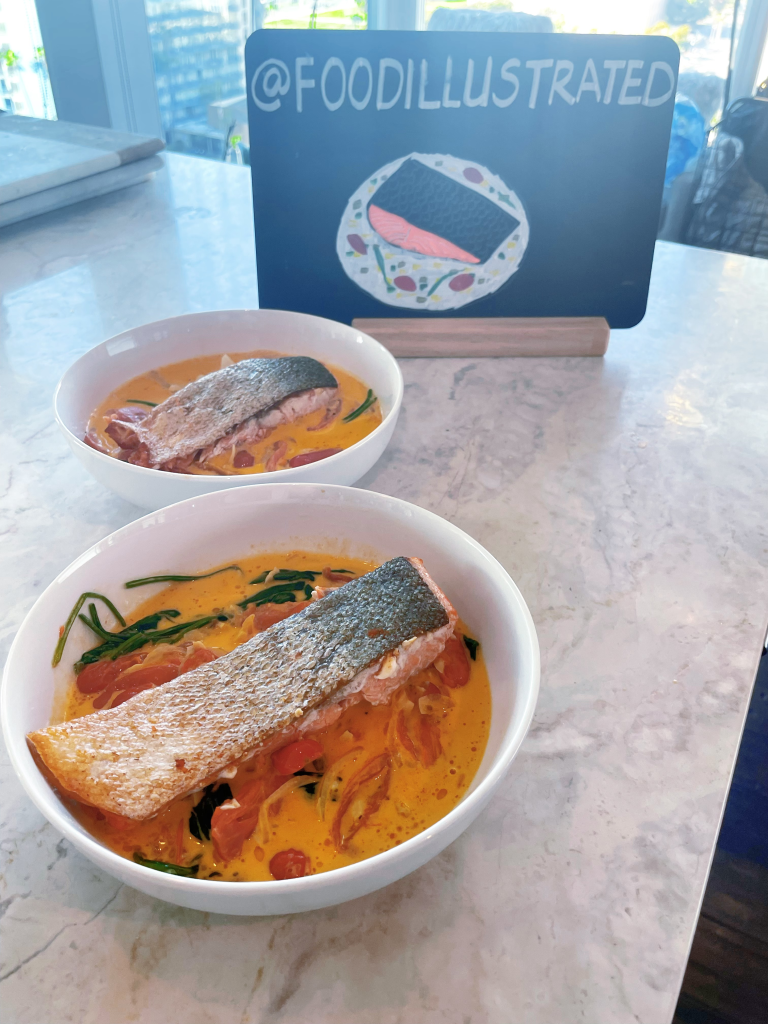
Creamy Tuscan Salmon: A 15-Minute Recipe If you're building a multi-course seafood dinner, this creamy Tuscan salmon makes a stunning main course. Its rich, garlicky, sun-dried tomato cream sauce shares a similar luxurious texture with your lobster bisque with fresh lobster, while the salmon offers a heartier, more substantial protein. The flavors complement without competing.
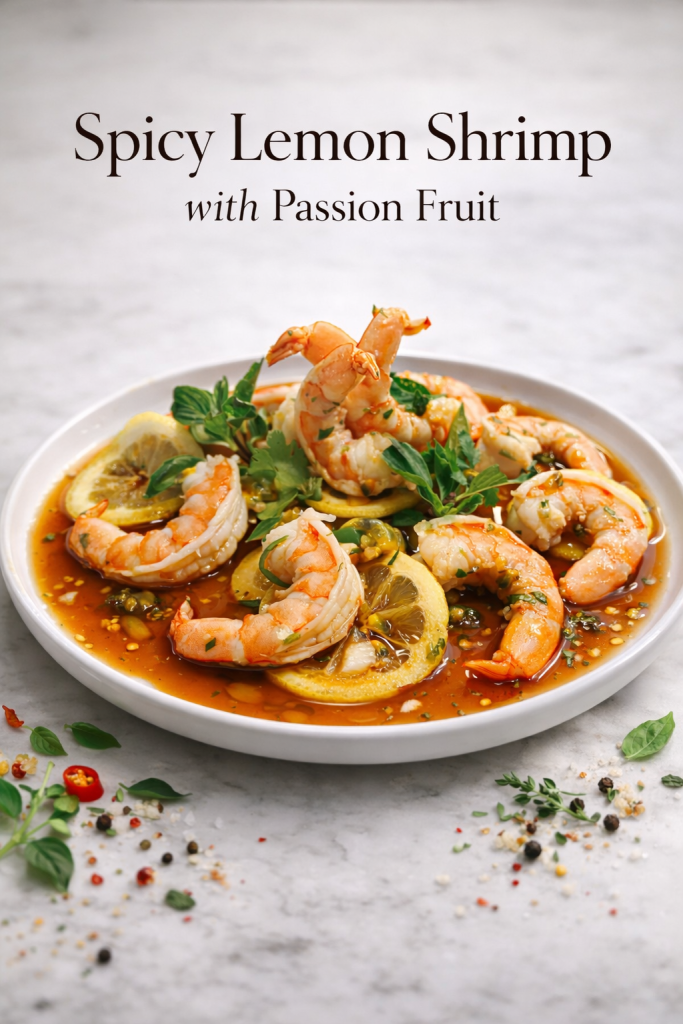
Spicy Passionfruit Lemon Shrimp: A 20-Minute Flavor Explosion This vibrant, zesty shrimp dish serves as a bright, acidic counterpoint to the bisque's creamy richness. The passionfruit, lemon, and Thai chili awaken the palate, creating a dynamic contrast that makes each course feel distinct yet cohesive.
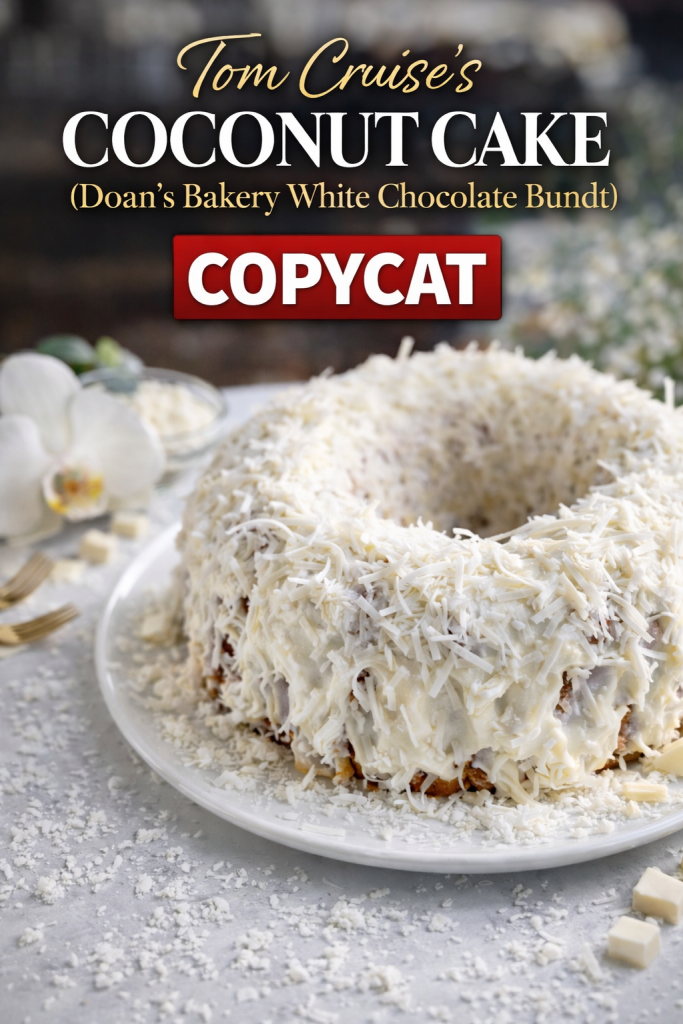
Tom Cruise Coconut Cake Copycat (Doan's Bakery White Chocolate Bundt) End on a legendary note. This dense, buttery bundt cake studded with white chocolate and draped in coconut cream cheese frosting offers a sweet, tropical finish that echoes the bisque's coastal origins while providing a satisfyingly decadent finale.
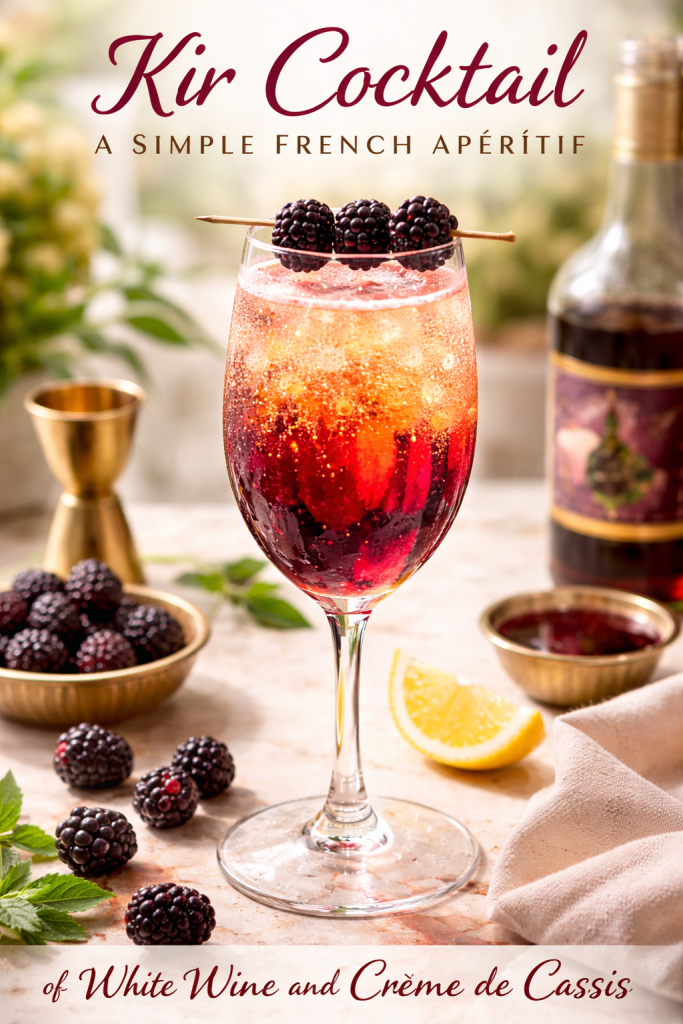
Cocktail: Kir Cocktail: A Simple French Apéritif of White Wine and Crème de Cassis Start your meal the French way with this elegant two-ingredient apéritif. The crisp, dry white wine and sweet blackcurrant liqueur create a bright, refreshing sip that awakens the palate without overwhelming it. Its gentle acidity and subtle berry sweetness perfectly prepare the taste buds for the rich, creamy lobster bisque with fresh lobster to come—a classic French beginning to a luxurious seafood meal.
Non-Alcoholic Drink: Sparkling Lemon Verbena Spritzer Combine sparkling water with a lemon verbena syrup. The herbaceous, citrusy notes cut through the creaminess while the bubbles provide the same palate-cleansing effect as Champagne. For premium sparkling water options, San Pellegrino offers a classic choice, and Fever-Tree provides excellent mixers for sophisticated non-alcoholic beverages.
Best Season:
Fall, Winter, Suitable throughout the year
Dietary:
High Protein, Iron-Rich
Description
Learn how to make a restaurant-quality lobster bisque with fresh lobster using one live lobster, brandy, cream, and fresh herbs. This no-strain method blends everything together for maximum flavor, with pan-seared lobster meat placed at the center of each bowl.
Ingredients
For the Lobster Stock & Soup Base:
1live lobster (about 1.5 lbs / 680g)
4tbsp unsalted butter
1onion, roughly chopped
2carrots, roughly chopped
2celery stalks, roughly chopped
4cloves garlic, smashed
1tsp ground coriander
¼Cup brandy
½Cup dry white wine
4cups seafood stock
Small bunch fresh parsley (about ½ cup, loosely packed)
Small bunch fresh dill (about ½ cup, loosely packed, plus extra for garnish)
For the Bisque & Garnish:
Reserved lobster claws and tail
2tbsp unsalted butter (for searing)
Fresh dill (for searing and garnish)
Salt
3/4cup heavy cream (for finishing)
white pepper (to taste)
Instructions
1
Cook the Lobster: Bring a large pot of salted water to a rolling boil. Plunge the live lobster headfirst into the water. Cook for 4-5 minutes—just until it turns bright red. This par-cooks the lobster, making it easier to dissect. Remove with tongs and let cool slightly.
2
Dissect the Lobster: Once cool enough to handle, twist off the claws and tail. Set the claws aside. Using kitchen shears, cut along the underside of the tail shell and carefully remove the tail meat in one piece. Crack the claws with a lobster cracker or the back of a heavy knife and extract the claw meat. Reserve the claw and tail meat in the refrigerator. Save every single shell, including the legs and body—this is where the flavor lives for your lobster bisque with fresh lobster.
3
Toast the Shells: In a large, heavy-bottomed pot or Dutch oven, melt 4 tablespoons of butter over medium-high heat. Add the reserved lobster shells, crushing them slightly with a wooden spoon to expose more surface area. Sauté for 8-10 minutes, stirring frequently. You'll smell the shells toasting—this is the Maillard reaction building your flavor foundation for this lobster bisque with fresh lobster.
4
Build the Aromatics: Add the chopped onion, celery, carrots, and smashed garlic. Sauté for another 5-7 minutes until the vegetables soften and begin to caramelize. Sprinkle in the ground coriander and cook for 1 minute until fragrant.
5
Deglaze: Remove the pot from the heat and carefully pour in the brandy. Return to medium heat and let it bubble, scraping the browned bits from the bottom with a wooden spoon. Cook until the alcohol smell dissipates, about 2 minutes. Add the white wine and repeat, reducing by half.
6
Simmer the Stock: Pour in the seafood stock. Add the fresh parsley and dill (reserving a few dill sprigs for garnish and searing). Bring to a gentle simmer, then reduce heat to low. Cover partially and simmer for exactly 1 hour. Do not boil—boiling can make the stock bitter. You'll know it's ready when the liquid has reduced slightly and smells intensely of the sea, with fragrant notes of coriander and fresh herbs—the hallmark of a perfect lobster bisque with fresh lobster.
7
Blend Everything Together: Remove the pot from heat. Using an immersion blender (or working in batches with a standard blender), blend the soup until completely smooth. Do not strain. The shells will break down during blending, adding body and flavor to your lobster bisque with fresh lobster. Blend thoroughly until you achieve a silky, uniform texture. Important safety note: If using a standard blender, never fill it more than halfway with hot liquid and remove the center cap to allow steam to escape. Cover with a kitchen towel to prevent splatters.
8
Pan-Sear the Lobster Meat: While the soup blends or just before serving, heat 2 tablespoons of butter in a small skillet over medium-high heat. Add the reserved claw and tail meat with a few sprigs of fresh dill. Sear quickly for 1-2 minutes per side, just until warmed through and lightly golden. Do not overcook—the lobster is already par-cooked, and you want it tender, not rubbery. This finishing touch elevates your lobster bisque with fresh lobster to restaurant quality.
9
Season the Soup: Season the blended soup with salt and white pepper to taste. Stir to combine. The soup should be velvety and deeply flavorful—everything a great lobster bisque with fresh lobster should be.
10
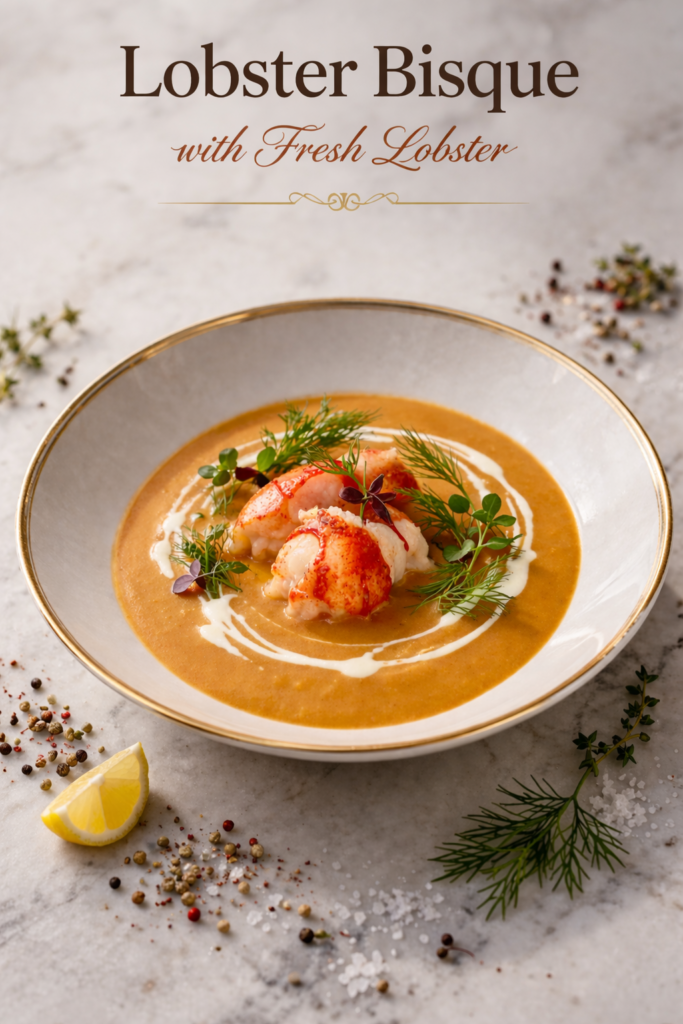
Assemble the Bowls: Place the pan-seared lobster meat in the center of each warm bowl. Carefully pour the hot soup around the meat, allowing it to pool beneath and around the lobster.
11
Finish and Serve: Drizzle heavy cream in a swirl over the top of each bowl. Garnish with fresh dill sprigs. Serve immediately.
Nutrition Facts
Amount Per Serving
Calories485kcal
% Daily Value *
Total Fat33g51%
Saturated Fat19g95%
Sodium790mg33%
Total Carbohydrate12g4%
Dietary Fiber2g8%
Sugars5g
Protein26g52%
* Percent Daily Values are based on a 2,000 calorie diet. Your daily value may be higher or lower depending on your calorie needs.
Note
Pro Tip: Blending everything together—shells and all—is the secret to this lobster bisque with fresh lobster. The shells contain gelatin that thickens the soup naturally, and the fine particles add body and depth. Just ensure you blend until completely smooth.
No Straining, No Waste: Traditional bisque recipes call for straining out the shells. We're skipping that step. A high-powered blender will pulverize the shells into tiny, imperceptible particles that add texture and flavor without any unpleasant grit.
Pan-Sear Matters: The quick sear at the end adds texture, a hint of browning, and allows the dill to perfume the meat directly. Keep it brief—just 1-2 minutes per side—to preserve the lobster's tenderness.
Herb Strategy: The parsley and dill infuse the stock as it simmers, while the extra dill used in the sear and as garnish adds a fresh, bright finish. This layering creates depth without muddling flavors.
Make-Ahead: You can make the soup base (through the blending step) up to 2 days in advance and refrigerate. Reheat gently, then pan-sear the lobster meat and assemble just before serving.
Storage: Store leftover soup (without the pan-seared lobster meat) in an airtight container in the refrigerator for up to 2 days. Store lobster meat separately. Reheat soup gently over low heat, warm lobster meat briefly in a skillet, and assemble.
Freezing: Freeze the soup base for up to 3 months. Thaw overnight, reheat, and prepare fresh lobster meat for serving. The texture may change slightly due to the blended shells, but the flavor remains excellent.
Troubleshooting: If your lobster bisque with fresh lobster tastes bitter, you may have overcooked the shells or boiled the stock. Next time, sauté shells just until fragrant and never let the stock boil. If the texture isn't smooth enough, blend longer—a high-powered blender makes all the difference.
Keywords:
lobster bisque with fresh lobster, lobster bisque, how to make lobster bisque, creamy lobster soup, fresh lobster recipe, French lobster bisque, seafood soup, bisque recipe, lobster soup with brandy, homemade lobster bisque, lobster bisque with dill, lobster bisque with coriander, best lobster bisque, one lobster recipe, creamy seafood soup, fancy soup recipe, no-strain bisque, blender bisque, single lobster bisque, live lobster bisque,
There is something deeply satisfying about cooking a single lobster for your lobster bisque with fresh lobster. In an age of abundance, where we often buy pre-picked meat or frozen tails, handling one whole crustacean forces us to slow down. You feel the weight of it. You crack the claws. You toast the shells until the kitchen smells like the sea. This isn't efficiency cooking. It's ritual cooking.
In coastal France, this was the reality for generations of fishermen's families. One lobster, perhaps caught that morning, would feed the household. The meat was savored—a few precious bites per person. The shells were never wasted. They became the base of a soup that stretched the catch into a meal for everyone. That's the spirit we're channeling here. By blending the shells directly into the soup, we're honoring that tradition of using every part, wasting nothing. For more on sustainable seafood practices, Monterey Bay Aquarium Seafood Watch offers excellent guidance on choosing responsibly sourced lobster.
When you place that pan-seared claw meat in the center of the bowl and pour the velvety soup around it, you're not just plating a dish. You're participating in a centuries-old tradition that says: use what you have, use all of it, and treat each ingredient with the respect it deserves. One lobster, transformed into a bowl of lobster bisque with fresh lobster, becomes more than the sum of its parts. It becomes a memory.