Roasted Duck à l’Orange: A Classic French Bistro Dish Made Simple
Master the art of roasted duck à l'orange with this foolproof recipe. Learn the secrets to crispy skin, tender meat, and a rich, citrusy sauce that tastes like a Parisian bistro classic.
Is there anything more inherently romantic and impressive than a beautifully roasted duck with glossy, citrus-kissed sauce glistening under the dining room lights? For decades, Duck à l'Orange—or Canard à l'Orange as it's known in its native France—has been the ultimate symbol of elegant home cooking. It's the dish we order in fancy restaurants, the centerpiece we dream of mastering for special occasions.
And today, I'm going to show you that this classic is not only achievable but genuinely simple to master in your own kitchen. This roasted duck à l'orange recipe strips away the intimidation, leaving you with a clear, step-by-step roadmap to juicy, tender meat, impossibly crispy skin, and a rich, silky orange sauce that tastes like it simmered for hours. The secret lies in a few key techniques—dry-brining the skin, a slow roast, and building a sauce from the pan juices. Trust me, by the time you carve this golden bird and drizzle that vibrant sauce around it, you'll wonder why you ever reserved this dish just for restaurants.
To understand Duck à l'Orange is to take a journey through the evolution of modern French cuisine itself. While the combination of duck and citrus might feel quintessentially French, its roots are surprisingly Italian. The story begins in Renaissance Florence, where the Medici family's cooks would prepare a dish of duck with sour oranges—bitter, tart fruits that were a luxury import from Asia.
When Catherine de' Medici traveled to France in 1533 to marry the future King Henry II, she brought her Italian chefs with her. These culinary ambassadors introduced the French court to the wonders of sweet-savory combinations, including the pairing of rich meats with citrus. The concept took root, and over the following centuries, French chefs gradually refined and transformed the dish into something entirely their own.
By the late 19th and early 20th centuries, Canard à l'Orange had become a defining classic of la grande cuisine—the elaborate, sauce-driven cooking that made French food world-famous. It appeared on menus at legendary Parisian establishments like La Tour d'Argent and Maxim's, where it was prepared with theatrical flair, often flambéed tableside in a dramatic burst of orange liqueur flames.
The version we know and love today—with its balance of bitter, sweet, and savory—was largely codified in the mid-20th century by chefs like Auguste Escoffier, who sought to bring precision and consistency to classic recipes. Interestingly, the dish eventually traveled full circle, becoming a staple of "continental cuisine" in mid-century America, where it represented the height of sophistication for home cooks hosting dinner parties. Today, it stands as a beautiful testament to culinary evolution—a dish that has traveled across centuries and continents, always adapting, yet always retaining its essential soul.
Behind that gorgeous, lacquered duck lies some fascinating kitchen science. Understanding what's happening chemically transforms you from a recipe follower into a true culinary artist.
Let's start with that overnight rest in the fridge. This isn't just a matter of convenience; it's essential physics and chemistry. By leaving the duck uncovered, you're allowing surface moisture to evaporate. Water is the enemy of crispy skin—it creates steam, which steams the skin rather than allowing it to crisp. As moisture leaves, the skin's proteins and fats concentrate, setting the stage for the Maillard reaction that will create that deep bronze color and nutty flavor during roasting. Think of it as pre-gaming the browning.
The scoring technique—those careful V-shaped cuts through the skin and fat but not into the meat—serves multiple scientific purposes. First, it creates channels for fat to render out more efficiently. Duck fat, which melts at around 95°F, needs pathways to escape. Without scoring, the fat would be trapped, resulting in greasy skin and meat. Second, those cuts increase surface area, which means more area for browning and crisping. Finally, they create those beautiful, crispy ridges that make roast duck so visually stunning.
The initial covered roasting phase might seem counterintuitive if you're aiming for crispiness, but it's crucial for tenderness. Duck legs and thighs contain significant amounts of connective tissue—collagen—that needs time and gentle heat to break down into silky gelatin. By covering the pan with foil and adding liquid, you're creating a humid environment that gently cooks the meat to tenderness before the skin ever has a chance to burn. The collagen begins melting around 160°F, and by the time the internal temperature reaches 180°F, those tough connective tissues have transformed into rich, succulent gelatin.
That final uncovered roast at higher heat triggers two critical reactions. The Maillard reaction—the browning of amino acids and reducing sugars—creates hundreds of new flavor compounds that taste nutty, savory, and deeply satisfying. Simultaneously, remaining fat renders and sizzles, creating that shatteringly crisp skin. The key is timing: you want the collagen fully broken down before the skin reaches maximum crispiness, which is exactly what this two-stage method achieves.
And that sauce? It's a masterclass in emulsion. The roux you create with duck fat and flour provides stability, while the natural gelatin from the roasted bones and connective tissue acts as an emulsifier, creating that silky, luxurious mouthfeel. The acid from the orange juice and balsamic vinegar doesn't just add brightness—it actually modifies proteins in a way that tenderizes and balances richness. Every ingredient serves a purpose, and understanding that purpose makes you a better cook.
GOOD PAIRING FOOD AND DRINK
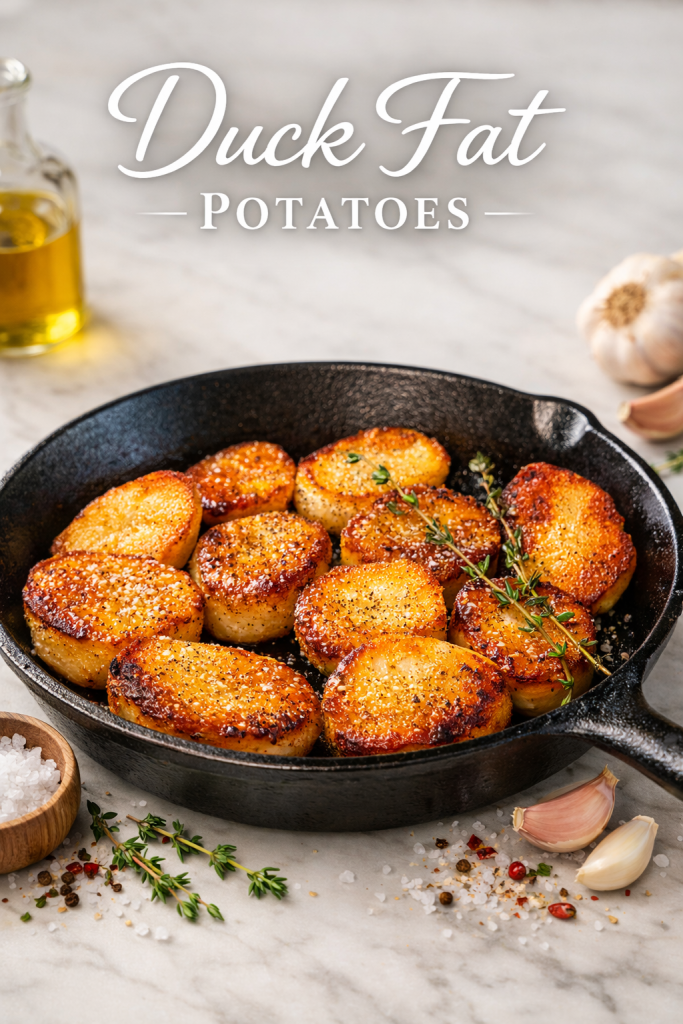
One Appetizer: Duck Fat Roasted Potatoes with Rosemary and Garlic Start as you mean to go on—with that liquid gold, duck fat. Parboil small Yukon Gold potatoes, roughen their surfaces with a fork, and roast them in rendered duck fat (saved from your bird) at 400°F until impossibly crispy outside, fluffy within. Toss with fresh rosemary and whole garlic cloves during the last 10 minutes. The earthy rosemary echoes the thyme in the duck, while the crispy potatoes prepare your palate for the richness to come.
One Main Course: This is the main course! But if you're building a French feast, consider serving it as the centerpiece alongside the suggestions below.
One Side Dish: Haricots Verts with Brown Butter and Almonds Thin, tender French green beans quickly blanched, then sautéed in nutty brown butter and topped with toasted sliced almonds. The bright, vegetal crunch cuts through the duck's richness, while the brown butter's nuttiness complements the orange and balsamic in the sauce. A squeeze of fresh lemon at the end ties everything together beautifully.
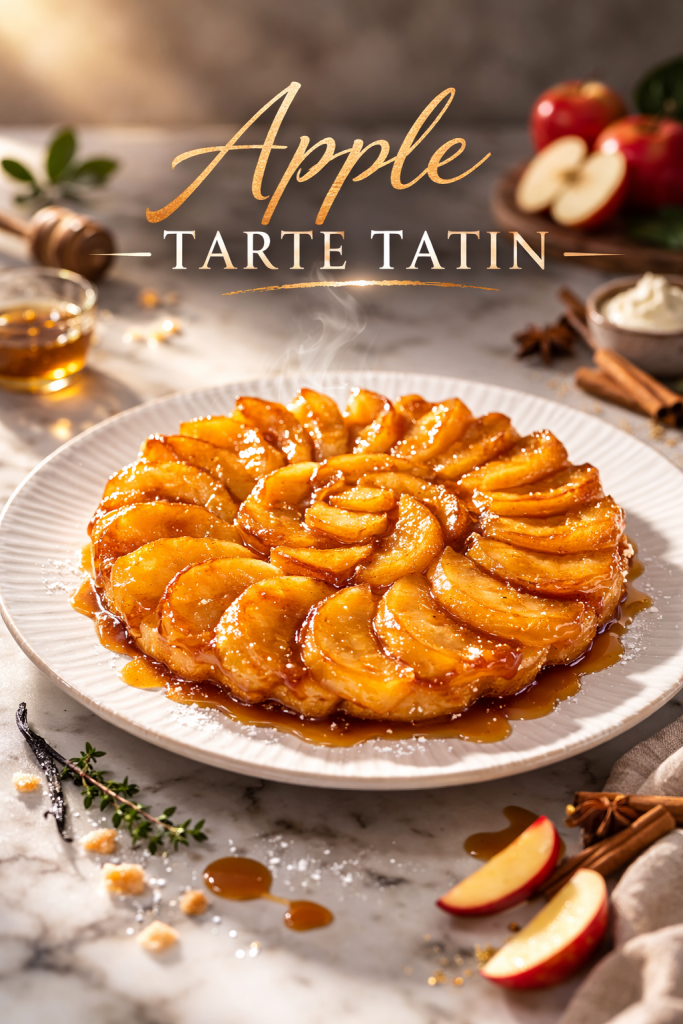
One Dessert: Tarte Tatin This classic French upside-down caramelized apple tart is the perfect ending. The buttery, caramelized apples echo the orange's sweetness while offering a completely different texture—tender fruit beneath crisp pastry. A dollop of crème fraîche or vanilla ice cream melts into the warm apples, creating a sauce that's reminiscent of the duck's orange glaze but entirely its own thing. It's rustic elegance at its finest.
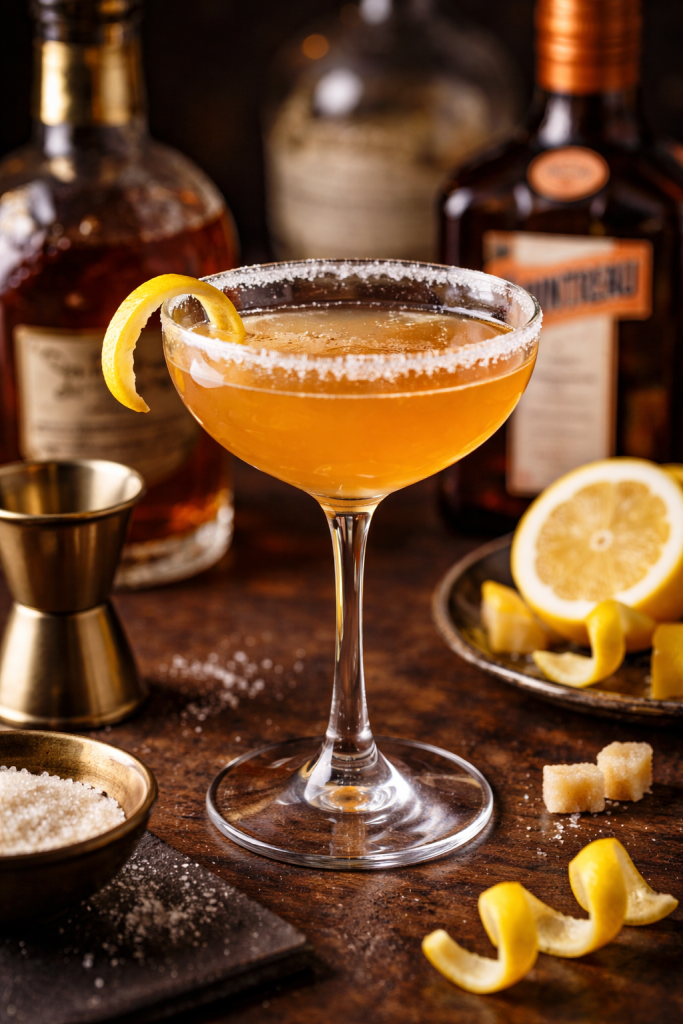
One Cocktail: Sidecar The Sidecar—cognac, orange liqueur, and fresh lemon juice—was practically designed to accompany Duck à l'Orange. The cognac's warmth and oak notes mirror the roasted flavors of the duck, while the orange liqueur echoes the citrus in the sauce. Fresh lemon juice provides brightness and cuts through richness, exactly as the sauce does. A sugared rim adds a touch of sweetness that ties everything together.
One Non-Alcoholic Drink: Sparkling Blood Orange Italian Soda Combine fresh blood orange juice (when in season) or regular orange juice with a splash of pomegranate for depth, topped with chilled sparkling water and a sprig of fresh thyme. The bubbles cleanse your palate between bites, the citrus mirrors the sauce, and the herbaceous thyme creates a beautiful aromatic connection to the dish. Serve in a champagne flute for maximum elegance.
Best Season:
Fall, Winter, Suitable throughout the year
Dietary:
Dairy-Free, Egg-Free, High Protein, Iron-Rich, Low-Carb / Keto
Description
Forget everything you thought about complicated French cooking. This roasted duck à l'orange delivers impossibly juicy meat under crackling-crisp skin, all draped in a luscious, sweet-tart orange sauce. With a few simple techniques and minimal hands-on time, you'll create a showstopping centerpiece perfect for holidays, date nights, or any occasion that calls for something truly special.
Prepare the Duck (Day Before): Pat the duck completely dry with paper towels. Place it uncovered on a wire rack set over a baking sheet and refrigerate overnight. This crucial step dries the skin, ensuring maximum crispiness later. Visual cue: The skin will feel dry and papery to the touch by morning.
2
Bring to Room Temperature: Remove the duck from the fridge and let it sit at room temperature for 20 minutes. Meanwhile, preheat your oven to 350°F (180°C).
3
Trim and Score: Using the heel of a large knife, trim off the wing tips and cut off the neck. With a small, sharp knife, score the skin widthwise in a V-pattern across the breast. Be careful to cut through only the skin and fat, not into the meat. This allows fat to render and creates crispy skin. Season the skin generously all over with salt and pepper.
4
Season the Cavity: Season the inside cavity with salt and pepper. Place half of the quartered onions, several thyme sprigs, a few orange slices, and the smashed garlic cloves inside the cavity. Do not overstuff; the duck needs air circulating inside to cook evenly.
5
Arrange in Pan: Place the remaining onion quarters in the center of a roasting pan. If you have a roasting rack, place it over the onions. If not, the duck will rest directly on the onions, which will elevate it slightly. Place the duck on the rack or onions.
6
Cover and Roast: Cover the duck and the entire pan tightly with aluminum foil. Pour the white wine and water into the pan around (not over) the duck. Carefully transfer to the oven and roast for 80 minutes. This covered phase steams the duck gently, tenderizing the meat.
7
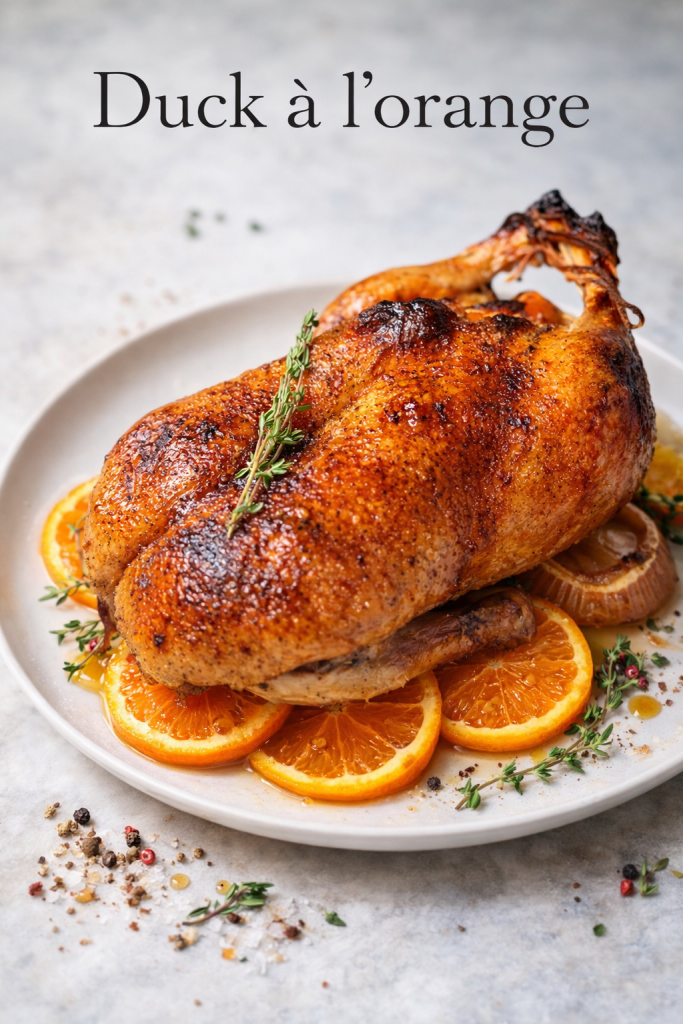
Uncover and Crisp: Remove the pan from the oven and carefully remove the foil. Baste the duck generously with the rendered fat and juices accumulated in the pan. Return the duck to the oven, uncovered, and continue roasting for 30-60 minutes. Visual cue: You're looking for a deep golden-brown, beautifully crisped skin. The total time depends on your duck's size.
8
Check for Doneness: The duck is cooked when the internal temperature at the thickest part of the thigh (away from the bone) reaches 180°F (82°C). The juices should run clear.
9
Rest the Duck: Carefully transfer the duck to a cutting board. Tent it loosely with foil and a clean kitchen towel. Let it rest for at least 15 minutes before carving. This allows juices to redistribute throughout the meat.
10
Prepare the Sauce Base: While the duck rests, pour all the pan liquids into a tall, narrow container (like a fat separator or a glass measuring cup). Let it sit for a few minutes, then spoon off the bright yellow duck fat that rises to the top. Reserve this liquid gold for the sauce and for future roasts (duck fat potatoes, anyone?). Keep the remaining brown jus (the duck juices) for the sauce.
11
Make the Sauce: In a medium saucepan over medium heat, add 2 tablespoons of the reserved duck fat. Whisk in the flour and cook, stirring constantly, for 2 minutes to form a golden roux. This cooks out the raw flour taste.
12
Finish the Sauce: Whisk in the fresh orange juice, honey, balsamic vinegar, bay leaf, soy sauce, and all the reserved duck jus (the brown juices, not the fat). Bring to a gentle simmer, then reduce the heat to low. Let it cook, stirring occasionally, for about 15 minutes, until it reduces to a silky, coating consistency. Visual cue: The sauce should coat the back of a spoon. If you run your finger through it, the line should hold. Season with salt and pepper to taste. Remove the bay leaf.
13
Carve and Serve: Carve the rested duck (similar to carving a turkey or chicken). Arrange the pieces on a warm platter, spoon the luxurious orange sauce around (not over, to keep the skin crispy), and garnish with fresh orange slices and thyme sprigs if desired. Serve immediately, passing any extra sauce at the table.
Nutrition Facts
Servings 4
Amount Per Serving
Calories650kcal
% Daily Value *
Total Fat45g70%
Saturated Fat15g75%
Cholesterol140mg47%
Sodium890mg38%
Total Carbohydrate18g6%
Dietary Fiber1g4%
Sugars14g
Protein38g76%
Vitamin C 45 mg
Iron 4 mg
* Percent Daily Values are based on a 2,000 calorie diet. Your daily value may be higher or lower depending on your calorie needs.
Note
Pro Tips for Success:
Don't skip the overnight dry. This is non-negotiable for truly crispy skin. If you're short on time, even a few hours uncovered in the fridge helps, but overnight is best.
Score carefully. You want to cut through the fat cap but stop at the meat. If you hit the meat, juices will escape during roasting.
Save that duck fat! It's liquid gold for roasting potatoes, vegetables, or making the most incredible fried eggs. It stores in the fridge for months or the freezer for a year.
Taste your sauce before serving. Depending on your oranges, you may need a touch more honey for sweetness or a splash of vinegar for brightness.
Make-Ahead Instructions:
You can prepare the duck through scoring and seasoning up to 24 hours in advance (that's the overnight rest). The sauce can be made 2-3 days ahead and gently reheated.
Storage Guidelines:
Fridge: Store leftover duck meat and sauce separately in airtight containers for up to 4 days. The skin will lose its crispiness, but the meat remains delicious.
Freezer: Shredded duck meat freezes well for up to 3 months. The sauce also freezes nicely. Duck fat freezes beautifully for up to a year.
Reheating:
For duck: The best method is to reheat meat gently in a covered skillet with a splash of sauce or broth. To re-crisp skin, place pieces skin-side up on a baking sheet in a 400°F oven for 5-7 minutes.
For sauce: Gently reheat in a small saucepan over low heat, adding a splash of water or orange juice if it's too thick.
Substitutions:
No white wine? Use chicken or duck stock mixed with a tablespoon of white wine vinegar.
No fresh oranges? Use high-quality, not-from-concentrate orange juice. Avoid cartons with added sugar.
Gluten-free? Replace the 2 tbsp flour with 1½ tbsp cornstarch mixed with 2 tbsp cold water to form a slurry. Whisk into the simmering sauce at the end and cook until thickened.
Less sweet? Reduce honey to 1 tablespoon or omit entirely, depending on the sweetness of your oranges and your preference.
Keywords:
roasted duck à l'orange, canard à l'orange, duck with orange sauce, French duck recipe, how to roast a duck, crispy duck skin, orange sauce for duck, classic French recipes, Christmas duck, dinner party main course, roast duck with citrus, duck a l'orange easy, whole duck recipe, bistro style duck, orange glaze duck, special occasion dinner,
While the version we've created here is the classic French bistro style, this beloved dish has inspired countless variations worth exploring:
Bigarrade Sauce (The Original): Before sweet oranges became widely available, classic recipes used bitter Seville oranges (bigarrades). The sauce, called Sauce Bigarrade, is tarter and more complex, often including a touch of red wine vinegar and demi-glace. It's still considered the most authentic by purists.
Duck à l'Orange Flambé: Popular in mid-century restaurants, this dramatic version involves warming orange liqueur (like Grand Marnier or Cointreau), igniting it, and pouring it flaming over the carved duck at tableside. The flames caramelize the sugar and add a subtle orange liqueur depth.
American "Continental" Style: In 1950s and 60s America, Duck à l'Orange became a dinner party staple, often simplified with orange marmalade and canned mandarin oranges for sweetness. While less sophisticated, it introduced millions of home cooks to the concept of pairing fruit with poultry.
Asian-Fusion Variations: Modern chefs have begun incorporating Asian ingredients like star anise, ginger, and soy sauce (which our version subtly includes) into the orange sauce, creating a bridge between French technique and Eastern flavors.
The Tradition of the Christmas Duck
In many European countries, particularly in parts of France, Germany, and Scandinavia, roast duck (often with orange or apple) is the traditional Christmas centerpiece, rivaling turkey's popularity in the UK and America. The tradition dates back to medieval times when geese were the typical feast bird. As ducks became more widely available and affordable in the 19th century, they gradually replaced goose on many tables.
In Denmark, Andesteg (roast duck) with caramelized potatoes and red cabbage is practically mandatory for Christmas Eve dinner. The French often serve Canard à l'Orange for Christmas or New Year's Eve (Réveillon), considering it elegant enough for the year's most important meals. There's something fitting about duck for winter celebrations—its richness feels indulgent, its golden skin looks festive, and its ability to feed a crowd makes it practical for holiday gatherings.
A Personal Memory
The first time I attempted Duck à l'Orange, I was 22 years old, trying to impress a date for Valentine's Day. I had no concept of scoring skin, no understanding of rendering fat, and certainly no patience for overnight drying. The result was a pale, greasy bird with a sauce that tasted primarily of burnt sugar and desperation.
But somewhere between that disaster and this perfected recipe, I fell in love with the process. I learned that French cooking isn't about innate talent—it's about understanding why techniques matter and having the patience to let them work. Now, every time I pull a perfectly bronzed duck from the oven and watch that glossy sauce cascade around it, I think of that 22-year-old version of myself and smile. This is a dish that rewards attention, patience, and care. And once you've mastered it, you'll have it in your repertoire for life—a culinary achievement that never stops impressing.
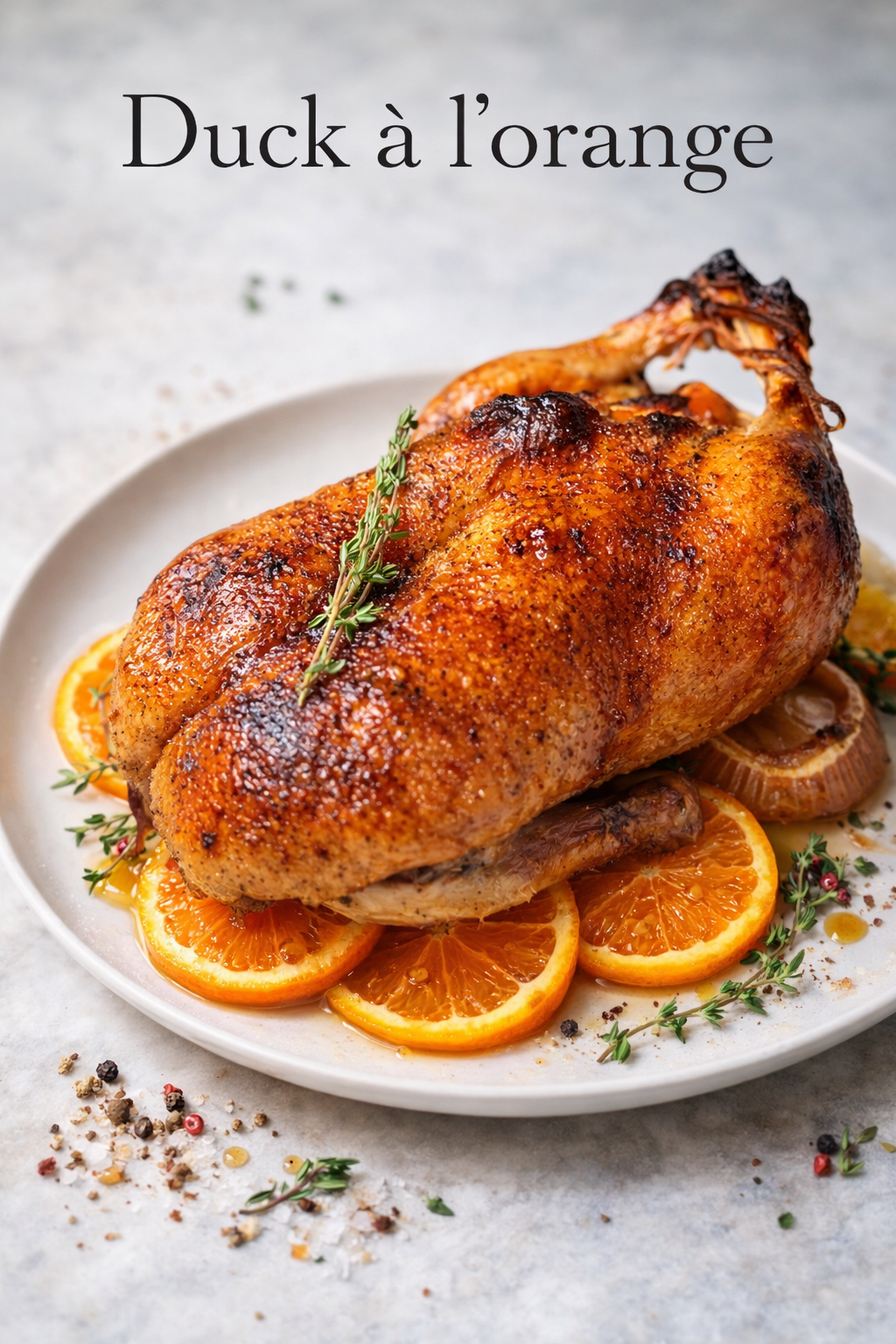 Rest the Duck: Carefully transfer the duck to a cutting board. Tent it loosely with foil and a clean kitchen towel. Let it rest for at least 15 minutes before carving. This allows juices to redistribute throughout the meat.
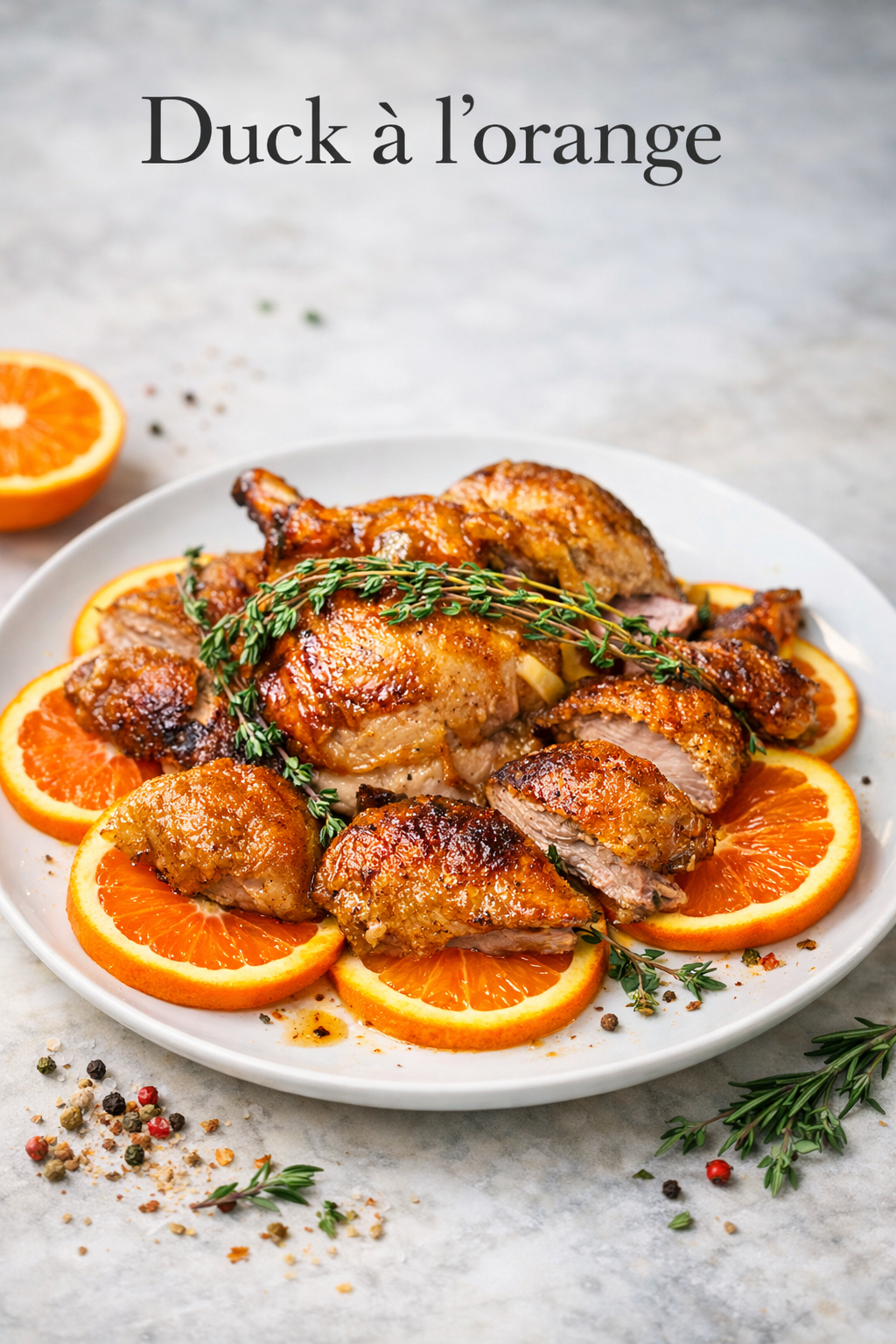 Carve and Serve: Carve the rested duck (similar to carving a turkey or chicken). Arrange the pieces on a warm platter, spoon the luxurious orange sauce around (not over, to keep the skin crispy), and garnish with fresh orange slices and thyme sprigs if desired. Serve immediately, passing any extra sauce at the table.