Rosemary Buttermilk Fried Chicken: The Ultimate Crispy, Juicy Recipe
INTRO
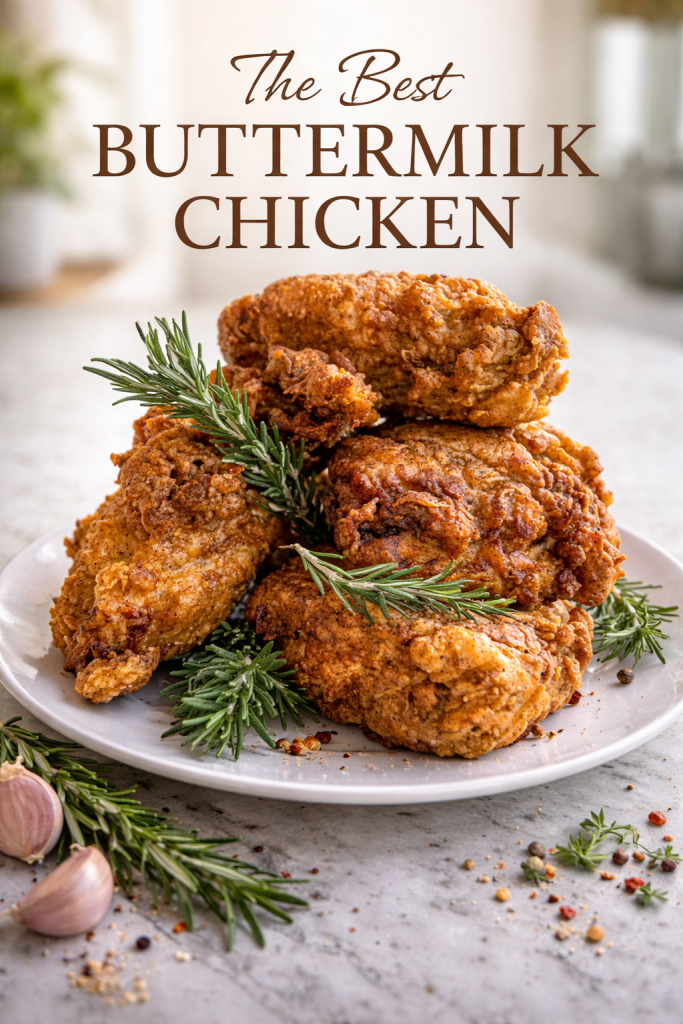
Have you ever bitten into a piece of fried chicken so perfect it brought you close to tears? The shatteringly crisp, craggly crust giving way to meat so juicy and flavorful it seems to defy logic? That's the experience we're chasing today. This isn't just another fried chicken recipe; this is the ultimate guide to making rosemary buttermilk fried chicken that sets a new standard. We're combining the tangy tenderness of a buttermilk soak with the aromatic punch of fresh rosemary and a spice-laden, extra-crunchy coating. This recipe is inspired by the legendary chef Thomas Keller, who serves his iconic version at Ad Hoc and Bouchon restaurants, where the aroma of toasted rosemary fills the dining room on Monday nights . What makes this version truly special is a two-part process: a genius rosemary-infused brine followed by a meticulously layered dredging technique that guarantees an unforgettable, restaurant-quality crust right in your own kitchen. Get ready to become a fried chicken legend.
THE HISTORY
While the exact origins of fried chicken are complex and contested, its story is a fascinating journey through cultures and continents. Techniques for frying fowl existed in Ancient Rome and Medieval Europe, and similar dishes were found in West Africa and Scotland. Scottish immigrants brought their tradition of frying chicken in fat to the American South, while enslaved West Africans contributed their deep knowledge of seasoning and spice. This cultural fusion created what we know today as Southern fried chicken.
Buttermilk's role entered the picture later, primarily as a tenderizer. In an era before refrigeration, the lactic acid in cultured buttermilk helped to break down tough muscle fibers in older birds, making them more palatable. The tradition of brining, which we use here, takes this a step further. By infusing the bird with salt and aromatics like rosemary—a hardy herb with Mediterranean roots that found a welcoming home in American gardens—we build flavor from the inside out.
The specific recipe you're about to make gained widespread acclaim through chef Thomas Keller, the only American-born chef with two restaurants (The French Laundry and Per Se) awarded Michelin's highest rating of three stars . Keller introduced this fried chicken at Ad Hoc, his casual "family style" restaurant in Yountville, California, which opened in 2006 . It quickly became so popular that it's served every other Monday, with fans even creating calendars marking the dates . The recipe was later published in his 2009 cookbook Ad Hoc at Home and eventually made its way to Bouchon Bistro in Beverly Hills, where Monday night fried chicken draws crowds eager for that perfect crust . Interestingly, Keller spent part of his childhood in southern Maryland, where his mother made fried chicken the old-fashioned way, shaking it with flour and seasonings in a brown paper bag—a humble beginning for a dish that would become a modern classic .
THE SCIENCE
Great fried chicken is a beautiful symphony of chemistry and physics. Let's break down the genius behind our method.
First, we have a two-step moisture management system. Step one is the brine. The salt in the brine doesn't just season the meat; it denatures the proteins, allowing them to unwind and trap more moisture during cooking. This ensures a juicy interior. The acidity from the lemon juice and the culture in the buttermilk (in the dredging station) further tenderize the meat by gently breaking down connective tissues. But the real magic happens in step two: the "dry-wet-dry" dredging technique. By coating the chicken in seasoned flour, then dipping it in buttermilk, and finally coating it in flour again, we create a perfect layer of paste. When this paste hits the hot oil, it instantly sets, creating a rough, craggly surface with maximum surface area—the secret to that shatteringly crisp crust.
Finally, let's talk about the coating ingredients. Baking powder is our secret weapon. When it hits the hot oil, it reacts with moisture and heat to produce carbon dioxide bubbles, creating tiny pockets in the crust that make it lighter and even crispier. The combination of flours (just all-purpose is perfect here) provides the structure, while the inclusion of spicy, smoky, and earthy spices adds layers of flavor that brown and bloom in the oil, thanks to the Maillard reaction. This complex chemical reaction between amino acids and reducing sugars is what gives the golden-brown crust its characteristic deep, savory flavor. Keller's version uses a blend including garlic powder, onion powder, paprika, and cayenne, creating that distinctive flavor profile that keeps people coming back .
One Appetizer: Honey-Drizzled Buttermilk Biscuits with Flaky Salt. The sweet, buttery, and salty notes of a warm biscuit are the perfect prelude. They echo the buttermilk in the chicken and the hint of sweetness from the honey provides a wonderful contrast to the savory, spicy crust.
One Main Course: This is the main course, but for a truly epic spread, serve it as part of a Build-Your-Own Fried Chicken Sandwich Bar. Provide soft brioche buns, creamy coleslaw, pickles, hot sauce, and extra honey so everyone can customize their perfect sandwich.
One Side Dish: Creamy Southern-Style Coleslaw. The cool, tangy, and creamy slaw provides the perfect counterpoint to the hot, crunchy, and spicy chicken. Its acidity cuts through the richness and cleanses the palate for the next glorious bite. At Bouchon, the fried chicken is served with rotating seasonal sides .
One Dessert: Classic Peach Cobbler. This is a match made in Southern heaven. The sweet, juicy, spiced peaches and buttery, cake-like topping are a comforting and iconic end to a meal centered around fried chicken.
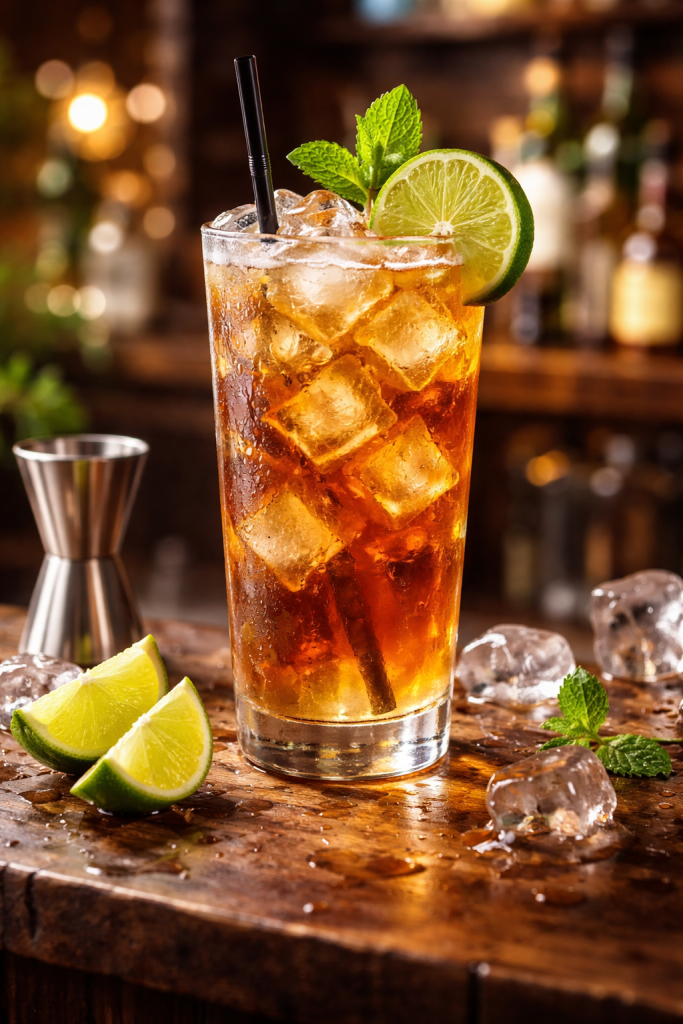
One Cocktail: A Bourbon Sweet Tea. The smoky vanilla notes of bourbon complement the savory spices, while the sweet, slightly tannic tea refreshes the palate. It's a classic pairing for a reason. Interestingly, fried chicken pairs beautifully with unexpected beverages—one tasting panel enjoyed Keller's chicken with rosé champagne and Grüner Veltliner .
One Non-Alcoholic Drink: Sparkling Lemonade with Fresh Rosemary. The bright, acidic lemon echoes the lemon in the brine, while a sprig of fresh rosemary in the glass ties the whole meal together aromatically, offering a sophisticated and refreshing sip between bites.
Discover the secrets to the best rosemary buttermilk fried chicken, inspired by Thomas Keller's legendary Ad Hoc recipe. With a two-step process for maximum juiciness and a perfectly spiced, shatteringly crisp crust, this recipe will become your new gold standard.
2quarts vegetable oil (, peanut oil, or canola oil, for frying)
Instructions
1
Infuse the Brine: In a small saucepan, heat the 1 tablespoon of vegetable oil over medium heat. Add the sliced onion and cook until softened and translucent, about 3-4 minutes. Add the smashed garlic and cook for another minute until fragrant. Stir in the 25g of fine sea salt and the fresh rosemary sprigs. Cook for 1 minute more to wake up the rosemary's oils.
2
Cool and Acidify: Pour in the cold water and lemon juice. Remove from heat and stir to dissolve the salt. Let the brine cool completely to room temperature. This is crucial—adding warm brine to raw chicken is a food safety risk.
3
Brine the Chicken: Place your chicken pieces in a large bowl, a gallon-sized zip-top bag, or a non-reactive container. Pour the completely cooled brine over the chicken, ensuring all pieces are submerged. If using a bag, squeeze out the air before sealing. Refrigerate for at least 12 hours and up to 24 hours. The longer it brines, the more flavorful and tender it will be. Keller recommends brining for exactly 12 hours to achieve the perfect balance of flavor without the chicken becoming too salty .
4
Prepare the Coating: In a large, shallow dish (like a pie plate or cake pan), whisk together the all-purpose flour, freshly ground black pepper, smoked paprika, 2 tablespoons of fine sea salt, cayenne pepper, and baking powder. Make sure the baking powder is evenly distributed—this is key for that craggly crust.
5
Set Up Your Dredging Station: Pour the buttermilk into another shallow dish. Your assembly line should be: Chicken (removed from brine and patted VERY dry with paper towels) -> Seasoned Flour -> Buttermilk -> Seasoned Flour -> Baking Sheet (fitted with a wire rack).
6
The Double-Dredge (The "Dry-Wet-Dry" Method): Take a piece of dried chicken and coat it thoroughly in the seasoned flour. Shake off any excess. Next, dip it into the buttermilk, turning to coat all sides and letting any excess drip back into the dish. Finally, return the chicken to the seasoned flour. This time, really press the flour mixture onto the chicken, building up a thick, shaggy coating. Place the coated piece on the wire rack. Repeat with all chicken pieces. Let the coated chicken rest on the rack for 15-20 minutes while you heat the oil. This helps the coating adhere.
7
Heat the Oil: In a large, heavy-bottomed pot or Dutch oven (at least 6 quarts), add enough oil to come about one-third of the way up the sides of the pot—never more than halfway . Attach a deep-fry thermometer and heat the oil to 320-325°F (160-165°C) over medium-high heat. Keller recommends 320°F for dark meat and 340°F for white meat .
8
Fry in Batches: Carefully place a few pieces of chicken into the hot oil, being careful not to overcrowd the pot. Overcrowding will cause the oil temperature to plummet, resulting in greasy chicken. The temperature will drop; adjust the heat to maintain a steady 300-325°F (150-165°C). Fry dark meat first (thighs and drumsticks) as they take longer—about 11-12 minutes at 320°F .
9
Cook to Perfection: Fry the chicken for about 11-18 minutes, turning occasionally with tongs for even browning. Cooking time depends on the size of the pieces. The chicken is done when it's a deep golden brown, the crust is incredibly crisp, and an instant-read thermometer inserted into the thickest part (not touching bone) reads 165°F (74°C) for breasts and 175-185°F (80-85°C) for thighs and drumsticks. For white meat, increase oil temperature to 340°F and fry for about 7 minutes .
10
Drain and Rest: Using a slotted spoon or spider, transfer the finished chicken to a clean wire rack set over a baking sheet (avoid paper towels, which can make the crust soggy). Place pieces skin-side up so excess fat can drain . Sprinkle immediately with a little flaky sea salt or fleur de sel while it's hot . Let it rest for at least 7-10 minutes before serving. This allows the juices to redistribute. If the chicken rests longer than 10 minutes, you can refresh it in a 400°F oven for a minute or two to restore crispness . Repeat with the remaining chicken, ensuring the oil comes back up to the proper temperature between batches.
Nutrition Facts
Servings 6
Amount Per Serving
Calories750kcal
% Daily Value *
Total Fat45g70%
Saturated Fat10g50%
Sodium1800mg75%
Total Carbohydrate35g12%
Dietary Fiber2g8%
Sugars3g
Protein45g90%
* Percent Daily Values are based on a 2,000 calorie diet. Your daily value may be higher or lower depending on your calorie needs.
Note
Pro Tip for the Crispiest Crust: After the final dredge, let the chicken rest on the wire rack for 15-20 minutes. This allows the flour coating to hydrate slightly and form a bond with the chicken, which will result in a crust that stays on better and fries up even crispier.
Make-Ahead Instructions: You can brine the chicken up to 24 hours in advance. You can also dredge the chicken up to 2 hours ahead of time and keep it covered in the refrigerator. For the best texture, fry just before serving.
Storage & Reheating: Store leftover fried chicken in an airtight container in the refrigerator for up to 3 days. To reheat and restore crispiness, place it on a wire rack in a 375°F (190°C) oven or air fryer for 10-15 minutes. The microwave will make the crust soggy.
Substitutions:
Buttermilk: In a pinch, you can make a substitute by adding 1 tablespoon of lemon juice or white vinegar to a measuring cup and filling it with regular milk to the 1-cup line. Let it sit for 5 minutes to curdle. It won't be as thick, but it works.
Spices: Feel free to adjust the heat. For a milder version, reduce or omit the cayenne. For extra smokiness, use hot smoked paprika. Dried thyme or oregano can also be lovely additions to the flour.
Gluten-Free: Keller developed Cup4Cup gluten-free flour, which can be substituted 1:1 for the all-purpose flour in this recipe .
Troubleshooting - Burnt Coating/Raw Inside: This is the #1 fried chicken problem. It means your oil is too hot. Don't be afraid to fry at a lower temperature (300-315°F / 150-160°C) for longer. The slower cook ensures the inside is cooked through by the time the crust is perfectly golden.
Ingredient Sourcing: Keller uses Mary's free-range chicken from Pitman Family Farms for his restaurants, emphasizing that quality ingredients make a difference . Look for high-quality, air-chilled chicken for the best results.
Citation Note: This recipe is adapted from the style of fried chicken popularized by Thomas Keller at Ad Hoc and Bouchon restaurants . His original recipe appears in the cookbook Ad Hoc at Home (Artisan, 2009) and has been widely praised as some of the best fried chicken ever created .
Keywords:
rosemary buttermilk fried chicken, best fried chicken recipe, crispy fried chicken, southern fried chicken, buttermilk chicken, fried chicken with herbs, how to make fried chicken, homemade fried chicken, spicy fried chicken, chicken dinner, comfort food, game day food, rosemary chicken recipe, fried chicken thighs, chicken brine recipe, Thomas Keller fried chicken, Ad Hoc recipe,
One of the most rewarding parts of making this rosemary buttermilk fried chicken is the aroma that fills your kitchen. It's a sensory experience that takes me right back to my grandmother's small kitchen, where a cast-iron skillet was almost always on the stove. She never used a written recipe, but her method was always the same: a long soak in seasoned buttermilk and a heavy hand with the dredge.
The Keller Connection Thomas Keller's version of this dish has achieved near-legendary status in the culinary world. At Bouchon in Beverly Hills, the kitchen goes through about 300 pounds of chicken every Monday, serving around 200 orders . The restaurant uses a precise system where the chicken is cut into specific-sized pieces to ensure the right "crust to meat" ratio, brined for exactly 12 hours, and double-dipped to achieve that signature craggly crust. Cooks work with military precision, the kitchen organized with bright green tape labeling items and perfectly straight edges—yet the result tastes like something from someone's grandmother's house .
Food writers have debated Keller's fried chicken against traditional Southern versions. In a taste test comparing Keller's recipe to one from Edna Lewis and Scott Peacock (the guardians of Southern fried chicken tradition), a panel of Southerners found themselves torn. Initially partial to the traditional version, they were eventually "forced to hand it to him—and to keep on eating" . The chicken has been described as having a "faintly lemony tang and a thicker, more deeply colored crust" that keeps people coming back .
This recipe is an evolution of that tradition, a way to honor the past while embracing the techniques that make home cooking so exciting today. Whether you're serving it on a Monday night in tribute to Keller's legendary fried chicken dinners or just because you crave something extraordinary, this dish brings people together, elicits smiles, and creates lasting memories.