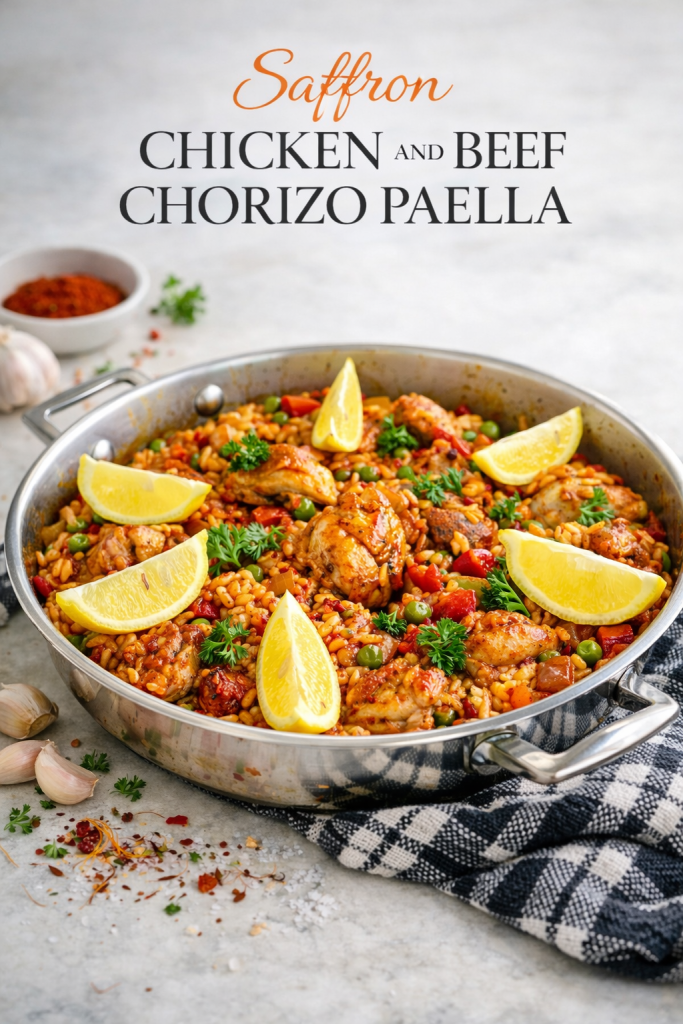
Saffron Chicken and Beef Chorizo Paella: An Easy One-Pan Spanish Recipe
INTRO
Have you ever stood over a steaming pan, that intoxicating aroma of saffron and smoked paprika wafting through your kitchen, and wondered if you could possibly create that magic at home? Today, I'm going to show you exactly how. This chicken and chorizo paella isn't just another weeknight dinner—it's a celebration in a pan, and it's about to become your secret weapon for both casual family meals and showstopping entertaining.
What makes this particular recipe so special? It's the perfect marriage of convenience and authenticity. While traditional paella demands a specific pan, a precise fire, and a level of patience that weeknight cooks simply don't have, this version delivers all the deep, complex flavors of the classic in just 45 minutes using nothing more than a humble skillet with a lid. No special equipment required. No hours of hovering. Just pure, unadulterated Spanish soul.
I've developed this recipe over countless iterations, testing it for the home cook who wants to impress without the stress. The secret lies in building layers of flavor—starting with perfectly browned chicken, followed by aromatic sofrito, and finished with that glorious, slightly toasted rice that paella is famous for. Trust me, by the time you squeeze that final lemon wedge over the finished dish, you'll wonder why you ever thought paella was just for restaurants.
THE HISTORY
To understand paella is to understand the very soul of Spanish cuisine. Born in the mid-19th century in the agricultural region of Valencia, paella began as the humble meal of farm laborers and field workers. They would cook rice over an open fire, mixing in whatever ingredients were available—tomatoes, onions, snails, and for special occasions, rabbit or duck. The word "paella" itself actually refers to the wide, shallow pan used to cook the dish, not the dish itself.
The original Valencian paella was a midday meal for farmworkers, cooked by the men over wood fires using orange tree branches for that subtle, citrus-infused smoke. They would eat directly from the pan, each person using their wooden spoon from their own side—a tradition that persists in parts of Spain today. It was practical, communal, and deeply rooted in the land.
As Spain modernized and tourism boomed in the 20th century, paella evolved. The coastal regions began adding seafood, creating the now-famous mixed paella. But perhaps the most significant evolution was the introduction of chorizo—a addition that remains controversial among purists. While you won't find chorizo in authentic Valencian paella, the Spanish cured sausage has become so beloved in international interpretations that it's now considered a classic variation in its own right. This recipe embraces that evolution, celebrating how traditional dishes adapt and grow as they travel across cultures.
Today, paella stands as Spain's most famous culinary export, a dish that transcends its humble origins to become a symbol of Spanish hospitality and joy. Every region, every family, every cook has their own version—and that's precisely the beauty of it.
Let's talk about what's actually happening in that pan, because understanding the science transforms you from a recipe follower into a true cook. The magic of this chicken and chorizo paella lies in several key chemical processes that work together in beautiful harmony.
First, the browning of the chicken. When that meat hits the hot oil, the Maillard reaction begins immediately—hundreds of amino acids and reducing sugars recombining to create that deep, savory crust and those complex, nutty flavors. This isn't just about color; it's about creating a flavor foundation that will permeate every grain of rice. And here's the critical part: you're not cooking the chicken through at this stage. You're building flavor while leaving the meat slightly underdone, knowing it will finish cooking gently in the broth, absorbing all those wonderful saffron and chorizo notes.
Speaking of chorizo, that beautiful red oil that renders out as it cooks? That's liquid gold. Spanish chorizo is cured and smoked, packed with pimentón (smoked paprika) that releases fat-soluble flavor compounds as it warms. When you sauté the chorizo after the vegetables, you're essentially creating a seasoned oil that will coat every grain of rice, ensuring that smoky, paprika flavor isn't just floating in the broth—it's adhered to the rice itself.
Now, the rice. Arborio rice, typically used for risotto, works beautifully here because of its high starch content. But here's where technique diverges dramatically from its Italian cousin. In risotto, you stir constantly to release that starch and create creaminess. In paella, you do the opposite. Once that rice hits the broth, you leave it completely alone. Why? Because the magic of paella is the socarrat—that slightly caramelized, almost crispy bottom layer of rice that forms when the liquid evaporates and the rice toasts against the pan. Stirring would prevent this entirely, giving you risotto when what you want is paella.
And that saffron? Those delicate threads are steeped in warm broth before being added, allowing their water-soluble compounds—particularly crocin and safranal—to fully release. Crocin provides that gorgeous golden hue, while safranal delivers the distinctive floral, honey-like aroma that defines authentic paella. Steeping them first ensures even distribution throughout the dish, so every bite carries that luxurious saffron essence.
One Appetizer: Pan con Tomate Before diving into the paella, set the stage with this impossibly simple Catalan classic. Toast rustic country bread, rub it with a cut garlic clove, then halved ripe tomatoes, allowing the juicy pulp to soak into the warm crust. A generous drizzle of good olive oil and a pinch of flaky salt transforms mere bread into something transcendent. The bright, fresh tomato cuts through the richness of the chorizo to come, while the garlic primes your palate for the deeper flavors ahead.
One Main Course: This is the main course! But if you're building a Spanish feast, consider serving it alongside a simple grilled fish—perhaps sea bass with lemon and olive oil—for those who want a lighter option alongside the hearty rice.
One Side Dish: Ensalada Verde con Naranjas A simple green salad with a twist: peppery arugula, bitter frisée, and segments of sweet orange, dressed with a sherry vinaigrette. The citrus cuts through the richness of the paella beautifully, while the bitterness of the greens provides a perfect counterpoint to the smoky, savory rice. Add some shaved Manchego cheese if you're feeling indulgent.
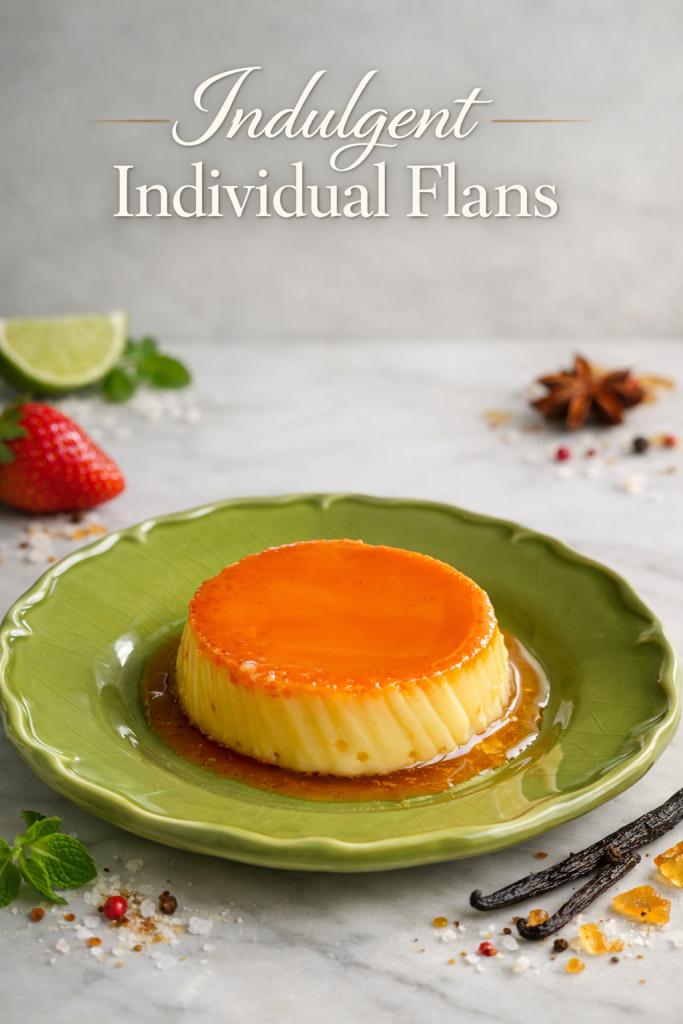
One Dessert: Flan de Naranja End the meal with this Spanish classic. The silky, caramel-topped custard infused with orange zest echoes the citrus notes from the paella's lemon wedges, while its creamy texture provides a luxurious contrast to the hearty rice dish. It's light enough to feel refreshing but satisfying enough to end the meal on a high note.
One Cocktail: Spanish Gin and Tonic Forget everything you know about gin and tonics. The Spanish version is a spectacle—a large balloon glass filled with ice, a generous pour of premium gin (try a London dry or a Spanish gin like Nordés), topped with high-quality tonic, and garnished dramatically with rosemary sprigs, pink peppercorns, and a strip of lemon peel. The botanicals complement the saffron and paprika beautifully, while the bubbles cut through the richness.
One Non-Alcoholic Drink: Agua de Valencia Originally a cocktail, this mocktail version captures the spirit. Mix fresh orange juice with sparkling water, a touch of simple syrup, and a splash of soda. Serve in a chilled glass with an orange wheel. It's refreshing, citrusy, and perfectly mirrors the lemon and parsley finish of the paella.
Transport your taste buds to Spain with this incredibly flavorful chicken and chorizo paella. Made in a single skillet with simple ingredients, it's the perfect weeknight dinner that tastes like a special occasion. Ready in 45 minutes!
Ingredients
1large pinch saffron threads (about 2 teaspoons)
1tablespoon chicken broth (for steeping saffron)
6boneless, skinless chicken thighs (or bone-in, skin-on for extra flavor)
Salt
freshly ground black pepper (to taste)
2tablespoons olive oil, divided
1medium yellow onion, small-diced (about 1 cup)
1red bell pepper, small-diced (about 1 cup)
4cloves garlic, minced
1teaspoon smoked paprika (pimentón)
8ounces Beef Spanish chorizo, sliced into ¼-inch rounds
3/2cups Arborio rice (or Bomba rice, if available)
1can diced tomatoes, drained slightly (15-ounce)
3cups low-sodium chicken broth
1cup frozen green peas (no need to thaw)
Fresh Italian parsley, chopped, for garnish
Lemon wedges, for serving
Instructions
1
Infuse the saffron. Place the saffron threads in a small bowl and cover with the 1 tablespoon of warm chicken broth. Set aside for at least 10 minutes to allow the saffron to bloom and release its color and aroma. This step is non-negotiable—don't rush it.
2
Season and sear the chicken. Pat the chicken thighs dry with paper towels (moisture is the enemy of browning). Season generously on both sides with salt and pepper. Heat 2 tablespoons of olive oil in a large 12-inch skillet or paella pan over medium-high heat until shimmering. Carefully place the chicken in the pan, skin-side down if using skin-on, and cook without moving for 6-8 minutes, until deeply golden brown. Flip and cook for another 5-6 minutes. The chicken won't be fully cooked through—that's perfectly fine. Transfer to a plate and set aside.
3
Build the sofrito. Reduce the heat to medium. If the pan looks dry, add another drizzle of olive oil. Add the diced onion and red bell pepper with a pinch of salt. Sauté for 5-6 minutes, scraping up any browned bits from the bottom of the pan (that's pure flavor). Add the minced garlic and smoked paprika and cook for 1 minute more until fragrant.
4
Render the chorizo. Add the sliced chorizo to the pan and cook for 3-4 minutes, stirring occasionally, until it begins to brown and releases its characteristic red oil. This oil is liquid gold—it will coat the rice and infuse every bite with smoky flavor.
5
Toast the rice. Add the Arborio rice and drained diced tomatoes to the pan. Stir everything together and cook for 2 minutes, allowing the rice to toast slightly and absorb some of those flavorful oils. Toasting the rice helps it maintain its texture during cooking.
6
Add the liquid. Pour in the 3 cups of chicken broth and the saffron with its steeping liquid. Stir gently to combine, then taste the broth and adjust salt and pepper as needed. Remember that the chorizo is already salty, so go easy.
7
Arrange and simmer. Bring the liquid to a light boil, then reduce the heat to low. Nestle the seared chicken thighs into the rice, pushing them down slightly so they're partially submerged. Scatter the frozen peas over the top. Cover the pan with a tight-fitting lid and let it cook undisturbed for 25 minutes. Here's the crucial part: do not stir. Stirring releases the rice's starch and will give you creamy risotto, not distinct grains of paella. Trust the process.
8
Rest and finish. After 25 minutes, remove the pan from the heat but keep it covered. Let it rest for 5-10 minutes. During this time, the rice will absorb any remaining liquid and steam to perfection. The bottom should have a light crust—the coveted socarrat. If you want a more pronounced crust, uncover the pan and let it sit over very low heat for 2-3 minutes, listening for a gentle crackling sound.
9
Serve with ceremony. Garnish generously with fresh chopped parsley and arrange lemon wedges around the pan. Squeezing fresh lemon juice over individual servings just before eating is essential—it brightens all the rich, smoky flavors and ties everything together. Serve directly from the pan for maximum rustic appeal.
Nutrition Facts
Servings 6
Amount Per Serving
Calories619kcal
% Daily Value *
Total Fat28g44%
Saturated Fat9g45%
Sodium890mg38%
Total Carbohydrate52g18%
Dietary Fiber4g16%
Sugars7g
Protein38g76%
Vitamin C 35 mg
Iron 4 mg
* Percent Daily Values are based on a 2,000 calorie diet. Your daily value may be higher or lower depending on your calorie needs.
Note
Pro Tips for Success:
Use the right chorizo. This recipe calls for cured Spanish chorizo (the firm, sliceable kind), not fresh Mexican chorizo. Spanish chorizo is already cooked and cured, so it holds its shape and releases flavorful oil. Mexican chorizo is raw and would turn the dish into a greasy, crumbly mess.
Rice matters. Arborio works beautifully and is widely available, but if you can find Bomba or Calasparra rice (the traditional Spanish paella rices), use it. These short-grain varieties absorb more liquid while staying firm, giving you that perfect al dente texture. You may need to increase the cooking liquid slightly and extend the cooking time by 5-10 minutes.
Don't skip the resting period. This isn't just for convenience—it's essential for the rice to finish absorbing liquid and for the flavors to meld. A covered 10-minute rest transforms good paella into great paella.
The socarrat secret. If you want that coveted crispy bottom layer, after the 25-minute cooking time, increase the heat to medium-high for 1-2 minutes while listening carefully. When you hear a faint crackling sound, remove it immediately from heat. This toasts the bottom without burning.
Make-Ahead and Storage:
Make ahead: You can prepare the sofrito and sear the chicken up to 24 hours in advance. Store separately in the refrigerator, then bring to room temperature before proceeding with the recipe. Add 5 minutes to the cooking time if starting from cold.
Storage: Leftovers keep well in an airtight container in the refrigerator for up to 3 days.
Reheating: The best way to reheat paella is in a skillet over medium-low heat with a splash of chicken broth or water. Cover and heat gently for 5-7 minutes until warmed through. This helps re-steam the rice without drying it out. Microwaving works but can make the rice slightly gummy.
Freezing: While you can freeze paella, the texture of the rice will suffer slightly upon thawing. If you must freeze, do so in an airtight container for up to 2 months. Thaw overnight in the refrigerator and reheat using the skillet method above.
Substitutions:
Chicken: Boneless, skinless chicken breasts work but can dry out more easily. Reduce the initial searing time slightly and check for doneness earlier. Bone-in, skin-on thighs add more flavor but require longer cooking—ensure they reach 165°F internally.
Rice: If you don't have Arborio, use another short-grain rice like sushi rice or Valencia rice. Long-grain rice (like jasmine or basmati) won't give the same creamy-yet-firm texture and should be avoided.
Chorizo: For a milder version, use half chorizo and half mild Italian sausage. For a spicier kick, look for picante (spicy) Spanish chorizo.
Saffron: There's really no substitute for saffron's unique flavor, but if you're in a pinch, ½ teaspoon of ground turmeric will provide similar golden color (though the flavor will be entirely different). For a more authentic but still affordable option, use 1 teaspoon of saffron powder mixed with a pinch of turmeric.
Troubleshooting:
Rice is undercooked and liquid is gone: Add ¼ cup of hot chicken broth, cover, and cook on low for an additional 5-7 minutes.
Rice is mushy: This usually happens from stirring during cooking. For next time, resist the urge! For now, spread the paella on a baking sheet and toast lightly in a 350°F oven for 5-10 minutes to dry it out slightly.
No socarrat (crispy bottom): Next time, after the 25-minute simmer, increase heat to medium-high for the final 1-2 minutes. Listen for that crackling sound.
Chicken is undercooked: If the rice is done but the chicken needs more time, remove the chicken, cover the rice to keep warm, and finish the chicken in a separate skillet over medium heat until cooked through.
Keywords:
chicken and chorizo paella, easy paella recipe, spanish paella with chicken, one pan paella, skillet paella, chorizo and chicken rice, saffron rice recipe, spanish rice dish, weeknight paella, entertaining dinner, one pot meal, gluten free dinner, how to make paella, authentic paella recipe, paella for beginners, spanish chicken recipe, chorizo recipe, rice dinner ideas, date night dinner, spanish cuisine,
Regional Variations: The Many Faces of Paella
While this chicken and chorizo version has become beloved worldwide, exploring Spain's regional paella traditions reveals just how versatile this dish truly is.
Paella Valenciana: The original and most traditional version, featuring rabbit, chicken, sometimes snails, and local green beans (ferraura) and white beans (garrofón). No seafood, no chorizo—just the pure, honest flavors of the Valencian countryside.
Paella de Marisco: The seafood lover's dream, loaded with prawns, mussels, clams, squid, and sometimes lobster. The broth is often made with fish stock instead of chicken, and the rice absorbs all that briny, oceanic goodness.
Paella Mixta: The compromise that pleases everyone—a combination of meat (usually chicken and sometimes chorizo) and seafood. This is what most tourists encounter and what many Americans think of as "traditional" paella.
Arroz Negro: Not technically a paella but cooked in the same style, this striking black rice gets its dramatic color from squid ink. It's typically served with alioli and is a specialty of the Catalan coast.
The Chorizo Debate: A Note on Authenticity
You may encounter passionate opinions about whether chorizo belongs in paella. Traditionalists will tell you that authentic Valencian paella never includes chorizo—and they're absolutely correct. So why include it here?
Because authenticity and deliciousness aren't always the same thing. As Spanish food expert and author José Andrés has noted, chorizo in paella is an international evolution, not a traditional one—but that doesn't make it wrong. Food evolves. Dishes change as they travel, adapting to local ingredients and palates. This version embraces that evolution while respecting the techniques and principles that make paella special: the sofrito, the socarrat, the communal spirit.
Think of this recipe as a loving homage, not a strict historical reenactment. It's paella as interpreted through the lens of the modern home cook—accessible, flavorful, and utterly satisfying. And if you ever find yourself in Valencia, by all means, order the authentic version. But here in your kitchen, with the smell of saffron and chorizo filling the air, this is exactly the paella you want to be making.
The Art of the Socarrat
The most prized part of any paella isn't the chicken, the seafood, or even the rice itself—it's the socarrat, that thin layer of caramelized rice that forms on the bottom of the pan. In Spain, family members might even playfully fight over who gets to scrape it up.
Achieving the perfect socarrat requires understanding heat and patience. As the liquid absorbs and evaporates during the final minutes of cooking, the rice at the bottom begins to toast rather than steam. The key is listening—when you hear a gentle crackling or popping sound, the socarrat is forming. At this moment, you must remove the pan from heat immediately, because the line between perfect socarrat and burnt rice is razor-thin.
If you're nervous about attempting it, simply skip this step. Your paella will still be wonderful. But if you're feeling adventurous, listen for that crackle—it's the sound of magic happening.