INTRO
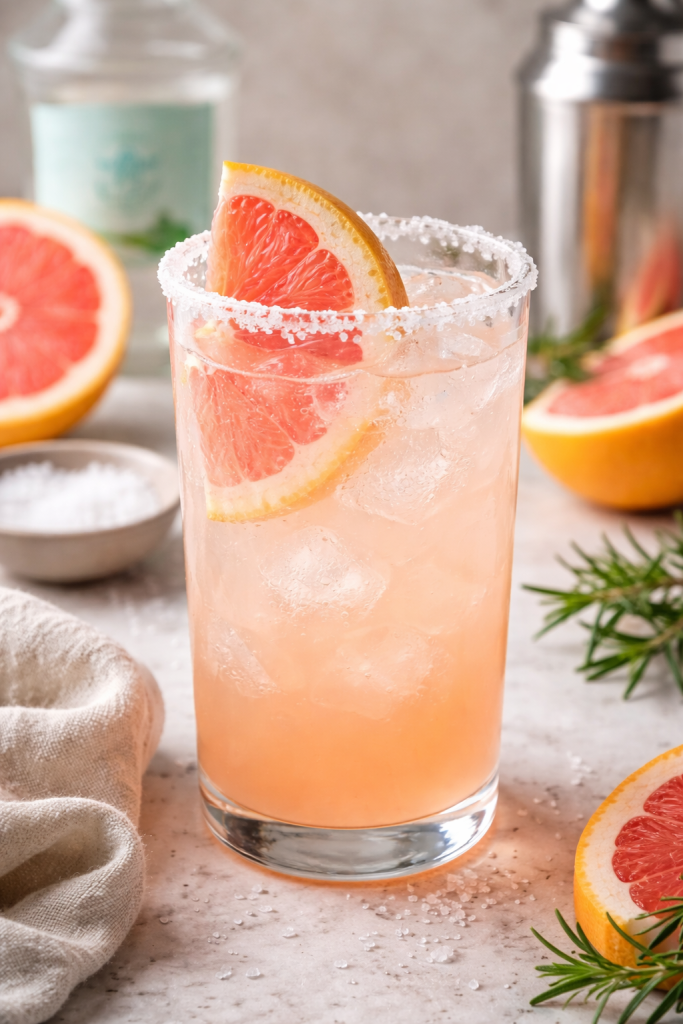
Is there anything more welcoming than the sight of a frosty glass with a gleaming salt rim, filled with a blushing pink elixir? That’s the salty dog cocktail, a drink that promises refreshment in every single sip. It’s the kind of cocktail that instantly transports you—whether you’re lounging on a sunny patio or just trying to bring a little of that vacation vibe home.
This recipe is for the classic salty dog cocktail: a simple, stunning blend of gin and fresh grapefruit juice, served over ice in a salt-rimmed glass. It’s a study in contrasts—bright and bitter, smooth and salty—that creates something incredibly moreish. In this post, we’ll not only show you how to build the perfect salty dog cocktail, but we’ll also dive into the fascinating history behind this mid-century classic and explore the science of why that salt rim is so much more than just a garnish. We believe the key to an unforgettable salty dog lies in two things: using freshly squeezed grapefruit juice and mastering the art of the salt rim. Trust us, it makes all the difference.
THE HISTORY
The story of the salty dog cocktail is really the story of two cocktails: the Greyhound and its salt-rimmed offspring. The Greyhound, a simple mix of gin and grapefruit juice, has been around since at least the 1930s according to Difford's Guide. It was a light, refreshing highball that gained popularity as gin became a staple in American home bars. Some legends even trace its roots further back, suggesting American soldiers during Prohibition would mix grapefruit juice with bathtub gin to mask the harsh flavors.
The salty dog cocktail as we know it today was born in the 1950s, and its creation is often attributed to the entertainer George Jessel. The story goes that Jessel, a fan of the Greyhound, found the grapefruit juice to be a bit too tart and bitter for his palate. In a moment of culinary genius, he asked the bartender to salt the rim of the glass, a trick commonly used in Mexico to enhance the flavor of tequila and fruit. This simple addition transformed the drink. The salt didn't just add a new flavor; it actively tamed the grapefruit's bitterness, making the fruit's natural sweetness more prominent. By the 1970s, the drink had evolved further, with many bartenders and drinkers swapping the gin for the increasingly popular vodka, and opting for the sweeter juice of pink grapefruits over the original white variety. Today, the salty dog cocktail stands as a testament to how a single, thoughtful tweak can turn a simple recipe into a timeless classic.
THE SCIENCE
Why does a sprinkle of salt make a tart grapefruit taste sweeter? It’s not magic; it’s chemistry. The key players here are your taste buds and how they interact with different compounds. Grapefruit gets its characteristic bitter-pucker from compounds like naringin, while its sourness comes from citric acid. When you add salt to the equation, a phenomenon called "salt-induced suppression of bitterness" occurs, a concept well-documented by the American Chemical Society. The sodium ions in the salt interfere with our perception of bitter tastes, effectively turning down the volume on those harsh notes. This allows the fruit's natural sugars and sweeter flavor compounds to shine through, making the juice taste brighter, sweeter, and more well-rounded.
But the science doesn't stop with the salt. The choice of spirit also plays a crucial role. Gin, with its complex botanical blend of juniper, coriander, and citrus peels, adds a layer of herbal complexity that complements the grapefruit's natural terpenes (aromatic compounds also found in plants). Vodka, on the other hand, is chosen for its neutrality. It provides the alcoholic kick and a smooth mouthfeel without competing for flavor, allowing the grapefruit to remain the star of the show. The acidity in the fresh grapefruit juice is also vital. It doesn't just provide flavor; it physically "cuts through" the ethanol, taming the burn of the alcohol and creating a much smoother, more refreshing sip. It’s a perfect balance where every ingredient has a critical job to make your salty dog cocktail irresistible.
GOOD PAIRING FOOD AND DRINK
The salty dog cocktail’s bright, bitter, and salty profile makes it a fantastically versatile partner for food. It’s like a palate cleanser and an appetite stimulant all in one. Here are some perfect pairings:
- One Appetizer: Oysters on the Half Shell. The briny, mineral flavor of a fresh oyster is a natural companion to the salted rim of the cocktail. A squeeze of lemon on the oyster echoes the grapefruit's citrus, while the cocktail’s acidity cuts through the oyster's richness, creating a taste of the sea in every sip and bite.
- One Main Course: Grilled Shrimp Tacos with Cabbage Slaw. The light, charred flavor of grilled shrimp is a fantastic match for the cocktail's citrus notes. A creamy, tangy slaw provides a textural contrast, and the drink's high acidity is perfect for cutting through any creamy sauces or avocado, keeping each bite feeling fresh.
- One Side Dish: Spicy Watermelon and Feta Salad. This salad is a flavor symphony that mirrors the salty dog itself. Sweet watermelon, salty feta cheese, and a hint of fresh chili or black pepper create the same sweet-salty-spicy dynamic. The salty dog cocktail will echo the saltiness of the feta and the freshness of the melon.
- One Dessert: Lemon or Grapefruit Olive Oil Cake. A simple, rustic olive oil cake is dense and moist but not overly sweet. Using grapefruit or lemon zest in the batter creates a citrus-forward dessert that complements rather than competes with the cocktail. The olive oil adds a savory richness that stands up to the drink's botanical notes, especially if you're using gin.
- One Cocktail: A Classic Gin & Tonic. If you're serving a round of salty dog cocktails, offer a classic G&T as an alternative. The quinine bitterness of the tonic is a different kind of bitter than the grapefruit, and the shared botanical notes of the gin will create a lovely, cohesive theme for your evening.
- One Non-Alcoholic Drink: "No-Jito" (Mocktail Mojito). Muddle fresh mint, lime wedges, and a teaspoon of simple syrup in a glass. Fill with crushed ice and top with soda water. The refreshing mint and lime offer a similar bright, palate-cleansing experience as the salty dog, making it a perfect sophisticated sip for designated drivers.