
Discover the viral 3-ingredient mozzarella mashed potatoes recipe. Creamy, cheesy, and incredibly easy—this side dish will steal the spotlight at any meal.
INTRO
Have you scrolled through social media lately and noticed a creamy, cheesy potato dish taking over your feed? That is the magic of 3-ingredient mozzarella mashed potatoes, and today I am showing you why this simple combination has become a viral sensation.
These 3-ingredient mozzarella mashed potatoes deliver maximum comfort with minimal effort. Potatoes, mozzarella, and a touch of butter transform into something far greater than the sum of their parts. The result is silky, stretchy, and utterly irresistible. No complicated techniques. No long ingredient lists. Just pure potato perfection.
Let me walk you through the history, the science, and every step to achieve mashed potato greatness.
THE HISTORY
Mashed potatoes themselves have a long and storied history. The potato arrived in Europe from South America in the 16th century, but it took several hundred years for cooks to perfect the art of mashing. French chef Antoine Parmentier, who spent years as a prisoner in Prussia surviving on potatoes, dedicated his life to popularizing the tuber in French cuisine during the late 1700s . His influence helped transform the potato from animal feed to haute cuisine.
The addition of mozzarella to mashed potatoes represents a more recent innovation. Mozzarella originated in Italy, specifically the region around Naples, where water buffalo provided the rich milk for this stretchy, mild cheese. For centuries, Italians protected this cheesemaking tradition. According to The History of Mozzarella, the first documented mention of mozzarella dates to the 12th century, when it was already prized for its delicate flavor and unique texture.
The fusion of these two ingredients—the humble potato and the elegant mozzarella—reflects a broader trend in modern home cooking. We crave comfort food with a twist. We want the familiar creaminess of mashed potatoes but with that irresistible cheese pull that makes every bite exciting. This dish bridges European culinary traditions while feeling completely contemporary.
THE SCIENCE
Understanding what happens when you combine potatoes and mozzarella helps you achieve the perfect texture every time.
Starch Structure: Potatoes contain two types of starch: amylose and amylopectin. When you boil potatoes, these starches absorb water and swell. As Serious Eats explains, this process gelatinizes the starches, creating that soft, mashable texture. Waxy potatoes like Yukon Gold contain less starch and more moisture, resulting in creamier mashes. Russet potatoes have more starch and produce fluffier results.
The Cheese Factor: Mozzarella belongs to the pasta filata family of cheeses, meaning “spun paste.” During production, cheesemakers heat the curds and stretch them, aligning the protein strands. This process gives mozzarella its characteristic stretch. When you melt mozzarella into hot mashed potatoes, the proteins relax and reform, creating those beautiful cheese pulls . The fat in the cheese also coats your tongue, enhancing the perception of creaminess.
Moisture Balance: The key challenge with this recipe lies in moisture control. Potatoes release steam as you mash them. Mozzarella contains water too. If you add too much cheese too quickly, you risk ending up with a soupy mess. Letting the potatoes sit briefly after draining allows excess steam to escape, ensuring your final dish stays thick and luxurious rather than wet and gluey.
GOOD PAIRING FOOD AND DRINK
One Appetizer: Crispy Prosciutto-Wrapped Asparagus
The salty, crunchy prosciutto contrasts beautifully with the creamy potatoes. Asparagus adds a fresh, vegetal note that cuts through the richness. Roll thin asparagus spears in prosciutto and bake until crisp.
One Main Course: Herb-Crusted Roasted Chicken
A simple roasted chicken with garlic and herbs complements the cheesy potatoes perfectly. The savory, crispy skin and juicy meat provide protein and texture without overwhelming the star side dish.
One Side Dish: Garlic Sautéed Green Beans with Lemon
Bright, acidic green beans with fresh lemon zest cleanse your palate between bites of rich, cheesy potatoes. The garlic echoes the savory notes while the lemon adds brightness.
One Dessert: Classic Tiramisu
End the meal with another Italian-inspired favorite. The coffee and cocoa flavors contrast with the savory meal, while the creamy mascarpone echoes the richness of the potatoes in a completely different way.
One Cocktail: Limoncello Spritz
Mix limoncello, prosecco, and a splash of soda water for a bright, refreshing cocktail. The citrus cuts through the richness, and the bubbles refresh your palate. Serve over ice with a lemon twist.
One Non-Alcoholic Drink: Sparkling Water with Lemon and Mint
Simple, clean, and endlessly refreshing. The effervescence and citrus notes provide the perfect counterpoint to the creamy, cheesy potatoes without competing for attention.

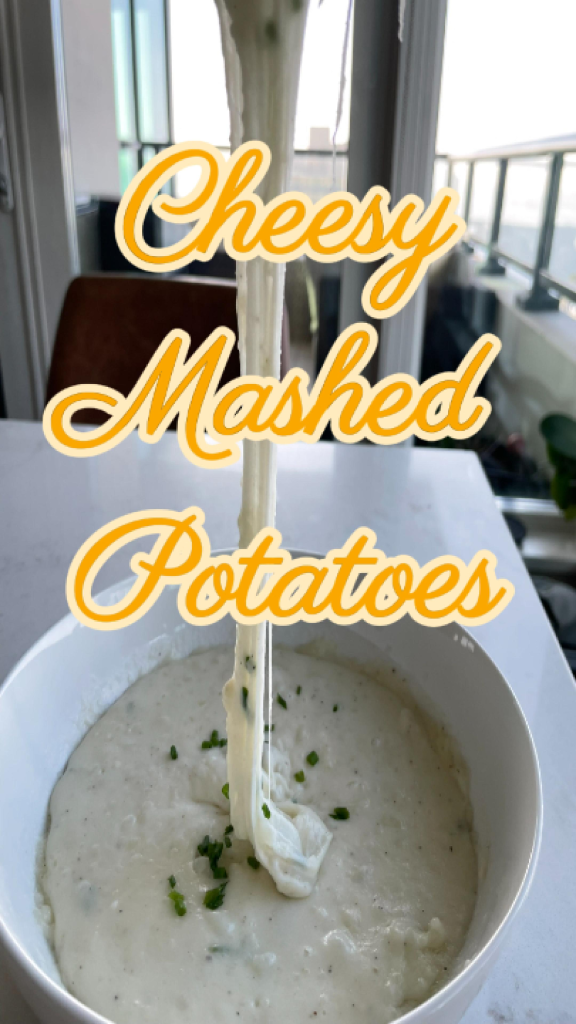
Description
Just three ingredients—potatoes, heavy cream, and mozzarella—transform into the creamiest, most decadent mashed potatoes you've ever tasted. The secret? Hot cream and the perfect melting cheese create an irresistibly stretchy texture that will have everyone asking for your recipe. Ready in 30 minutes.
Ingredients
For the Potatoes:
For the Cream and Cheese:
For Garnish (Optional):
Instructions
Step 1: Prepare and Boil the Potatoes
-
Peel the potatoes and cut them into uniform 1½-inch cubes. Uniform size matters here—if your pieces are different sizes, they'll cook at different rates, leaving you with some overcooked and some undercooked chunks.
Place the cubed potatoes in a medium to large pot and cover them with cold water by about an inch. Add a generous pinch of salt—the water should taste like the sea. Salting the water from the beginning seasons the potatoes from the inside out, rather than just adding salt at the end.
Bring the water to a boil over high heat, then reduce to a simmer. Cook for 15-20 minutes, until the potatoes are fork-tender. To test, pierce a cube with a fork or knife; it should slide in easily with no resistance, and the potato should start to fall apart slightly.
Crucial step: Drain the potatoes immediately and thoroughly. Leave them in the colander for a full minute to allow excess steam to escape. Excess water is the enemy of creamy mashed potatoes—it dilutes flavor and prevents the cream from properly emulsifying.
Step 2: Warm the Cream
-
While the potatoes cook, warm the heavy cream. You can do this in a small saucepan over medium heat, stirring occasionally, until steam rises from the surface and small bubbles form around the edges. Do not let it boil—boiling can cause the cream to separate or scald.
Alternatively, microwave the cream in a microwave-safe container for 45-60 seconds until steaming hot. Set aside but keep warm.
Step 3: Mash with Hot Cream
-
Return the drained potatoes to the same pot you cooked them in (the pot is still warm, which helps). Pour the hot cream over the potatoes immediately.
Using a potato masher or a sturdy fork, mash vigorously until the potatoes are smooth and creamy. Work quickly—you want to incorporate the cream while everything is still hot. Stop mashing as soon as the potatoes are smooth; over-mashing can release too much starch and make them gummy.
Visual cue: The potatoes should look glossy, smooth, and slightly loose—they'll tighten up when the cheese goes in.
Step 4: Add the Mozzarella
-
Immediately add the shredded mozzarella to the hot potato mixture. Switch to a sturdy wooden spoon or silicone spatula.
Stir continuously but gently, folding the cheese into the potatoes. Watch as the cheese melts, first becoming soft and gooey, then integrating fully into the potatoes. As you stir, you'll notice the mixture becoming more cohesive and—magically—starting to stretch.
Continue stirring for about 1-2 minutes, until no white streaks of unmelted cheese remain and the potatoes have transformed into a smooth, elastic, unified mass. Lift your spoon; you should see long, beautiful cheese strands stretching from the pot.
What NOT to do: Don't stop stirring too soon. Under-mixed potatoes will have pockets of unmelted cheese. Don't return the pot to the heat—the residual heat is exactly right for melting without breaking.
Step 5: Taste, Garnish, and Serve
-
Taste the potatoes and add salt if needed. Remember that mozzarella is already salty, so you may not need much.
Transfer to a warm serving bowl. Garnish with fresh chopped chives, a crack of black pepper, and a sprinkle of flaky sea salt if desired. Serve immediately—these potatoes are at their absolute best right after making, when the cheese is still beautifully stretchy and the texture is perfect.
Nutrition Facts
Servings 3
- Amount Per Serving
- Calories 425kcal
- % Daily Value *
- Total Fat 28g44%
- Saturated Fat 17g85%
- Sodium 420mg18%
- Potassium 780mg23%
- Total Carbohydrate 30g10%
- Dietary Fiber 3g12%
- Sugars 2g
- Protein 14g29%
- Vitamin A 950 IU
- Calcium 380 mg
- Iron 1.2 mg
* Percent Daily Values are based on a 2,000 calorie diet. Your daily value may be higher or lower depending on your calorie needs.
Note
Pro Tips for Success
- Use Russet potatoes. Their high starch content creates the fluffiest, creamiest texture. Waxy potatoes like red or Yukon Gold will work but won't be as light and absorbent.
- Shred your own mozzarella. Pre-shredded cheese contains anti-caking agents (like cellulose or potato starch) that can prevent smooth melting. A block of low-moisture mozzarella shredded at home melts much more evenly and stretches better.
- Work quickly and keep everything hot. The entire process from draining to cheese incorporation should happen in about 5 minutes. If things cool down, the cheese won't melt properly.
- Don't skip warming the cream. Cold cream will cool the potatoes and can lead to lumps. Warm cream integrates immediately and keeps the temperature high for melting.
- Serve immediately. These potatoes are at their peak right after making. If they sit, the cheese can firm up and lose that spectacular stretch.
Make-Ahead Instructions
These potatoes are truly best fresh, but if you must prepare ahead:
- Option 1: Make the potatoes through Step 3 (mashed with cream only). Cover and refrigerate for up to 24 hours. When ready to serve, reheat gently in a pot over low heat, then add the cheese and stir until melted and stretchy.
- Option 2: Make the full recipe, let cool, and refrigerate in an airtight container for up to 3 days. To reheat, place in a microwave-safe bowl and microwave in 30-second intervals, stirring between each, until hot. The texture won't be quite as perfect—the cheese may become slightly less stretchy—but it's still delicious.
Storage and Reheating
- Refrigerator: Store leftovers in an airtight container for up to 4 days.
- Freezer: Not recommended—the cheese can become grainy and the potatoes watery upon thawing.
- Reheating: For best results, reheat in a saucepan over low heat with a splash of warm cream or milk, stirring constantly until hot. The microwave works in a pinch but may affect texture.
Substitutions
- Potatoes: Yukon Gold potatoes work well and add their own buttery flavor. Avoid waxy potatoes like Red Bliss or new potatoes—they won't achieve the same fluffy texture.
- Heavy cream: Half-and-half can substitute, though the potatoes will be slightly less rich. Whole milk is possible but will result in thinner potatoes—add cheese gradually and stop if mixture seems loose.
- Mozzarella: Low-moisture mozzarella is specifically recommended for its stretching properties. Fresh mozzarella contains too much water and can make potatoes soggy. Other good melting cheeses include:
- Provolone: Similar stretch, slightly sharper flavor
- Fontina: Excellent melt, nutty flavor
- Young Gouda: Melts well, adds mild sweetness
- Cheddar: Will melt but won't stretch the same way; flavor will be sharper
- Dairy-free version: This recipe is challenging to replicate dairy-free because both cream and cheese are essential. However, full-fat canned coconut cream combined with a good melting vegan mozzarella (like Miyoko's or Violife) could work in theory—test at your own risk.
Troubleshooting
- Potatoes are gummy: You likely over-mashed them or used a food processor (never use a food processor for mashed potatoes—it turns them into glue). Next time, mash just until smooth and stop.
- Cheese isn't melting: Your potatoes or cream weren't hot enough. Ensure cream is steaming hot and add cheese immediately after mashing. If cheese still isn't melting, you can return the pot to low heat for 30-60 seconds, stirring constantly.
- Potatoes are too thin: You may have added too much cream or not drained the potatoes well enough. Next time, start with slightly less cream and add more as needed.
- Potatoes are too thick: Stir in additional warm cream, a tablespoon at a time, until desired consistency is reached.
- No cheese pull: You may have used fresh mozzarella or pre-shredded cheese with anti-caking agents. Switch to low-moisture mozzarella shredded from a block.
Ingredient Sourcing
- Russet potatoes: Available at any grocery store. Look for firm potatoes with no green spots or sprouts.
- Low-moisture mozzarella: Found in the deli or cheese section, usually near other block cheeses. Avoid the fresh mozzarella balls packed in water.
- Heavy cream: In the dairy section. For best results, choose a brand without additives or stabilizers.