
INTRO
Have you ever watched a dinner guest who claims to hate Brussels sprouts take their first bite of these caramelized little orbs, only to pause, look up with widened eyes, and reach for another? That moment never gets old. I’ve lost count of how many sprout skeptics I’ve converted with this recipe for roasted balsamic Brussels sprouts, a dish that transforms humble cabbage relatives into something utterly irresistible.
What makes these particular roasted balsamic Brussels sprouts so special isn’t complicated—it’s the perfect storm of high heat, good fat, and that final glossy hit of syrupy vinegar. Adapted from Ina Garten’s Foolproof approach (the Barefoot Contessa rarely steers us wrong), this version gives you options: crispy pancetta if you’re feeling indulgent, or a straight-up vegetarian version that’s just as crave-worthy. The magic happens in that hot oven, where flat-cut surfaces brown and caramelize while the interiors steam to tender perfection. Then comes the balsamic—drizzled on hot sprouts so it glazes every nook and cranny, adding sweet-tangy depth that makes these vegetables taste downright decadent.
I originally served these alongside mustard-roasted chicken for a dinner party, starting with creamy burrata on crusty bread and ending with Balzano apple cake. But honestly? These sprouts have a way of stealing the show all on their own.

THE HISTORY
Despite their prominent place on modern American tables, Brussels sprouts have been around for centuries—long before we started roasting them and drizzling them with balsamic. These miniature cabbages (yes, they’re the same species, Brassica oleracea) were first widely cultivated in ancient Rome, but their name points to 13th-century Belgium, where they became a staple crop in the region that’s now Brussels. Farmers in the Low Countries prized them for their ability to survive winter frosts, which actually improves their flavor by converting starches to sugars.
Brussels sprouts didn’t make their way to the United States until the 1800s, when French settlers brought them to Louisiana. California’s coastal climate—cool and foggy—proved ideal for commercial cultivation, and by the early 20th century, the state was growing them in earnest. But for decades, American cooks treated them with suspicion, usually boiling them into sulfuric mush that gave these vegetables their bad reputation. The bitterness that turned generations of children against Brussels sprouts comes from glucosinolates, compounds that break down into bitter-tasting isothiocyanates when overcooked.
The roasted balsamic Brussels sprouts revolution began in earnest in the early 2000s, when chefs and home cooks alike discovered that high-heat roasting transformed the humble sprout. Restaurants started serving them blistered and caramelized, often with tangy reductions or salty pork. The balsamic vinegar trend in American cooking—which took off in the 1980s and 1990s as aged Italian vinegars became widely available—found its perfect vegetable partner. Today, this combination has become a modern classic, the dish that finally convinced a generation that Brussels sprouts aren’t just edible—they’re worth craving.
Balsamic Vinegar History and Production
Link: Traditional balsamic vinegar – Wikipedia
THE SCIENCE
Understanding what happens in the oven explains why these roasted balsamic Brussels sprouts work so beautifully—and why that 400°F heat isn’t arbitrary. The transformation involves three key processes: the Maillard reaction, caramelization, and the magic of vinegar reduction.
When Brussels sprouts hit that hot baking sheet, their cut surfaces come into direct contact with heated metal and oil. The Maillard reaction—that complex chemical dance between amino acids and reducing sugars—kicks in around 285°F, creating hundreds of new flavor compounds and that deep, savory browned color. This isn’t just about color; it’s about developing the nutty, almost meaty notes that make roasted vegetables so satisfying. Meanwhile, the natural sugars in the sprouts begin to caramelize at higher temperatures, adding sweetness that balances their inherent bitterness.
Here’s where the science of texture comes in: Brussels sprouts contain significant water—like most vegetables—and that water needs somewhere to go. The high oven temperature drives moisture from the exterior layers while the interior steams, creating that perfect contrast between crispy, browned leaves and tender centers. Leaving the loose leaves on the pan isn’t just aesthetic; those thin leaves crisp up like vegetable chips, adding textural variety.
The balsamic vinegar plays a fascinating dual role. When you reduce standard balsamic by half, you’re concentrating both flavor and sugar while driving off water. The vinegar’s acetic acid becomes more pronounced, but so do its natural grape sugars. This reduction creates viscosity through concentration—not added thickeners—so it clings to the hot sprouts rather than running off. Drizzling it on immediately after roasting means the residual heat gently warms the syrup, allowing it to coat every surface without continuing to cook the sprouts. The acid cuts through the richness of olive oil (and pancetta, if using), while the sweetness echoes the caramelized notes from roasting. It’s chemistry you can taste.
The Science of Roasting Brassicas (Maillard Reaction)
Link: Introducing cruciferous vegetables to our breakfast table – University of Sydney
Complete Guide to Balsamic Vinegar Types and Uses
Link: Everything You Wanted to Know About Balsamic Vinegar – Simply Recipes
GOOD PAIRING FOOD AND DRINK
One Appetizer: Creamy burrata with sea salt and crusty peasant bread
The cool, luscious creaminess of burrata provides the perfect counterpoint to these caramelized, tangy-glazed sprouts. Spread that milky cheese on warm bread, and you’ve created a textural and temperature contrast that makes each bite of sprouts that follows taste even more vibrant. The burrata’s mildness lets the bold balsamic flavor shine without competition.
One Main Course: Mustard-roasted chicken thighs
This pairing is battle-tested from that dinner party I mentioned—the mustard’s tangy heat echoes the balsamic’s acidity while the crispy chicken skin provides another layer of savory satisfaction. The chicken juices mingle with any stray balsamic glaze on the plate, creating an impromptu sauce that’s absolutely worth sopping up with bread.
One Side Dish: Creamy polenta or mashed potatoes
A soft, buttery starch underneath these roasted balsamic Brussels sprouts catches every drop of that vinegar glaze. The creamy base tones down the vinegar’s sharp edges while letting the sprouts’ caramelized flavor take center stage. Plus, the contrast between creamy and crispy textures is pure pleasure.
One Dessert: Balzano apple cake or simple poached pears
After the savory-sweet tang of balsamic sprouts, something fruity and not-too-sweet feels right. A rustic apple cake echoes the vinegar’s fruity origins (since good balsamic comes from grapes) without overwhelming the palate. If you’ve used aged balsamic, the connection is even clearer—those same grape notes appear in both courses.
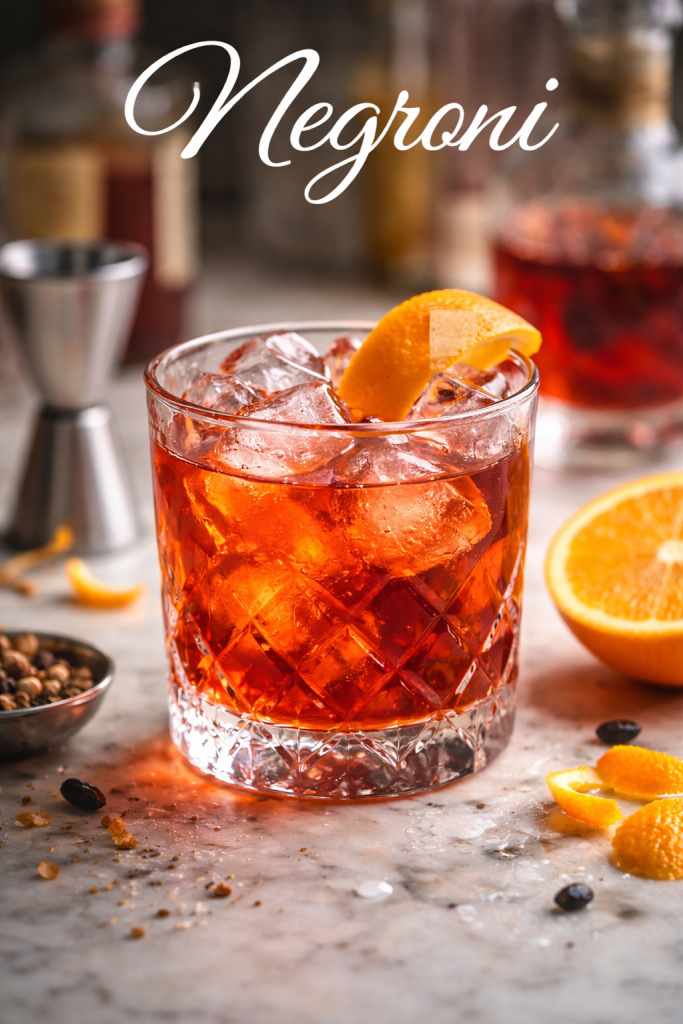
One Cocktail: Boulevardier or Negroni
The bitter-sweet complexity of a whiskey-or-gin-based Italian cocktail mirrors the sprouts’ flavor profile—bitter edges softened by sweetness, with herbal notes that complement the vegetable’s natural character. The Campari or Aperol in these drinks shares flavor compounds with the reduced balsamic, creating harmony sip after bite.
One Non-Alcoholic Drink: Sparkling water with lemon and a splash of pomegranate juice
The bright acidity and slight tannic structure of pomegranate echoes aged balsamic’s complexity, while bubbles refresh the palate between bites. It’s sophisticated enough for dinner parties but simple enough for weeknights.

Description
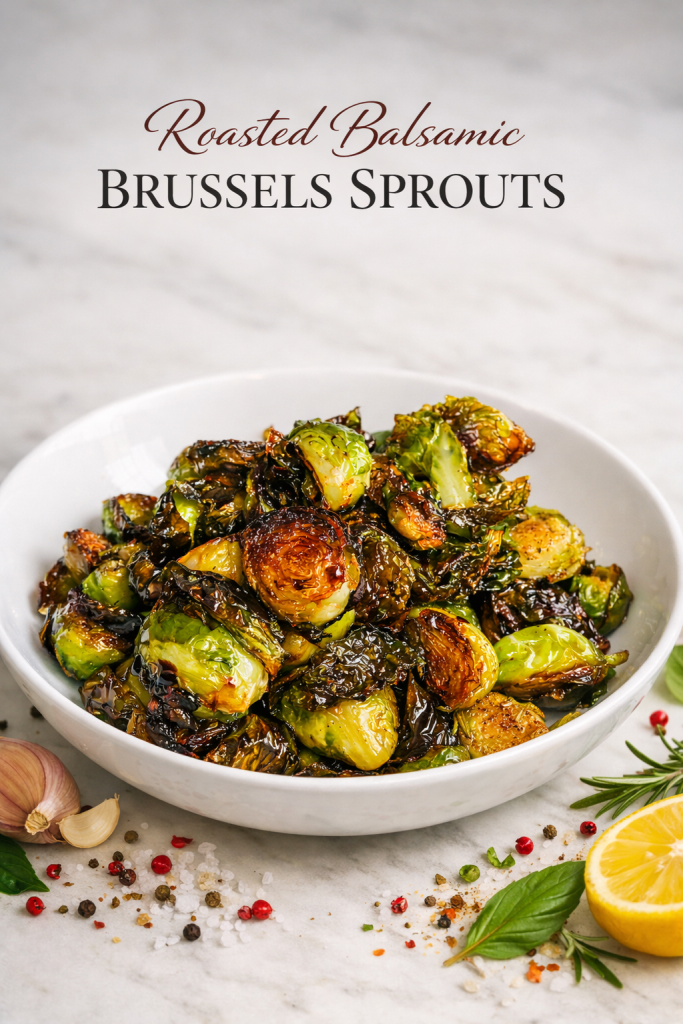
These roasted balsamic Brussels sprouts achieve the perfect balance of crispy browned edges and tender centers, all glazed with a sweet-tangy vinegar reduction. Whether you add crispy pancetta or keep them vegetarian, this foolproof recipe delivers restaurant-quality results with minimal effort.
Ingredients
For the balsamic glaze:
Instructions
-
Preheat your oven to 400°F (200°C). If your oven runs cool or you want extra browning, 425°F works beautifully too. Position a rack in the center of the oven.
-
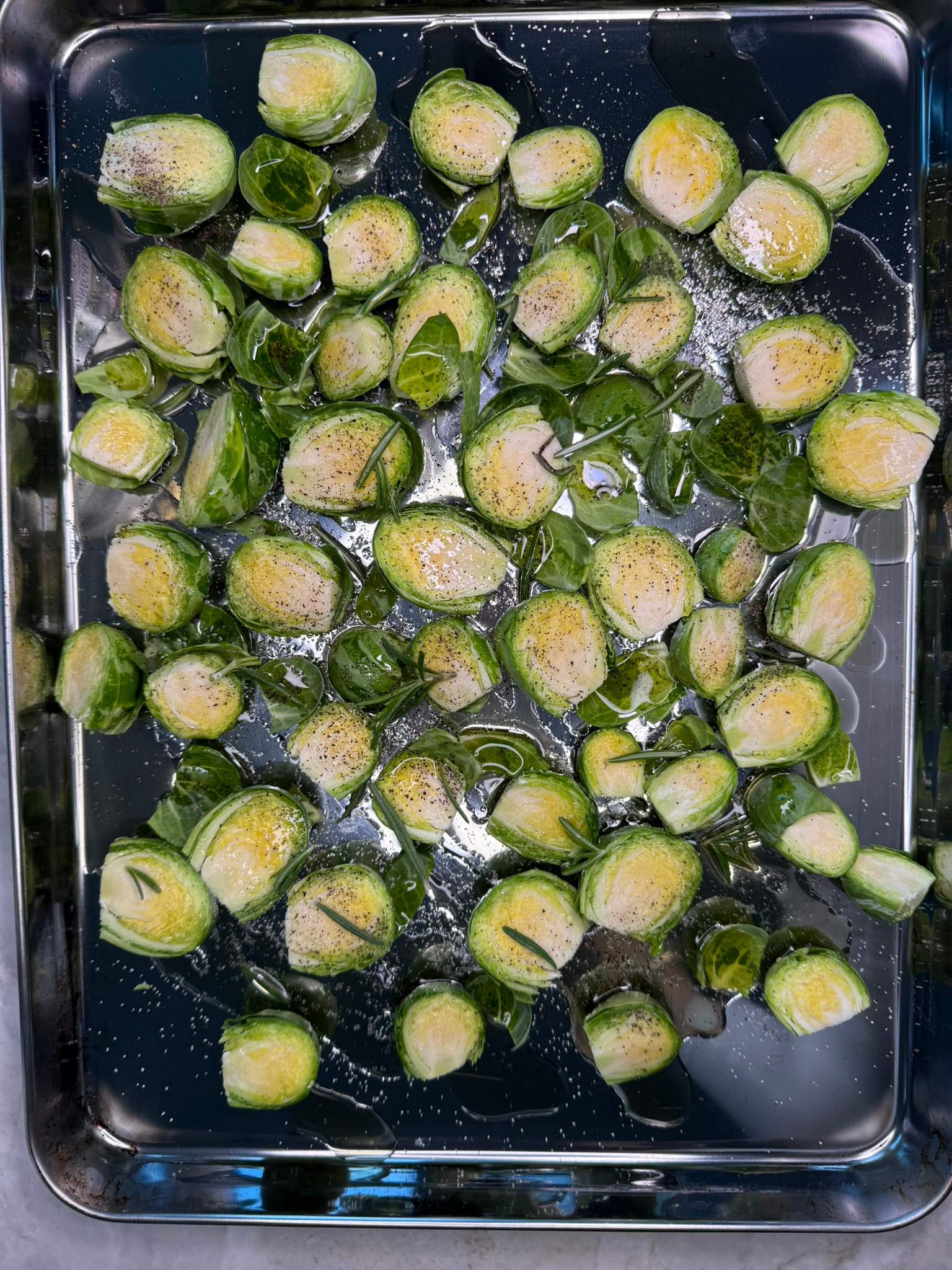
Prepare the Brussels sprouts: Trim the tough ends from each sprout and remove any yellow or damaged outer leaves. Cut larger sprouts in half through the core—this keeps the halves attached so they don't fall apart. Leave any tiny sprouts whole. Don't discard the loose leaves that fall off during trimming; they'll crisp up into delicious little chips.
-
If using pancetta: Cut the slices into ½-inch dice. (It's easier if the pancetta is slightly chilled.)
-
Combine on the baking sheet: Place the prepared Brussels sprouts (including loose leaves) and pancetta (if using) on a large, rimmed baking sheet. Drizzle with the olive oil, then sprinkle with the salt and pepper. Use your hands to toss everything thoroughly, making sure every sprout half is coated in oil. Spread the mixture in a single, even layer—crowding leads to steaming instead of roasting, so give them room to breathe.
-
Roast until caramelized: Place the sheet pan in the preheated oven and roast for 20 minutes. At the 20-minute mark, remove the pan from the oven and use a spatula to toss the sprouts, flipping any cut sides that were facing up. Return to the oven and continue roasting until the sprouts are tender when pierced with a fork and deeply browned on the edges, another 5-10 minutes. Total roasting time: 25-30 minutes.
-
Meanwhile, make the balsamic glaze (if using standard vinegar): While the sprouts roast, pour the ½ cup standard balsamic vinegar into a small saucepan or frying pan. Place over medium heat and bring to a gentle simmer. Reduce the heat to maintain a steady simmer—not a rolling boil—and cook until the vinegar has reduced by half and coats the back of a spoon, about 8-10 minutes. Watch carefully during the last few minutes; once it starts thickening, it can go from perfect to burnt quickly. At the first sign of it getting too thick or dark, immediately remove it from heat and transfer to a small heat-safe bowl. It will continue thickening slightly as it cools.
-
Glaze the hot sprouts: As soon as the sprouts come out of the oven, drizzle them immediately with the balsamic glaze (all of the reduced vinegar or the 1 tablespoon aged balsamic). Toss with a spatula until every sprout glistens. The heat will help the glaze coat evenly without becoming sticky or clumpy.
-
Taste and adjust seasoning: Add another pinch of salt or grind of black pepper if needed. Remember that the balsamic adds its own tangy-sweet flavor, so adjust accordingly.
-
Serve hot or warm: Transfer to a serving platter and serve immediately. These roasted balsamic Brussels sprouts are best right from the oven while still crispy, but they're delicious at room temperature too—perfect for buffets or potlucks.
Nutrition Facts
Servings 4
- Amount Per Serving
- Calories 185kcal
- % Daily Value *
- Total Fat 11g17%
- Saturated Fat 1.5g8%
- Sodium 520mg22%
- Total Carbohydrate 20g7%
- Dietary Fiber 8g32%
- Sugars 5g
- Protein 7g15%
* Percent Daily Values are based on a 2,000 calorie diet. Your daily value may be higher or lower depending on your calorie needs.
Note
Pro Tips for Success:
- Dry sprouts matter: If your Brussels sprouts are damp after washing, dry them thoroughly before roasting. Wet sprouts steam instead of brown.
- Cut side down: When you arrange them on the pan, try to place most sprouts cut-side down for maximum caramelization. The first 20 minutes of undisturbed roasting is when that beautiful browning happens.
- Pan size matters: Use a pan large enough that sprouts aren't crowded. If they're piled on top of each other, they'll steam and never get crispy. When in doubt, use two pans or roast in batches.
- Balsamic reduction watch: That vinegar reduction happens fast at the end. If you're nervous, pull it slightly early—under-reduced is fixable (just simmer longer), but burnt vinegar means starting over.
Make-Ahead Instructions:
You can trim and cut the Brussels sprouts up to 2 days ahead. Store them in a sealed container or zip-top bag in the refrigerator. You can also reduce the balsamic vinegar up to a week ahead and store it at room temperature in a small jar. When you're ready to serve, just roast and glaze.
Storage and Reheating:
Leftover roasted balsamic Brussels sprouts keep in an airtight container in the refrigerator for up to 4 days. To reheat and restore crispiness: spread them on a baking sheet and warm in a 375°F oven for 5-8 minutes. The microwave will make them soggy—avoid if possible.
Substitutions:
- No pancetta? Skip it entirely, or substitute 4 ounces bacon (cook separately and crumble) or ¼ cup chopped walnuts or pecans added during the last 5 minutes of roasting for a vegetarian crunch.
- Different vinegar: Sherry vinegar or red wine vinegar reduced the same way works, though flavor will differ. For a non-reduced option, use 2 tablespoons good aged balsamic.
- Add garlic: Toss 3-4 peeled, smashed garlic cloves on the pan with the sprouts for roasted garlic goodness.
- Herby variation: Toss finished sprouts with 2 tablespoons chopped fresh parsley or basil before serving.
Troubleshooting:
- Sprouts are burnt but not tender: Oven too hot or sprouts too large. Next time, cut larger sprouts into quarters or lower temperature to 375°F.
- Sprouts are tender but not brown: Pan was overcrowded, or oven wasn't hot enough. Give them more space and ensure your oven reaches temperature (oven thermometers help).
- Balsamic glaze seized up: If your reduction becomes too thick to drizzle, whisk in a teaspoon of warm water at a time until it loosens.
Ingredient Sourcing:
Look for Brussels sprouts that are firm, bright green, and similar in size for even cooking. Smaller sprouts tend to be sweeter. For pancetta, ask at the deli counter for ¼-inch slices rather than pre-diced—you'll get better texture dicing it yourself. For the balsamic, you don't need the most expensive aged bottle, but avoid the cheapest supermarket balsamic, which often contains caramel coloring and thickeners; it won't reduce the same way.