
Introduction
Have you ever tasted a cocktail that seems impossibly simple yet impossibly complex at the same time? That’s the Negroni. Three ingredients, equal measures, and a century of history combine to create what many bartenders consider the perfect drink .
This classic negroni recipe delivers that iconic balance of bitter, sweet, and botanical flavors that has captivated cocktail lovers for generations. Made with just gin, Campari, and sweet vermouth, it’s a drink that’s greater than the sum of its parts—crisp, refreshing, and deceptively sophisticated .
What makes this version special? I’m sharing the precise technique that professional bartenders use, along with insights from flavor science that explain why this simple combination works so beautifully. You’ll learn why the 1:1:1 ratio is sacred, how proper dilution transforms the drink, and why a fresh orange twist isn’t just garnish—it’s chemistry. Let’s raise a glass to Italy’s greatest cocktail export.
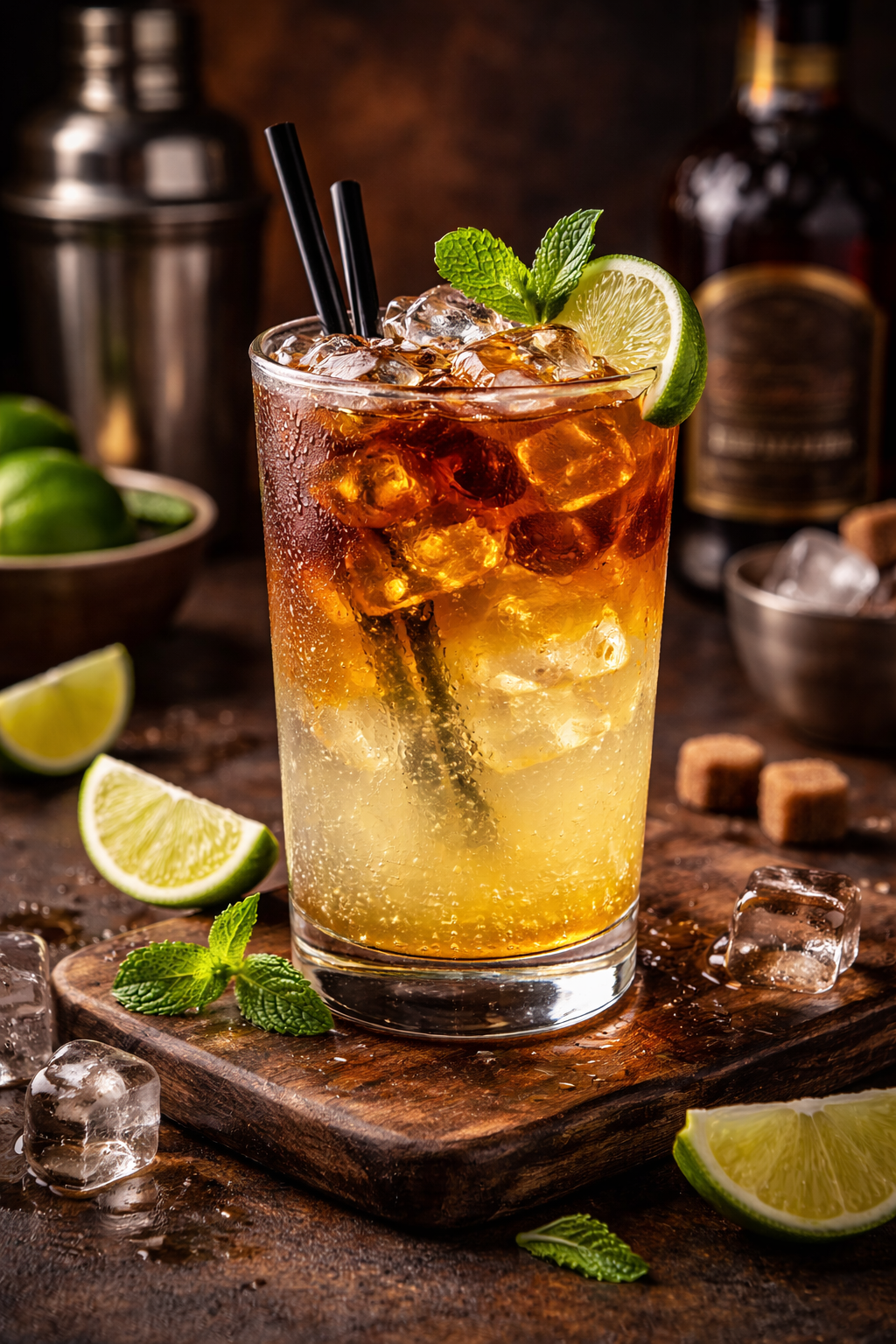
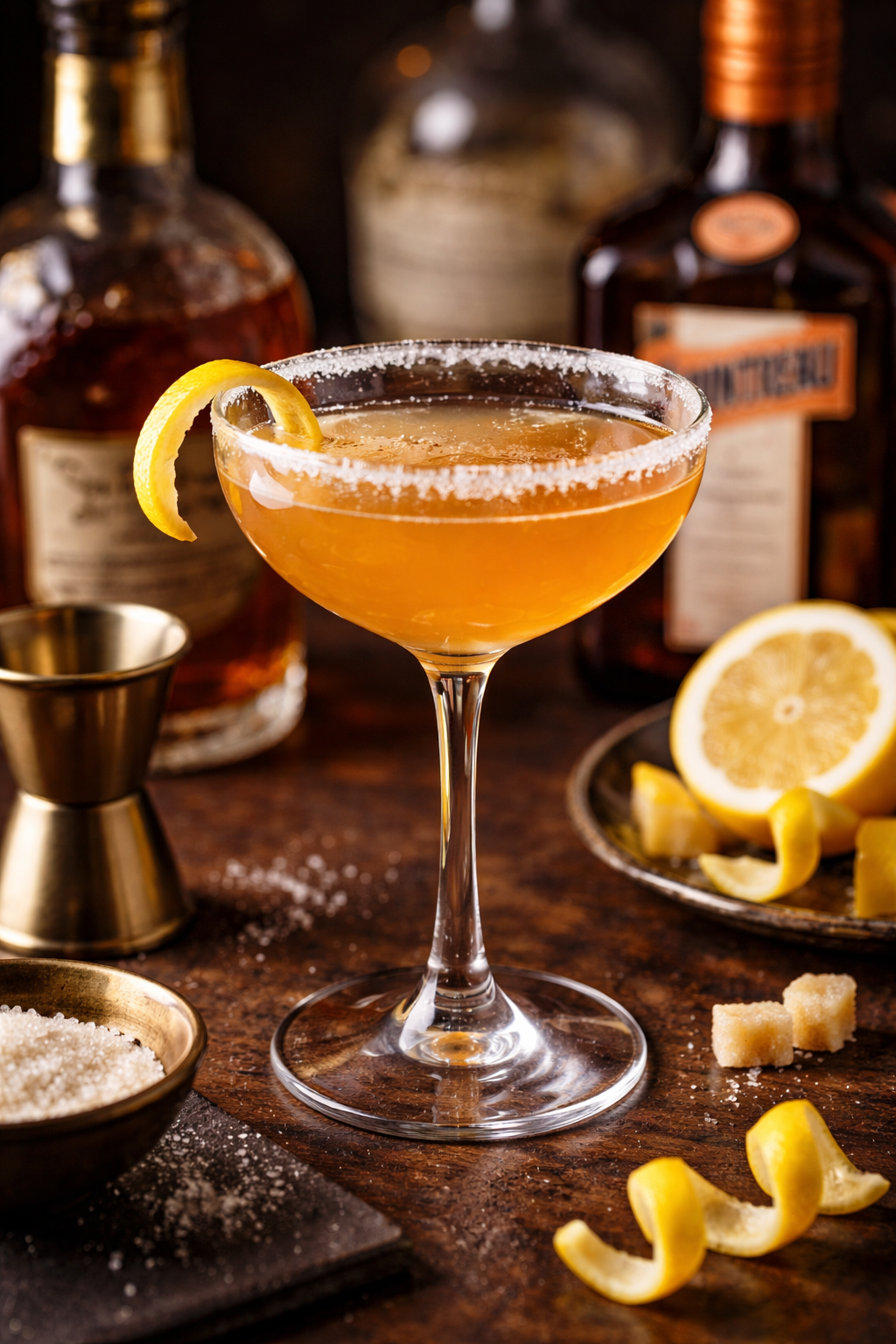
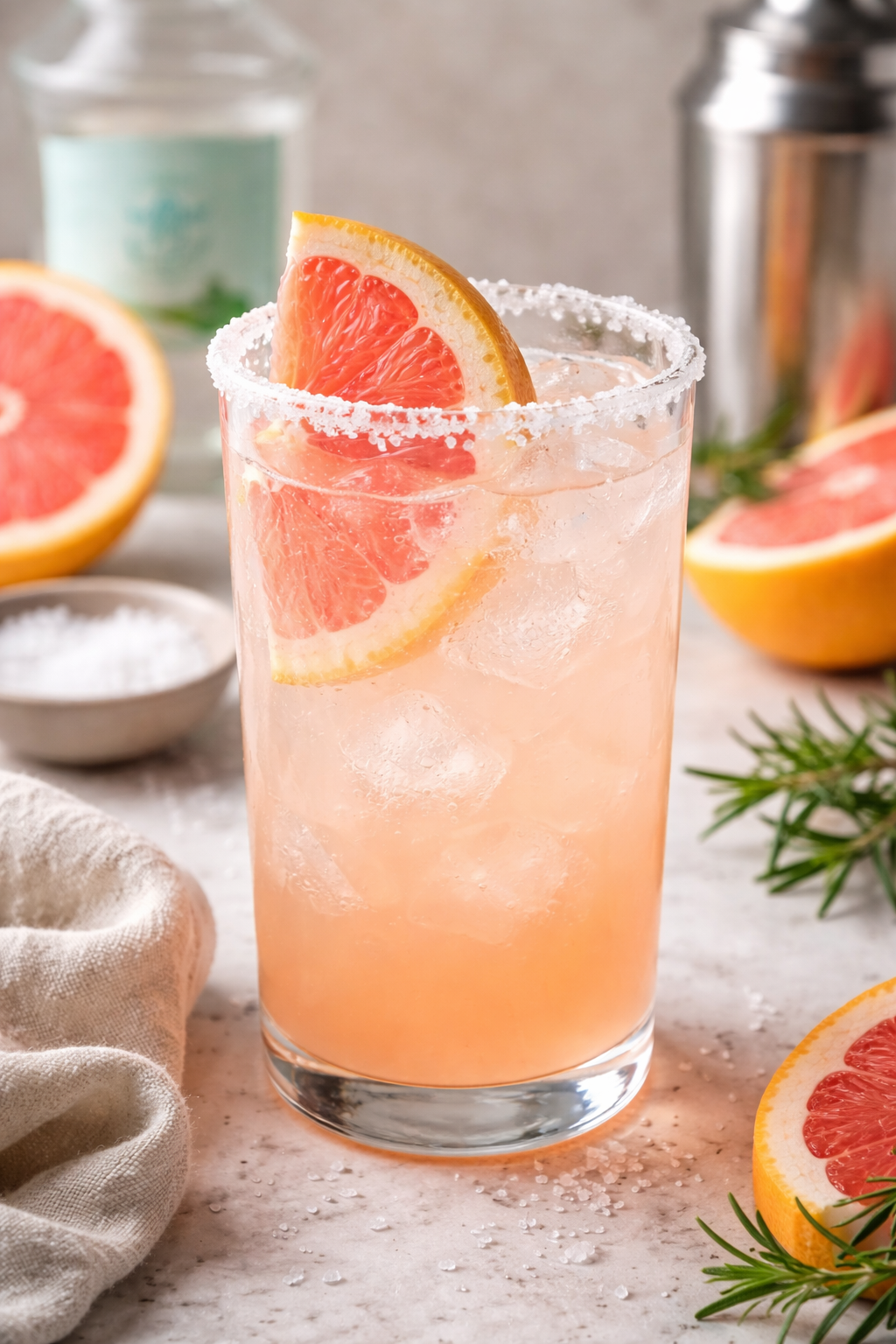
The History: A Tale of Two Counts and a Florentine Café
The Birth of an Icon
The story of the Negroni begins not with its namesake, but with its key ingredient. In the 1860s, Gaspare Campari opened a café in Milan to sell his newly created bitter liqueur. One of the drinks they served was a simple fusion of Campari and Cinzano sweet vermouth, dubbed the Milano-Torino—a nod to the two cities that produced the ingredients .
When American tourists flocked to Europe during Prohibition, they fell in love with this drink. The locals, in tribute, renamed it the Americano .
The Count’s Request
According to the most popular origin story, the Negroni as we know it was born in Florence around 1919. Count Camillo Negroni, a regular at Caffè Casoni (later called Caffè Giacosa), frequently ordered Americanos. One day, he asked the bartender, Fosco Scarselli, to strengthen his favorite drink by replacing the soda water with gin. Scarselli obliged, and the Count loved the result .
The new concoction became increasingly requested, and soon the Negroni family founded a distillery in Treviso producing a ready-to-drink version called Antico Negroni 1919 .
The Counter-Story
A competing origin story involves General Pascal Olivier de Negroni, a French Army captain who supposedly invented the drink in Senegal in the late 1800s. According to the General’s descendants, he shared the recipe throughout Dakar, and some accounts suggest it was created to celebrate his marriage .
Regardless of which origin you believe, one thing is certain: the word “Negroni” doesn’t appear in English cocktail guides until 1947, adding an air of mystery to its true beginnings .
Today, the Negroni is beloved worldwide, with an entire week dedicated to its celebration where participating venues donate proceeds to charity . It remains a favorite of bartenders themselves—a rare honor in an industry where professionals typically reach for beer on their days off .
The Science: Why Three Ingredients Create Infinite Complexity
The Chemistry of Balance
Flavor chemist Neil C. Da Costa has noted that cocktails like the Negroni achieve their complexity through the interaction of hundreds of flavor compounds . Despite having just three ingredients, the Negroni covers almost the entire range of human taste sensations—bitter, sweet, and umami—while the gin adds botanical aromatics .
Campari provides the bitter foundation with its proprietary blend of herbs, fruits, and spices. Sweet vermouth contributes sweetness, herbal complexity, and viscosity. Gin bridges them with juniper and botanical notes, creating a flavor profile that’s simultaneously aggressive and harmonious.
The Sacred Ratio
The 1:1:1 ratio isn’t arbitrary—it’s the result of decades of refinement. As one bartender perfectly expressed it: “Three ingredients, equal parts in whatever vessel you want. I don’t even think of this as a cocktail anymore, it’s just a Negroni” .
Some drinkers prefer to adjust the ratio, increasing the gin to 2:1:1 or 3:2:2 for a more spirit-forward version . But purists argue that deviating from equal parts creates a different drink entirely. “You may prefer a 3:2:2 ratio…but that is not a Negroni,” notes one commenter. “A Negroni is 1:1:1” .
The Science of Dilution
Stirring the Negroni with ice serves two crucial purposes: chilling and dilution. The average alcohol content hovers around 24% ABV, and proper dilution (about 20-25%) softens the alcohol’s bite while allowing the botanical and herbal notes to emerge .
Professional bartenders have even experimented with carbonated Negronis, discovering that extremely cold liquors hold CO2 more effectively. “If you figure out how much water is being added into the cocktail when you stir it or shake it and add that much before you carbonate, it holds almost twice as much CO2,” explains one bar manager .
The Orange Twist Imperative
That orange twist isn’t just for looks. When you express the oils over the drink, you’re adding limonene and other aromatic compounds that interact with the bitter Campari and botanical gin. The citrus oils float on the surface, greeting your nose with every sip and preparing your palate for the complexity to come .
Good Pairing Food and Drink
The Negroni was designed as an aperitivo—a pre-dmeal drink meant to stimulate the appetite . Here are perfect companions.
- Appetizer: Charcuterie Platter. A selection of cured meats (prosciutto, salami, chorizo) with honey or fig jam provides rich, salty flavors that balance the Negroni’s bitterness. Add olives, mustard, and olive tapenade for variety .
- Main Course: The Negroni is an aperitivo, not a dinner cocktail. For a full Italian-inspired meal, serve before Osso Buco with Risotto Milanese or Grilled Branzino.
- Side Dish: Bruschetta with Tomato and Basil. Toasted rustic bread rubbed with garlic, topped with diced tomatoes, fresh basil, and a drizzle of olive oil. The bright, fresh flavors cut through the cocktail’s complexity, while the tomatoes’ acidity echoes the Campari’s bite .
- Dessert: Grilled Fruit Skewers. Seasonal fruits like peaches, pineapples, and pears, grilled until caramelized and brushed with honey. The charred exterior adds smoky notes that complement the Negroni’s herbal character, while the natural sugars balance bitterness .
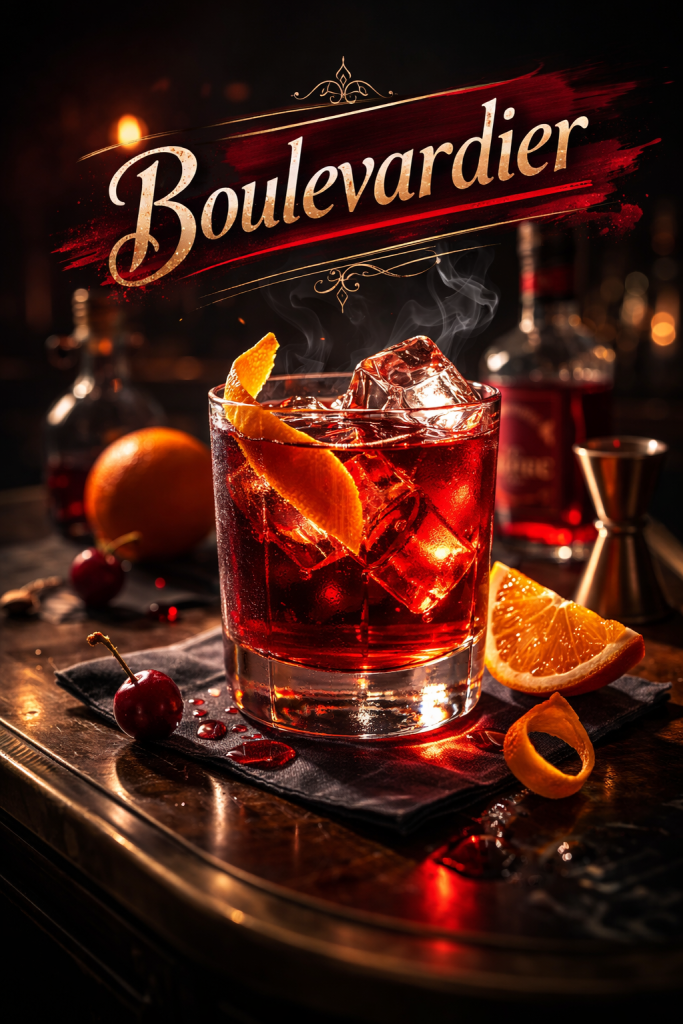
- Cocktail: Boulevardier. For a fascinating comparison, serve a Boulevardier (bourbon instead of gin) alongside your Negroni. The whiskey version demonstrates how swapping one ingredient transforms the entire profile .
- Non-Alcoholic Drink: Italian Soda with Bitters. Combine San Pellegrino blood orange soda with a dash of non-alcoholic bitters and an orange twist. The bitter-citrus profile echoes the Negroni without the alcohol.
Description
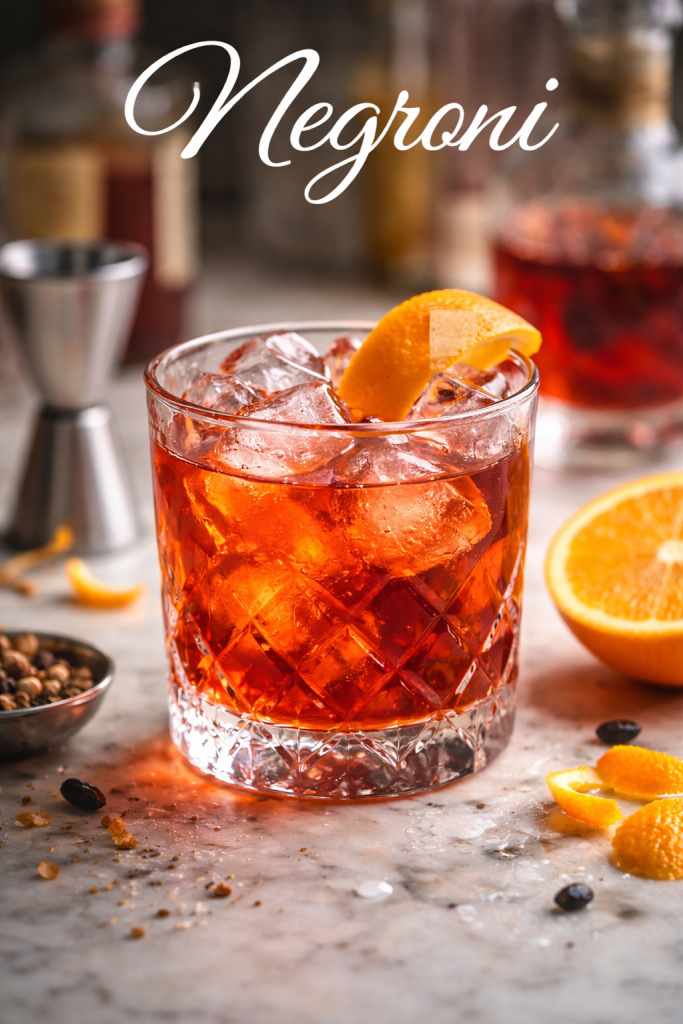
This classic negroni recipe delivers the perfect balance of bitter Campari, botanical gin, and sweet vermouth that has made it one of the world's most beloved cocktails . With just three ingredients and a simple stir, you can create a drink that's crisp, complex, and endlessly satisfying—whether served on the rocks or straight up.
Ingredients
Instructions
For Serving On The Rocks
-
-
Prepare your glass. Fill an old-fashioned glass with large ice cubes. The larger surface area melts more slowly, providing controlled dilution .
-
Combine and stir. Pour the gin, Campari, and sweet vermouth directly over the ice. Stir gently for 15-20 seconds to combine and chill. The drink should be perfectly integrated and ice-cold .
-
Garnish. Using a vegetable peeler, cut a thick strip of orange peel (avoid the bitter white pith). Hold it over the glass, colored side down, and give it a firm twist to express the essential oils onto the surface of the drink. Rub the peel around the rim of the glass, then drop it in .
-
Serve immediately. Enjoy as an aperitivo before dinner.
-
For Serving Straight Up:
-
-
Chill your glass. Place a coupe or cocktail glass in the freezer to chill, or fill it with ice water while you prepare the drink.
-
Stir with ice. Fill a mixing glass with ice. Add the gin, Campari, and sweet vermouth. Stir well for 20-30 seconds until properly chilled and diluted .
-
Strain. Empty your chilled glass (if using ice water) and strain the cocktail into it.
-
Garnish. Express an orange twist over the drink and drop it in .
-
Nutrition Facts
- Amount Per Serving
- Calories 190kcal
- % Daily Value *
- Sodium 3mg1%
- Total Carbohydrate 12g4%
- Sugars 10g
* Percent Daily Values are based on a 2,000 calorie diet. Your daily value may be higher or lower depending on your calorie needs.
Note
- Pro-Tip #1: Equal parts are sacred. The 1:1:1 ratio defines the Negroni. As one bartender put it, "as long as it's equal parts... you can't go wrong" . Resist the urge to adjust until you've tried the classic.
- Pro-Tip #2: Quality ingredients matter. Use a London Dry gin you enjoy sipping, fresh vermouth (store it in the fridge!), and authentic Campari. The drink is only as good as its components .
- Pro-Tip #3: Store vermouth in the refrigerator. Vermouth is wine and will oxidize. Once opened, keep it chilled and use within 1-2 months for optimal freshness.
- Make-Ahead Instructions: You can pre-batch Negronis for parties by combining equal parts in a sealed container and refrigerating. Add about 20% water to account for dilution. Serve over fresh ice with an orange twist .
- Storage Guidelines: Pre-batched mixture can be refrigerated for up to 2 weeks. The cocktail itself should be consumed immediately after mixing.
- Freezing: Do not freeze the assembled cocktail. However, you can freeze pre-batched mixture (without dilution) in an airtight container. Thaw in refrigerator before serving.
- Substitutions:
- Gin: For a smokier version, use mezcal (this is called a Oaxacan Negroni or Mezcal Negroni) . For a vodka version, try a "Negroski" .
- Campari: Aperol creates a lighter, sweeter, lower-alcohol version. The ratio may need adjustment.
- Sweet vermouth: For a drier profile, try substituting half the sweet vermouth with dry vermouth. This approaches the "Old Pal" variation .
- Sparkling version: For a festive twist, try a Negroni Sbagliato, where prosecco replaces the gin .
- Troubleshooting:
- "My Negroni is too bitter!" This may indicate your vermouth has oxidized (losing its balancing sweetness). Use fresh vermouth next time. You can also increase the gin slightly to 1.5 oz while keeping the others at 1 oz.
- "My Negroni tastes watery." You either stirred too long or used small ice that melted too quickly. Use one large ice cube and stir for just 20 seconds.
- "My drink is warm!" Your glass wasn't chilled, or you didn't stir long enough. Chill your glass beforehand and stir for the full 20-30 seconds.
- Ingredient Sourcing: Look for Carpano Antica Formula or Cocchi Torino for vermouth—they're worth the premium. For gin, classic London Drys like Beefeater or Tanqueray are traditional and affordable.