
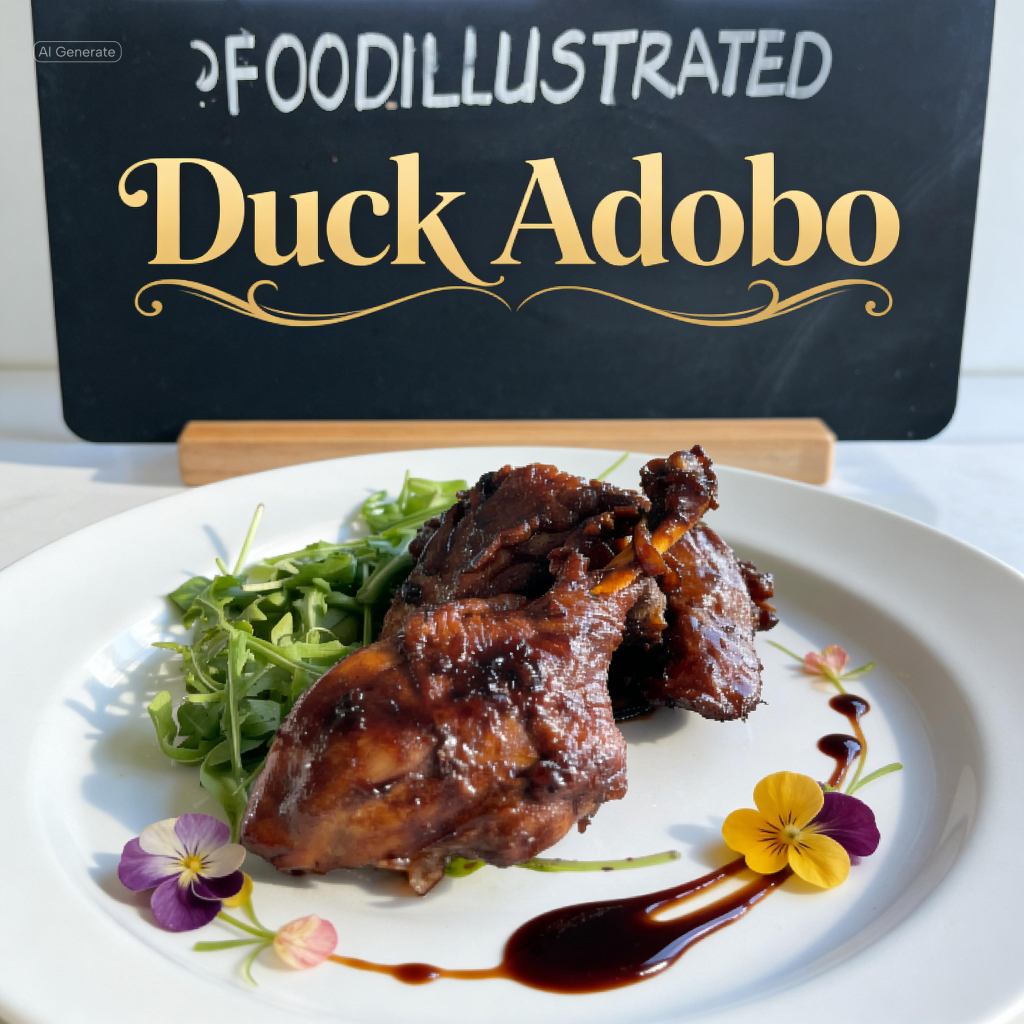
Adobo is more than a dish; it is the unofficial national dish of the Philippines, a culinary symbol of the country’s history and resilience . While the name “adobo” was given by Spanish colonizers due to its similarity to their own “adobar” (marinate) technique, the cooking method of preserving meat in vinegar is indigenous to the Philippines, developed over centuries to withstand the tropical climate . This version, Adobong Pato, uses rich duck legs to create a deeper, more luxurious take on the classic. To achieve the most succulent meat, we employ a pro-level French technique called a cartouche—a parchment paper lid that sits directly on the braising liquid. This simple paper lid traps steam, prevents evaporation, and ensures the duck stays submerged, cooking gently and evenly in the savory-sour broth of soy sauce, vinegar, and garlic. The result is a fork-tender, deeply flavorful dish that pays homage to Filipino tradition while adding a touch of gourmet finesse
Description
This Duck Adobo (Adobong Pato) elevates the classic Filipino national dish to new heights of richness and depth. While traditional pork or chicken adobo is beloved across the Philippines, duck brings a deeper, gamier flavor that stands up beautifully to the signature savory-sour braise of soy sauce and vinegar. The secret to achieving fall-off-the-bone tenderness lies in a French technique called a cartouche—a simple parchment paper lid placed directly on the simmering liquid. This brilliant method traps steam, prevents evaporation, and keeps the duck fully submerged, ensuring gentle, even cooking without reducing the sauce too quickly. The result is luxuriously succulent meat coated in a glossy, garlicky glaze that's both tangy and savory, proving why this indigenous cooking method, perfected over centuries in the tropical Filipino climate, remains one of the world's great comfort foods.
Ingredients
Instructions
-
Prepare the Duck: Pat the duck pieces completely dry with paper towels. This is essential for good browning. Season generously on all sides with salt and pepper .
-
Sear the Duck: Heat vegetable oil in a large, heavy-bottomed pot or Dutch oven over medium-high heat. Working in batches if necessary, place the duck pieces skin-side down in the hot pan. Cook undisturbed for 5-7 minutes, until the skin is deeply golden brown and much of the fat has rendered. Flip and brown the other side for 3-4 minutes. Transfer the seared duck to a plate and pour off all but 1 tablespoon of the rendered duck fat from the pot .
-
Sauté Aromatics: Return the pot to medium heat. Add the sliced onion and cook, stirring occasionally, until softened and translucent, about 3-4 minutes. Add the minced garlic and cook for another minute until fragrant .
-
Build the Braising Liquid: Pour in the chicken stock, seasoned rice vinegar, soy sauce, sambal chili paste, and bay leaves. Stir to combine, scraping up any browned bits from the bottom of the pot. Bring the mixture to a simmer .
-
The Cartouche Technique: Return the seared duck pieces to the pot, nestling them into the liquid. To create a cartouche, cut a square of parchment paper slightly larger than the diameter of your pot. Fold it in half several times to create a wedge, then trim the tip to create a circle when unfolded. Place the parchment circle directly on the surface of the liquid, tucking it around the duck. This lid-on-liquid technique locks in moisture and ensures even cooking .
-
Braise to Perfection: Cover the pot with its regular lid and reduce the heat to low. Simmer gently for about 1 ½ to 2 hours, or until the duck is incredibly tender and nearly falling off the bone .
-
Finish the Sauce: Carefully remove the lid and the cartouche. Discard the bay leaves. Increase the heat to medium-high and bring the sauce to a boil. Let it reduce and thicken slightly into a glossy, flavorful glaze, about 5-10 minutes. Taste and adjust seasoning, adding a pinch more salt or a dash of soy sauce if needed .
-
Serve: Serve the duck hot with plenty of steamed jasmine rice, spooning the rich sauce over the top.
Equipment
-
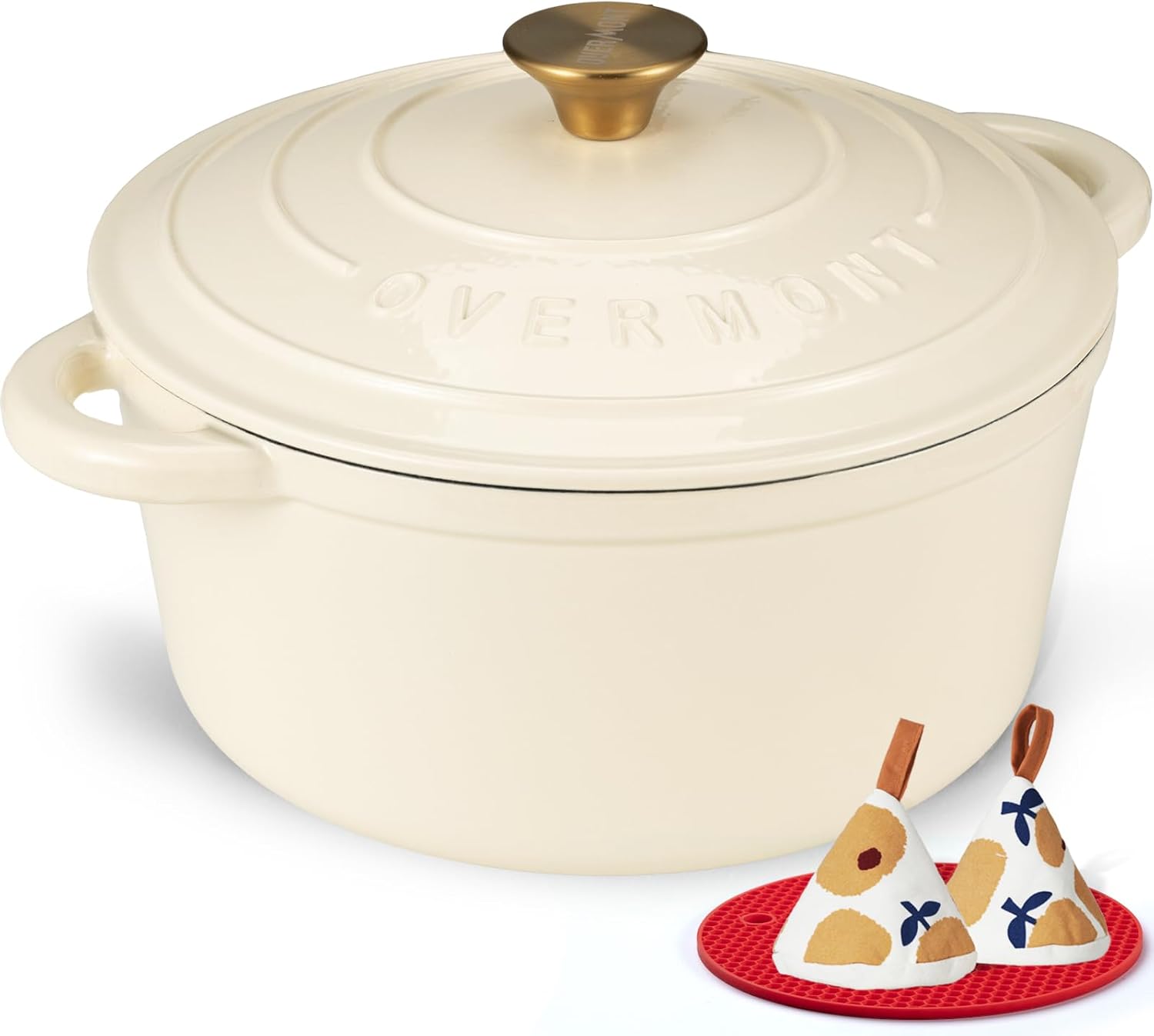 Large Dutch Oven
Nutrition Facts
Servings 2
- Amount Per Serving
- Calories 600kcal
- % Daily Value *
- Total Fat 45g70%
- Sodium 1200mg50%
- Total Carbohydrate 8g3%
- Protein 38g76%
* Percent Daily Values are based on a 2,000 calorie diet. Your daily value may be higher or lower depending on your calorie needs.
Note
- What is a cartouche? It's a French technique used in braising to create a perfect moist cooking environment by trapping steam and keeping the meat submerged .
- Save the Fat: Don't discard the rendered duck fat! Strain it and save it in the fridge for the most amazing roasted potatoes or fried rice.
- Make it Ahead: Like all braises, this duck adobo tastes even better the next day. Make it a day ahead, cool, and refrigerate. Reheat gently on the stovetop.
- No duck? You can substitute with chicken thighs or pork belly. Adjust cooking time: chicken will take about 45-60 minutes, pork belly about 1-1.5 hours.