
Intro
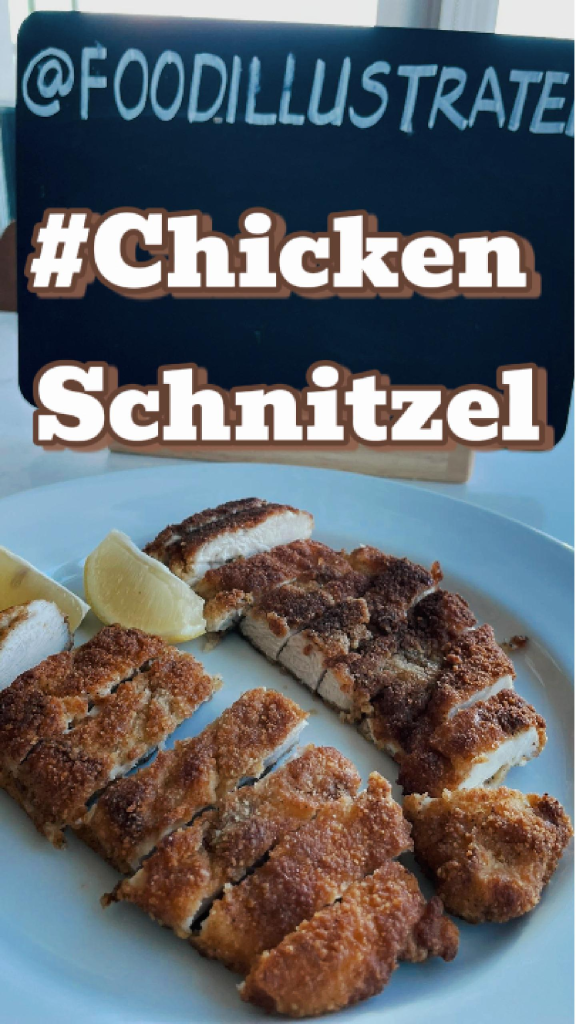
Craving that golden, crispy, restaurant-quality chicken but short on time? This Easy Chicken Schnitzel recipe is your answer. In just 20 minutes, you can have tender, juicy chicken cutlets with a shatteringly crisp crust on the table. It’s a simple, fail-proof method that delivers maximum flavor with minimal fuss—perfect for busy weeknights when you want something special without spending hours in the kitchen. Whether you serve it with a squeeze of fresh lemon, a side of German potato salad, or simply alongside a pile of buttery noodles, this schnitzel is guaranteed to become a family favorite.
The History
The schnitzel, in its many forms, is a dish with deep roots in Central European cuisine. The word itself comes from the German word Schnitz, meaning “slice” . While its precise origins are debated, the most famous iteration, the Wiener Schnitzel (Viennese cutlet), is a protected term in Austria and Germany, legally required to be made from veal . This iconic dish, first attested in 1845, consists of a thin, breaded, and fried veal cutlet, traditionally served with a slice of lemon, potato salad, or parsley potatoes, and often lingonberry jam .
The technique of breading and frying meat, however, traveled a longer road. Culinary historians trace it back to the medieval Arab influence on Jewish cooking in Spain, where fish was coated and fried in oil. When Jews were expelled from Spain, they brought this technique to Northern Italy, where veal was substituted for fish, creating Cotoletta alla Milanese. The Hapsburg Empire, which ruled Milan and Northern Italy for over a century, saw Austrian chefs adopt and adapt this method, flattening the cutlet into what we now know as schnitzel . From there, it spread across the globe, with countries from Japan (tonkatsu) to South Africa creating their own beloved versions . Our chicken schnitzel is a modern, accessible take on this rich, pan-European culinary heritage.
The Science
What transforms a simple piece of chicken into a crispy, golden masterpiece? It’s a beautiful interplay of physics and chemistry. The first step—pounding the chicken to an even ¼-inch thickness—is crucial for two reasons: it tenderizes the meat by physically breaking down muscle fibers and ensures uniform, rapid cooking, preventing the outside from burning before the inside is done .
The magic of the crust comes from the three-part breading station and the Maillard reaction. The flour provides a dry surface that helps the egg wash adhere. The egg, with its proteins, acts as a glue, binding the breadcrumbs to the chicken. When the breaded cutlet hits the hot oil (ideally around 350°F/175°C), the amino acids and reducing sugars in the egg and breadcrumbs undergo the Maillard reaction . This complex chemical process creates hundreds of new flavor compounds and that irresistible deep golden-brown color. Letting the breaded cutlets rest for 5-10 minutes before frying is a critical, often-skipped step; this allows the gluten in the flour and the egg proteins to set, forming a bond that prevents the crust from peeling off during frying . Finally, draining on a wire rack instead of paper towels ensures steam doesn’t get trapped, keeping that perfect crust shatteringly crisp .
GOOD PAIRING FOOD AND DRINK
Appetizer: Obatzda (Bavarian Cheese Spread) with Pretzel Bites
- Why: This creamy, tangy, and slightly spicy beer cheese spread is a classic Bavarian starter. Its rich, savory flavors prepare the palate for the schnitzel, while the soft pretzel bites offer a delightful textural contrast to the crispy main course.
Main Course: Note: The schnitzel is already a satisfying main. For a multi-course German feast, serve it before: Sauerbraten (German Pot Roast)
- Why: This richly marinated, slow-cooked pot roast is the ultimate hearty follow-up. Its deep, sweet-and-sour gravy and tender texture offer a completely different but complementary flavor profile to the crispy, light schnitzel.
Side Dish: German Potato Salad (Kartoffelsalat)
- Why: A classic for a reason. This warm salad, with its tangy vinegar and bacon dressing, provides a bright, acidic counterpoint that cuts through the richness of the fried chicken, while the tender potatoes offer a comforting, savory balance .
Dessert: Apple Strudel (Apfelstrudel) with Vanilla Sauce or Whipped Cream
- Why: A beloved Austrian and German classic. The warm, spiced apples and flaky, buttery pastry provide a sweet, comforting finish that echoes the hearty, satisfying nature of the meal.
Cocktail: Classic Pilsner or Helles Lager
- Why: A crisp, clean Pilsner or a malty Helles lager is the traditional and perfect choice. The fine carbonation cleanses the palate between bites, while the light malt character complements the toasty breading without overwhelming the dish .
Non-Alcoholic Drink: Sparkling Elderflower & Mint Spritzer (Elderflower cordial, fresh mint, soda water, lime)
- Why: The floral, subtly sweet notes of elderflower and the cooling freshness of mint provide a light, elegant counterpoint. The bubbles and lime cleanse the palate, preparing you for the next deliciously crispy bite.
Description
Crispy, golden, and ready in 20 minutes, this Easy Chicken Schnitzel is the perfect quick weeknight dinner. Tender chicken cutlets are coated in a perfectly seasoned crust and fried to perfection. A family favorite that's guaranteed to impress.
Ingredients
Instructions
-
Prep the Chicken: Place a chicken breast on a cutting board. Hold it flat with your palm and use a sharp knife to carefully slice it in half horizontally, creating two thin cutlets. Repeat with the second breast. You should have four thin pieces.
-
Pound to Even Thickness: Place each cutlet between two sheets of plastic wrap or inside a large zip-top bag. Using a meat mallet, rolling pin, or even a heavy skillet, gently pound the chicken to an even ¼-inch thickness . Season both sides generously with salt and pepper.
-
Set Up the Breading Station: Arrange three shallow bowls or dishes. In the first, combine the flour, paprika, and garlic powder. In the second, beat the eggs with 1 tablespoon of water. In the third, place the breadcrumbs and season with a pinch of salt and pepper.
-
Bread the Cutlets: Dredge a chicken cutlet in the seasoned flour, shaking off any excess. Dip it into the egg wash, allowing excess to drip off. Finally, coat it completely in the breadcrumbs, pressing gently so the crumbs adhere. Place the breaded cutlet on a wire rack or a plate. Repeat with all cutlets. Let them rest for 5–10 minutes. This crucial step helps the coating set so it doesn't peel off during frying .
-
Heat the Oil: Pour about ½ inch of neutral oil into a large, heavy-bottomed skillet (like cast iron or stainless steel). Place it over medium-high heat. The oil is ready when it shimmers and a pinch of breadcrumbs sizzles immediately upon contact (about 350°F / 175°C) .
-
Fry the Schnitzel: Gently lay 1 or 2 cutlets into the hot oil, being careful not to overcrowd the pan. Overcrowding will lower the oil temperature and lead to greasy, soggy schnitzel. Fry for 2-3 minutes, or until the underside is deep golden brown and crispy.
-
Flip and Finish: Carefully flip the cutlets using tongs or a spatula. Fry for another 2-3 minutes on the second side, until golden brown and the chicken is cooked through.
-
Drain and Serve: Transfer the cooked schnitzel to a wire rack set over a baking sheet. This keeps them crispy by allowing air to circulate, unlike paper towels which trap steam . Sprinkle immediately with a little flaky salt. Serve hot with lemon wedges.
Nutrition Facts
Servings 2
- Amount Per Serving
- Calories 480kcal
- % Daily Value *
- Total Fat 22g34%
- Saturated Fat 3.5g18%
- Sodium 550mg23%
- Total Carbohydrate 35g12%
- Protein 35g70%
* Percent Daily Values are based on a 2,000 calorie diet. Your daily value may be higher or lower depending on your calorie needs.
Note
- Pound Properly: Uneven thickness leads to uneven cooking. Aim for a uniform ¼-inch thickness across the entire cutlet .
- Season in Layers: Don't just season the chicken. Add salt, pepper, paprika, and garlic powder to the flour and breadcrumbs for flavor in every layer .
- Panko for Extra Crunch: For an even crispier crust, substitute half or all of the fine breadcrumbs with Panko (Japanese breadcrumbs) .
- Don't Overcrowd the Pan: Fry in batches to maintain a steady oil temperature. If the oil gets too cool, the schnitzel will absorb excess oil and become greasy .
- Wire Rack > Paper Towels: Always drain your schnitzel on a wire rack. This prevents steam from softening the crispy bottom crust .
- Make it a Schnitzel Sandwich: Serve the crispy cutlet on a crusty roll with lettuce, tomato, and a dollop of remoulade sauce.