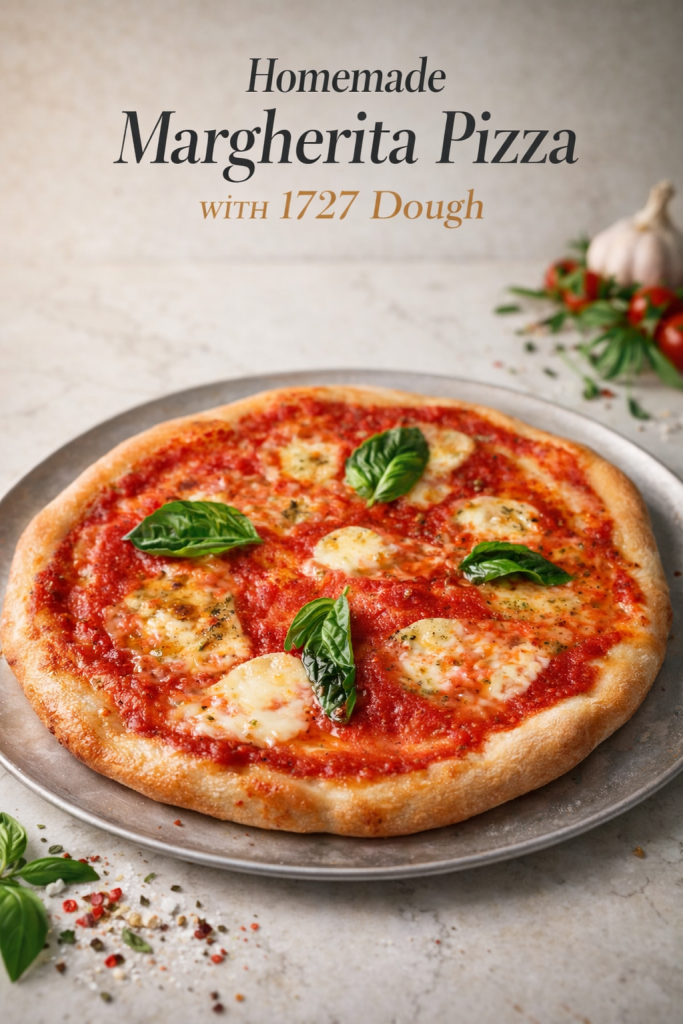
Faster & Yummier Than Delivery: The 1727 Dough Recipe for Homemade Marigta Pizza
Skip the wait! This 1727 dough recipe is faster than delivery and makes the yummiest homemade Marigta pizza. Master the viral dough formula with our complete guide.
We've all been there. It's 6 PM, and you're hungry. The temptation to order pizza feels overwhelming. But then comes the wait—forty-five minutes, sometimes an hour. When that pizza finally arrives, it's often lukewarm, soggy, and deeply disappointing.
What if you could have a pizza on the table that's faster and yummier than delivery? What if it was made entirely from scratch in your own kitchen?
Welcome to the 1727 dough recipe. This game-changing formula delivers professional-quality pizza crust with minimal effort. The name comes from its ingredient measurements in grams: 1000g flour, 700g water, 20g salt, and 7g yeast. This creates a 70% hydration dough that's simultaneously crispy, chewy, and light as air. It's the kind of crust you'd expect from a wood-fired pizzeria. And it's achievable in your standard home oven.
The brilliance of the 1727 dough recipe lies in its simplicity. Once you commit these four numbers to memory, you'll never need another pizza dough recipe. Combine it with our signature "Marigta" sauce—a bright, garlicky, no-cook tomato sauce inspired by classic Marinara. Top it with fresh basil. You've got a pizza that beats delivery on speed and absolutely demolishes it on flavor. You're eating better than any takeout box could ever deliver.
A Neapolitan Heritage
The 1727 dough recipe traces its lineage directly to Naples, Italy. Naples is the undisputed birthplace of pizza. There, pizza making isn't just cooking. It's a cultural heritage protected by the Associazione Verace Pizza Napoletana (AVPN). This organization was founded in 1984 to preserve authentic Neapolitan pizza-making traditions.
The AVPN's guidelines are strict. They dictate everything from the type of flour to the hand-stretching technique. They even regulate the blistering temperatures of wood-fired ovens.
Authentic Neapolitan pizza dough contains just four ingredients: flour, water, salt, and yeast. No oil. No sugar. No shortcuts. The dough must be kneaded gently and allowed to rise slowly. It must be shaped exclusively by hand to preserve delicate gas bubbles. These bubbles create the signature puffy, leopard-spotted crust known as the cornicone.
Our 1727 dough recipe adapts this venerable tradition for the home cook. The 70% hydration level mirrors the wet doughs used by Neapolitan masters. It helps achieve that ethereal, open crumb structure. The option for long, cold fermentation develops complex, slightly tangy flavors. You'll find these same flavors in Italy's finest pizzerias. When you make this dough, you're participating in a culinary tradition that spans centuries.
The Science of a Great Crust
Why does the 1727 dough recipe consistently outperform delivery pizza? Let's look at the science.
High Hydration Creates Air Pockets
The magic begins with hydration. At 70%, this dough contains significantly more water than standard recipes. According to Serious Eats' guide to pizza dough, higher hydration allows for better gluten development. It also produces more steam during baking.
During long fermentation, this extra water hydrates the flour proteins. They align and form a strong, elastic gluten network. This network traps expanding gases. When your pizza hits that preheated 500°F oven, trapped water flashes to steam. The steam creates pressure that inflates the dough. It forms those coveted large, irregular air bubbles. This is what gives the crust its light, airy texture.
The Maillard Reaction Builds Flavor
Next comes the Maillard reaction. This chemical process creates deep, complex, savory flavor. It also produces that beautiful golden-brown color. As Modernist Cuisine explains, amino acids and reducing sugars react under high heat. They create hundreds of new flavor compounds.
Your properly preheated 500°F oven is hot enough to trigger this reaction. You'll get nutty, toasted flavors normally reserved for commercial pizzeria ovens.
Cold Fermentation Develops Complexity
Perhaps most importantly, cold fermentation builds flavor. Let the dough rest in your refrigerator for 12 to 24 hours. The yeast and naturally occurring bacteria work slowly. They consume carbohydrates and produce organic acids and alcohols.
The Kitchn's deep dive on cold fermentation explains the benefits. This slow process builds complexity. It also strengthens the gluten network. The dough becomes easier to stretch and more resistant to tearing. Cold fermentation transforms simple ingredients into something far greater. No delivery pizza can match it.
Why This Recipe Works
Faster Than Delivery While you wait for delivery, you could pull a perfect pizza from your oven. Once the dough is made, baking takes just 8-10 minutes.
The Unforgettable 1727 Formula 1000-700-20-7. Commit these four numbers to memory. You'll never need another pizza dough recipe.
Restaurant-Quality Crust at Home Achieve that coveted puffy, leopard-spotted cornicone. Get a chewy, airy interior using only a standard home oven.
Flexible Timing For same-day use, use water between 90-100°F. Let it proof at room temperature for 4-6 hours. For advance preparation, use water at 60°F. Refrigerate overnight for deeper flavor.
High-Hydration Mastery The 70% hydration level creates a light, open crumb structure. It holds up beautifully to any topping.
Budget-Friendly A batch of five pizzas costs about $10-12. That's a fraction of what you'd pay for delivered pizzas.
Perfect Pairings for Pizza Night
Appetizer: Crispy Fried Calamari The light, briny crunch of calamari pairs beautifully with savory pizza. A squeeze of lemon brightens every bite.
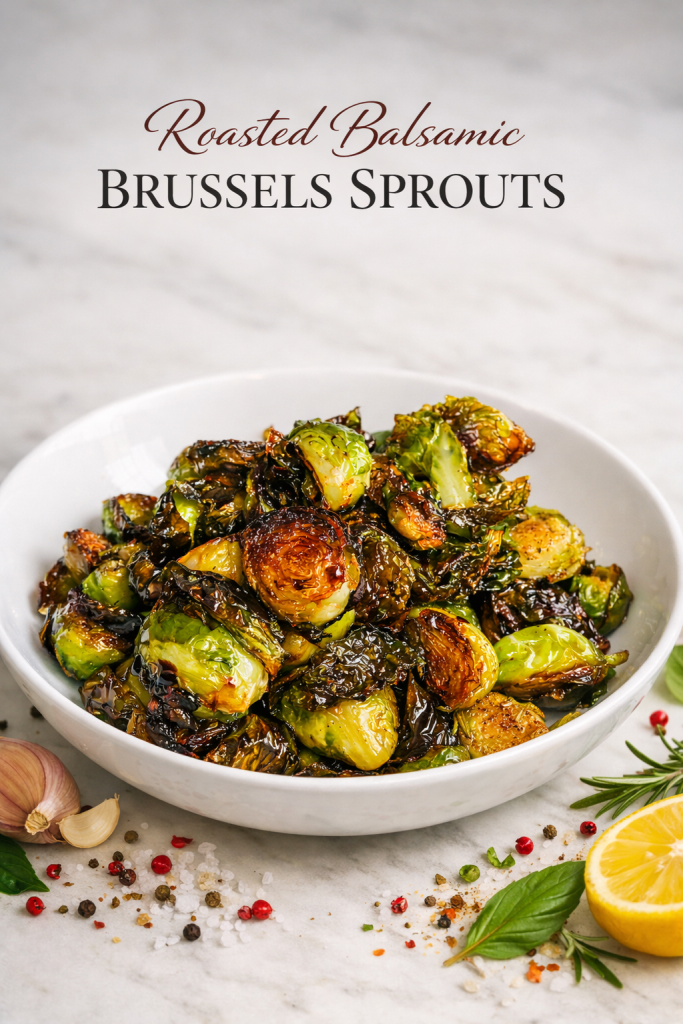
Side Dish: Roasted Garlic Parmesan Broccolini The charred, garlicky stems offer a bright contrast to rich, cheesy pizza. Tender florets soak up every bit of flavor. A final squeeze of lemon ties it all together.
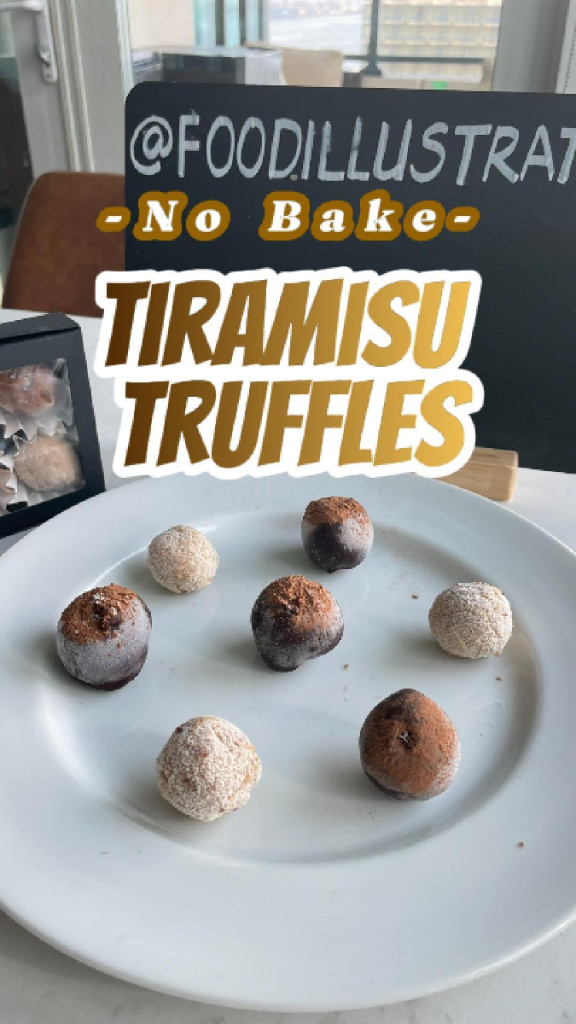
Dessert: Classic Tiramisu Coffee and cocoa flavors provide a sophisticated finish. This no-bake classic is perfect after an Italian-inspired meal.
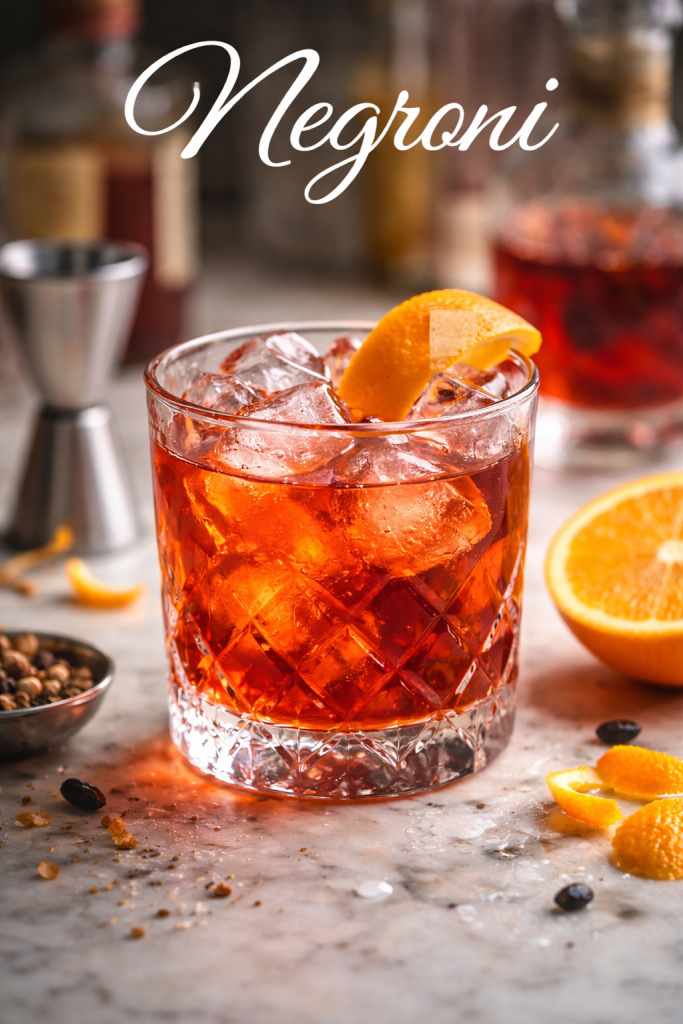
Cocktail: Negroni This iconic Italian cocktail features bitter Campari and herbal gin. Sweet vermouth rounds out the flavor profile. It's a sophisticated partner for garlicky pizza.
Non-Alcoholic Drink: Italian Limoncello Spritz The sweet-tart sparkle of limoncello refreshes the palate. Prosecco and soda water add bubbles. It complements tomato sauce acidity beautifully.
Master the viral 1727 pizza dough recipe and pair it with a simple, no-cook Marigta sauce for the ultimate homemade pizza that's faster and yummier than delivery. This guide delivers a crispy, chewy, and flavorful crust every time.
For 5 Pizzas
For the "1727" Pizza Dough:
1000g bread flour (about 8 cups, preferably high-protein (like King Arthur Baking Bread Flour))
700g water (about 3 cups (lukewarm, 90-100°F, for same-day use; cold tap water for overnight rise))
20g fine sea salt (about 1 tablespoon)
7g active dry yeast (about 2 teaspoons)
For the "Marigta" Sauce:
1can whole San Marzano tomatoes (28-ounce)
3cloves garlic, thinly sliced
2tablespoons extra-virgin olive oil
1teaspoon dried oregano
1/2teaspoon sea salt
Pinch of red pepper flakes (optional)
For Assembly & Garnish:
1batch "1727" pizza dough, proofed and ready
1large handful fresh basil leaves
Semolina flour or cornmeal, for dusting
Optional: 8 oz fresh mozzarella , torn (fior di latte)
Instructions
1
Mix the Dough: In the bowl of a stand mixer fitted with a dough hook, combine the water and yeast. Let it sit for one minute. Add the bread flour and salt. Mix on low speed for 8-10 minutes until the dough is smooth, elastic, and pulls away from the sides. The dough will be sticky—this is correct .
2
First Rise (Bulk Fermentation):
3
For Same-Day Pizza: Cover the bowl and let it rise at room temperature for 4-6 hours until doubled .
4
For Next-Day Pizza: Cover the bowl and refrigerate immediately for 8-24 hours. Remove from fridge 2-3 hours before baking .
5
Portion and Shape the Dough Balls: Turn the risen dough onto a lightly floured surface. Divide into 5 equal pieces (340-350g each). For each piece, fold the edges into the center. Flip and drag toward you on an un-floured surface to create a smooth, tight ball. Place on a lightly floured tray, cover, and rest for 30 minutes.
6
Make the Marigta Sauce: Pour the canned tomatoes into a bowl. Crush by hand until chunky-smooth. Add garlic, olive oil, oregano, salt, and red pepper flakes. Stir and set aside.
7
Preheat the Oven: Place a pizza steel or baking stone on the upper rack. Preheat to 500°F (260°C) for 45-60 minutes. The surface must be blazing hot.
8
Shape the Pizza: Dust a pizza peel generously with semolina. On a floured surface, gently press one dough ball from the center out, leaving a thicker rim. Drape over knuckles and stretch, rotating, until 10-12 inches. Place on the peel.
9
Assemble: Ladle sauce onto the center and spread in a spiral, leaving the crust bare. Add optional mozzarella now. Shake the peel to ensure the pizza slides freely.
10
Bake: Slide the pizza onto the preheated steel. Bake for 6-9 minutes until the crust is puffed, golden, and charred in spots, and the sauce is bubbly.
11
Garnish and Serve: Remove and transfer to a cutting board. Immediately tear fresh basil over the top. Drizzle with olive oil. Let cool one minute, then slice and serve.
Nutrition Facts
Servings 20
Amount Per Serving
Calories580kcal
% Daily Value *
Total Fat10g16%
Sodium980mg41%
Total Carbohydrate102g34%
Dietary Fiber4g16%
Sugars6g
Protein18g36%
* Percent Daily Values are based on a 2,000 calorie diet. Your daily value may be higher or lower depending on your calorie needs.
Note
Use a Kitchen Scale: The 1727 dough recipe relies on precise gram measurements. As King Arthur Baking explains, baking by weight is far more accurate than using cups. A kitchen scale ensures your 70% hydration is accurate, guaranteeing consistent results every time .
Master the Stretch: If the dough resists stretching or snaps back, let it rest for 10-15 minutes. The gluten needs time to relax. A rested dough stretches effortlessly.
Prevent Sticking: Semolina or cornmeal on the peel acts as ball bearings. Use it generously. Also, work quickly once the sauced dough is on the peel; a wet spot can cause sticking.
Freezing Instructions: After step 3, place dough balls on a lightly oiled baking sheet, cover tightly, and freeze. Once solid, transfer to freezer bags. Thaw overnight in the refrigerator, then bring to room temperature for 2-3 hours before using.
Troubleshooting Soggy Crust: A soggy bottom usually means your oven wasn't hot enough or your steel wasn't fully preheated. Also, avoid over-saucing. Our Marigta sauce is intentionally thick to prevent this.
Keywords:
1727 dough recipe, 1727 pizza dough, high hydration pizza dough, homemade pizza dough, easy pizza dough recipe, pizza margherita, marinara pizza, marigta pizza, pizza with fresh basil, no-cook pizza sauce, san marzano tomato sauce, best pizza for beginners, homemade pizza in oven, pizza on baking steel, how to stretch pizza dough, cold ferment pizza dough, overnight pizza dough, 70% hydration dough, garlicky pizza sauce, crispy pizza crust, neapolitan style pizza, best homemade pizza, pizza dough for freezing, faster than delivery pizza, better than takeout pizza,
The 1727 dough recipe isn't just a recipe—it's a foundation for culinary creativity. Once you've mastered the basic method, you can begin to explore the endless possibilities of pizza making. The cold fermentation technique we use is the same method employed by pizzerias across Naples to develop complex, tangy flavors and superior texture.
Consider experimenting with different flours. While bread flour is recommended for its high protein content (12-13%), you can substitute up to 200g of it with whole wheat flour for a nuttier, more rustic flavor. Italian tipo "00" flour, the classic pizza flour, produces an even more tender crust, though it may require slight hydration adjustments due to its different absorption properties.
The Marigta sauce itself is a study in simplicity. By using high-quality San Marzano tomatoes, which grow in the volcanic soil near Mount Vesuvius and are known for their sweet flavor and low acidity, and leaving the sauce uncooked, you preserve the bright, acidic sweetness of the tomatoes while allowing the garlic and oregano to infuse the sauce with their aromatic oils. This no-cook approach is traditional in many Neapolitan pizzerias, where the sauce cooks entirely on the pizza in the blazing hot oven.
And remember, a great crust is a canvas. While the Marigta sauce is a perfect showcase for this dough, don't be afraid to experiment. Try a white pizza with ricotta, garlic, and spinach. Go for a classic Margherita with fresh mozzarella and basil. Or keep it simple with a drizzle of good olive oil, flaky sea salt, and rosemary for a pizza bianca. The 1727 dough recipe gives you a masterpiece to work with every time.