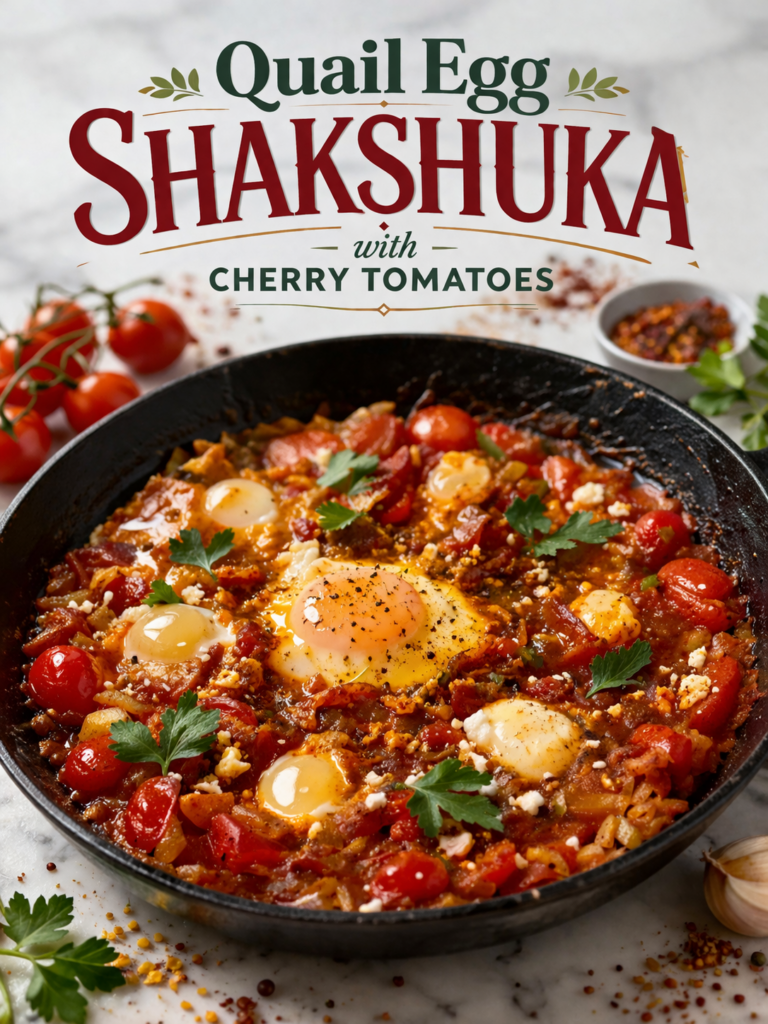
Imagine a brunch table where each guest gets their own tiny, bubbling skillet. Inside, a vibrant, spiced tomato sauce cradles one golden chicken egg surrounded by three delicate mini quail egg shakshuka portions. This isn't just breakfast; it’s an event.
We are swapping the usual only-canned tomatoes for a hybrid sauce: blistered halved cherry tomatoes (for sweetness and burst texture) plus a full can of crushed tomatoes (for body and deep umami). This combination gives you the brightness of fresh summer tomatoes with the rich, slow-cooked depth of a classic shakshuka. With one chicken egg and eight quail eggs divided into six portions, everyone gets the perfect runny yolk. It is elegant, surprisingly easy, and deeply satisfying.
THE HISTORY
Shakshuka's roots stretch across North Africa and the Ottoman Empire, though Tunisia and Libya fiercely debate its true origin. The word "shakshuka" (شكشوكة) derives from Arabic slang for "a violent mixture" or "shaken together"—a fitting name for this riot of tomatoes, peppers, and eggs. Jewish immigrants from North Africa brought the dish to Israel in the mid-20th century, where it became a national breakfast icon, often served from a communal cast-iron pan.
For decades, the classic recipe remained unchanged: a deep red sauce of stewed plum tomatoes, bell peppers, and fiery harissa. But modern chefs began experimenting with scale and tomato blends. Why not make it miniature? Why not combine fresh cherry tomatoes (which burst like little flavor bombs) with canned tomatoes (for that long-simmered body)? The evolution honors the original—communal, spicy, comforting—while inviting playful, individual presentation. Today, this mini quail egg shakshuka represents the dish's next chapter: personal, photogenic, and perfect for grazing brunches.
THE SCIENCE
Here's the beautiful chemistry at work. When you sauté onions and peppers, you trigger the Maillard reaction—amino acids and reducing sugars recombining into hundreds of aromatic compounds. That golden-brown fond on the pan bottom isn't burned bits; it's pure flavor waiting to be deglazed. Adding spices like cumin and turmeric doesn't just season; the heat releases their essential oils (hydrophobic volatile compounds), making them more bioavailable to your nose and tongue.
Why halve the cherry tomatoes? Cutting them exposes their pectin-rich interiors to direct heat. As they cook, the pectin breaks down into a natural thickener, creating a jammy texture without added sugar. The whole canned tomatoes (San Marzano or similar) contribute glutamates—naturally occurring umami compounds—that deepen the sauce's savoriness. This hybrid tomato approach gives you both fresh brightness and cooked depth.
Now, the eggs. A chicken egg white contains about 40 different proteins, each coagulating at different temperatures (140°F to 180°F / 60°C to 82°C). Quail eggs have a higher yolk-to-white ratio (about 35% yolk vs. 30% for chicken), meaning more fat and lecithin. The lecithin emulsifies the sauce slightly, creating a creamier mouthfeel. When you nestle these tiny eggs into the hot tomato sauce, the whites set quickly while the yolks remain fluid—provided you pull them off heat at 145°F / 63°C.
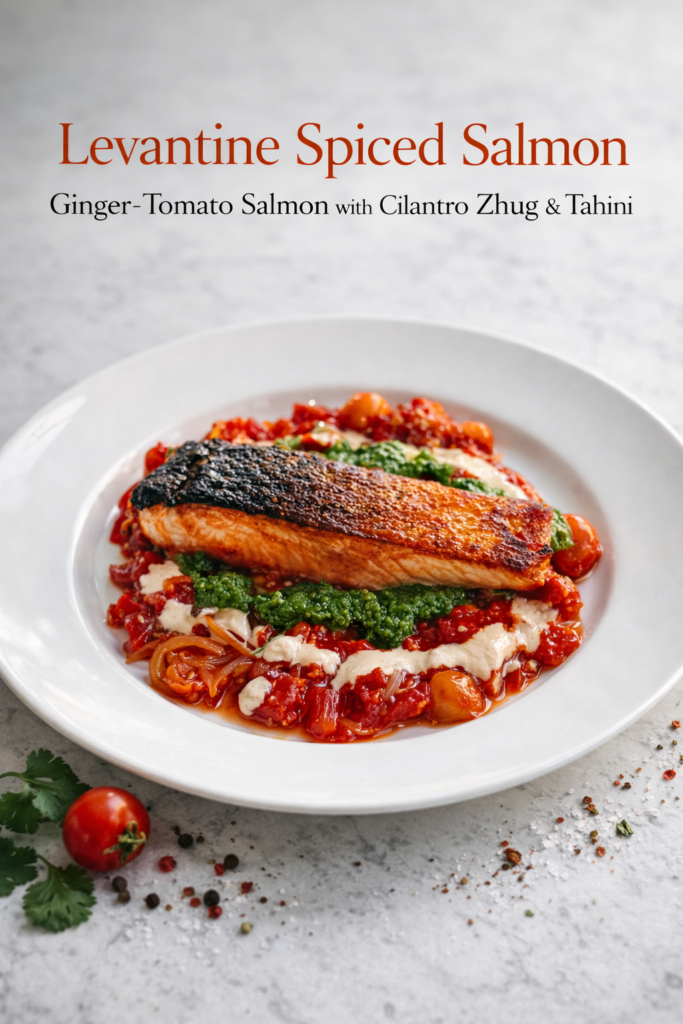
Why it works: Start your meal with a bang. This Levantine spiced salmon delivers perfectly flaky salmon fillets steamed atop a fragrant tomato, ginger, and cardamom compote. Finished with a zesty cilantro zhug (a spicy herb sauce) and a cool tahini drizzle, it's a restaurant-quality main course made simple. The shared notes of ginger and tomato create a "flavor bridge" between this appetizer and the shakshuka, while the zhug's herbaceous heat prepares the palate for the warming spices to come.
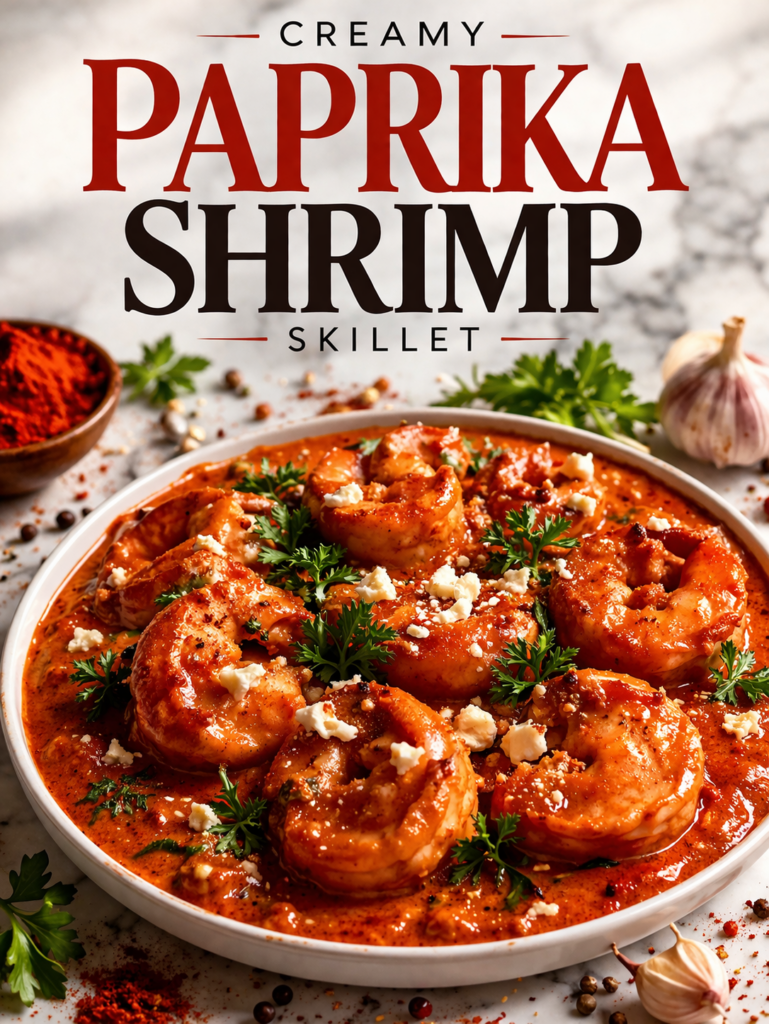
Why it works: If serving the shakshuka as a starter, this shrimp dish is the perfect transition. The shared note of paprika creates a "flavor bridge" between the two courses, while the heavy cream in the shrimp sauce helps mellow the lingering heat from the shakshuka's serrano peppers.
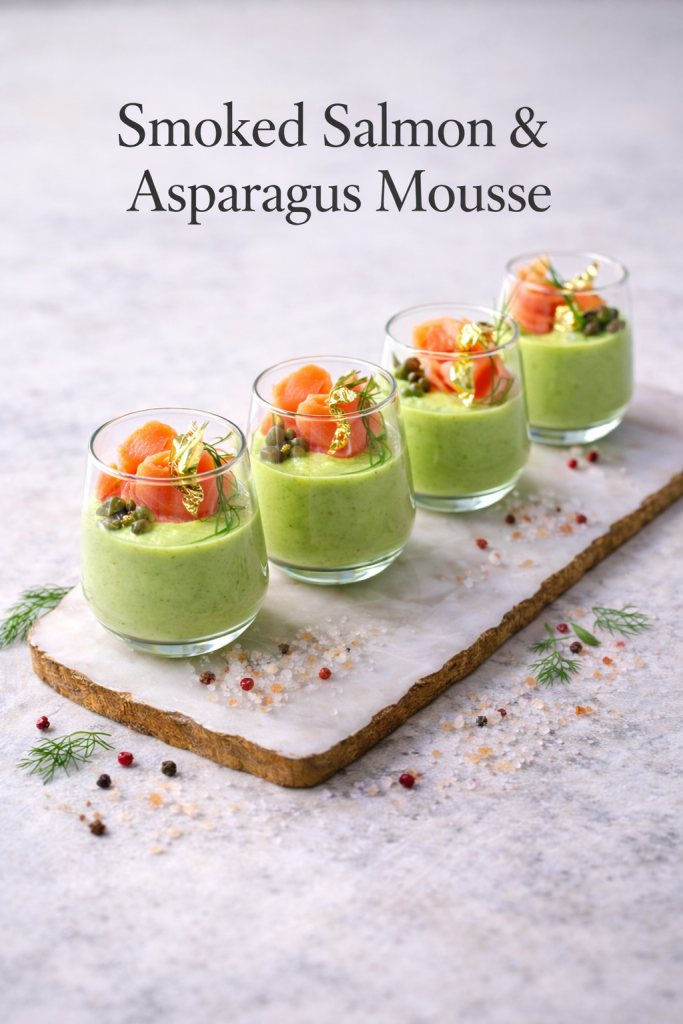
Why it works: Every shakshuka needs a textural and flavor counterpoint. This elegant no-bake smoked salmon and asparagus mousse—light, creamy, and luxuriously smooth—provides a cooling, sophisticated contrast to the warm, acidic, chunky cherry tomato sauce. The bright, grassy notes of the asparagus and the smoky salinity of the salmon cleanse the palate between bites of the spiced eggs, creating a true fine-dining rhythm.
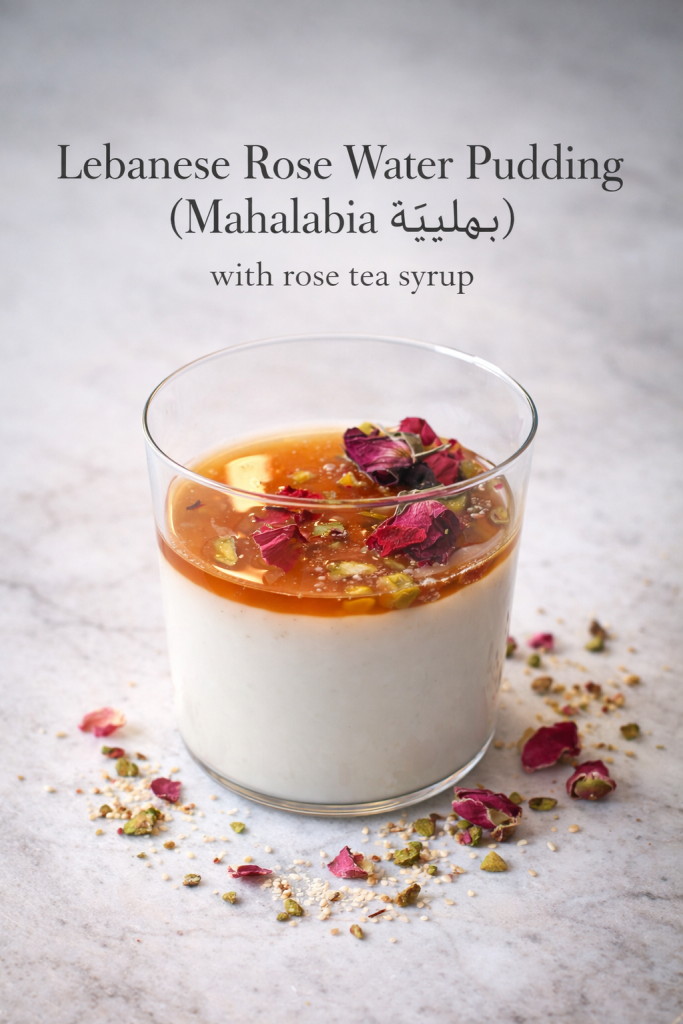
Why it works: After a spicy, savory meal, this creamy, floral, gently sweetened milk pudding is the ultimate extinguisher. The delicate rose water and orange blossom notes provide a perfumed, cooling contrast to the shakshuka's heat, while the silky texture rests the palate after the rich, chunky tomato sauce.
Why it works: The blackcurrant (Crème de Bourgogne) adds a deep, dark fruit sweetness that complements the acidity of the tomatoes. The crisp white wine base acts as a palate cleanser, making every bite of the spiced shakshuka feel like the first.
Why it works: Using the cumin from your shakshuka recipe as a bridge, a toasted cumin limeade is a classic North African pairing. The mint cools the cayenne heat, while the lime mimics the brightness of the cherry tomatoes.
*(To make: Muddle 10 mint leaves + 1 tsp toasted cumin seeds + 2 tbsp lime juice + 1 tbsp honey. Shake with ice, top with sparkling water.)*
Dietary:
Gluten-Free, Gut-Healthy, High Protein, Low-Carb / Keto, Vegetarian
Description
This mini quail egg shakshuka uses halved fresh cherry tomatoes plus a full can of crushed tomatoes for a bright yet deeply flavored sauce. With one chicken egg and eight quail eggs divided into six portions, everyone gets the perfect runny yolk.
1can crushed San Marzano tomatoes (or other high-quality plum tomatoes) (15 oz / 425g)
1/2cup water or vegetable broth (120 ml)
For the Eggs:
1large chicken egg (cold, straight from fridge)
8fresh quail eggs (see note below on cracking)
For Garnish:
1/3cup crumbled feta cheese (50g)
1/4cup fresh flat-leaf parsley, roughly chopped
Flaky sea salt (like Maldon)
Crusty bread or pita, for serving
Instructions
1
Prep your tomatoes and peppers. Halve all the cherry tomatoes. Seed the serrano peppers and slice them into thin rings. Pro tip: Wear gloves if you are sensitive to capsaicin.
2
Sauté the aromatics (Maillard = flavor). Heat 2 tbsp olive oil in a large, deep 12-inch skillet or a wide Dutch oven over medium heat. Add the diced onion and 1 tsp salt. Cook, stirring occasionally, for 5-7 minutes until the onion is soft, translucent, and just beginning to turn golden at the edges. Don't rush this—the fond building on the pan bottom is future flavor.
3
Bloom the spices. Add the sliced serrano peppers, cumin, paprika, turmeric, black pepper, and cayenne. Stir constantly for 60 seconds. You will smell the spices becoming fragrant and toasty. This step activates their essential oils.
4
Add the cherry tomatoes first. Add all the halved cherry tomatoes to the pan. Do not stir immediately. Let them sit for 2 minutes to blister on the cut sides. Then stir. Use the back of your spoon to gently press down—the tomatoes will burst, releasing their pectin-rich juices.
5
Add the canned tomatoes and liquid. Pour in the crushed San Marzano tomatoes and ½ cup water or broth. Scrape the bottom of the pan vigorously to deglaze all those browned bits (the fond). Stir to combine both tomato types.
6
Simmer the sauce. Bring to a simmer, then reduce heat to medium-low. Cook for 10-12 minutes, stirring occasionally, until the cherry tomatoes have completely collapsed and the sauce is thick, jammy, and deeply red. The sauce is ready when a spoon drawn through it leaves a clear trail for 2 seconds before the sauce refills.
7
Season and portion. Taste the sauce. Add more salt if needed (canned tomatoes vary in saltiness). If using six mini skillets (oven-safe, 4-inch each), divide the sauce evenly among them. Alternatively, keep everything in the large skillet and use the back of a spoon to create 6 small wells.
8
Add the chicken egg. Crack the one chicken egg into a small bowl. Carefully pour it into the center of the pan (or one of the mini skillets). The white will spread. That's fine.
9
Add the quail eggs. One by one, crack the 8 quail eggs into separate small bowls. Gently nestle them around the chicken egg (in the large skillet) or distribute them: Make 6 wells. Place 1 quail egg in 5 wells. In the 6th well, place 1 chicken egg + 3 quail eggs. That 6th portion is a "double yolk" spectacular portion for the hungriest guest.
10
Cook the eggs. Cover the skillet(s) with a lid (or foil for mini skillets). Cook over low heat for 4-6 minutes. Quail eggs set faster than chicken eggs. You want the whites fully opaque but the yolks still jiggly when you gently shake the pan. *The perfect doneness is 145°F / 63°C yolk temperature.*
11
Finish and serve. Remove from heat immediately. Sprinkle crumbled feta and fresh parsley over each portion. Add a pinch of flaky sea salt. Serve directly in the hot skillet with crusty bread or pita for dipping.
Nutrition Facts
Servings 6
Amount Per Serving
Calories225kcal
% Daily Value *
Total Fat15g24%
Saturated Fat4.5g23%
Sodium620mg26%
Total Carbohydrate14g5%
Dietary Fiber4g16%
Sugars8g
Protein11g22%
* Percent Daily Values are based on a 2,000 calorie diet. Your daily value may be higher or lower depending on your calorie needs.
Note
Pro Tips for Success:
Halve your cherry tomatoes. This is not optional for this hybrid recipe. Whole cherry tomatoes take much longer to burst and release their pectin.
Cracking quail eggs is the hardest skill. Use small, sharp scissors or a serrated steak knife to saw the top ¼ of the shell off. Pour the egg out like opening a soft-boiled egg. Do not crack on a bowl edge.
Don't overcook quail eggs. They go from runny to rubbery in about 60 seconds. Pull them off heat while the yolk still wobbles.
Use high-quality canned tomatoes. San Marzano (look for the DOP seal) have naturally lower acidity and higher pulp content. Cheap canned tomatoes can make the sauce bitter.
Make-Ahead & Storage:
Make the sauce ahead: Prepare the tomato-shakshuka base (steps 1-6) up to 3 days in advance. Cool and refrigerate. Reheat gently before adding eggs.
Leftovers: Shakshuka does not freeze well (eggs become rubbery). Refrigerate leftover sauce (without eggs) for up to 4 days. Add fresh eggs when reheating.
Storage: Store any uneaten shakshuka with eggs in an airtight container for up to 2 days. The yolks will solidify. Reheat gently in a covered pan with a splash of water.
Substitutions:
No quail eggs? Use 12 chicken eggs (2 per portion) but adjust cooking time to 8-10 minutes covered.
No cherry tomatoes? Use a second 15-oz can of crushed tomatoes + 1 tsp sugar. The sauce will still be delicious but lack the fresh burst texture.
No serrano peppers? Use 1 jalapeño or ½ tsp red pepper flakes.
Vegetarian/vegan: Omit eggs and feta. Add ½ cup cooked chickpeas and top with vegan feta. It becomes "shakshuka stew."
Troubleshooting:
My egg whites are spreading too thin: Make deeper wells in the sauce. Use a spoon to create a crater with high walls.
The sauce is too acidic: Add a pinch of baking soda (¼ tsp) or 1 tsp honey. Using San Marzano tomatoes reduces this risk.
Quail eggs broke into the sauce: That's fine! Stir them in for extra richness. Crack a fresh one on top.
Sauce is too thin: Simmer uncovered for 5 extra minutes. The pectin from cherry tomatoes will eventually thicken it.
Keywords:
mini quail egg shakshuka, quail eggs recipe, cherry tomato shakshuka, individual shakshuka, shakshuka appetizer, how to cook quail eggs, north african breakfast, brunch for a crowd, small batch shakshuka, shakshuka with fresh tomatoes, eggs in purgatory variation, israeli breakfast, spicy tomato sauce, one pan egg dish, gluten free brunch, low carb breakfast, entertaining appetizer, runny yolk recipe, shakshuka with canned tomatoes,
Regional Variations: Green Shakshuka & Beyond
In Tunisia, you'll find shakshuka mchermel with preserved lemon and olives. In Turkey, menemen uses scrambled eggs instead of poached. Try a Green Shakshuka using tomatillos, green peppers, cilantro, and spinach. For a Red Lentil Shakshuka, add ½ cup red lentils with the water—they dissolve into the sauce, adding protein and thickness. The quail egg version is most popular in Japanese izakayas (pub-style restaurants), where it's served in tiny clay pots called donabe.
Why This Hybrid Tomato Sauce Works
Most shakshuka recipes use either all fresh tomatoes (bright but thin) or all canned (deep but one-dimensional). This hybrid approach gives you the best of both worlds. The cherry tomatoes contribute pectin (a natural gelling agent found in fruit skins and seeds) and fresh sweetness. The canned San Marzano tomatoes contribute glutamates (umami compounds from the aging process) and body. Together, they create a sauce that is thick, jammy, complex, and bursting with fresh tomato flavor.
The Ritual of Sharing
In traditional Bedouin culture, shakshuka is cooked in a single pan and placed in the center of a floor cloth. Everyone tears off flatbread and dips directly into the communal pan—no plates, no utensils. The mini quail egg shakshuka modernizes this ritual by giving each person their own pan, preserving the intimacy of shared eating without the reach.