
This 30-minute creamy paprika shrimp skillet delivers bold, smoky flavor and a velvety sauce without a single grain of pasta.
Intro
There are weeknight dinners, and then there are victories. This creamy paprika shrimp skillet is the latter. It’s the dish that feels fancy enough for a date night at home but comes together faster than delivery pizza. According to The Kitchn’s guide to one-pan meals, the best weeknight dinners minimize cleanup without sacrificing flavor—and this recipe delivers exactly that.
Imagine plump, juicy shrimp seared until golden, then simmered in a velvety sauce infused with smoked paprika, sweet red pepper, wilted spinach, and a whisper of red pepper heat. No orzo. No rice. No bread required (though a hunk of crusty bread for swiping is always welcome). This dish stands proudly on its own as a low-carb, high-protein masterpiece.
This recipe solves the two biggest problems with cream-based seafood dishes: bland shrimp and broken sauces. By searing the shrimp first and building the sauce in the same pan, we lock in deep, smoky flavor. No canned soup. No processed cheese. Just real food, cooked brilliantly.
The History
While this exact recipe is a modern creation, it draws deep inspiration from two culinary traditions: Italian-American scampi and Spanish gambas al ajillo. For a deeper dive into Spanish shrimp cooking, Serious Eats explores gambas al ajillo here.
Italian-American scampi emerged in the early 20th century when immigrants adapted Venetian recipes using local American ingredients. The classic version features shrimp cooked in garlic, butter, white wine, and lemon. Our recipe keeps the garlic and lemon but adds tomato paste and cream for richness.
Spanish gambas al ajillo, traditionally served in sizzling clay dishes, contributes the technique of infusing olive oil with garlic and red pepper flakes before adding seafood. The addition of smoked paprika is a direct nod to Spanish cuisine, where pimentón is a pantry staple.
The addition of spinach and bell pepper reflects a modern “one-pan meal” ethos—popularized in the 2010s by cookbooks like The Smitten Kitchen Cookbook and Damn Delicious. Home cooks wanted complete meals with built-in vegetables and minimal cleanup. If you love efficient cooking, try our One-Pan Lemon Herb Chicken Thighs next.
The Science
Why sear the shrimp first? The Maillard reaction. When you pat shrimp dry and hit them with high heat, their natural sugars and amino acids undergo a browning reaction that creates dozens of savory, nutty, and roasted flavor compounds. Skipping this step yields boiled, rubbery shrimp. Searing first builds the foundation of the entire dish.
Why deglaze with broth? After searing, browned bits (fond) stick to the pan. These are pure flavor. Pouring in broth releases the fond through dissolution—the liquid lifts those particles so they become part of the sauce. This is why we use broth, not water: it adds another layer of umami.
Why add cream at the end? Dairy proteins (casein) can curdle when exposed to high heat or high acidity for too long. By simmering the tomato-broth mixture first, we reduce it, concentrate flavors, and lower the temperature slightly. Adding cream off-heat or at a gentle simmer emulsifies the fat into the sauce without breaking it. The result is silky, not grainy. For a scientific breakdown of sauce emulsification, J. Kenji López-Alt explains the science at Serious Eats.
Good Pairing Food and Drink
Good Pairing Food and Drink
This creamy paprika shrimp skillet is rich, smoky, and satisfying on its own. But if you’re building a full menu, these pairings will elevate your meal from weeknight dinner to feast. Each recommendation comes from the Food Illustrated archives, so you know they’re tested and delicious.
Appetizer:
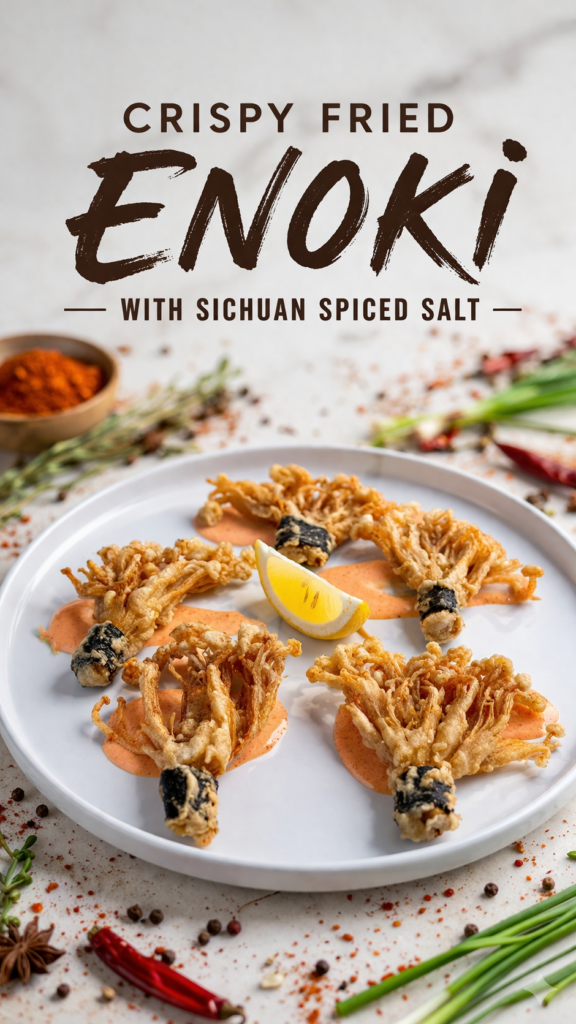
Crispy Fried Enoki with Sichuan Spiced Salt
Start your meal with these shatteringly crisp nori-wrapped enoki mushrooms dusted with a tingling Sichuan peppercorn salt. The light, airy crunch contrasts beautifully with the velvety cream sauce of the shrimp skillet. The warm, citrusy spice of the Sichuan salt also echoes the smoked paprika in the main dish, creating a cohesive flavor journey from first bite to last.
Snack (Pre-Dinner Nibble):
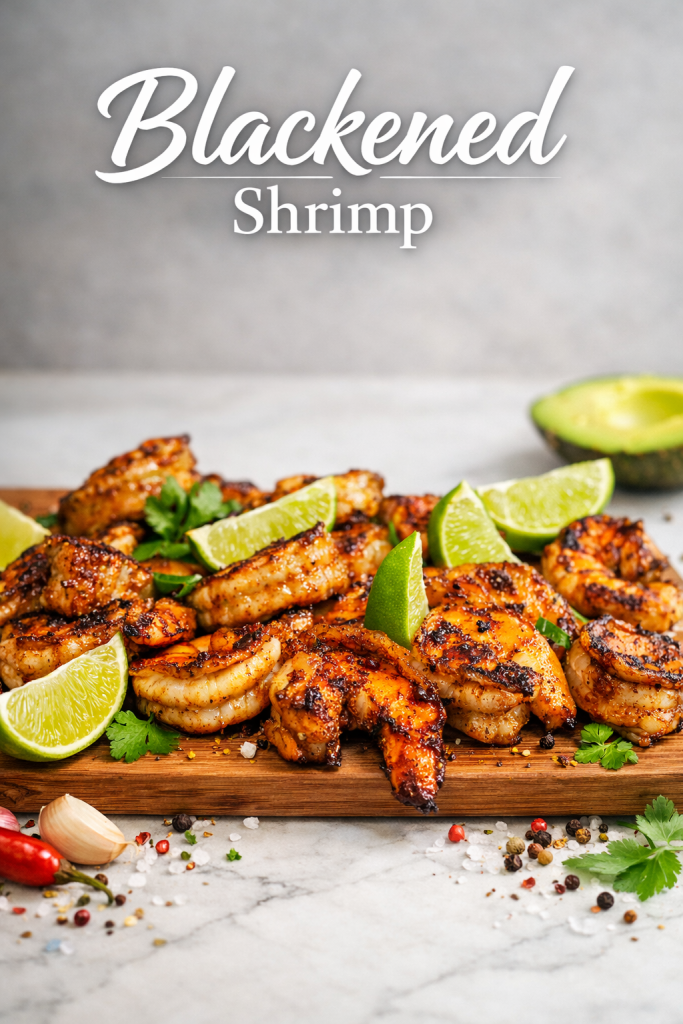
Blackened Shrimp: A 15-Minute Cajun Classic That Packs a Punch
Yes, you can serve two shrimp dishes in one meal—and you should. These Cajun-spiced blackened shrimp offer a completely different experience: bold, smoky, spicy, and seared in a screaming-hot cast iron skillet. Serve them as a passed appetizer with lime wedges while you finish the creamy paprika shrimp skillet. The contrast between the dry, crusty blackened shrimp and the saucy, creamy main dish is pure magic.
Main Course:
This creamy paprika shrimp skillet is the main event. Serve it as written, with crusty bread for dipping (or over zucchini noodles for low-carb). The recipes above and below are designed to complement it, not compete.
Side Dish:
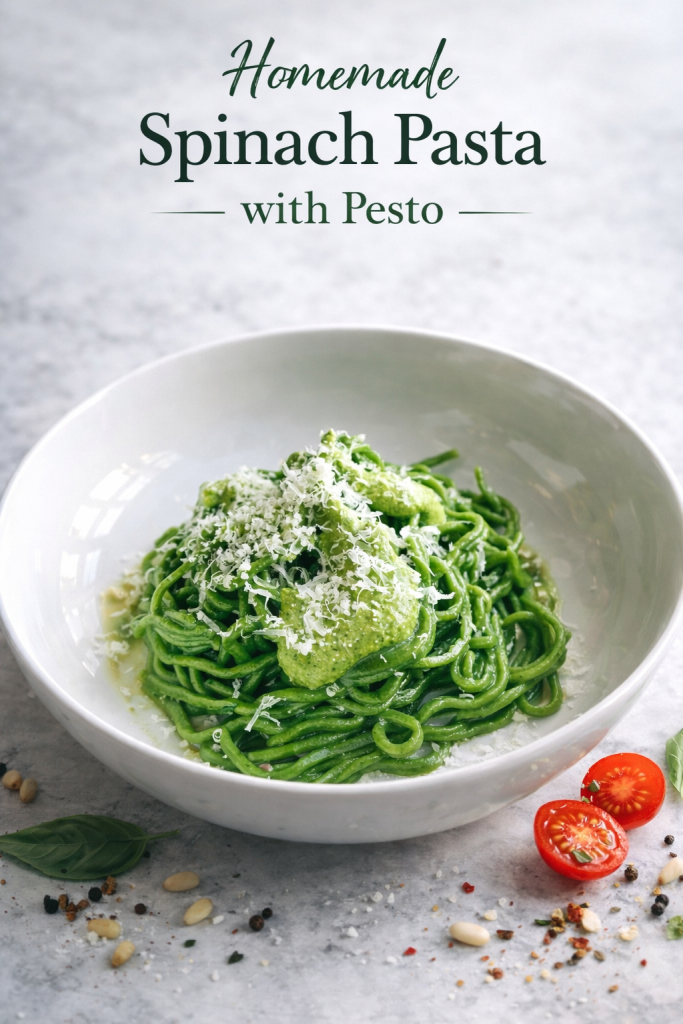
Homemade Spinach Pasta with Pesto: Vibrant Green Garlicky Goodness
For an unforgettable Italian-Mediterranean fusion, serve this creamy shrimp skillet alongside (or even tossed with) fresh homemade spinach pasta. The bright, garlicky, nutty pesto provides a herbal counterpoint to the smoky paprika cream sauce. Twirl a forkful of green pasta, then top it with a spoonful of shrimp and sauce. The two together are greater than the sum of their parts. (If you’re short on time, use high-quality store-bought spinach fettuccine.)
Dessert:
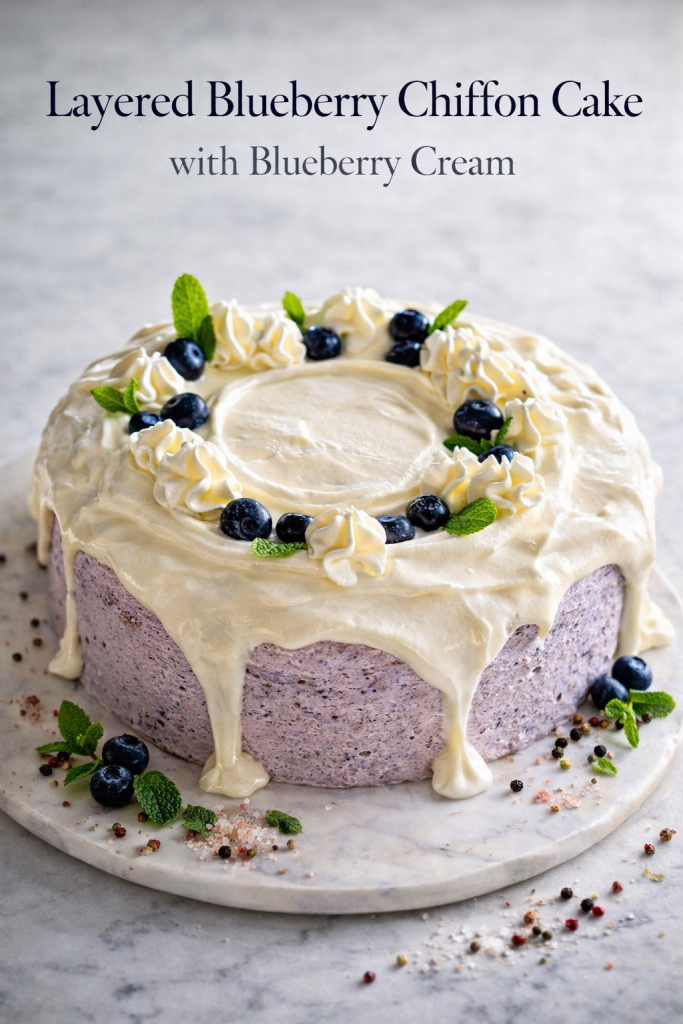
Layered Blueberry Chiffon Cake with Blueberry Cream
After a rich, savory, creamy main course, you need something light, bright, and elegant. This layered blueberry chiffon cake delivers exactly that. The impossibly airy sponge and luscious blueberry-infused whipped cream are fruity and refreshing without being heavy. The natural acidity of the blueberries cuts through any lingering richness from the shrimp skillet, cleansing your palate and ending the meal on a high note.
Cocktail:
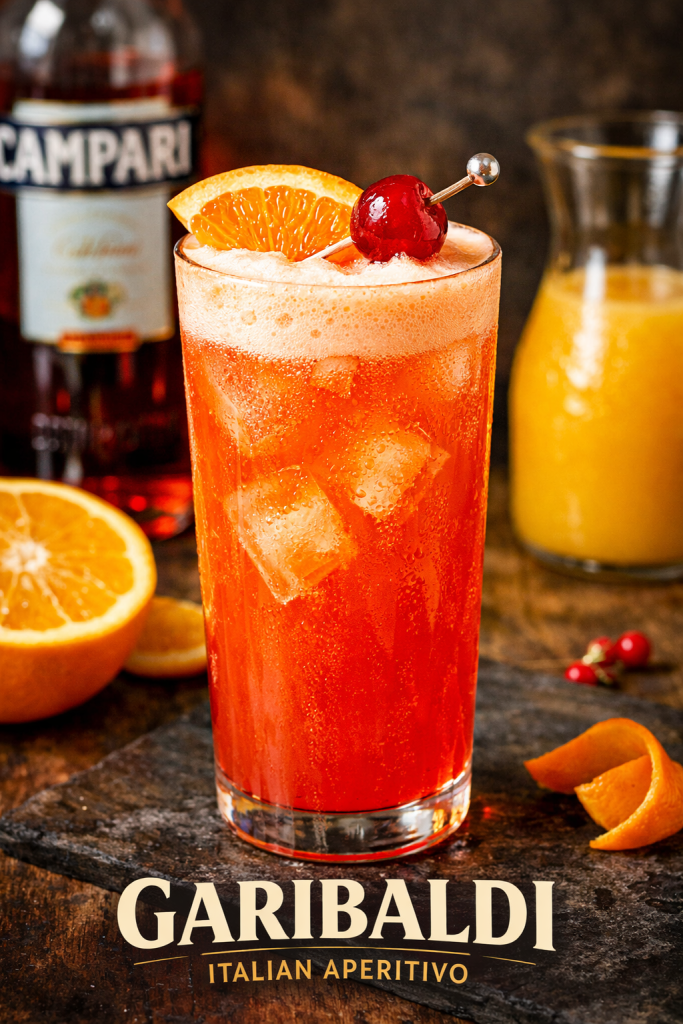
Garibaldi Cocktail: The 2-Ingredient Italian Aperitivo That Unites a Nation
This iconic Italian drink balances bitter Campari with frothy, freshly squeezed orange juice. The bright citrus and gentle bitterness are the perfect foil for the creamy, smoky shrimp. The Garibaldi’s signature fluffy texture (achieved by aerating the orange juice) softens the Campari’s edge, making it an approachable aperitif that prepares your palate without overwhelming it. Serve it before or during the meal—it’s lower in alcohol than a Negroni, so it won’t compete with the food.
Non-Alcoholic Drink:
Sparkling Mint Limeade
While not from your provided links, this simple mocktail is the ideal non-alcoholic pairing. Muddle fresh mint leaves with lime juice and a teaspoon of honey or simple syrup. Top with chilled sparkling water and garnish with a lime wheel. The bubbles cleanse the palate between bites of creamy shrimp, while the bright mint and lime echo the lemon juice and parsley in the main dish. It’s refreshing, hydrating, and lets the food shine.
Description
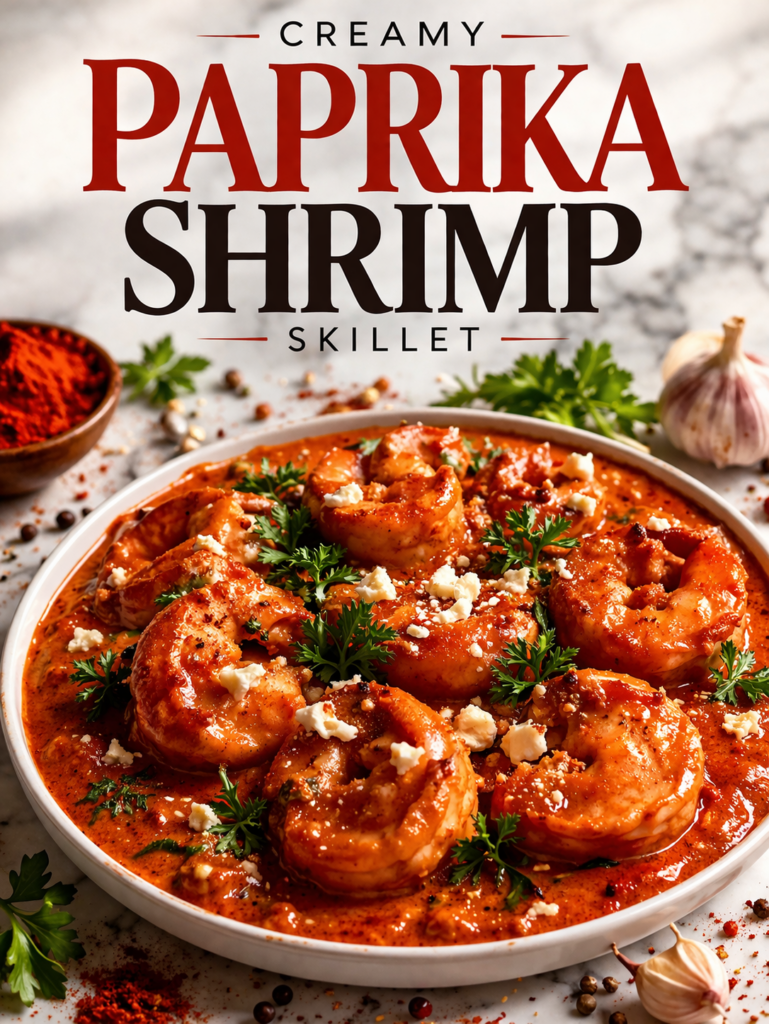
This creamy paprika shrimp skillet delivers plump, seared shrimp in a rich, smoky sauce made with tomato paste, garlic, spinach, and heavy cream. Ready in 30 minutes using one pan, it's naturally low-carb and perfect for busy weeknights
Ingredients
For the shrimp:
For the sauce:
Instructions
-
Prep and season the shrimp. Pat shrimp completely dry with paper towels. This step is critical for browning. Season evenly with ½ tsp. salt and ½ tsp. black pepper.
-
Sear the shrimp. Heat 2 Tbsp. olive oil in a large skillet (12-inch recommended) over medium-high heat until shimmering. Arrange shrimp in a single layer without overlapping. If your pan is small, work in two batches. Cook for 3 minutes without moving them. The bottom should be golden and slightly charred. Flip and cook 1 more minute, until shrimp are firm, pink, and no longer opaque. Transfer to a plate. They will finish cooking in the sauce later, so slightly undercook them now.
-
Cook the aromatics. Reduce heat to medium. Add remaining 1 Tbsp. oil to the same pan (no need to wipe it out). Add shallots and red bell pepper. Cook 3–4 minutes, stirring occasionally, until softened but not browned.
-
Bloom the tomato paste. Add garlic, tomato paste, and red pepper flakes. Cook 2–3 minutes, stirring constantly. The tomato paste should darken to a brick-red color and become fragrant. This step removes raw, metallic flavors and adds deep umami.
-
Deglaze and reduce. Pour in broth, scraping the bottom of the pan with a wooden spoon to release all browned bits. Simmer for 5 minutes, stirring occasionally, until the liquid is reduced by about half. The sauce should thicken slightly.
-
Add spinach and cream. Stir in smoked paprika and fresh spinach. Cook 1–2 minutes until spinach is completely wilted. Reduce heat to low. Stir in heavy cream and 1 Tbsp. lemon juice. Season with remaining ½ tsp. salt and ¼ tsp. black pepper. Taste and add additional lemon juice if desired.
-
Combine and serve. Nestle the cooked shrimp back into the skillet, including any juices from the plate. Simmer gently for 1 minute to warm through. Garnish with fresh parsley. Serve immediately.
Nutrition Facts
Servings 4
- Amount Per Serving
- Calories 465kcal
- % Daily Value *
- Total Fat 36g56%
- Saturated Fat 16g80%
- Cholesterol 245mg82%
- Sodium 890mg38%
- Total Carbohydrate 9g3%
- Dietary Fiber 2g8%
- Sugars 4g
- Protein 28g57%
* Percent Daily Values are based on a 2,000 calorie diet. Your daily value may be higher or lower depending on your calorie needs.
Note
Pro tips for success:
- Use smoked paprika. It's not a garnish—it's the soul of this creamy paprika shrimp skillet. Sweet paprika will work, but you'll lose the signature smoky depth.
- Pat shrimp bone-dry. Any moisture creates steam, not browning. Use two paper towels and press gently.
- Don't crowd the pan. Overlapping shrimp steam instead of sear. Cook in batches if needed.
- Watch the tomato paste. It goes from caramelized to burnt in seconds. Stir constantly and look for a deep rust color, not black.
- Use fresh lemon juice. Bottled juice lacks brightness and can taste metallic.
Make-ahead instructions:
You can chop shallot, bell pepper, and garlic up to 2 days ahead. Store separately in airtight containers in the fridge. Do not cook the shrimp ahead—reheating makes them rubbery.
Storage guidelines:
- Refrigerator: Store in an airtight container for up to 2 days. Reheat gently on the stovetop over low heat, adding a splash of broth or water to loosen the sauce. Microwave on 50% power in 30-second bursts.
- Freezer: Not recommended. Cream-based sauces separate upon thawing, becoming grainy. The shrimp also become tough.
Substitutions (with success predictions):
- Heavy cream → Full-fat coconut milk (85% success): Makes it dairy-free and adds coconut flavor. Stir in off-heat. Avoid light coconut milk—it will curdle.
- Shrimp → Boneless chicken thighs (90% success): Sear 5–6 minutes per side, then slice and return at the end. Increase broth to 1 cup and simmer 10 minutes longer.
- Spinach → Kale (95% success): Use chopped lacinato kale. Add with the broth and simmer 5 minutes before adding cream.
- Smoked paprika → Chipotle powder (80% success): Use only ½ tsp. chipotle—it's much spicier and smokier.
Troubleshooting:
- Sauce is too thin? Simmer 2–3 minutes longer before adding cream. Or mix 1 tsp. cornstarch with 1 Tbsp. cold water and stir in.
- Sauce curdled/grainy? Heat was too high when adding cream. This can't be fully fixed. Blend with an immersion blender for a smoother texture.
- Shrimp are tough? Overcooked. Next time, remove shrimp after flipping and 1 minute—they'll finish in the warm sauce.