
Master the classic Sidecar cocktail with this foolproof recipe. Learn the history, science, and technique behind this elegant brandy sour—perfect for any occasion.
INTRO
There are cocktails, and then there are cocktails that arrive with an air of sophistication, a hint of Jazz Age glamour, and a story that’s almost as intoxicating as the drink itself. The Sidecar is precisely that—a beautifully balanced blend of cognac, orange liqueur, and fresh lemon juice that has stood the test of time for nearly a century.
I still remember my first perfectly executed classic Sidecar cocktail. It was at a dimly lit bar in New Orleans, served in a chilled coupe with a perfect sugar rim. One sip, and I understood why this drink has never gone out of style. It’s tart but not puckering, strong but not harsh, sweet but not cloying. It’s the Goldilocks of cocktails—everything just right.
Today, I’m sharing everything I’ve learned about this magnificent drink. We’ll explore its fascinating (and slightly disputed) origins, understand the chemistry that makes it work, and most importantly, master the technique so you can make a Sidecar that would make any 1920s bartender proud.
THE HISTORY: From Parisian Bars to Jazz Age Legends
The origin story of the Sidecar reads like a delicious game of historical telephone—everyone agrees it’s French, but the details get fuzzy in the most charming way.
The most widely accepted tale places the Sidecar’s birth at the Ritz Hotel in Paris during or shortly after World War I. According to cocktail historian David Wondrich, the drink was created for an American army captain who arrived at the hotel not in a car, but in the sidecar of a motorcycle. Hence the name. The captain, the story goes, preferred his brandy drinks with a little something extra, and the bartender obliged with this now-classic combination.
Another compelling version credits the Sidecar to Frank Meier, the legendary head bartender at the Ritz from the 1920s through the 1940s. Meier’s 1936 book, “The Artistry of Mixing Drinks,” includes one of the earliest published recipes for the Sidecar, lending credibility to this origin story.
But wait—there’s more! Some claim the drink originated at Buck’s Club in London, while others point to Harry’s New York Bar in Paris, a legendary establishment that gave us the Bloody Mary and the French 75. The common thread? All roads lead to the 1920s, to Europe, and to the golden age of cocktails when American expats and European bartenders were creating magic together.
What we know for certain is that the Sidecar appeared in print by the early 1920s and quickly became one of the most popular brandy cocktails in the world. It was included in Harry Craddock’s seminal 1930 “The Savoy Cocktail Book,” which cemented its place in cocktail history. The Sidecar represented everything the Jazz Age loved: sophistication, balance, and just enough edge to feel exciting.
Interestingly, the original recipes called for equal parts cognac, orange liqueur, and lemon juice—a much tarter drink than what most modern palates prefer. Over the decades, the recipe evolved toward the 2:1:1 ratio we use today (two parts spirit, one part each liqueur and citrus), a testament to how classic cocktails are living things that adapt to changing tastes while maintaining their essential soul.
THE SCIENCE: Understanding Balance, Dilution, and Temperature
A great Sidecar isn’t just a recipe—it’s chemistry in a glass. Understanding what’s happening on a molecular level transforms you from a recipe follower into a true cocktail craftsman.
Let’s start with the foundation: dilution. When you shake this cocktail with ice, you’re not just chilling it—you’re intentionally adding water. The ideal cocktail contains about 20-25% dilution from melted ice. Why? Because alcohol by itself is harsh; the ethanol molecules are aggressive on the palate. Water molecules tame that aggression, rounding out the edges and allowing the more delicate flavor compounds to emerge. Think of it as turning down the volume on the alcohol so you can hear the beautiful music of the cognac, orange, and lemon.
The balance between sweet and sour is pure chemistry. Our taste buds perceive sweetness and acidity in relation to each other. The sugar from the orange liqueur (and optional sugar rim) doesn’t just add sweetness—it actually modifies how we perceive the lemon’s acidity. Too little sugar, and the drink tastes aggressively sour. Too much, and it becomes flabby and one-dimensional. The 2:1:1 ratio exists because generations of drinkers have found that this specific balance hits the sweet spot where both elements sing in harmony.
Now, about that lemon juice. Freshly squeezed is non-negotiable here, and here’s why. Bottled lemon juice contains preservatives, often sodium metabisulfite, which imparts a metallic, slightly bitter taste. More importantly, fresh lemon juice contains volatile oils in the zest that are expressed during squeezing—these aromatic compounds are part of what makes the Sidecar smell and taste alive. Without them, you have a drink that’s technically sour but emotionally flat.
The sugar rim isn’t just decorative or textural. When you sip a Sidecar through a sugar rim, the first thing that hits your tongue is a touch of sweetness. This primes your palate, softening the initial impact of the lemon’s acidity and the brandy’s warmth. It’s a strategic move, a little architectural detail that makes the whole drinking experience more graceful.
Temperature matters enormously here. A properly chilled Sidecar should be served at around 20°F (-6°C)—cold enough to be bracing but not so cold that it numbs your palate. The vigorous shaking accomplishes two things: maximum chilling and that beautiful, tiny amount of aeration that gives the cocktail a silky texture. Over-shaking, though, leads to over-dilution and a watery drink. The sweet spot is about 12-15 seconds of aggressive shaking, until the shaker is almost too cold to hold.
Finally, the choice of orange liqueur dramatically affects the final product. Curaçao tends to be darker, richer, with more complexity. Triple sec is cleaner, brighter, more straightforward. Cointreau sits somewhere in between—crisp but with enough depth to be interesting. Each will produce a slightly different Sidecar, and that’s wonderful. You get to choose your adventure.
GOOD PAIRING FOOD AND DRINK
One Appetizer: Oysters on the Half Shell with Mignonette
The briny, mineral freshness of raw oysters provides the perfect opening act for a Sidecar. The cocktail’s bright citrus cuts through the oyster’s oceanic richness, while the brandy’s warmth lingers just long enough to complement the mignonette’s vinegar bite. Together, they create a beautiful conversation between land and sea.
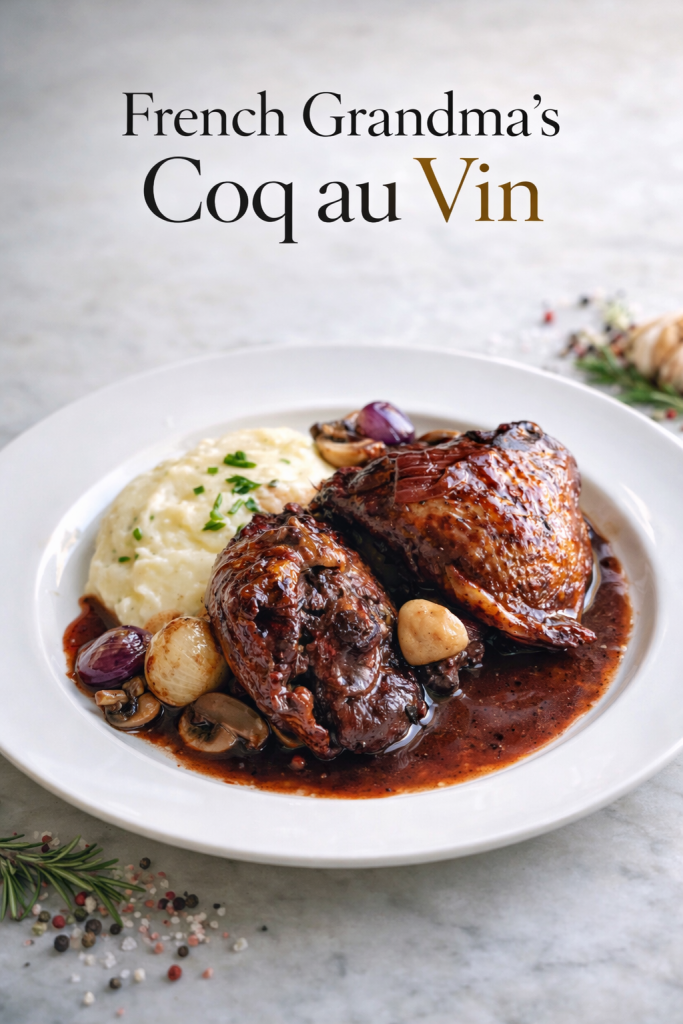
One Main Course: Coq au Vin
If you’re building a French-inspired feast, follow your Sidecar with this classic chicken braised in red wine. The brandy in the cocktail echoes the wine in the dish, while the orange notes find harmony with the bacon and mushrooms. The Sidecar acts as both aperitif and palate primer for the rich, savory meal ahead.
One Side Dish: Pommes Anna
Thinly sliced potatoes baked in a mountain of butter until crisp and golden—this is the side dish of your dreams. The buttery richness demands something with acidity to cut through, and your Sidecar answers the call. Each sip resets your palate for another forkful of those irresistible potatoes.
One Dessert: Tarte au Citron
Lemon on lemon? Absolutely. This classic French lemon tart mirrors the Sidecar’s citrus soul while offering a completely different texture. The tart’s silky curd and buttery crust play off the cocktail’s bright acidity and warming brandy. It’s like the Sidecar turned into dessert form.
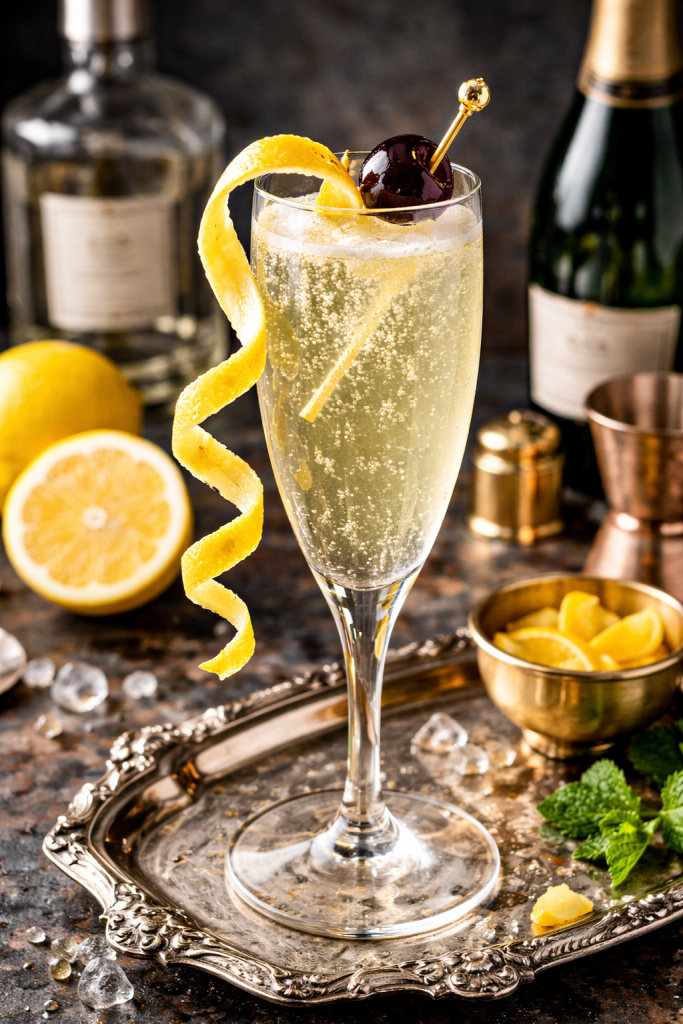
One Cocktail: This is the cocktail! But if you’re serving a second round, consider a French 75—gin, lemon, sugar, and Champagne. It shares the Sidecar’s citrus backbone and effervescence but lightens the mood with bubbles.
One Non-Alcoholic Drink: Sparkling Lemon Verbena Spritz
Muddle fresh lemon verbena leaves with a teaspoon of honey, add fresh lemon juice, top with sparkling water, and serve in a champagne flute. The herbal, citrusy notes echo the Sidecar’s profile while the bubbles provide that same elegant, celebratory feeling.
Description
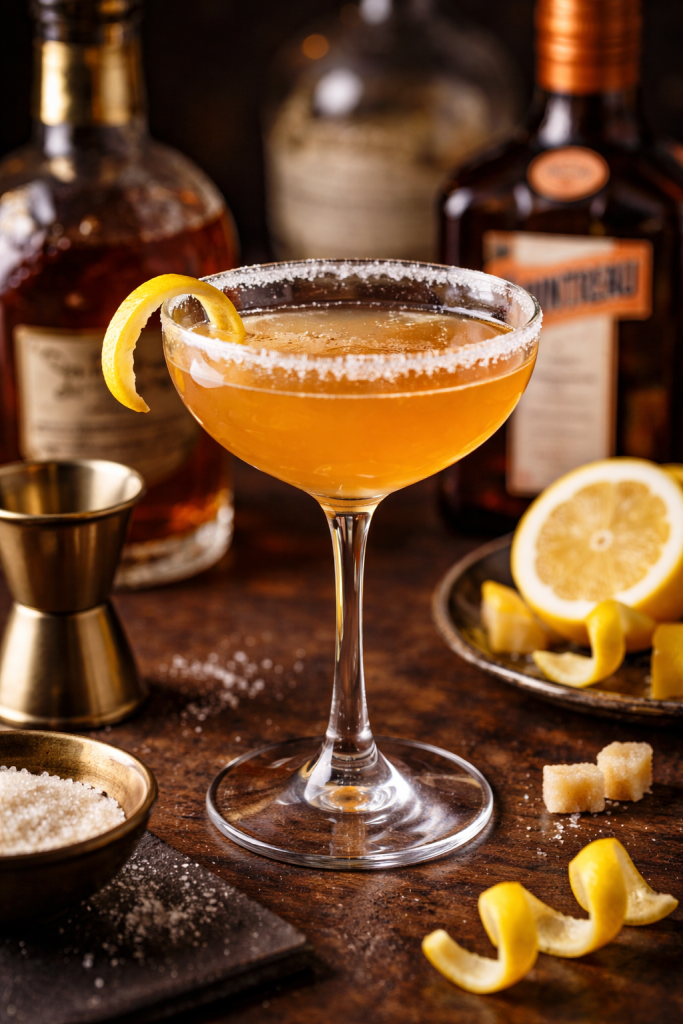
Transport yourself to a Parisian jazz bar with this classic Sidecar cocktail. Bright lemon, smooth cognac, and sweet orange liqueur come together in perfect harmony, finished with an optional sugar rim for a touch of elegance. Ready in minutes, it's the ultimate sophisticated sip for any occasion.
Ingredients
Instructions
-
Chill your glass. Place a coupe or martini glass in the freezer for at least 10 minutes before starting. A properly chilled glass keeps your cocktail cold longer without excessive dilution.
-
Prepare the garnish and rim (if using). Rub a lemon wedge around the rim of your chilled glass. Dip the rim into a small plate of superfine sugar, rotating gently to coat evenly. Tap off any excess. Set aside.
-
Combine ingredients. Fill a cocktail shaker with ice cubes. Add the cognac, orange liqueur, and fresh lemon juice. If you prefer a slightly sweeter Sidecar, add the simple syrup now.
-
Shake vigorously. Shake hard for 12-15 seconds. You'll know it's ready when the shaker feels almost too cold to hold and condensation forms heavily on the outside. This isn't just for show—proper shaking ensures optimal dilution and chilling.
-
Double strain. Place a fine-mesh strainer over your prepared glass. Strain the cocktail through both the shaker's built-in strainer and the fine-mesh strainer. This removes any tiny ice shards and bits of citrus pulp, giving you a silky-smooth texture.
-
Garnish and serve. Express a lemon or orange twist over the surface of the drink by holding it between thumb and forefinger and giving it a sharp twist. Rub the twist around the rim of the glass, then drop it in or place it on the rim. Serve immediately and enjoy.
Nutrition Facts
- Amount Per Serving
- Calories 180kcal
- % Daily Value *
- Sodium 2mg1%
- Total Carbohydrate 10g4%
- Dietary Fiber 9g36%
* Percent Daily Values are based on a 2,000 calorie diet. Your daily value may be higher or lower depending on your calorie needs.
Note
Pro Tips for Success:
- Fresh juice is non-negotiable. Bottled lemon juice contains preservatives that impart a metallic taste. For the best Sidecar of your life, squeeze your lemons moments before shaking.
- Quality matters, but price isn't everything. You don't need an XO cognac for mixing—a good VS or VSOP is perfect. Similarly, Cointreau is the gold standard for orange liqueur, but quality triple sec works beautifully.
- Taste and adjust. Everyone's palate is different. After your first shake, taste the cocktail. Too tart? Add a tiny splash of simple syrup next time. Too sweet? Back off the orange liqueur slightly. The 2:1:1 ratio is a starting point, not a commandment.
- Warm glass? No thank you. A warm glass will immediately warm your beautifully chilled cocktail. Always, always chill your glassware.
Make-Ahead Instructions:
- You can pre-batch the cognac and orange liqueur in a sealed bottle in the fridge for up to a month. Add fresh lemon juice only when ready to serve—juice doesn't hold well.
Storage Guidelines:
- This cocktail is best enjoyed immediately. It doesn't store well once mixed and shaken.
Substitutions:
- No cognac? Use any good-quality brandy. American brandy works beautifully and often costs less.
- No orange liqueur? This is harder to substitute, but in a pinch, use a mixture of 1 ounce vodka + ¼ ounce orange syrup. It won't be the same, but it'll be pleasant.
- Less sweet? Skip the sugar rim entirely or reduce the orange liqueur to ¾ ounce and add a splash more cognac.
- Mocktail version: Combine 2 ounces strong brewed orange pekoe tea, 1 ounce orange juice, ¾ ounce fresh lemon juice, and ½ ounce simple syrup. Shake with ice and strain into a sugar-rimmed glass.
Troubleshooting:
- Too sweet? Increase the lemon juice slightly next time or reduce the orange liqueur.
- Too tart? Add a tiny amount of simple syrup or back off the lemon juice.
- Too weak? You may have over-shaken or used too much ice melt. Next time, shake for slightly less time or use larger ice cubes that melt more slowly.
- Cloudy cocktail? You probably didn't double-strain. Those tiny ice shards and pulp bits create cloudiness. Use that fine-mesh strainer!