
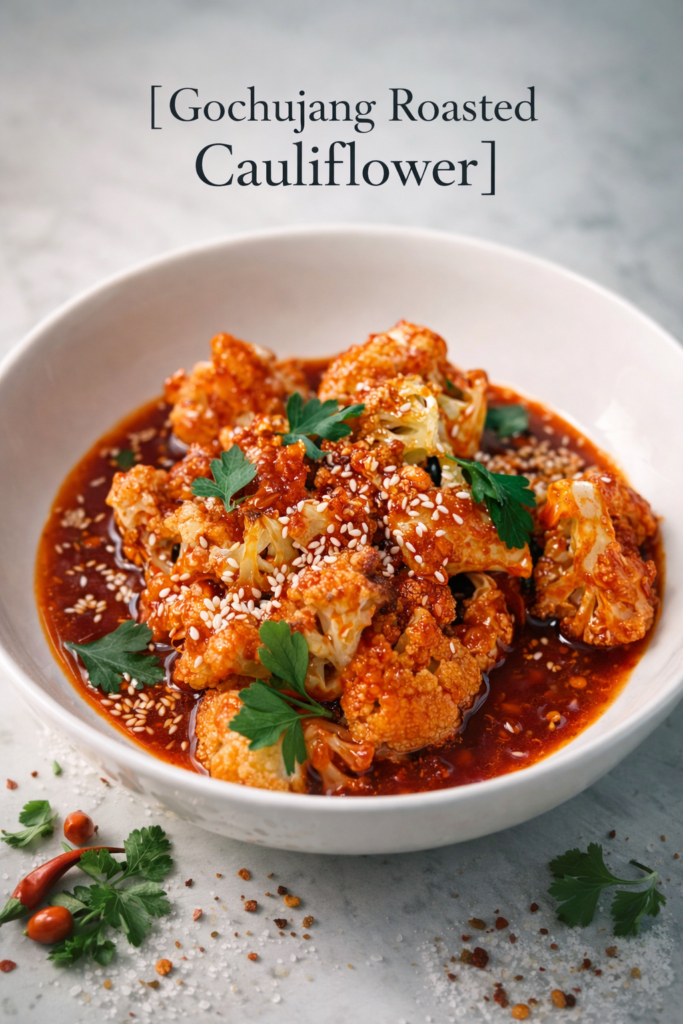
This gochujang roasted cauliflower transforms a humble vegetable into a fiery, savory, and unforgettable centerpiece.
INTRO
Have you ever tasted a dish so flavorful it makes you forget it’s just vegetables? This gochujang roasted cauliflower is exactly that. We’re taking whole heads of fresh cauliflower, cutting them into bite-sized florets, and roasting them until the edges are crisp-tender and deeply caramelized. Then comes the magic: a sticky, pungent glaze made from Korean gochujang (fermented chili paste), nutty sesame oil, and a touch of honey. This isn’t your average steamed side dish. It’s a bold, plant-based main course or a show-stopping appetizer that delivers on umami, heat, and texture. I’ve perfected the balance of the glaze to ensure it clings to every nook of the roasted cauliflower without burning, giving you restaurant-quality results from your home oven.
THE HISTORY
Gochujang (고추장) is one of the three essential fermented staples of Korean cuisine, alongside doenjang (soybean paste) and ganjang (soy sauce). Its origins trace back over 2,000 years to the Three Kingdoms Period, where early versions were simple fermented soybean pastes. The addition of red chili powder (gochugaru) came much later, following the introduction of chili peppers to Korea from the Americas via Japanese and Portuguese traders in the 16th and 17th centuries.
Initially, gochujang was a luxury item, carefully fermented in large earthenware onggi pots in the sun-drenched courtyards of Korean homes. Each family guarded their recipe, blending meju (fermented soybean block), glutinous rice flour for sweetness and texture, and barley malt powder. The slow fermentation—often taking months or even years—developed the deep, complex savory-sweet-spicy profile we know today.
While roasting vegetables is a global technique, marrying gochujang with roasted cauliflower is a more modern, fusion-forward innovation. It reflects a growing global appetite for Korean jjigae (stews) and banchan (side dishes), repurposing that deep, fermented heat for a Western oven. We love it today because it solves a common problem: bland, boring vegetables. The gochujang doesn’t just coat the cauliflower; it transforms it.
THE SCIENCE
The magic of this recipe hinges on two key scientific principles: the Maillard reaction and the behavior of sugars and starches in a high-heat environment.
First, the cauliflower. When you roast cauliflower at a high temperature (425°F / 220°C), two things happen. The natural sugars inside the florets caramelize. More importantly, the amino acids and reducing sugars on the surface react in the Maillard reaction—the same process that browns a steak or toasts bread. This creates hundreds of new flavor compounds, giving the cauliflower a nutty, savory, and almost meaty depth that steaming or boiling can never achieve.
Second, the gochujang glaze. Gochujang contains glutinous rice flour, which acts as a natural thickener. When you mix it with honey (sugar) and soy sauce (salt and amino acids), you create a powerful browning agent. However, sugar burns quickly. The science of a successful glaze is temperature management. We roast the cauliflower first until it’s nearly tender. The glaze goes on in the final minutes. Why? Because the water in the glaze evaporates rapidly on the hot cauliflower, concentrating the sugars and allowing them to caramelize (around 320°F/160°C) without hitting the scorching point (350°F+/175°C+). This gives you a sticky, shiny, slightly charred coating instead of a bitter, blackened mess.
GOOD PAIRING FOOD AND DRINK
Pairing dishes with this gochujang roasted cauliflower is about balancing the spicy, savory, sweet, and nutty flavors. Here are perfect companions from the Food Illustrated archives (each link opens in a new tab).
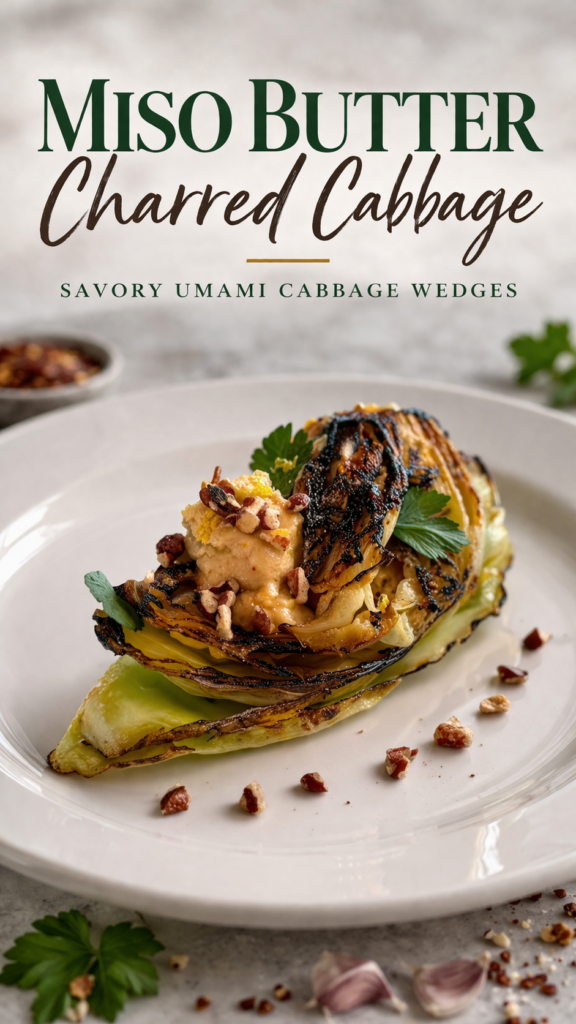
- Appetizer: Miso Butter Charred Cabbage. This is a brilliant pairing of two umami-heavy, vegetable-forward dishes. The savory, nutty miso butter on the charred cabbage echoes the fermented depth of the gochujang, while the crispy, blackened edges of the cabbage provide a textural counterpoint to the sticky-glazed cauliflower.
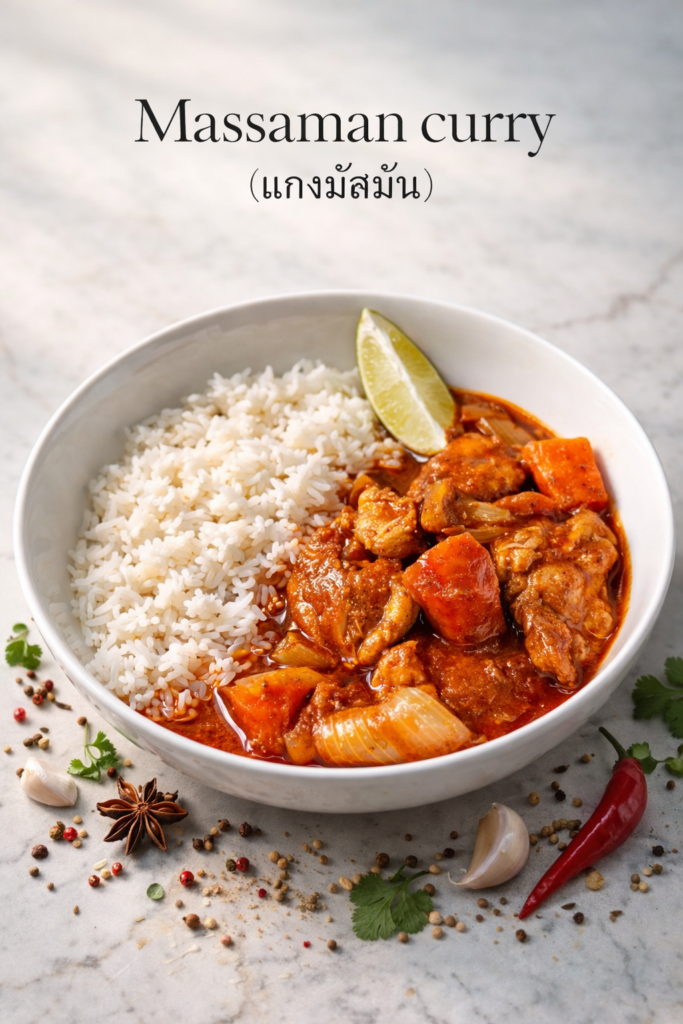
- Main Course (if serving cauliflower as a side): Massaman Chicken Curry. The mild, sweet, and aromatic spices of Massaman curry (cinnamon, star anise, cardamom) gently complement the gochujang’s heat without competing. The creamy coconut milk in the curry soothes your palate after the spicy cauliflower, creating a perfectly balanced meal.
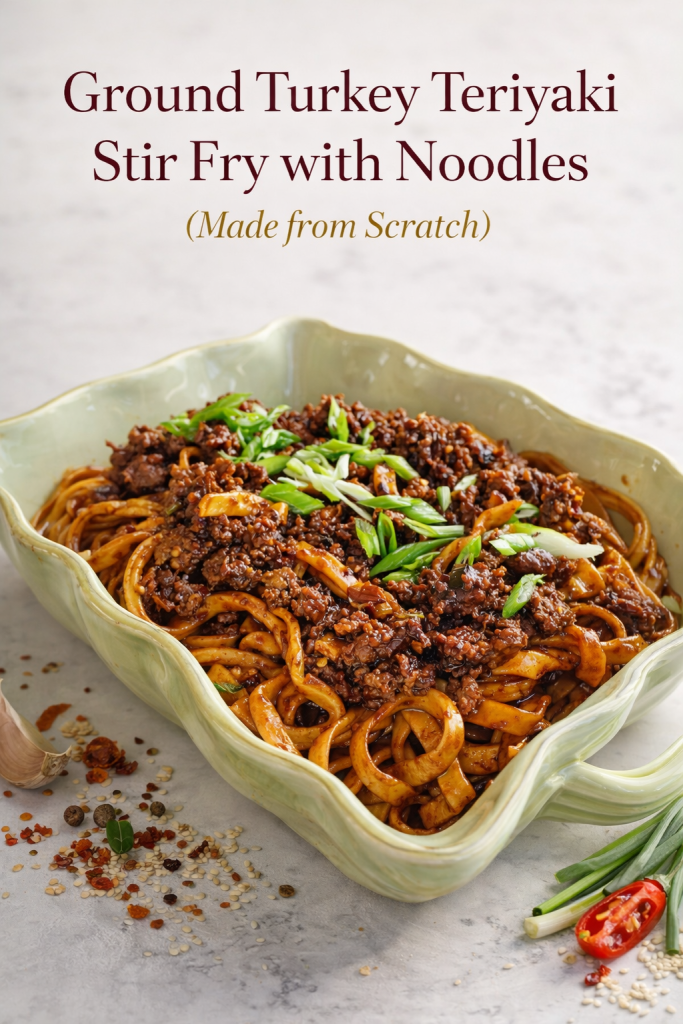
- Alternative Main Course (if serving cauliflower as a side): Ground Turkey Teriyaki Stir-fry with Noodles. The savory-sweet teriyaki glaze on the turkey and noodles mirrors the sweet-spicy profile of the gochujang. This pairing is a weeknight winner—both dishes come together quickly and share a bold, saucy personality.
- Side Dish: Quick Pickled Cucumber Salad (Oi Muchim). The cold, sharp, and vinegary crunch of this salad is the perfect foil to the rich, sticky, spicy cauliflower. It resets your palate between bites.
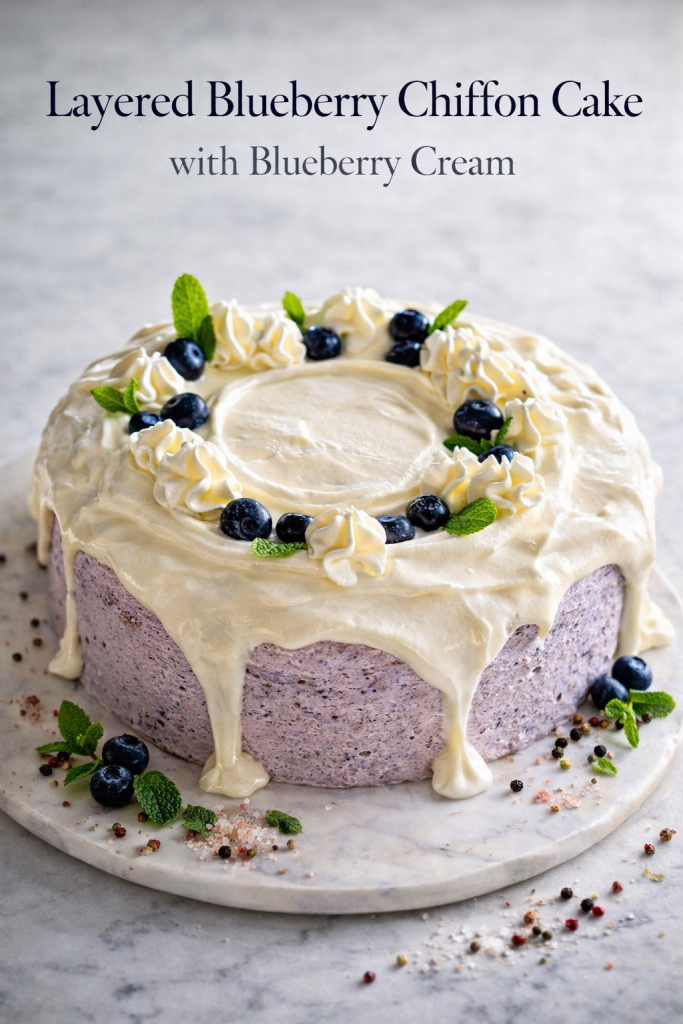
- Dessert: Layered Blueberry Chiffon Cake with Blueberry Cream. After the intense, savory heat of the gochujang, you need a light, sweet, and fruity finish. The airy, cloud-like chiffon cake and the bright, tart-sweet blueberry cream provide a refreshing contrast, cleansing your palate with delicate sweetness.
- Cocktail: Classic Mojito Recipe. The bright, herbaceous, and effervescent Mojito is a surprising but perfect partner. The mint and lime cut through the richness of the sesame oil and the glaze, while the cold bubbles and rum offer a refreshing contrast to the roasted cauliflower’s heat. As one expert notes in the article, the Mojito’s ability to “cut through richness” makes it an ideal match for boldly flavored dishes.
- Non-Alcoholic Drink: Sparkling Yuzu Lemonade (Quick recipe: yuzu juice, honey, sparkling water). The bright, citrusy acidity of yuzu cuts through the fat of the sesame oil and the char of the cauliflower, refreshing your palate between each rich, spicy bite.

Description
Looking for a bold, vegetable-forward dish that doesn't skimp on flavor? This gochujang roasted cauliflower is your answer. Crispy-tender florets meet a fiery, umami-packed Korean chili glaze, creating a perfect balance of sweet, spicy, and savory. Ready in under 30 minutes, it’s a simple yet spectacular side dish or a light main course over rice.
Ingredients
For the Roasted Cauliflower:
For the Gochujang Glaze:
For Garnish:
Instructions
-
Preheat & Prep. Position a rack in the middle of your oven and preheat to 425°F (220°C) . Line a large, rimmed baking sheet with parchment paper or foil for easy cleanup.
-
Roast the Cauliflower. In a large bowl, toss the cauliflower florets with the neutral oil, 1/2 teaspoon salt, and 1/4 teaspoon pepper. Spread them in a single, even layer on the prepared baking sheet. They need space to brown, not steam. Roast for 15 minutes.
-
Make the Glaze. While the cauliflower roasts, whisk all glaze ingredients—gochujang, soy sauce, sesame oil, honey, garlic, ginger, and rice vinegar—in a small bowl until smooth. It should form a thick, sticky, brick-red paste.
-
Glaze & Finish. Remove the sheet pan from the oven. The florets should be tender when pierced with a fork and starting to brown on the edges. Using a pastry brush or the back of a spoon, generously paint the gochujang glaze over each floret. Try to coat all surfaces. Return the pan to the oven and roast for another 5-7 minutes. Watch carefully—the sugars will caramelize quickly. You want a glossy, slightly charred look, not burnt black.
-
Garnish & Serve. Remove from the oven. Immediately sprinkle with sesame seeds and sliced green onions. The residual heat will toast the seeds slightly. Serve hot.
Nutrition Facts
Servings 4
- Amount Per Serving
- Calories 210kcal
- % Daily Value *
- Total Fat 13g20%
- Saturated Fat 1.5g8%
- Sodium 680mg29%
- Total Carbohydrate 21g8%
- Dietary Fiber 5g20%
- Sugars 11g
- Protein 6g12%
* Percent Daily Values are based on a 2,000 calorie diet. Your daily value may be higher or lower depending on your calorie needs.
Note
- Pro Tip for Crispiest Cauliflower: Do not overcrowd the pan. Overcrowding traps steam, making the cauliflower soggy. Use two pans if necessary.
- Make-Ahead: You can cut the cauliflower up to 2 days in advance and store it in a sealed container in the fridge. The glaze can be made 1 week ahead.
- Storage: Leftovers keep in an airtight container in the fridge for 3 days. The cauliflower will soften. Reheat on a baking sheet at 400°F for 5-7 minutes to re-crisp.
- Freezing: Not recommended. The texture of thawed, roasted cauliflower becomes mushy.
- Substitutions:
- Vegan: Use maple syrup or agave instead of honey.
- No gochujang? Mix 1 tbsp red pepper flakes (gochugaru) + 1 tbsp miso paste + 1 tsp sugar as an emergency substitute (different flavor, still spicy).
- Less Heat: Use only 1 tablespoon of gochujang and add 1 tablespoon of ketchup or extra honey.
- Troubleshooting: If your glaze burns, your oven runs hot. Lower the temperature to 400°F (200°C) for the final glazing step.
- Sourcing: Find gochujang in the Asian aisle of most grocery stores (brands: Chung Jung One, Sempio) or at a Korean market. Store it in the fridge after opening—it lasts for a year.