
Authentic Thai Grilled Chicken Recipe (Gai Yang / ไก่ย่าง)
What if you could taste the streets of Chiang Mai without leaving your kitchen? This authentic Thai grilled chicken recipe (Gai Yang, ไก่ย่าง) delivers exactly that—charred edges, juicy meat, and a marinade so fragrant you’ll swear it came from a night market stall. Traditionally cooked over charcoal, this version uses your oven’s broiler to mimic that smoky kiss. And yes: we’re using lemon instead of lime (brighter, zestier) and doubling everything for 4 lbs of chicken. No grill? No problem. No lemongrass paste? We’ll show you the tube shortcut. This is Thai comfort food, engineered for your home kitchen.
Before we dive in, a note on the science of flavor: The fermented fish sauce and preserved ingredients in this dish are a testament to humanity’s oldest culinary trick—food preservation. I explore this deeply in my book:
📖 Against the Clock: A Global History of Food Preservation—From Prehistory to Mars: How salt, smoke, microbes, and ingenuity saved us from the relentless march of spoilage.
Available now on Amazon. Now, let’s make Gai Yang.
THE HISTORY
Gai Yang (ไก่ย่าง) hails from northeastern Thailand (Isan region), a culinary crossroads bordering Laos. For generations, Isan farmers raised free-range chickens and grilled them over low charcoal fires, basting them with a funky-sweet marinade of fish sauce, palm sugar, and wild herbs. The word yang simply means “grilled,” but the technique is anything but simple.
Historians believe Lao and Thai street vendors popularized Gai Yang in the mid-20th century, serving it with sticky rice and som tam (green papaya salad). It became a national dish—not because of royal courts, but because of ordinary people. Today, you’ll find Gai Yang at every temple fair, bus station, and soi (alley) in Thailand. The marinade hasn’t changed much: lemongrass, garlic, fish sauce, sugar, and oil. What has changed is how we cook it. This recipe honors the original while adapting it for your oven and your lemon drawer.
For more on Thai culinary traditions, visit the Wikipedia page on Thai cuisine.
THE SCIENCE
Why does this marinade work? Three reasons: acid, sugar, and fat. Fish sauce provides glutamates (umami) and salt, which denature chicken proteins just enough to let flavor penetrate. Palm sugar (or brown sugar) does two jobs: it caramelizes under heat (Maillard reaction and caramelization), creating that dark, sticky crust, and it balances the salt. Oil emulsifies the water-based ingredients (fish sauce, soy) with the fat-soluble compounds in lemongrass and garlic. Without oil, those aromatic oils would float on top and never coat the meat.
Why lemon instead of lime? Lime contains citric acid (6%) and a floral compound called citronellal. Lemon has more citric acid (8%) and a sharper terpene called limonene. The result? Lemon gives a brighter, more forward sourness that cuts through the rich, caramelized chicken beautifully. It’s not traditional, but it’s delicious. If you want to soften the swap, add a teaspoon of lemon zest to the marinade—that’s where the aromatic oils live.
Why baking works (almost) like grilling: A grill uses radiant heat from below. Your oven’s broiler uses radiant heat from above. Both trigger the same Maillard reaction at 285°F (140°C) and above. The key difference: grills let fat drip away (less smoke), while broilers trap smoke inside. To fix that, broil with the oven door cracked 1 inch and line your pan with foil for easy cleanup.
🍽️ GOOD PAIRING FOOD AND DRINK
Here are perfect pairings from the Food Illustrated archives. Each link opens in a new tab.
Appetizer
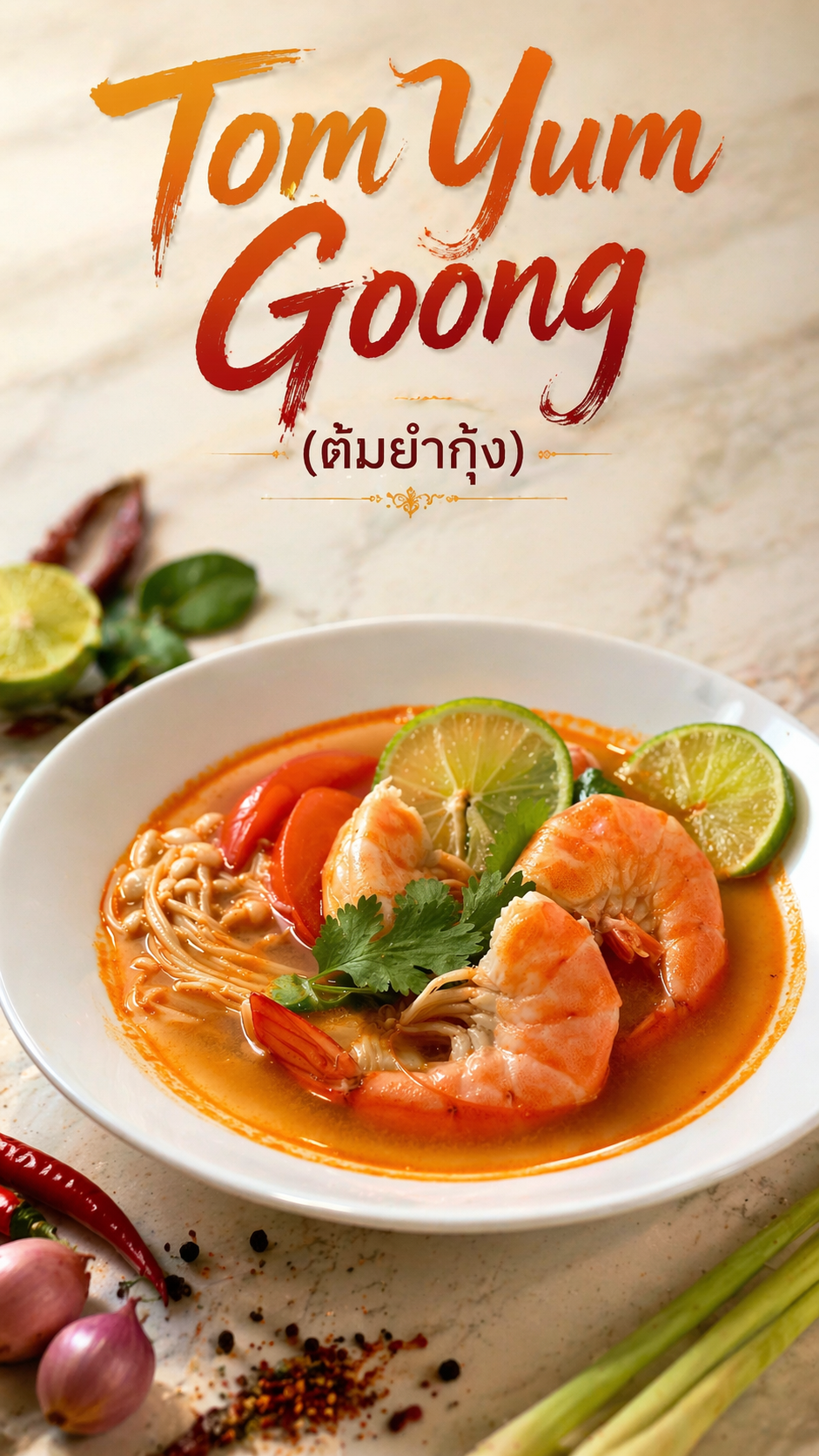
Tom Yum Goong Recipe: Thai Hot & Sour Shrimp Soup (ต้มยำกุ้ง)
Why it works: The bright, sour, spicy broth of Tom Yum Goong prepares your palate for the rich, caramelized chicken. Both dishes share lemongrass, fish sauce, and citrus—a perfect flavor throughline. Serve the soup as a starter, then follow with Gai Yang as the main.
Main Course (if serving Gai Yang as a side or appetizer)
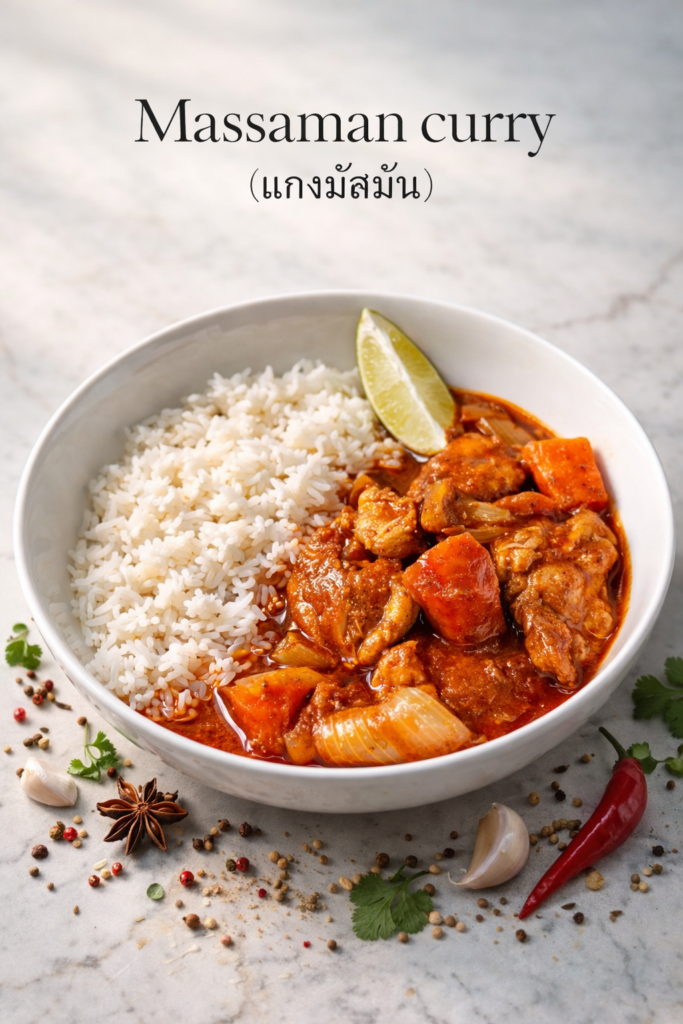
Massaman Chicken Curry: The King of Curries Made Simple
Why it works: Massaman curry’s rich, creamy coconut sauce and warm spices (cinnamon, star anise) provide a luxurious contrast to the bright, tangy, charred Gai Yang. Together, they represent the best of Thai cuisine—grilled and braised, sour and sweet, light and rich.
Side Dish
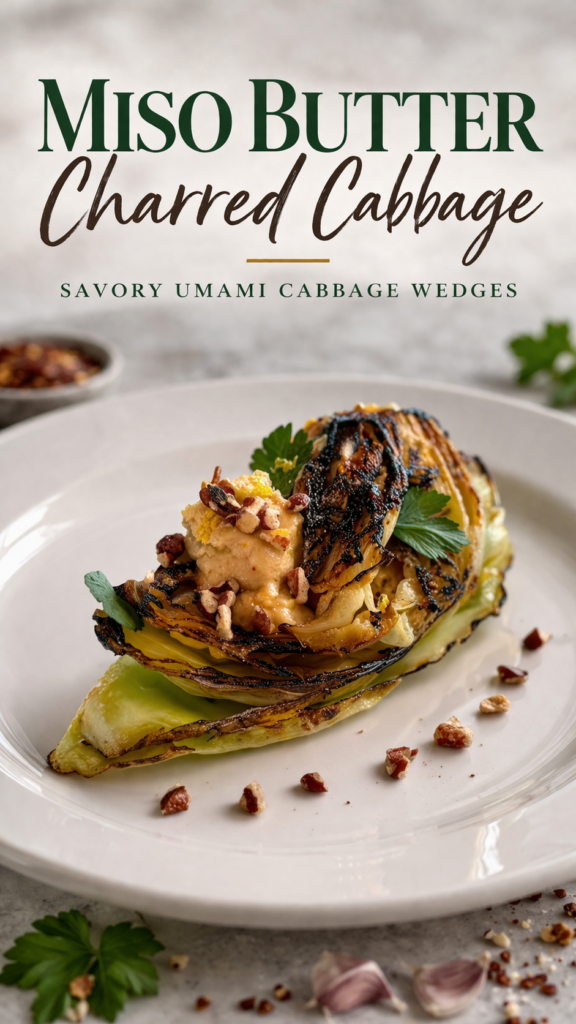
Miso Butter Charred Cabbage | Savory Umami Cabbage Wedges
Why it works: The charred, smoky edges of the cabbage mirror the caramelized crust of the Gai Yang, while the umami-rich miso butter adds a fermented depth that complements the fish sauce in the chicken. Both dishes benefit from high-heat charring and bold, savory flavors.
Alternative Side Dish (Starch)
Sticky rice (Khao Niew) – Essential. The neutral, chewy rice soaks up the chicken’s drippings and balances the salty-sweet marinade.
Snack (to serve alongside)
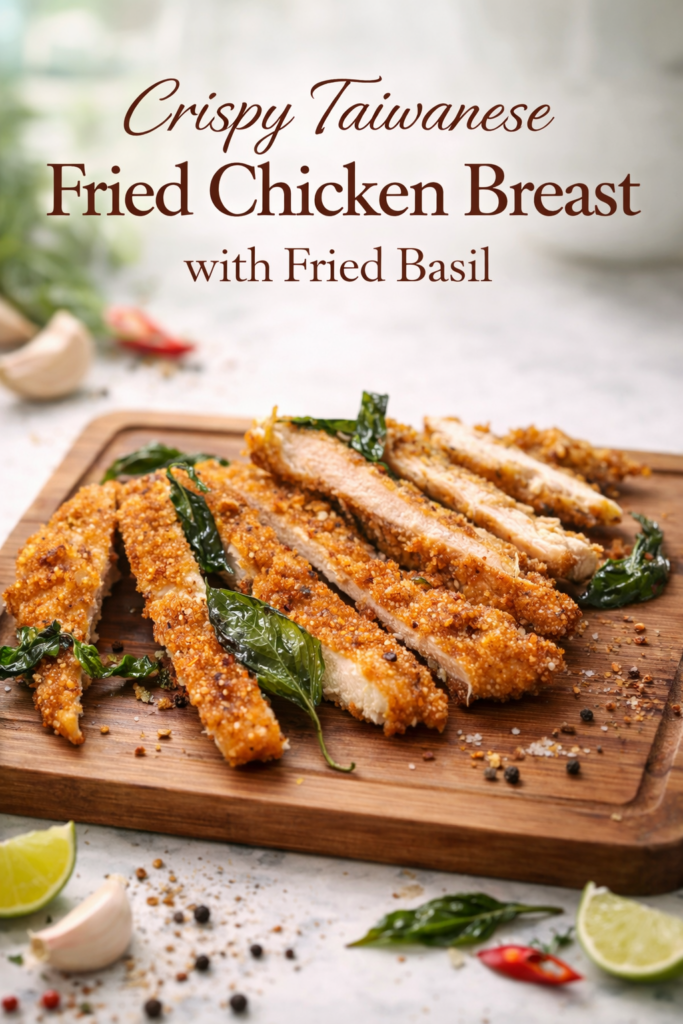
Crispy Taiwanese Fried Chicken Breast with Fried Basil (盐酥鸡)
Why it works: Double the crispy chicken? Yes, please. The Taiwanese version’s five-spice and basil notes harmonize with Gai Yang’s lemongrass and garlic. Serve both for a show-stopping Asian fried chicken feast.
Dessert
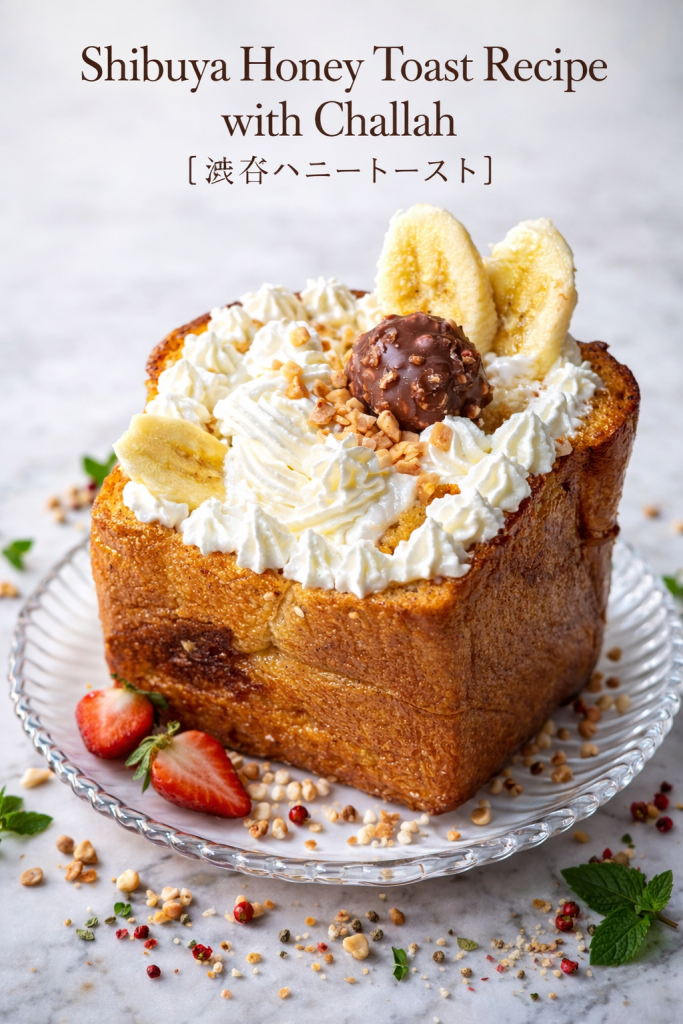
Shibuya Honey Toast Recipe with Challah (渋谷ハニートースト)
Why it works: After the savory, spicy, sour punch of Gai Yang, you need something sweet, creamy, and dramatic. This Japanese honey toast—with warm cinnamon-honey cubes, cold vanilla ice cream, and banana—provides the perfect temperature and flavor contrast. It’s a dessert that matches the boldness of the main course.
Cocktail – Lemongrass Mojito
Muddle fresh lemongrass (instead of mint) with lime juice, simple syrup, white rum, and top with soda water. The herbaceous, citrusy notes directly echo the Gai Yang’s lemongrass and lemon.
Non-Alcoholic Drink – Iced Thai Tea (Cha Yen)
The creamy, sweet, spiced tea (with star anise and tamarind) is a classic pairing. The cold, milky sweetness soothes the tongue after the chicken’s heat and acidity.

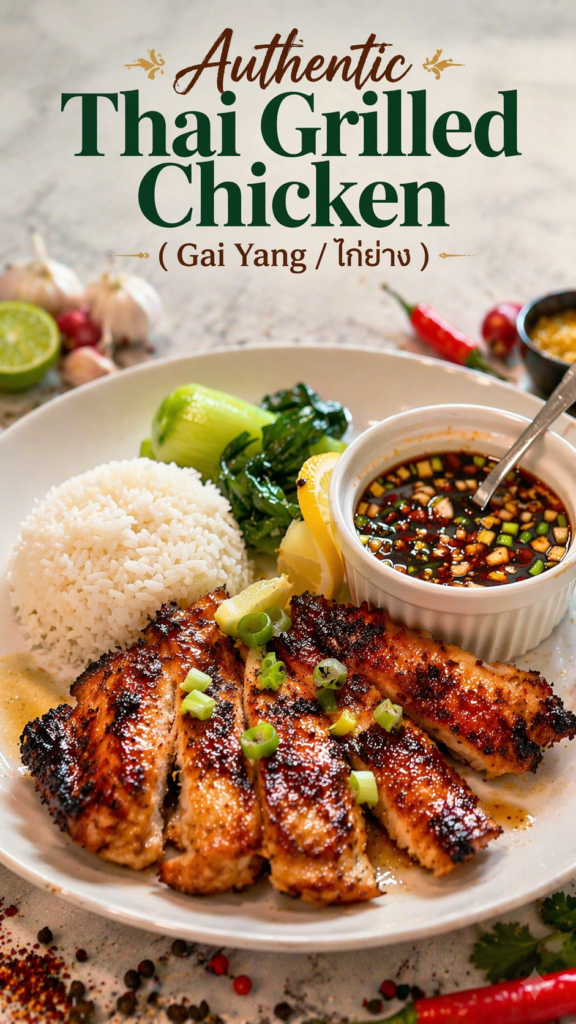
Description
This authentic Thai grilled chicken recipe (Gai Yang / ไก่ย่าง) brings Bangkok street food to your oven. Marinated overnight in lemongrass, fish sauce, and lemon, then baked until sticky and golden. Double batch, no grill required.
Ingredients
For the Chicken (4 lbs / 2 kg)
For the Marinade
Sauce (choose one)
Garnishes & Sides
Instructions
-
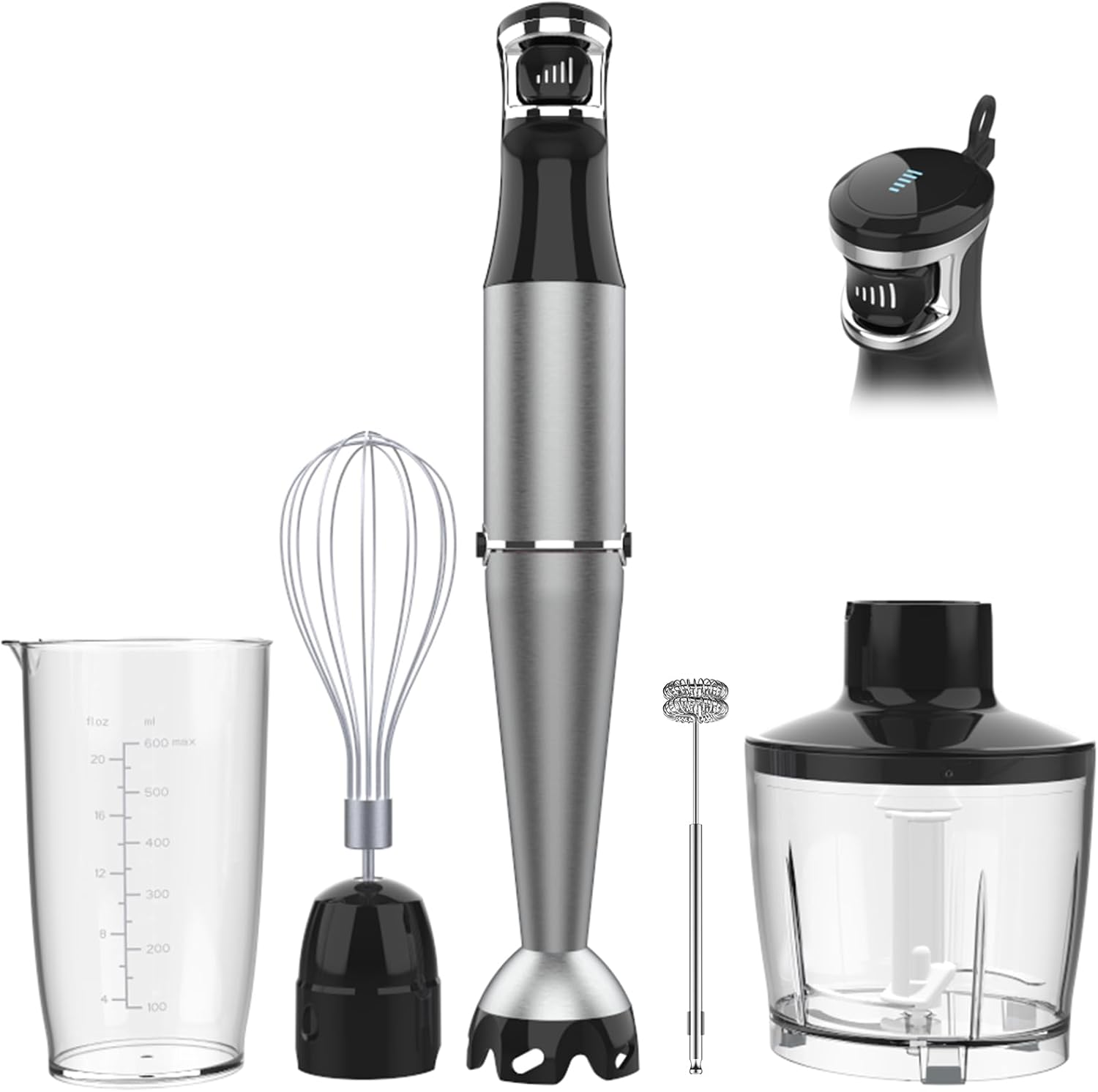
Make the marinade base – Place sliced lemongrass and peeled garlic in a tall jug just wide enough for an immersion blender. Blitz until completely smooth (about 30 seconds). No stick blender? Finely grate the lemongrass and garlic on a Microplane. Yes, it takes patience. Yes, it’s worth it.
-
Build the marinade – Transfer the paste to a large bowl. Add fish sauce, light soy sauce, dark soy sauce, and brown sugar. Whisk until the sugar dissolves. Then add the oil and whisk again—it will look slightly emulsified.
-
Marinate the chicken – Add all 4 lbs of chicken to the bowl. Use your hands (gloves optional, but recommended) to massage the marinade into every piece. Cover and refrigerate for at least 3 hours, but overnight (12–24 hours) is dramatically better. The difference? Overnight marinating allows salt and sugar to penetrate deeper into the muscle fibers.
-
Preheat your oven – When ready to cook, arrange a rack in the upper third of your oven (about 6 inches from the broiler). Preheat to 400°F (200°C) using the regular bake setting. Line a large rimmed baking sheet with foil and place a wire rack on top.
-
Remove chicken from marinade – Take chicken out of the bowl. Let excess drip off, but do not wipe it away. Discard the remaining marinade (unless you’re following the baked method below—then keep it). Arrange chicken in a single layer on the wire rack. Leave small gaps between pieces for airflow.
-
Bake – Place the baking sheet on the upper rack. Bake at 400°F for 15 minutes. The chicken will look pale and wet—that’s fine.
-
Switch to broil – Turn your oven to high broil (500°F+). Broil for 5–7 minutes, watching closely. You’re looking for dark, sticky, caramelized spots. Here’s what not to do: walk away. Sugar burns in seconds. If you see black (not dark brown), flip the piece immediately.
-
Flip and broil again – Flip each piece with tongs. Broil for another 3–5 minutes until the second side is caramelized. Internal temperature should reach 165°F (74°C) on an instant-read thermometer.
-
Rest – Transfer chicken to a cutting board. Rest for 5 minutes (this is longer than the 3 minutes for 2 lbs—more meat needs more time to reabsorb juices).
-
Serve – Slice into thick strips or serve whole. Sprinkle with lemon zest (if using), fresh cilantro, and red chilies. Squeeze lemon wedges over everything. Serve with coconut rice and your chosen dipping sauce.
Nutrition Facts
Servings 8
- Amount Per Serving
- Calories 485kcal
- % Daily Value *
- Total Fat 28g44%
- Saturated Fat 6g30%
- Sodium 1480mg62%
- Total Carbohydrate 14g5%
- Sugars 12g
- Protein 42g84%
- Vitamin A 8 IU
- Iron 2 mg
* Percent Daily Values are based on a 2,000 calorie diet. Your daily value may be higher or lower depending on your calorie needs.
Note
Pro Tips for Success
- Don’t skip the oil. It’s not just for cooking—it helps the marinade stick and carries fat-soluble flavors into the meat.
- Watch the broiler like a hawk. Sugar burns faster than you think. If your oven runs hot, prop the door open 1 inch with a wooden spoon handle.
- No wire rack? Bake directly on foil-lined pan, but flip halfway through and expect less crispiness.
Make-Ahead & Storage
- Marinate up to 48 hours in advance. The texture improves (salt breaks down connective tissue slightly).
- Store cooked chicken in an airtight container in the fridge for up to 4 days.
- Freeze cooked chicken for up to 3 months. Thaw overnight in the fridge. Reheat in a 350°F oven for 10 minutes (not microwave—it turns rubbery).
Substitutions (with success predictions)
- Lemongrass paste (tube): Use 4 tbsp. Success rate: 85% (less fibrous, slightly less aromatic).
- Palm sugar → brown sugar: 100% success. Flavor difference is subtle.
- Dark soy sauce → more light soy sauce + 1 tsp molasses: 80% success. You’ll lose some color.
- Fish sauce → soy sauce (vegan): 70% success. You’ll lose the funky depth. Add 1 tsp miso paste to compensate.
- Lemon → lime (original): 100% success. Use same amount, but add lime zest.
Troubleshooting
- Chicken burned on outside, raw inside: Your oven runs hot. Lower to 375°F for baking, then broil for less time (3–4 minutes per side).
- Marinade slid off: Chicken was too wet. Pat it dry with paper towels before marinating.
- No caramelization: Sugar content too low (did you use white sugar?) or broiler not hot enough. Switch to high broil and move rack up.
Ingredient Sourcing
- Lemongrass: Asian grocery stores sell fresh stalks for $0.50 each. Freeze extras for up to 6 months.
- Fish sauce: Red Boat (premium) or Squid (budget-friendly). Avoid “fish sauce” labeled as “seasoning sauce.”