
INTRO
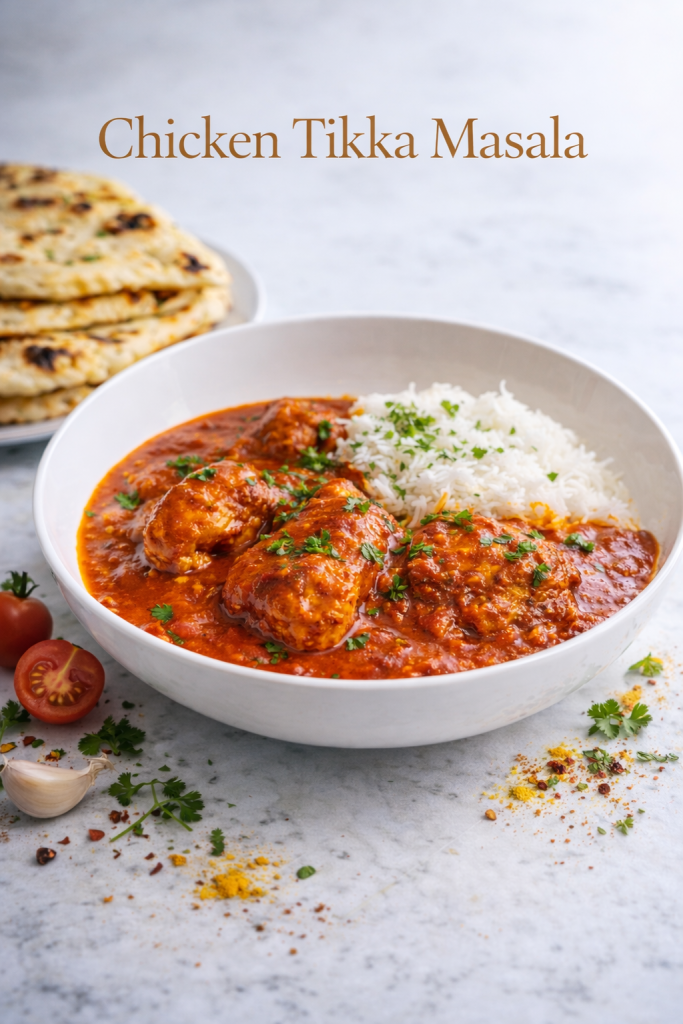
I probably get more requests for Indian food than any other cuisine, so I was thrilled to be developing this chicken tikka masala recipe—until I dug into its history and discovered it’s actually a British invention. It was the same feeling I had when I learned that pizza wasn’t born in New York! So, technically, I still owe you an authentic Indian recipe, but in the meantime, this version of chicken tikka masala will more than suffice. This recipe is built for a crowd (or serious leftovers), starting with six generous chicken breasts marinated in yogurt and spices for ultimate tenderness. We’ve doubled the sauce to match—a rich, deeply spiced tomato gravy made luxuriously creamy with coconut milk instead of heavy cream. Paired with my homemade garlic parsley naan for sopping up every last drop, this is a curry night to remember.
THE HISTORY
The story of Chicken Tikka Masala is a fascinating tale of cultural adaptation and culinary fusion, making it a true British icon. Its origins are widely traced back to the United Kingdom in the 1960s and 70s, a time when Indian restaurants, many run by chefs from the Bengali region (specifically Sylhet, now in Bangladesh), were populating British cities. These chefs adapted traditional Indian dishes to suit the milder British palate.
The most popular legend credits a dish served at a restaurant like the famous Shish Mahal in Glasgow. As the story goes, a customer ordered chicken tikka, the dry, spiced roasted chicken. Finding it too dry, he sent it back. The chef, in a moment of improvisation, quickly heated a can of tomato soup and added a few spices and a dollop of yogurt, pouring the impromptu gravy over the chicken. The result was a revelation. Whether this specific tale is true or apocryphal, it perfectly symbolizes the dish’s origin: a British comfort food, born from Indian culinary technique, that has since been adopted and loved across the globe. It’s a dish that represents immigration, innovation, and the happy accidents that happen when cultures meet in the kitchen.
THE SCIENCE
This recipe is a masterclass in building deep, layered flavor, and it all starts with the yogurt marinade. Yogurt is a magical tenderizer. It contains lactic acid, which gently breaks down the proteins in the chicken without making it mushy, ensuring the meat stays incredibly juicy and tender during cooking—especially crucial when working with leaner chicken breasts. More importantly, the yogurt acts as a carrier for the spice blend, allowing the flavors to penetrate deep into the meat rather than just sitting on the surface.
The second key is blooming the spices. When we cook ground spices like cumin, coriander, and turmeric in hot ghee, we’re not just heating them up. Many of the volatile flavor compounds in spices are fat-soluble. By sizzling them in the fat, we are essentially dissolving those flavors into the sauce, creating a more cohesive and aromatic dish. Because we’ve doubled the spice blend, this step is even more critical for developing a deep, complex base. Finally, the Maillard reaction from searing the marinated chicken adds that crucial layer of savory depth, creating hundreds of new flavor compounds that contribute a rich, meaty “umami” character to the final curry.
GOOD PAIRING FOOD AND DRINK
- One Appetizer: Samosas with Mint Chutney. The crispy, savory pastry filled with spiced potatoes and peas is the perfect textural contrast to the creamy curry. The cool, bright, and tangy mint chutney provides a refreshing counterpoint.
- One Main Course: This is the main course, but it’s the centerpiece of a larger spread.
- One Side Dish: Homemade Garlic Parsley Naan. This isn’t just a side; it’s an essential tool. The soft, chewy, buttery bread, fragrant with garlic and fresh parsley, is absolutely mandatory for sopping up every last bit of the creamy coconut sauce.
- One Dessert: Mango Lassi Panna Cotta. A silky, creamy panna cotta infused with the flavor of a classic mango lassi (yogurt, mango, and a hint of cardamom) is a light, refreshing, and thematically perfect way to end the meal.
- One Cocktail and One Non-Alcoholic Drink:
- Cocktail: A Classic Gin & Tonic with a Twist. The botanical notes of a good gin and the bitterness of tonic water are excellent palate cleansers that cut through the rich, creamy sauce. Garnish it with a slice of fresh jalapeño or a few cilantro sprigs.
- Non-Alcoholic: Sweet and Salty Mint Lassi. A traditional yogurt-based drink blended with fresh mint, a pinch of salt, and a touch of honey. Its cooling profile is the quintessential companion to this flavorful curry.
Description
This generous chicken tikka masala recipe starts with six chicken breasts marinated in yogurt and spices for incredible tenderness. Simmered in a rich, doubled batch of creamy spiced tomato and coconut milk sauce and served with homemade garlic naan, it's the ultimate comfort food for a crowd.
Ingredients
For the Chicken & Marinade:
For the Spice Blend:
For the Sauce:
For Serving:
Instructions
-
Marinate the Chicken: In a large bowl, combine the Greek yogurt, salt, turmeric, 4 teaspoons garam masala, 2 teaspoons cumin, 2 teaspoons smoked paprika, and cayenne (if using). Mix well. Add the 6 chicken breasts and toss to coat completely. Cover and refrigerate for at least 30 minutes, or up to 24 hours for maximum flavor and tenderness.
-
Make the Spice Blend: In a small bowl, combine the remaining 4 teaspoons garam masala, 2 teaspoons cumin, ground coriander, 2 teaspoons smoked paprika, black pepper, cayenne, and cardamom. Stir with a fork to mix thoroughly. Set aside.
-
Cook the Chicken (Sear Only): Heat a large, heavy-bottomed pot or Dutch oven over medium-high heat. Add a tablespoon of oil. Shake off excess marinade from the chicken breasts (discard leftover marinade) and add the chicken in a single layer (work in batches). Sear for 3-4 minutes per side, until deeply golden brown. The chicken will NOT be cooked through at this stage, and that's exactly what we want. Use a slotted spatula to remove the chicken from the pot and set it aside on a plate.
-
Bloom the Spices: Reduce the heat to medium. Add the clarified butter (ghee) to the same pot. Once melted, add the chopped onions and cook, stirring occasionally, for 6-8 minutes until softened and translucent. Add the tomato paste and cook for 3-4 more minutes, stirring constantly, until it darkens to a deep rust color and starts to stick to the bottom of the pan. This caramelization is crucial for depth. Add the grated garlic and ginger and cook for another minute until fragrant.
-
Bloom the Spices (continued): Sprinkle the prepared spice blend over the onion mixture. Stir constantly for about 60-90 seconds until the spices are incredibly fragrant. The pot will look dry, but that's okay.
-
Build the Sauce: Pour in the crushed tomatoes and stir vigorously, scraping up all the browned bits from the bottom of the pot—that's pure flavor. Add both cans of coconut milk and 1 cup of chicken broth. Stir to combine and bring the sauce to a gentle simmer.
-
Gently Poach the Chicken: Return the seared chicken breasts to the pot, nestling them into the sauce. They should be mostly submerged. Reduce the heat to low, cover the pot, and let it simmer very gently for 15-20 minutes. The key is a gentle simmer, not a rolling boil, to keep the chicken tender.
-
Check for Doneness: After 15 minutes, check the internal temperature of the largest chicken breast with an instant-read thermometer. You're looking for 160°F (71°C) . Remember, the chicken will continue to cook as it rests. The exact time will depend on the thickness of your breasts.
-
Rest and Finish: Once the chicken is cooked, use a slotted spoon to carefully transfer the chicken breasts to a cutting board. Let them rest for 5-10 minutes. While the chicken rests, add the crushed red pepper flakes and half the cilantro to the sauce. Simmer gently, uncovered, to thicken slightly if desired. Taste and adjust seasoning with salt.
-
Slice and Serve: Slice the rested chicken breasts into thick pieces. To serve, place rice in a bowl, top with sliced chicken, and ladle the creamy sauce generously over the top. Garnish with the remaining cilantro. Serve immediately with warm, buttery homemade garlic parsley naan.
Equipment
-
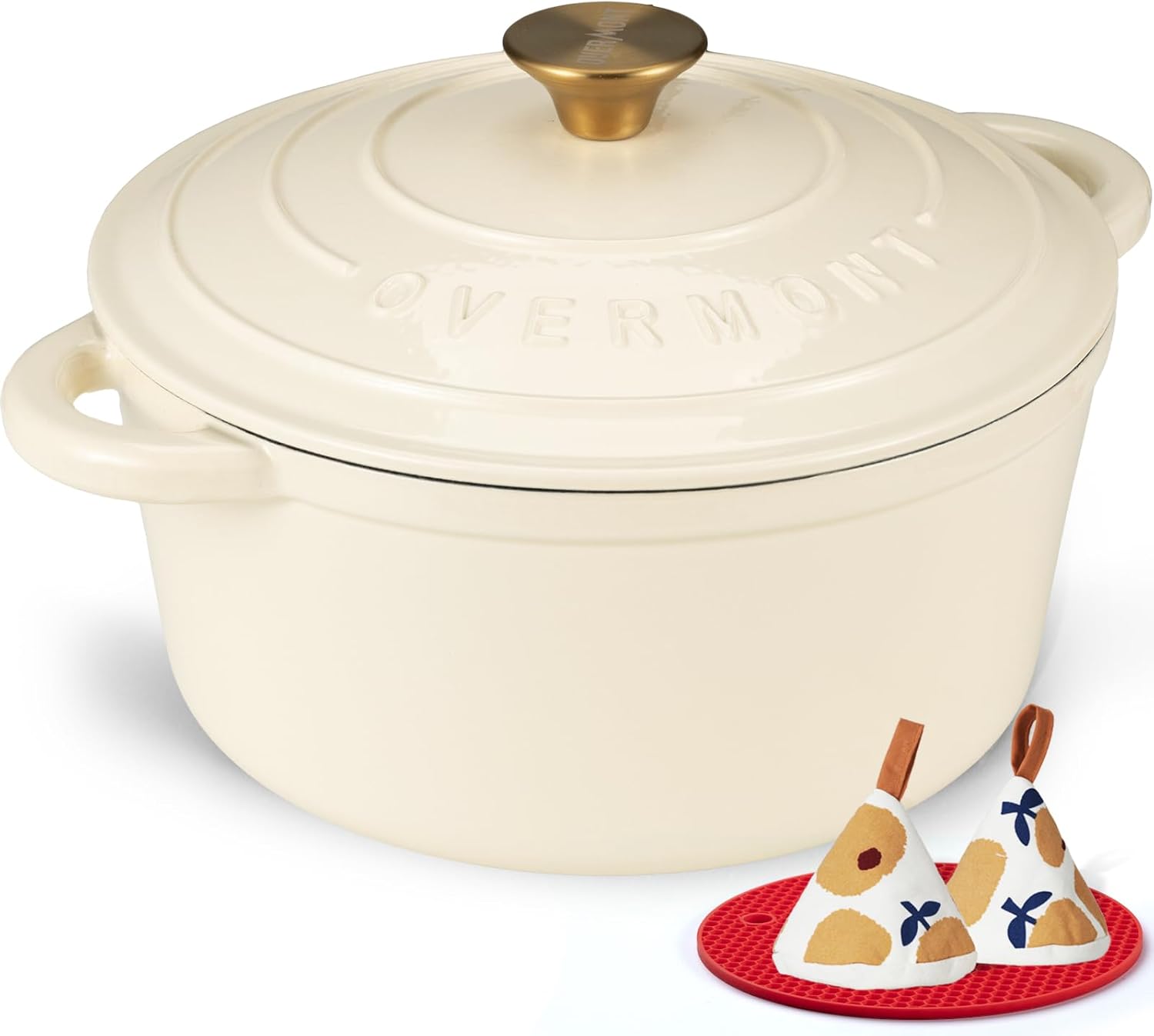 Large Dutch Oven
Nutrition Facts
Servings 8
- Amount Per Serving
- Calories 680kcal
- % Daily Value *
- Total Fat 38g59%
- Saturated Fat 28g140%
- Sodium 1100mg46%
- Total Carbohydrate 48g16%
- Dietary Fiber 6g24%
- Sugars 12g
- Protein 42g84%
* Percent Daily Values are based on a 2,000 calorie diet. Your daily value may be higher or lower depending on your calorie needs.
Note
- Pro Tips for Perfect Chicken Breast:
- Don't Overcook: Chicken breast is lean and can dry out quickly. The sear gives you flavor, but the gentle poaching in the sauce is what keeps it moist. Use a thermometer—160°F is your target. Carryover cooking will bring it to a safe 165°F as it rests.
- Rest the Meat: Never skip the resting step after poaching. This allows the juices to redistribute throughout the breast, ensuring every slice is tender and moist.
- Generous Pot: Make sure your Dutch oven is large enough to hold 6 chicken breasts and the doubled sauce comfortably without overcrowding.
- Make-Ahead Instructions: This curry tastes even better the next day! Make it up to 3 days in advance. The flavors will meld and deepen overnight. The naan is best made fresh, but can be reheated.
- Storage Guidelines: Store leftover curry in an airtight container in the refrigerator for up to 4 days. It freezes beautifully for up to 3 months.
- Substitutions: For a richer, more traditional sauce, substitute the coconut milk with equal parts heavy cream. To make it dairy-free, use a dairy-free yogurt for the marinade and a neutral oil instead of ghee.
- Troubleshooting: If your sauce tastes flat, it likely needs more salt or a squeeze of lemon juice. If it's too spicy, add a spoonful of plain yogurt or more coconut milk to tame the heat.
- Ingredient Sourcing: Good-quality spices make a difference. Look for whole spices you grind yourself for the most vibrant flavor.