
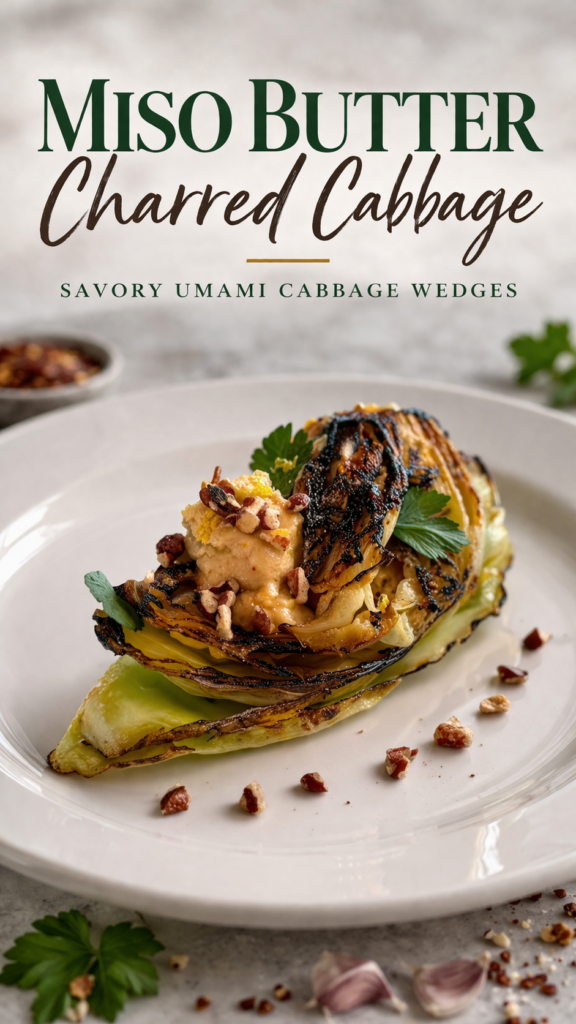
Learn to make perfect miso butter charred cabbage with crispy edges and a savory umami sauce. A quick, vegetarian side dish with deep roots in food preservation.
INTRODUCTION
You know that feeling when a vegetable steals the entire show? This miso butter charred cabbage is that dish. We aren’t talking about sad, boiled leaves here. We are talking about thick wedges of sweet Savoy cabbage, seared in a smoking hot pan until the edges turn black and crispy, then drenched in a nutty, savory brown butter miso sauce.
This recipe bridges the gap between rustic comfort food and high-end restaurant technique. By charring the cabbage, we unlock the vegetable’s natural sugars through the Maillard reaction. By adding white miso to brown butter, we create a sauce that is salty, sweet, creamy, and deeply complex. Whether you serve this as a vegetarian main course or a showstopping side dish, this recipe will change how you think about winter vegetables.

THE HISTORY: Cabbage, Miso, and the Fight Against Spoilage
Cabbage has a long, humble history. Domesticated over 2,500 years ago in Europe, cabbage was a staple for peasants and sailors alike because it stored well through harsh winters and prevented scurvy (thanks to Vitamin C). The ancient Greeks believed cabbage could cure poisoning, while the Romans used it as a hangover cure. But its true superpower is preservation. Cabbage is one of the few vegetables that can be fermented (sauerkraut, kimchi), pickled, or simply kept in a cool cellar for months.
The star of this dish, Savoy cabbage, is a specific varietal named after the Savoy region in the Italian Alps. Unlike tight green ball cabbages, Savoy has crinkled, dark green leaves and a milder, sweeter flavor. It arrived on the scene in the 16th century and became the “crème de la crème” of cabbages for chefs because it remains tender even after cooking.
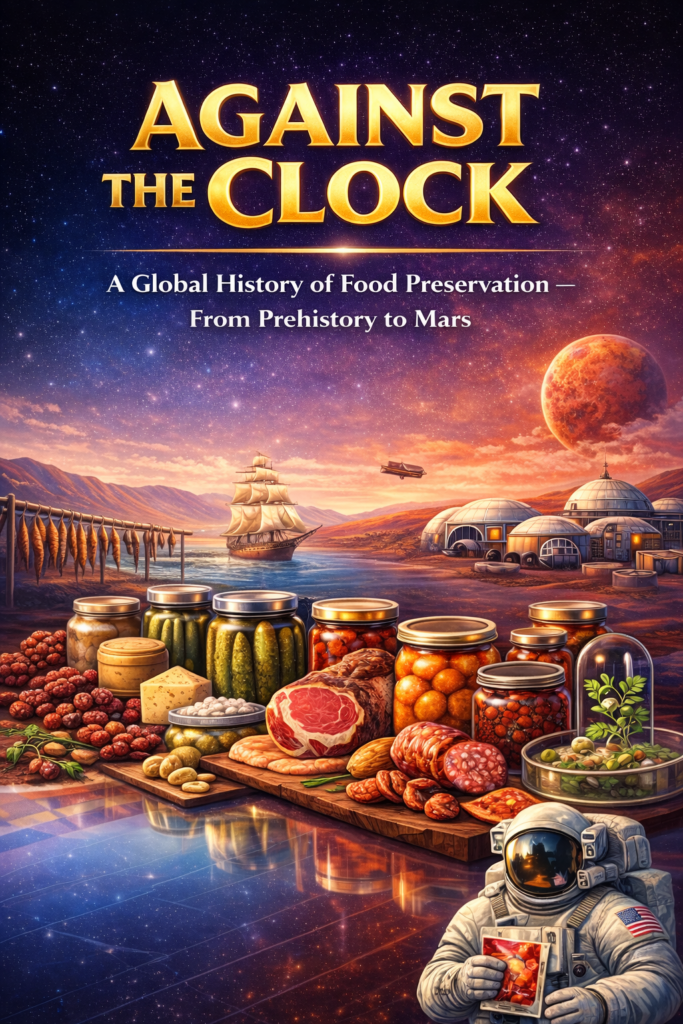
The sauce combines two culinary worlds. Brown butter (Beurre noisette) is a classic French technique dating back centuries. Miso paste is a 1,300-year-old Japanese staple made from fermented soybeans, salt, and koji (a fungus Aspergillus oryzae). Miso is a masterpiece of food preservation. By fermenting soybeans with salt and koji, our ancestors created a shelf-stable protein paste that could last for years without refrigeration. This deepens my own research in Against the Clock: A Global History of Food Preservation—From Prehistory to Mars , where I explore how salt, smoke, microbes, and ingenuity saved us from the relentless march of spoilage. Miso is a perfect example: a delicious, umami-rich ingredient born directly from the need to preserve soybeans.
By marrying these two—the nuttiness of France and the preserved, fermented umami of Japan—we get a sauce that tastes entirely new yet carries the weight of human culinary evolution.
THE SCIENCE: Charring, Fermentation, and Emulsification
Why does this recipe work so well? Let’s talk about heat, fat, and fermentation.
The Maillard Reaction: When you place a cold, wet cabbage wedge into a hot cast-iron pan, the water on the surface immediately turns to steam. Once the water evaporates, the temperature of the cabbage’s surface can rise above 284°F (140°C). At this temperature, the Maillard reaction begins—a chemical reaction between amino acids and reducing sugars that creates hundreds of new flavor compounds. That “char” isn’t burnt food; it is complex, savory, nutty, and meaty flavor.
The Science of Miso: Miso is a living (or once-living) fermented food. The koji fungus breaks down soybean proteins into amino acids (especially glutamic acid) and starches into simple sugars. This is why miso tastes both savory (umami) and subtly sweet. The salt in miso acts as a preservative, inhibiting harmful bacteria while allowing beneficial enzymes to work. When you add miso to the hot brown butter, you are not cooking it for long—just enough to warm it and release its volatile aromatics without killing all the enzymatic activity.
Brown Butter Emulsion: Butter is an emulsion of fat, water, and milk solids. When you melt it over medium heat, the water evaporates and the milk solids sink to the bottom. As they toast, they turn from yellow to golden to deep brown, releasing aromas of hazelnut and toffee. White miso (fermented for a shorter time than red miso) adds glutamates that bind to taste receptors, telling your brain this cabbage is deeply satisfying. The lemon juice adds acidity to cut the fat, preventing “taste fatigue.”
GOOD PAIRING FOOD AND DRINK
Here are perfect pairings from the Food Illustrated archives. Each link opens in a new tab.
Appetizer
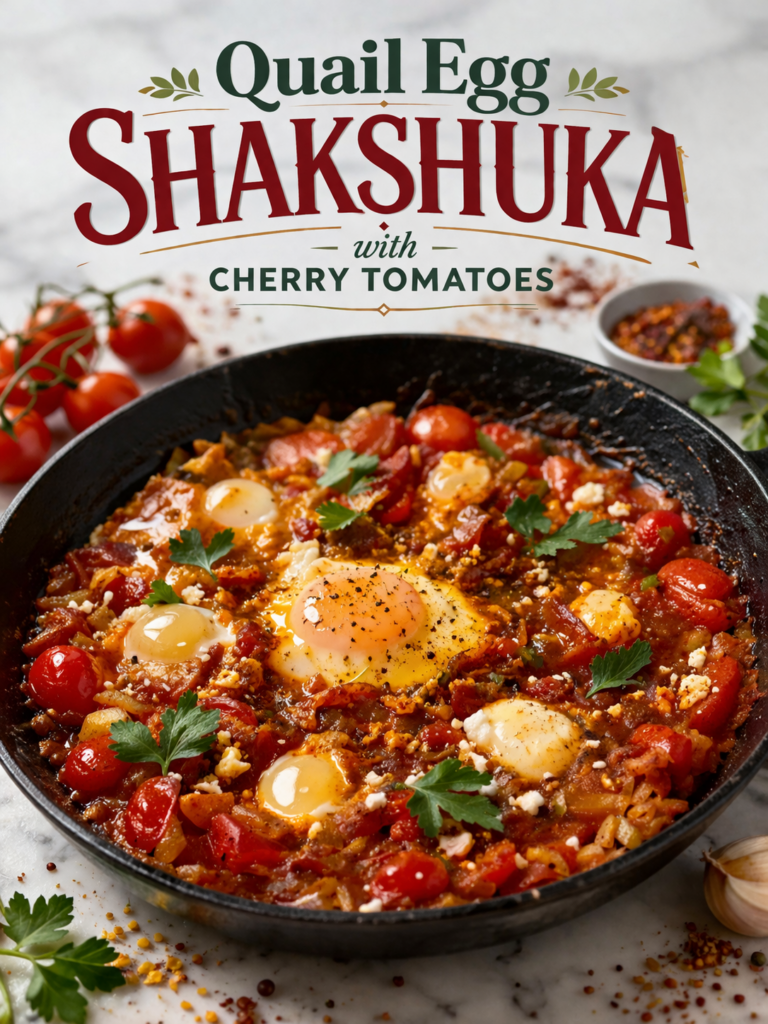
Mini Quail Egg Shakshuka with Cherry Tomatoes
Why it works: The bright, acidic, spiced tomato sauce in the shakshuka cuts through the rich, buttery miso cabbage like a knife. The runny quail and chicken eggs add an extra layer of velvety texture that echoes the sauce in the main dish. Serve the shakshuka in a small skillet on the side, and let guests dip crusty bread into both.
Main Course (if serving cabbage as a side)
30-Minute Marry Me Chicken Loins
Why it works: The creamy, sun-dried tomato, Parmesan sauce of the Marry Me Chicken is rich and decadent. The charred, slightly bitter cabbage provides a necessary contrast, cutting through the cream and resetting your palate. The umami from the miso also complements the umami from the Parmesan.
Side Dish (if serving cabbage as a main)
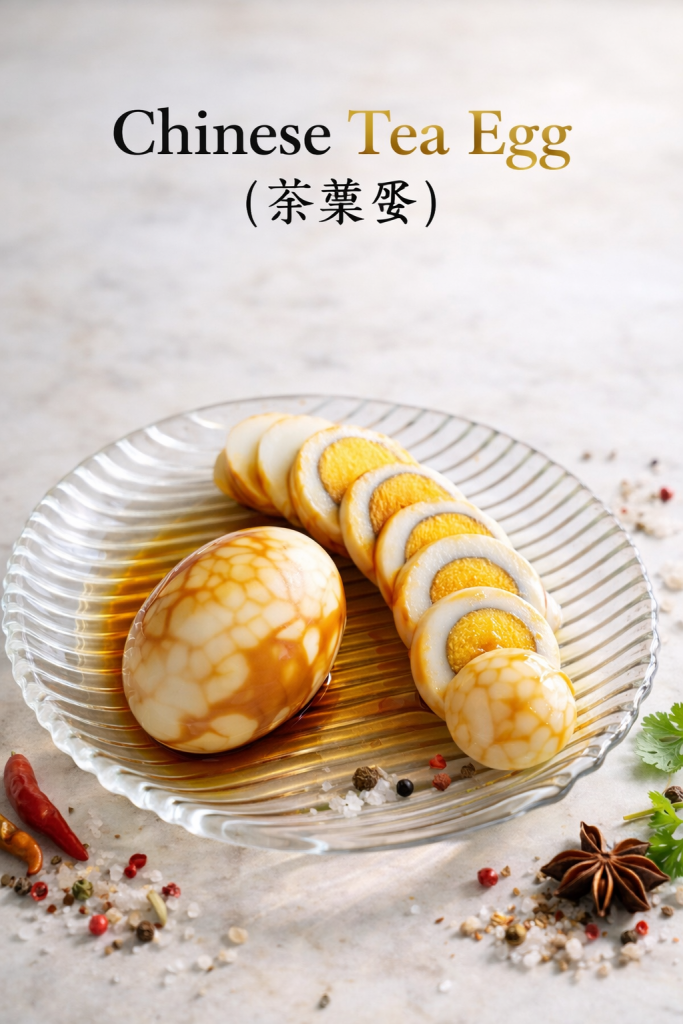
Authentic Chinese Tea Eggs (茶叶蛋)
Why it works: This is a brilliant textural and flavor contrast. The tea eggs are cold or room temperature, with a firm, savory, soy-and-star-anise-infused white and a creamy yolk. The cabbage is hot, crispy, and buttery. Together, they create a multi-textural, umami-forward meal that feels like a sophisticated izakaya spread.
Dessert
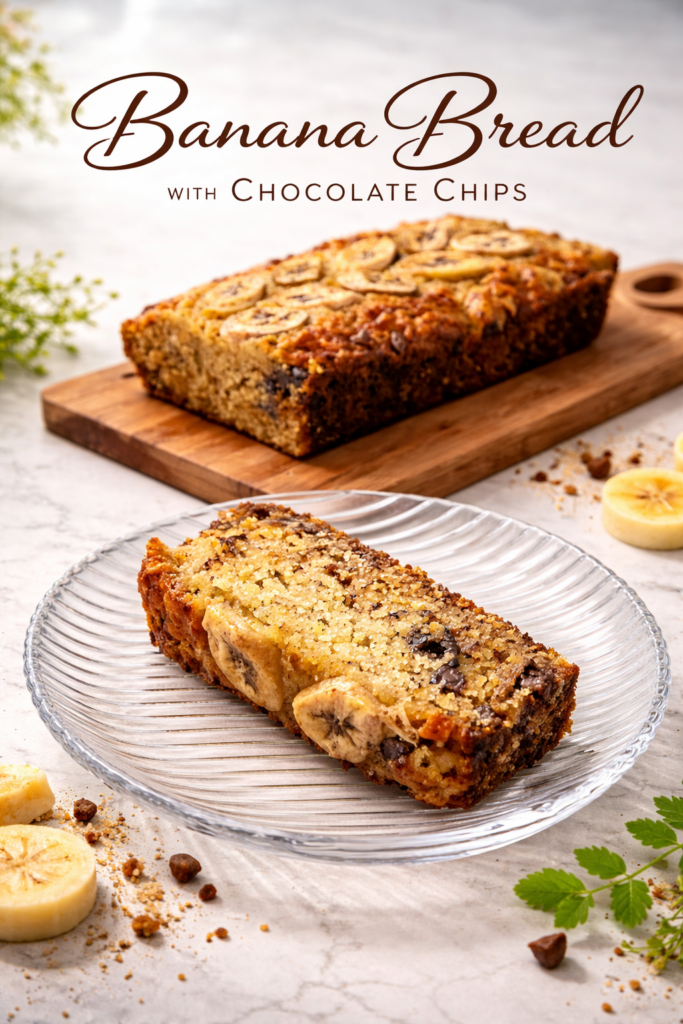
Banana Bread with Chocolate Chips
Why it works: After a savory, umami-rich, slightly bitter main course, you need something sweet and comforting. This moist, brown sugar banana bread with melted chocolate chips provides that exact contrast. The caramel notes in the banana bread echo the brown butter in the cabbage sauce.
Cocktail
Dark ‘n’ Stormy Cocktail Recipe
Why it works: The spicy ginger beer and dark rum of a Dark ‘n’ Stormy mirror the savory-spicy profile of the miso butter. The ginger’s heat stands up to the charred cabbage, while the lime’s acidity cuts through the fat. It’s a stormy, bold pairing for a bold dish.
Non-Alcoholic Drink
Sparkling Yuzu Lemonade (Quick recipe: yuzu juice, honey, sparkling water)
Why it works: The bright, citrusy acidity of yuzu cuts through the fat of the butter and the char of the cabbage, refreshing your palate between each rich bite.


Description
This miso butter charred cabbage transforms humble vegetables into a luxurious dish. With crispy, blackened edges and a creamy, savory Japanese-inspired sauce, it comes together in under 30 minutes.
Ingredients
Instructions
-
Prepare the cabbage. Remove any wilted outer leaves. Cut the cabbage in half directly through the core. Lay each half cut-side down and slice each half into 4 thick wedges. Crucial: Keep the core intact on each wedge, or the leaves will fall apart in the pan.
-
Char the cabbage. Heat the olive oil in a large cast-iron or high-sided skillet over medium-high heat until it glistens and just begins to smoke. Working in batches (do not overcrowd the pan), place the cabbage wedges cut-side down. Using tongs, press firmly on each wedge to ensure maximum contact with the hot pan.
-
Develop the crust. Cook undisturbed for about 4 minutes per side. You want a deep, dark char—almost black in spots. If the pan looks dry between batches, add another tablespoon of oil. Transfer the charred cabbage to a serving platter. Don't worry if it looks burnt; that is the Maillard reaction at work.
-
Brown the butter. Turn off the heat. Carefully wipe out any black cabbage bits from the pan (they will burn further) and let the pan cool for 2 minutes. Add the 6 tablespoons of butter to the pan and place it back over medium heat.
-
Finish the sauce. Cook the butter, stirring occasionally and scraping the bottom of the pan, for 3 to 4 minutes. You will see the butter foam, then subside, then turn golden brown. It will smell like hazelnuts. Immediately remove the pan from the heat. Stir in 1 teaspoon of black pepper and the white miso paste. Whisk until mostly combined (it will look a little chunky—that is fine). Stir in the fresh lemon juice. Taste and add salt if needed (miso is salty, so go easy).
-
Assemble and serve. Spoon the hot miso butter sauce generously over the charred cabbage wedges. Top with fresh parsley, toasted walnuts, and another crack of black pepper. Serve immediately while the cabbage is hot and the sauce is glossy.
Note
Pro Tip: Dry cabbage is crispy cabbage. After cutting your wedges, pat the cut sides with a paper towel. Excess water will create steam, preventing the char.
Miso Varieties: Do not use red miso (Hatcho or aka miso). It is too salty and pungent for this delicate sauce. Stick to white (Shiro) or yellow (Shinshu) miso.
Storage: Store leftovers in an airtight container in the fridge for up to 3 days. However, note that the cabbage will lose its crispy texture. To reheat, flash fry in a dry skillet rather than a microwave.
Vegan Adaptation: Swap the unsalted butter for a high-quality vegan butter (like Miyoko’s or Earth Balance). The browning won't be as deep, but the nutty flavor will still develop.
Make it a Main: Add ½ cup of cooked chickpeas or sliced shiitake mushrooms to the pan when you brown the butter to bulk up the protein.