
Maybe you’ve had your fill of pho or are looking for something a little different. Bo Kho with rice noodles is just the ticket. This spicy and flavorful Vietnamese beef stew makes for a pretty epic bowl of noodle soup that’s both deeply comforting and wonderfully complex.
Bo Kho at its most basic is considered a “beef stew,” given it can be prepared as a soup or a thicker stew, but to me, I always consider it more of a soup. Its familiar red color comes from the fragrant addition of annatto, while the broth is infused with chili, five-spice, fish sauce, lemongrass, plenty of garlic, and tomato. It’s one of those dishes that seems simple—spicy beef soup, right?—but that you know must be more complex given how flavorful and delicious it is.
The history of Bo Kho is a fascinating story of cultural fusion. It reflects Vietnam’s rich culinary exchange with French colonial influence, bearing a clear resemblance to the classic French stew, pot-au-feu . The Vietnamese took this slow-simmered beef dish and made it their own by infusing it with quintessential Southeast Asian aromatics—lemongrass, star anise, and ginger—creating something entirely new and uniquely Vietnamese. The result is a dish that bridges two worlds, offering the hearty satisfaction of a French stew with the bright, aromatic punch of Vietnamese cuisine. It can be served with rice, French bread (a direct nod to its colonial roots), or as we prefer it, with noodles!

Good Pairing Food and Drink
- Good Pairing Food: A simple, crunchy Vietnamese cucumber salad (Dua Chua) or pickled carrots and daikon would provide a refreshing, tangy contrast to the rich, spicy stew. A fresh baguette (bahn mi bread) is also a fantastic option for sopping up every last drop of the flavorful broth—a direct nod to the dish’s French-Vietnamese heritage .
- Good Pairing Drink:
- Vietnamese Iced Coffee (Ca Phe Sua Da): The strong, sweet, bold coffee with condensed milk is a classic and delicious contrast to the savory, spicy stew .
- Crisp Lager or Pilsner: A light, crisp beer like a Vietnamese Bia Saigon or a Mexican Corona helps cleanse the palate between rich, spicy bites.
- Fresh Coconut Water: Served on the side, it echoes the ingredient in the stew and provides a refreshing, hydrating balance.
- Gewürztraminer (White Wine): This aromatic white wine, with its slight sweetness and notes of lychee and spice, can stand up to the bold flavors of lemongrass and five-spice beautifully .
- Garibaldi Cocktail: The 2-Ingredient Italian Aperitivo That Unites a Nation


Description
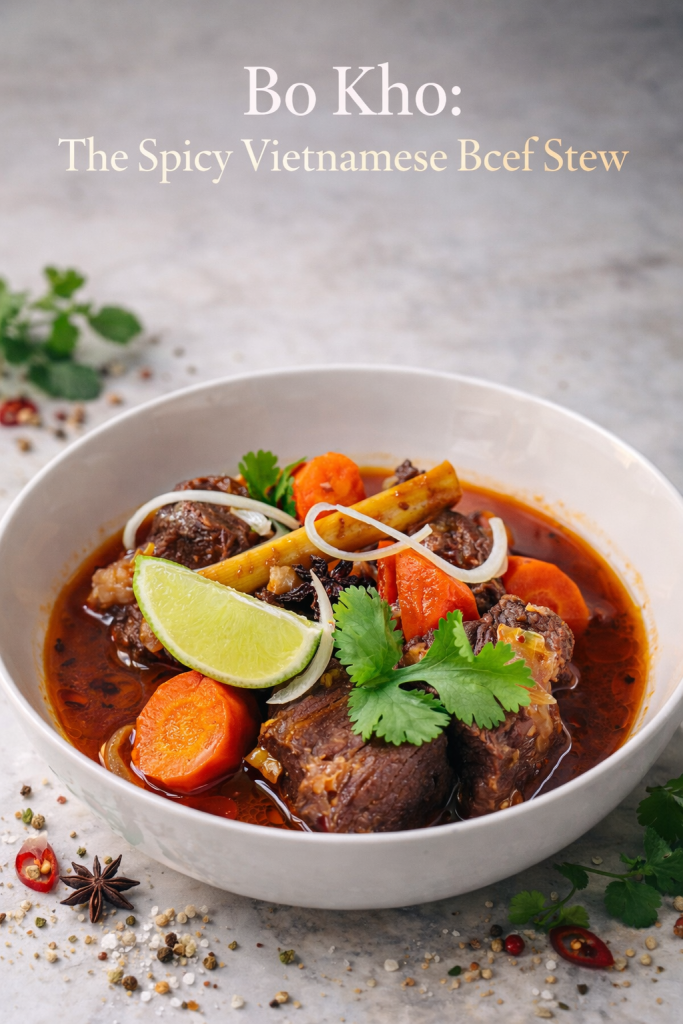
This Bo Kho recipe is the perfect antidote to pho fatigue. It's a hearty, aromatic Vietnamese beef stew where tender chunks of beef brisket or chuck are slow-simmered in a richly spiced broth infused with lemongrass, ginger, star anise, and a touch of chili heat. The broth gets its signature red hue and subtle nutty flavor from annatto, while coconut water adds a hint of natural sweetness that balances the savory depth of fish sauce and soy sauce. Ladled over soft rice noodles and piled high with fresh cilantro, Thai basil, raw onion, and a squeeze of lime, every spoonful is a symphony of spicy, savory, and fresh flavors. While the stew simmers for over two hours, the hands-on time is minimal, making it a perfect weekend project for a week's worth of incredible lunches or dinners.
(Per serving, based on 8 servings, includes noodles)
For the beef:
For the rest of the stew:
For serving:
Instructions
-
First marinate the beef. In a large bowl, combine the beef chunks with the minced garlic, minced ginger, fish sauce, five-spice powder, and brown sugar. Toss until each piece is evenly coated. Cover and let marinate for 30 minutes at room temperature (or up to overnight in the refrigerator).
-
Infuse the aromatics. Heat 3 tablespoons of oil in a large stock pot or Dutch oven over high heat. Add the lemongrass stalks (the 3-inch pieces) and allow them to infuse the oil for 1 minute, until fragrant. Next, add the minced lemongrass and the 8 cloves of minced garlic. Cook for 2 minutes, stirring frequently to prevent burning.
-
Brown the beef. Add the sliced onion to the pot and cook until translucent, about 3-4 minutes. Then, add all of the marinated beef to the pot. Spread it into an even layer and let it brown undisturbed for a few minutes, then stir and continue to cook until the beef is evenly browned on all sides.
-
Build the broth base. Add the tomato paste to the pot. Stir and cook, uncovered, for 5 minutes to caramelize the paste slightly. This deepens the flavor.
-
Simmer the stew. Pour in the 8 cups of water and 2 cups of coconut water. Add the star anise, ground black pepper, chili powder, ground annatto (if using), and paprika. Stir everything together, scraping up any browned bits from the bottom of the pot. Bring the mixture to a boil, then reduce the heat to medium-low, cover, and simmer for 1 hour.
-
Add carrots and final seasonings. After an hour has passed, add the carrot chunks, salt, soy sauce, and chili oil. Stir to combine. Return the lid and continue to simmer for another 40 minutes, or until the beef is fork-tender and the carrots are soft.
-
Prepare noodles and serve. Just before serving, cook your wide rice noodles or egg noodles according to package instructions. Divide the noodles among large soup bowls. Remove the large lemongrass stalks and any whole star anise pods you can fish out of the stew. Ladle the hot stew (broth, beef, and carrots) over the noodles.
-
Garnish and enjoy. Garnish each bowl generously with fresh cilantro, Thai basil leaves, and thinly sliced raw onion. Serve immediately with lime wedges on the side for squeezing.
Equipment
-
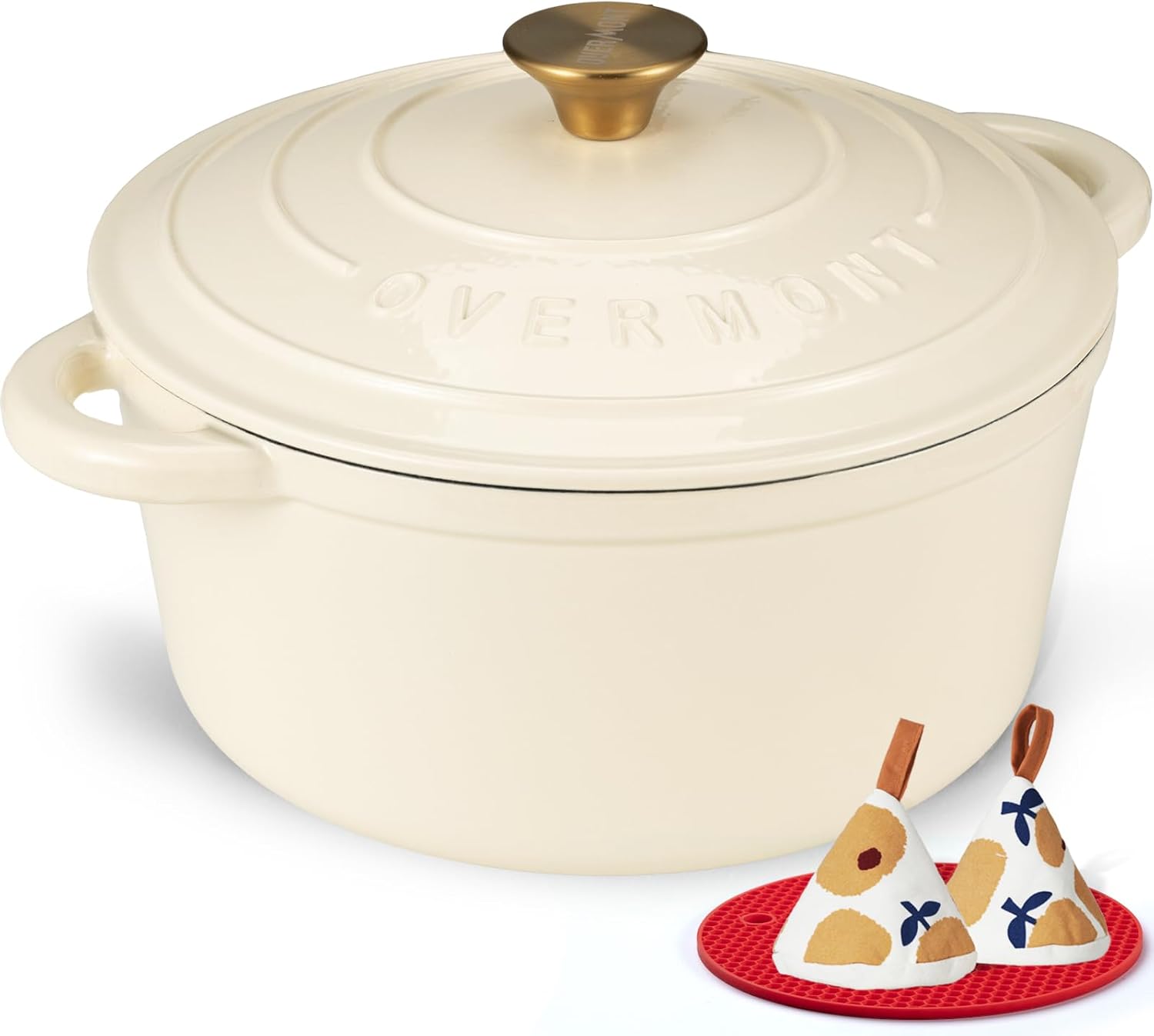 Large Dutch Oven
Nutrition Facts
Servings 8
- Amount Per Serving
- Calories 615kcal
- % Daily Value *
- Total Fat 26g40%
- Sodium 946mg40%
- Total Carbohydrate 65g22%
- Dietary Fiber 5g20%
- Sugars 8g
- Protein 30g60%
* Percent Daily Values are based on a 2,000 calorie diet. Your daily value may be higher or lower depending on your calorie needs.
Note
- Make it Ahead: Like all good stews, Bo Kho tastes even better the next day. Make the stew (without the noodles) a day or two in advance and store it in the refrigerator. The flavors will meld and deepen beautifully. Reheat gently on the stovetop before serving.
- Coconut Water is Key: Don't substitute coconut milk here. The natural sweetness and thin consistency of coconut water are essential for the broth. Coconut milk would make it heavy and creamy, which is not the goal.
- Annatto Options: Annatto oil or powder gives Bo Kho its signature red-orange color. If you can't find annatto, you can increase the paprika slightly, but the color will be different. The flavor is subtle, so the dish will still be delicious without it.
- Low-Carb Modification: To make this low-carb or keto-friendly, simply omit the rice noodles and serve the stew in a bowl with extra vegetables like bok choy or zucchini noodles (zoodles).