
INTRO
That bright orange cocktail keeps popping up in your social media feed, doesn’t it? Sun-drenched piazzas. Carefree laughter. The Aperol Spritz has taken over the internet for good reason. This isn’t just a pretty drink—it’s Italy’s official welcome-to-the-weekend ritual. One sip reveals why the world fell so hard. This Aperol Spritz recipe delivers that perfect balance of bitter, sweet, and bubbly. Every sip feels like a mini vacation.
Three ingredients. A splash of soda. That’s all you need to transport yourself to a Venetian cafe. But don’t let the simplicity fool you. Getting the proportions exactly right takes genuine craftsmanship. Today, we’re mastering that skill together.
THE HISTORY
The Spritz story starts with the Austro-Hungarian Empire, not Italy. During the 19th century, the Habsburgs controlled parts of northern Italy’s Veneto region. Austrian soldiers found the local wines too strong for their northern palates. Their solution? A splash of water. In German, that’s “spritz.”
That practical dilution evolved into something far more interesting. By the early 1900s, plain water became sparkling water. Still wine joined the party, then sparkling wine joined after. Around the 1920s, someone had a brilliant idea—add bitters.
Enter Aperol. The Barbieri brothers created this vibrant orange liqueur in Padova in 1919. They designed it to be approachable. Less aggressively bitter than its cousin Campari. Lower alcohol content made it perfect for daytime sipping. For decades, the Aperol Spritz remained a regional specialty. The Veneto loved it. The rest of the world hadn’t heard of it.
Then came 2003. The Campari Group bought Aperol and launched a marketing campaign that changed cocktail culture forever. They promoted the drink as the ultimate symbol of Italian aperitivo culture—that cherished pre-dinner ritual of light drinks and small snacks. They tapped into something universal. Today, according to Campari, people consume roughly 300,000 Aperol Spritzes daily in the Veneto alone. The cocktail has become the most popular boozy beverage in the United States.
THE SCIENCE
Why does the Aperol Spritz work so beautifully? The answer lies in a perfect 3-2-1 mathematical formula. It balances multiple elements on your palate simultaneously.
First, consider the bitterness. Aperol contains a carefully calibrated blend of bitter and sweet oranges, rhubarb, and gentian root. At 11% alcohol by volume, it’s gentle enough to sip without overwhelming. Yet it stands up assertively to the other ingredients. The bitterness serves a crucial biological purpose—it stimulates digestive enzymes and saliva production. It literally prepares your stomach for the meal to come. That’s why Italians drink it before dinner, not during.
The Prosecco contributes more than just bubbles. Those tiny carbon dioxide molecules do something remarkable—they lift aromatic compounds to your nose. They enhance your perception of flavor before the liquid even touches your tongue. The wine’s natural acidity and subtle fruit notes provide a crisp foundation. They keep the cocktail refreshing rather than cloying.
The soda water adds two critical elements: additional carbonation for that lively texture, and crucial dilution. Watch someone who knows what they’re doing make an Aperol Spritz. Notice they use large ice cubes, not small ones. Large cubes melt slowly, gradually releasing water that softens the alcohol’s bite. The flavors evolve over time. The first sip is bold and bright. The last sip is softer and more rounded, but never watery.
GOOD PAIRING FOOD AND DRINK
Appetizer: Marinated Olives and Almonds
Set out a bowl of mixed marinated olives and Marcona almonds before anyone takes their first sip. The brine from the olives echoes the cocktail’s bitterness. The almonds provide a buttery richness that softens Aperol’s edge. Together, they create that classic Italian aperitivo experience. You’ll feel like you’re already on vacation.
Main Course: Spaghetti alle Vongole
After your Spritz properly stimulates everyone’s appetite, serve a light seafood pasta. Spaghetti with clams, white wine, garlic, and a pinch of red pepper mirrors the cocktail’s brightness. The brininess of the clams creates a beautiful through-line from drink to dish. The gentle heat from the pepper also plays nicely with Aperol’s herbal notes.
Side Dish: Grilled Vegetables with Lemon
Grill some zucchini, eggplant, and bell peppers. Dress them simply with olive oil, lemon, and fresh herbs. The char from the grill adds smokiness that contrasts beautifully with the cocktail’s freshness. The lemon echoes the citrus notes already present in everyone’s glass.
Dessert: Lemon Ricotta Cake
End the meal with something light and citrus-forward. A simple lemon ricotta cake provides just enough sweetness to satisfy without overwhelming. The creamy ricotta texture offers a lovely contrast to the effervescence everyone started with. A final small glass of Prosecco wouldn’t hurt either.
Cocktail: Garibaldi
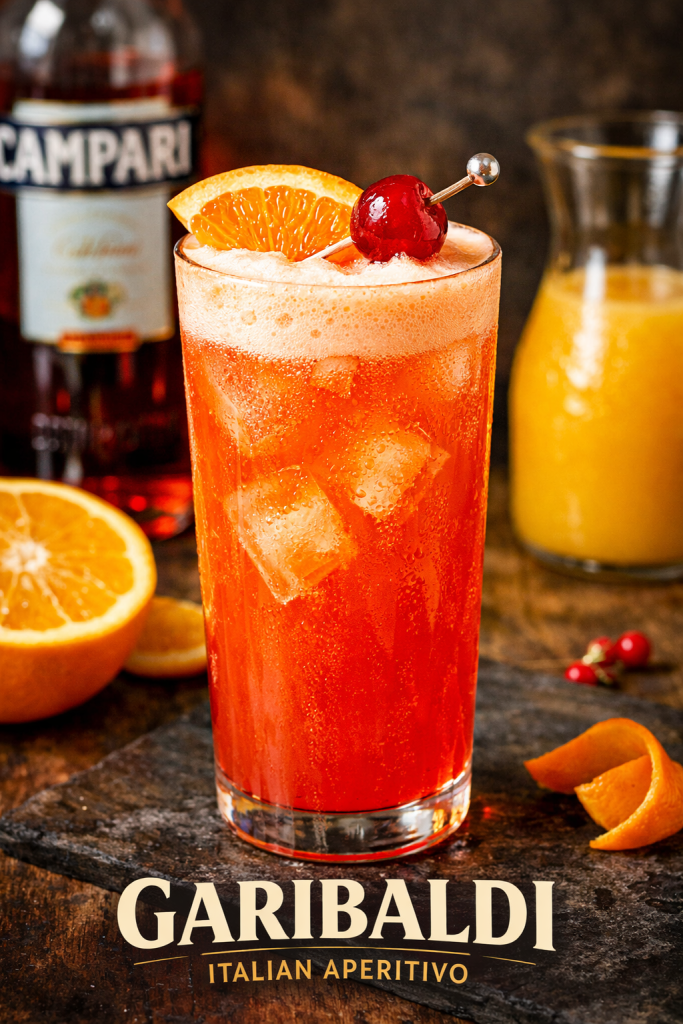
For those who want to continue the Italian theme, try a Garibaldi—Campari and fresh orange juice, aerated to silky perfection. It’s the Spritz’s more assertive cousin. It shares the same bitter-orange soul but delivers a completely different texture.
Non-Alcoholic Drink: Sanbitter
Italy makes an answer to the adult soft drink. Sanbitter is a non-alcoholic bitter aperitivo that captures the same complex flavor profile as Aperol. Mix it with a splash of soda and an orange slice. It delivers nearly the same experience for anyone skipping alcohol.
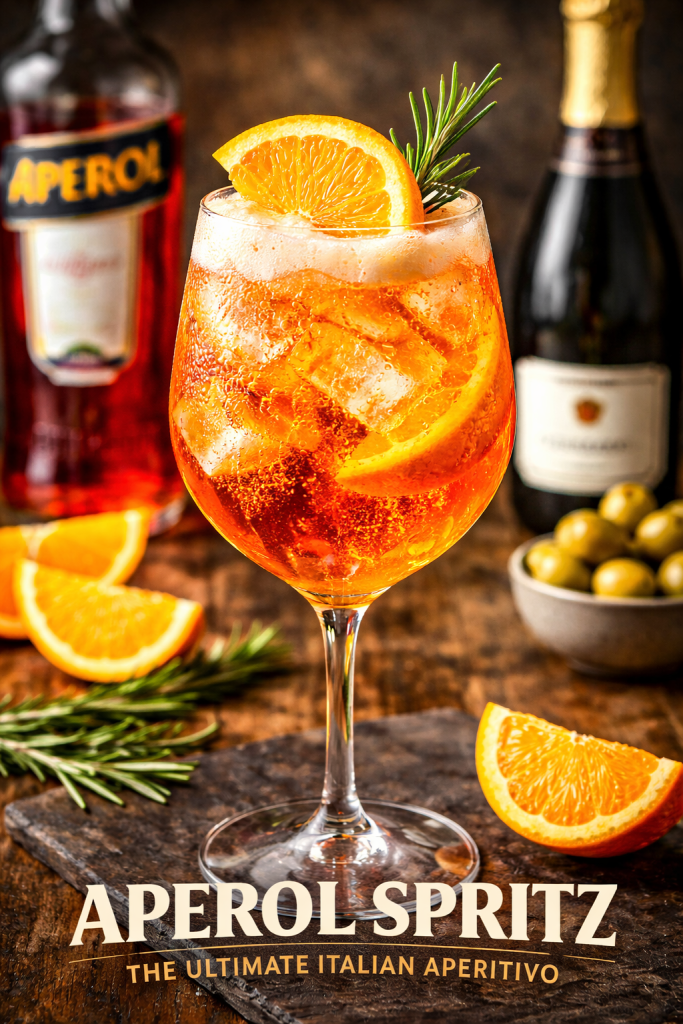
Description
Master the art of the perfect Aperol Spritz with this foolproof recipe. Just three ingredients and three minutes stand between you and the most refreshing Italian cocktail ever created. Bitter, bubbly, and impossibly charming.
Ingredients
Instructions
-
Choose Your Glass Wisely: Grab a large wine glass or a robust rocks glass. It needs enough room for plenty of ice and liquid without overflowing. Skip narrow glasses—they won't let the aromas develop properly.
-
Add the Ice: Fill your glass completely with large ice cubes. This isn't just about chilling. Big cubes melt slowly, so your drink stays cold without turning watery.
-
Pour the Aperol: Measure 2 parts Aperol and pour it directly over the ice. Watch that gorgeous orange color cascade down.
-
Add the Prosecco: Measure 3 parts chilled Prosecco and pour it gently over the Aperol. Watch the bubbles mingle immediately.
-
Top with Soda: Add 1 part soda water. This final splash lightens everything and adds that last layer of refreshment.
-
Stir Gently: Use a long spoon to stir just a few times. Combine without knocking out all those precious bubbles.
-
Garnish and Serve: Slide a thick slice of orange into the glass. Feeling Venetian? Drop in a green olive too. The salty contrast delights. Serve immediately.
Nutrition Facts
- Amount Per Serving
- Calories 160kcal
- % Daily Value *
- Sodium 5mg1%
- Total Carbohydrate 12g4%
- Sugars 10g
* Percent Daily Values are based on a 2,000 calorie diet. Your daily value may be higher or lower depending on your calorie needs.
Note
The Ice Matters More Than You Think
Use large ice cubes. Seriously. They melt slowly, so your drink stays properly chilled without turning watery. Small cubes will leave you with sad, diluted last sips.
Prosecco Quality Guidelines
You don't need Champagne money, but skip the absolute cheapest bottles. Look for a dry Prosecco labeled "brut" or "extra dry" with good acidity. The wine should complement the Aperol, not compete with it.
The Venetian Variation
In Venice, many bars use dry white wine instead of Prosecco. They always include that green olive too. Try it sometime. The still wine version offers a completely different experience.
Make It a Pitcher
For parties, multiply the ingredients and combine in a large pitcher. Add ice only when serving to avoid dilution. Float extra orange slices in the pitcher for a gorgeous presentation with zero last-minute work.
Temperature Matters
Everything should be cold before it goes in the glass—the Aperol, the Prosecco, even the glass if possible. Warm ingredients melt ice too fast and throw off the entire balance.
The First Sip vs. The Last Sip
Notice how the cocktail changes as you drink. That first sip is bold and bright. The last sip is softer and more rounded, with the ice having done its gentle work. Both are correct. Both are delicious.