
Intro
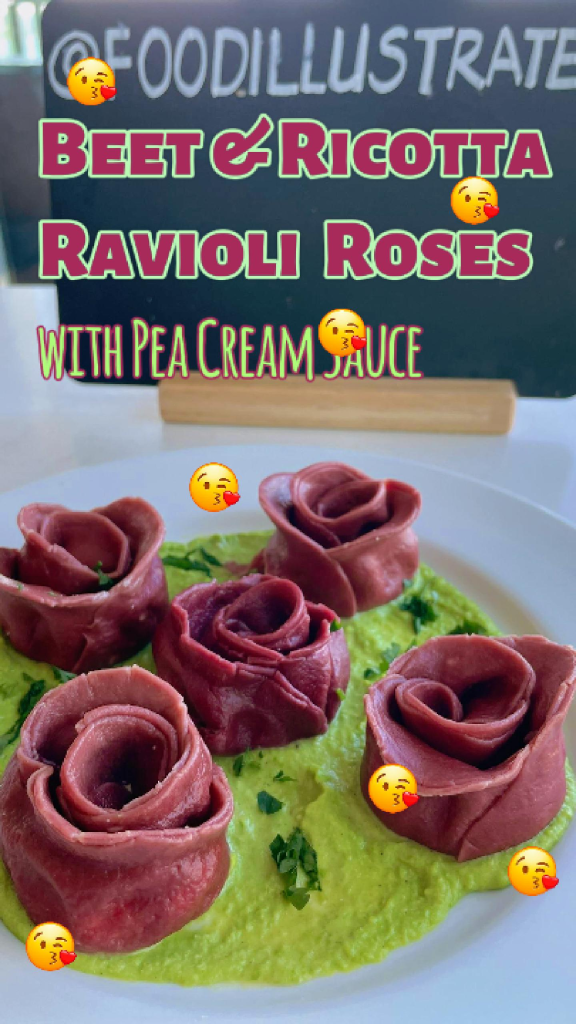
There are certain dishes that stop the conversation the moment they hit the table—this is one of them. Imagine delicate pasta petals in shades of sunset pink, cradling a creamy ricotta heart, all floating on a sea of vibrant green pea cream. It looks like something from a three-Michelin-star kitchen, yet the magic of this recipe lies in its rustic soul and the surprising science that makes it work.
While this “rose” shape is a modern, viral sensation, its roots dig deep into the mountainous region of Northern Italy. Specifically, this dish is a creative homage to Casunziei all’ampezzana, a traditional ravioli from the ski resort town of Cortina d’Ampezzo in the Dolomites . For centuries, the Ladin people of this region have filled their pasta with red beets, a testament to the influence of nearby Eastern European cuisine, where the humble beet is a staple . What was once a peasant dish, made from simple, available ingredients, has been transformed here into a luxurious expression of culinary art.
The beauty of this recipe isn’t just on the plate; it’s in the science. That stunning, vibrant hue comes from a class of pigments called betalains, found abundantly in beets . Unlike the anthocyanins that color red cabbage or blueberries, betalains are remarkably stable, giving your pasta that eye-popping color that survives the boiling pot . The roasting process we use not only deepens the beet’s earthy sweetness but also minimizes nutrient loss, ensuring your pasta is as nutritious as it is beautiful . This is food for the soul, the eyes, and the body.
Perfect Pairings for Beet & Ricotta Ravioli Roses
Appetizer
Burrata with Heirloom Tomatoes & Balsamic
- Why: The creamy burrata mirrors the ricotta filling, while acidic tomatoes and sharp balsamic cut through richness and wake up the palate.
Main Course
Note: The ravioli is already a satisfying main. If serving as a starter course, follow with:
Lemon & Herb Roasted Branzino
- Why: Light, lean fish with bright citrus cleanses the palate after creamy pasta, adding protein and crisp texture without overwhelming.
Side Dish
Garlic Sautéed Spinach with Pine Nuts
- Why: Echoes the “green” of pea sauce while adding savory garlic, crunchy nuts, and bright lemon to balance the buttery pasta.
Dessert
Lemon Olive Oil Cake with Whipped Mascarpone
- Why: Lemon cuts through richness, olive oil complements beet’s earthiness, and mascarpone provides a sweet nod to the ricotta filling.
Cocktail
Pomegranate Rosemary Spritz (Gin, pomegranate, rosemary, prosecco)
- Why: Red color mirrors the pasta visually; tart pomegranate and herbal rosemary cut creaminess; bubbles cleanse the palate.
Non-Alcoholic
Cucumber Mint Lime Sparkler
Why: Crisp cucumber and cooling mint wash away coating cream sauce; lime adds zip to refresh between each bite.
Description
Impress everyone with these stunning, handmade Beet Pasta Roses filled with creamy ricotta and Parmesan! This recipe takes homemade pasta to the next level with a vibrant, natural color from roasted beets and an elegant "rose" shape. Paired with a smooth, fresh pea cream sauce, it's a restaurant-worthy dish perfect for a special date night or celebration.
Ingredients
For the Beet Pasta Dough:
For the Ricotta Filling:
For the Pea Cream Sauce:
To Finish:
Instructions
-
Roast the Beets & Make Purée: Preheat your oven to 200°C (400°F). Coat the whole, unpeeled beet in olive oil, wrap it tightly in foil, and place it on a baking sheet. Roast for 50-60 minutes, or until a knife slides through the flesh with no resistance. This slow roasting concentrates the sweetness. Let it cool until you can handle it, then rub off the skin with a paper towel. Finely chop the beet, then measure out 70g and purée it in a small food processor or with an immersion blender until completely smooth. Set aside .
-
Make the Pasta Dough (The "Well" Method): On a clean work surface, mound the '00' flour and create a large, deep well in the center. Crack the eggs into the well and add the 70g of vibrant beet purée. Using a fork, gently beat the eggs and purée together. As you beat, slowly start incorporating flour from the inner walls of the well. Continue until a shaggy, sticky dough forms. Using your hands, begin to knead the dough, pushing it away from you and folding it back. Knead for 8-10 minutes until the dough is smooth, elastic, and uniformly pink. Wrap the dough tightly in plastic wrap and let it rest at room temperature for at least 30 minutes. This rest is crucial for relaxing the gluten .
-
Prepare the Filling: While the dough rests, combine the ricotta, grated Parmigiano Reggiano, salt, and pepper in a bowl. Mix until well blended. Transfer the mixture to a piping bag or a small zip-top bag and snip off a corner. Refrigerate until you're ready to assemble.
-
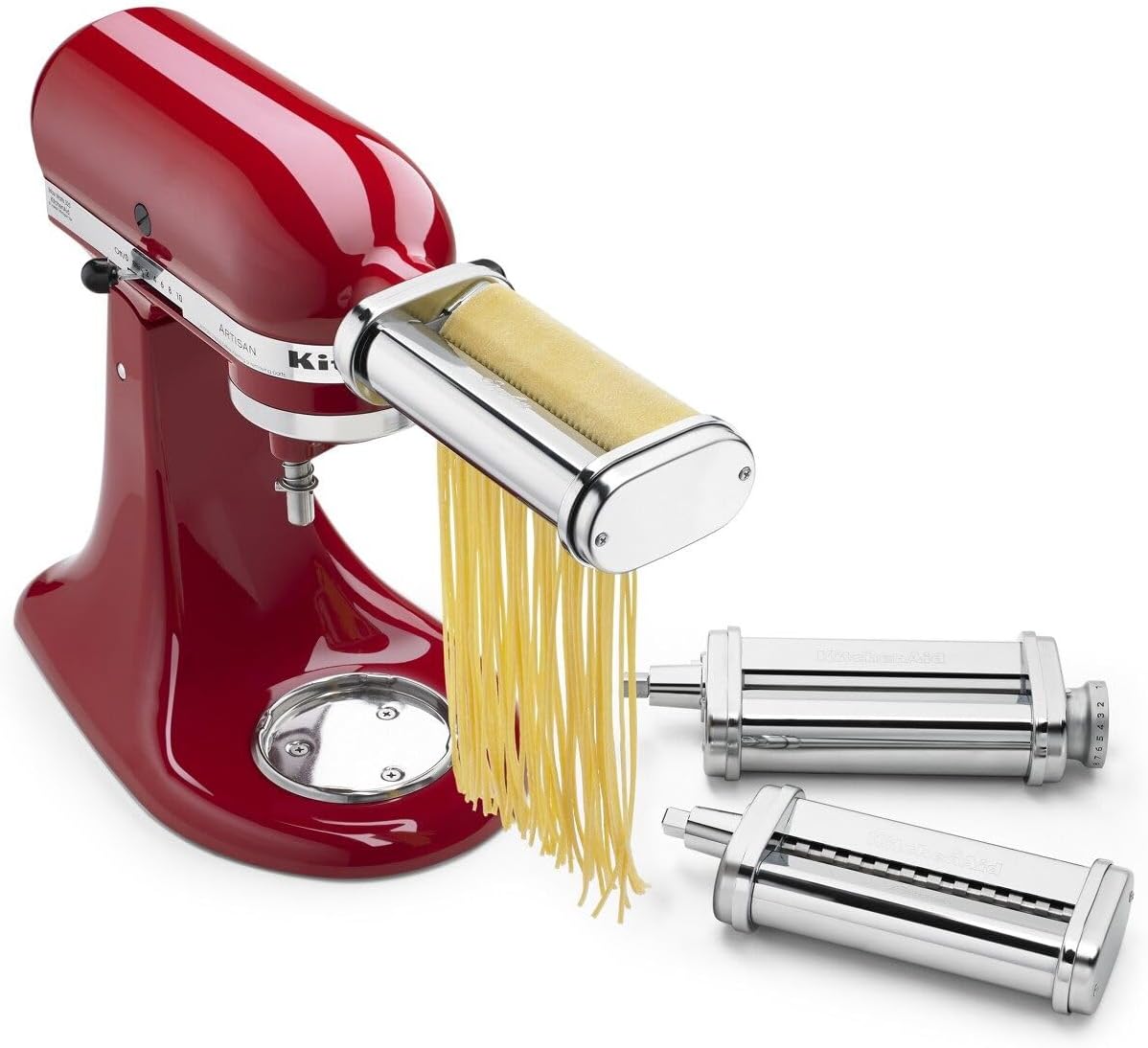
Roll, Cut, and Shape the Roses: Divide the rested dough into 4 pieces, keeping the unused portions covered with a damp towel to prevent drying. Using a pasta machine, roll one piece through the widest setting. Fold it into thirds and roll again. Continue rolling, progressing to thinner settings (about setting #6 or #7 on a standard machine, or until you can see your hand faintly through the sheet) . Use a 3-inch round cutter to cut out as many circles as possible. Arrange 5 circles in a vertical row, overlapping them slightly like fish scales. Pipe a thin line of the ricotta filling along the center of the overlapping circles. Gently fold the entire row of circles in half lengthwise, enclosing the filling to form a long, stuffed crescent strip. Starting from one end, carefully roll the strip into a tight rose shape. Pinch the "bottom" end firmly to seal. Place the finished rose on a tray dusted with semolina flour and repeat .
-
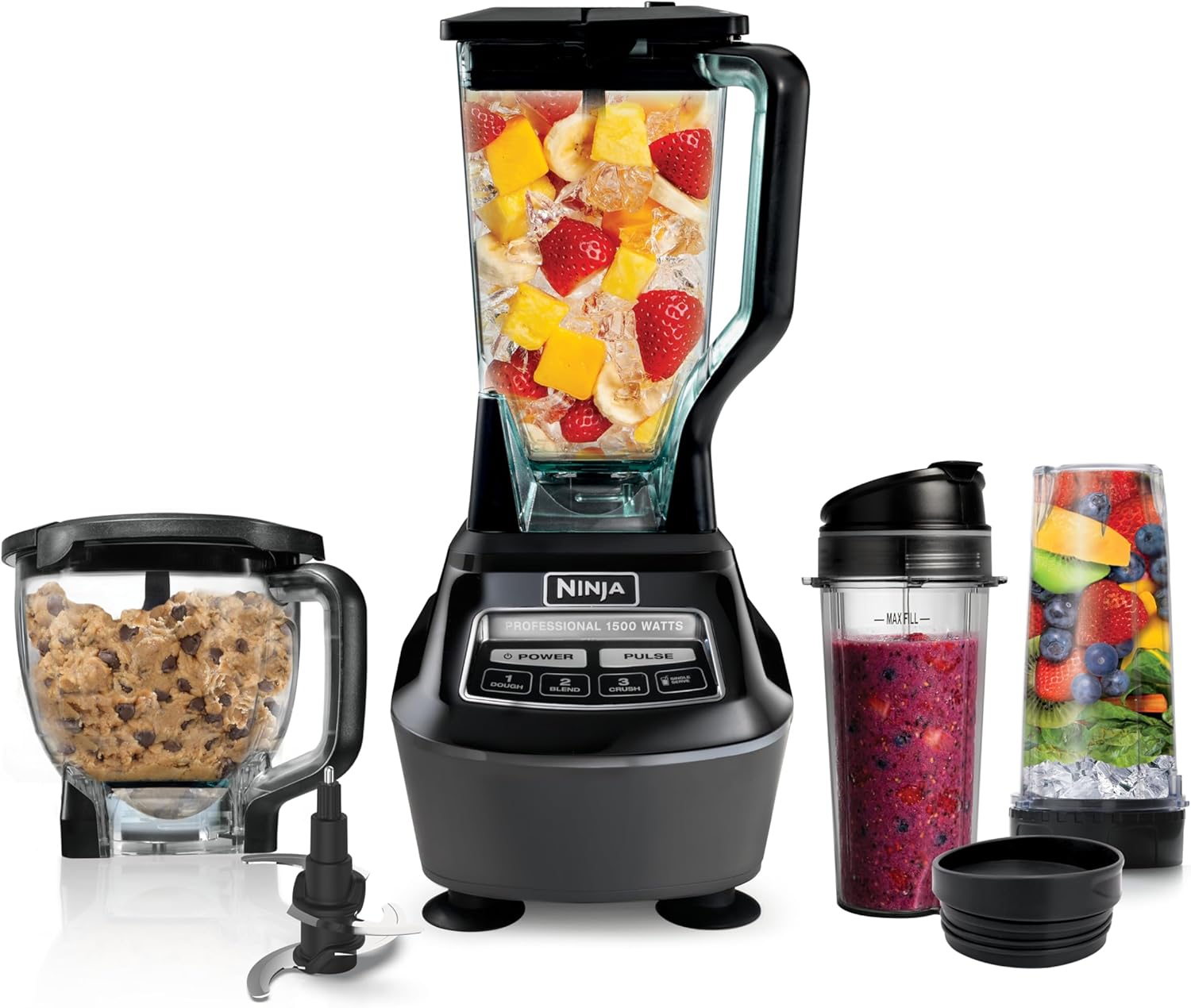
Make the Pea Cream Sauce: Heat the olive oil in a small skillet over medium heat. Add the sliced shallot and cook until soft and translucent, about 3-4 minutes. Add the defrosted peas and cook for another 2 minutes. Transfer the mixture to a high-powered blender. Add the light cream and blend on high until the sauce is completely smooth and has a vibrant green color. Season generously with salt and pepper. Pour the sauce back into the skillet and set aside (off the heat) .
-
Cook & Assemble: Bring a large pot of well-salted water to a gentle boil. Carefully drop the pasta roses into the water. They will sink and then float to the surface when they are nearly done, after about 2-3 minutes. While they cook, melt the 2 tablespoons of butter in a large, wide pan over medium heat. Using a slotted spoon, gently transfer the cooked pasta roses directly from the boiling water into the butter pan. Toss them very gently for about a minute to coat them in the butter and finish cooking. Gently reheat the pea sauce over the lowest possible heat.
-
Plate & Serve: Spoon a generous pool of the warm pea cream sauce onto each plate. Artfully arrange 2-3 pasta roses on top of the sauce. Finish with a final grating of fresh Parmigiano Reggiano, a crack of black pepper, and perhaps a few fresh pea shoots or microgreens for garnish. Serve immediately and enjoy the oohs and aahs.
Equipment
Nutrition Facts
- Amount Per Serving
- Calories 620kcal
- % Daily Value *
- Total Carbohydrate 62g21%
- Dietary Fiber 8g32%
- Sugars 9g
- Protein 22g44%
* Percent Daily Values are based on a 2,000 calorie diet. Your daily value may be higher or lower depending on your calorie needs.
Note
- Draining the Ricotta: If your ricotta seems watery, place it in a fine-mesh sieve set over a bowl for at least 30 minutes before using. Too much moisture will make the filling runny and difficult to pipe.
- No Pasta Machine? You can roll the dough out by hand with a long rolling pin. It will require a bit of muscle, but it's absolutely possible. Roll until you can see your hand through the dough.
- Make Ahead: You can prepare the roses up to 24 hours in advance. Store them in a single layer on a semolina-dusted tray, tightly covered with plastic wrap, in the refrigerator. The pea sauce can also be made a day ahead and gently reheated.