
Intro
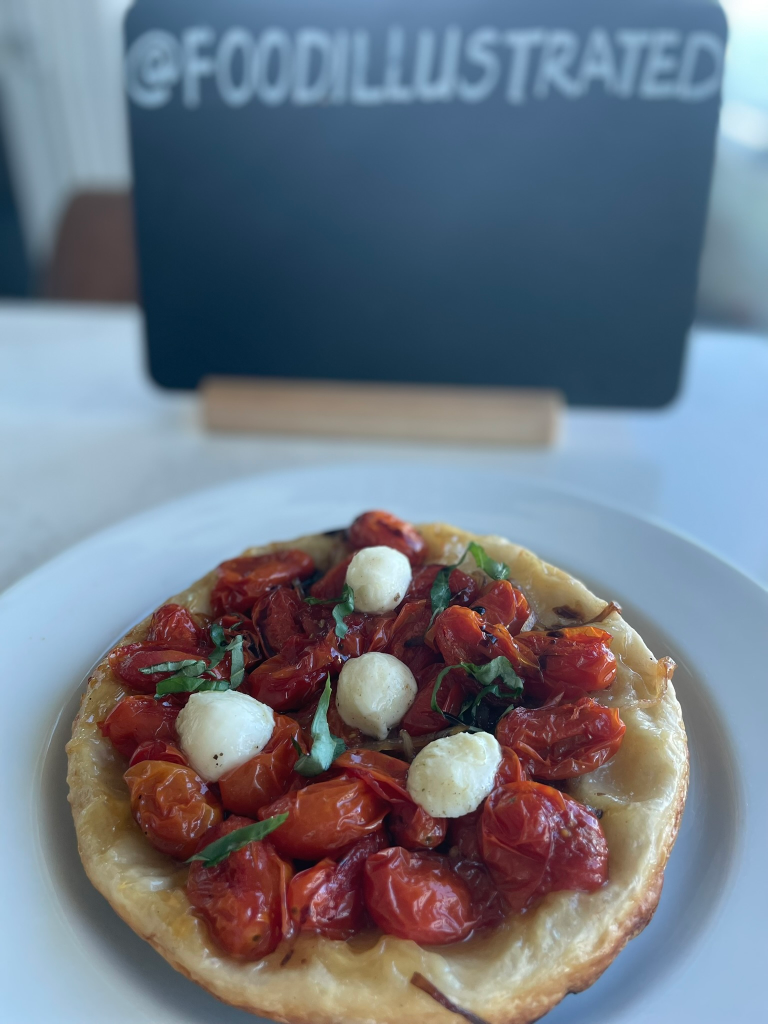
Have you ever bitten into a tomato that tasted like candy, butter, and summer all at once? That is the magic of a Caramelized Tomato Tarte Tatin. This stunning savory tart transforms humble cherry tomatoes into jammy, jewel-toned gems under a blanket of golden, flaky puff pastry. It looks like a project for a French pastry chef, but the secret is that it’s deceptively easy: you caramelize, layer, bake, and flip. The result is an upside-down masterpiece that works as a vegetarian showstopper for brunch, a light dinner, or an impressive party appetizer. Made in a cast-iron skillet with sweet caramelized onions, briny olives, and fresh thyme, this version hits every savory note. Let’s demystify this classic and get you flipping tarts like a pro.
The History
The story of the tarte Tatin begins not with tomatoes, but with apples—and a happy accident in the French countryside. In the 1880s, two sisters, Stéphanie and Caroline Tatin, ran the Hôtel Tatin in the small town of Lamotte-Beuvron, about 100 miles south of Paris . The hotel was a popular stop for hunters, known for its hearty, home-style cooking.
As legend has it, one day a harried Stéphanie was making an apple pie. She was perhaps too tired or distracted, and she let the apples cook too long in butter and sugar, almost burning them. Realizing her mistake, she tried to salvage the dessert by slapping a layer of pastry dough on top of the pan and shoving the whole thing in the oven. After baking, she courageously inverted the tart onto a platter, and to her surprise (and the delight of her guests), a new classic was born: the Tarte Tatin .
The dessert became the hotel’s signature dish, but it remained a local secret until a friend of the sisters, the gastronome Maurice Edmond Sailland (known as Curnonsky), helped popularize it in Paris in the 1920s . Soon, the name “Tatin” became synonymous with any upside-down caramelized tart. While the original was strictly apples, modern chefs have embraced the savory possibilities, substituting everything from pears and quince to eggplants and, most brilliantly, tomatoes . This savory adaptation takes the same principle—concentrating natural sugars through caramelization and enveloping them in pastry—and applies it to the bounty of summer produce, proving that a fortunate mistake can lead to endless delicious reinvention.
The Science
What transforms a pan of ordinary tomatoes and onions into something so intensely flavored? The answer lies in two key chemical reactions: caramelization and the Maillard reaction, working in concert with a careful manipulation of moisture .
First, we create a dry caramel with sugar and water. When you heat sucrose (table sugar) to around 320°F (160°C), it breaks down and re-forms into hundreds of new chemical compounds . These include diacetyl (which tastes buttery), esters (for sweetness and fruitiness), and furans (for nutty, toasty notes). This is where that deep, complex sweetness comes from—it’s not just “sweet” like candy, but rich, slightly bitter, and incredibly aromatic . When we add the onions, they undergo their own transformation. Onions contain their own natural sugars. As they cook slowly, those sugars caramelize, and their harsh sulfur compounds mellow, turning them sweet, tender, and brown .
The tomatoes face a different challenge: they are mostly water. If you simply baked them under pastry, they would release all that liquid and create a soggy, sad tart. This is where the science of moisture management comes in . By cooking the tomatoes briefly in the caramel, we start the process of driving off excess water and concentrating their flavor. The heat causes the tomato cell walls to break down, and as the water evaporates, the natural sugars (fructose and glucose) and glutamates (responsible for umami) become more concentrated. The result is a filling that is jammy, intensely savory, and packed with sweet-savory depth, all while maintaining a structure that will hold up to being flipped .
GOOD PAIRING FOOD AND DRINK
Appetizer: Arugula Salad with Lemon Vinaigrette and Shaved Parmesan
- Why: The peppery bite of fresh arugula and the bright acidity of the lemon vinaigrette cut through the rich, buttery, and sweet-savory flavors of the tart. It cleanses the palate and provides a fresh, crisp contrast to the soft, jammy tomatoes.
Main Course: Grilled Lamb Chops with Rosemary and Garlic
- Why: The earthy, savory richness of lamb is a classic partner for tomatoes and olives. The char from the grill adds a smoky layer that complements the caramelized notes in the tart, creating a hearty and elegant meal.
Side Dish: Creamy Burrata or Fresh Goat Cheese
- Why: A dollop of cool, creamy burrata or tangy, soft goat cheese adds a luxurious, milky counterpoint to the tart’s intense sweetness and acidity. The cheese melts slightly over the warm tart, adding a whole new dimension of texture and flavor.
Dessert: Honey and Rosemary Panna Cotta
- Why: The gentle, milky sweetness of a panna cotta is a soothing way to end the meal. A hint of honey echoes the tart’s caramel notes, while a whisper of rosemary in the cream connects back to the herby thyme in the main dish, creating a subtle, satisfying flavor echo.
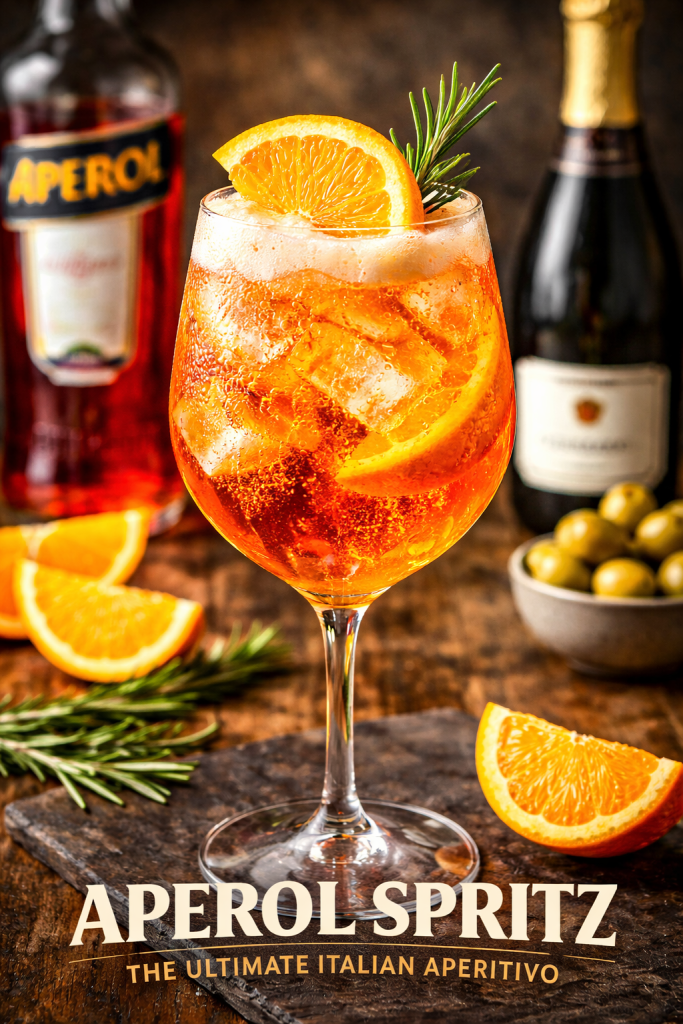
Cocktail: Aperol Spritz
- Why: The bitter orange notes and bright, bubbly effervescence of an Aperol Spritz are a perfect match for this dish. The bitterness cuts through the buttery pastry, while the bubbles act as a palate cleanser, preparing you for each new bite.
Non-Alcoholic Drink: Sparkling Lemonade with Fresh Thyme
- Why: The bright, sharp lemon cuts the richness of the tart, while the touch of herbal thyme in the drink mirrors the fresh thyme baked into the dish. The bubbles provide the same refreshing palate-cleansing effect as the cocktail.
Description
Learn how to make an impressive Caramelized Tomato Tarte Tatin! This easy savory tart is the ultimate vegetarian showstopper. Made with puff pastry in a cast iron skillet, it's flipped upside down to reveal a stunning layer of caramelized tomatoes, onions, and olives.
Ingredients
For the Optional Caprese Garnish:
Instructions
-
Prepare the Pastry and Preheat: On a lightly floured surface, gently roll out the puff pastry sheet just enough to smooth the creases. Using your skillet as a guide, cut a circle of pastry about 1 inch larger than the diameter of your skillet. Place the pastry circle on a parchment-lined baking sheet, prick it all over with a fork, and refrigerate it while you prepare the filling. This keeps the butter in the pastry cold, ensuring maximum flakiness in the oven. Preheat your oven to 425°F (220°C).
-
Caramelize the Onions: In a 9 or 10-inch oven-safe skillet (cast iron is ideal), melt the butter over medium heat. Add the sliced red onions and a pinch of salt. Cook, stirring occasionally, for 10-12 minutes, until the onions have softened and are just starting to brown. Sprinkle them with a pinch of the sugar, stir, and continue to cook for another 5-8 minutes until they are a deep golden brown. Transfer the caramelized onions to a small bowl and set aside. Wipe out the skillet with a paper towel.
-
Make the Dry Caramel: Return the skillet to the stove over medium-high heat. Add the remaining ¼ cup of sugar and the 2 tablespoons of water. Stir gently just to combine, then let it cook without stirring. Allow the mixture to bubble and turn into an amber-colored caramel. This will take about 4-5 minutes. Swirl the pan gently to ensure even coloring, but do not stir, or the sugar may crystallize. Once it's a deep amber, remove the pan from the heat and carefully stir in the sherry vinegar (it will sizzle).
-
Layer the Filling: Immediately scatter the chopped Kalamata olives and fresh thyme leaves evenly over the hot caramel. Next, arrange the cherry tomatoes in a single, snug layer over the olives. Don't worry if they overlap a little; they will shrink as they cook. Spoon the reserved caramelized onions evenly over the tomatoes. Season everything generously with salt and pepper.
-
Top and Bake: Retrieve the chilled pastry circle from the refrigerator. Carefully lay it over the skillet, tucking the edges of the pastry down firmly between the tomatoes and the inner wall of the skillet. Cut 3 or 4 small slits in the top of the pastry to allow steam to escape. Place the skillet on a baking sheet (to catch any potential drips) and bake for 25-30 minutes, or until the pastry is puffed up and a deep, glorious golden brown.
-
The Flip (The Moment of Truth): Remove the skillet from the oven and let it rest for exactly 5 minutes. This short rest is crucial; it allows the caramel to set slightly so it doesn't run everywhere when you flip it. Place a large, flat serving plate (or a cutting board) upside down over the skillet. Wearing oven mitts, use one hand to hold the plate firmly against the skillet and the other to grip the skillet handle. In one confident, swift motion, flip the skillet and plate over. Set the plate down and carefully lift the skillet off. If any tomatoes or olives have stuck to the skillet, simply use a spatula to gently place them back on the tart.
-
Garnish and Serve: If using the Caprese-style garnish, arrange the fresh mozzarella and torn basil leaves over the warm tart. Drizzle with a little balsamic glaze and finish with a final crack of black pepper and a sprinkle of fresh thyme. Serve warm or at room temperature.
Nutrition Facts
Servings 6
- Amount Per Serving
- Calories 320kcal
- % Daily Value *
- Total Fat 18g28%
- Sodium 320mg14%
- Total Carbohydrate 35g12%
- Dietary Fiber 3g12%
- Sugars 16g
- Protein 4g8%
* Percent Daily Values are based on a 2,000 calorie diet. Your daily value may be higher or lower depending on your calorie needs.
Note
- Choosing the Right Pan: A well-seasoned cast-iron skillet is your best friend here. It heats evenly and has a naturally non-stick surface that makes the flip much easier. If you don't have cast iron, any heavy, oven-safe, non-stick skillet will work.
- Don't Skimp on the Caramel: The deep amber color of the caramel is vital for flavor. If you pull it off the heat too early, it will just be sweet syrup. If it burns, you have to start over. Aim for the color of a copper penny.
- Make-Ahead Magic: You can caramelize the onions up to two days in advance and store them in the refrigerator . You can also assemble the tart (minus the pastry) in the skillet, cover it, and keep it at room temperature for up to 4 hours before baking. Add the pastry and bake just before serving.
- Storage: This tart is best enjoyed the day it's made. Leftovers can be stored in the refrigerator for up to a day, but the pastry will lose its crispness. To reheat, place it in a 350°F (175°C) oven for 5-10 minutes to try and re-crisp the crust.