
INTRO
Have you ever wondered how restaurants achieve that perfect balance of crispy-skinned salmon and a sauce so luxurious it feels like a warm embrace? The secret is often a classic French technique applied in an unexpectedly simple way. This recipe for pan-seared salmon with warm tartare sauce deconstructs fine dining, bringing it directly to your home kitchen. It transforms the familiar cold, mayo-based condiment into a sophisticated, butter-rich emulsion that coats each flaky bite of perfectly cooked salmon.
This isn’t just another salmon recipe. It’s a study in contrasts: the ultra-crispy skin against the silky, tangy sauce; the rich, fatty fish cut by the bright pop of capers and cornichons. What makes this version truly special is its approachability. By building the sauce on a classic beurre blanc foundation and infusing it with the classic flavors of tartare, we create something that tastes incredibly complex but comes together in the time it takes to cook the fish. Get ready to impress yourself and anyone you’re cooking for.
THE HISTORY
The story of this dish is a delightful fusion of land and sea, of French technique and beloved condiment. To understand the warm tartare sauce, we must first look to the Loire Valley in France, the birthplace of beurre blanc (literally “white butter”). Legend has it that this iconic emulsion was created accidentally in the early 20th century by a chef named Clémence Lefeuvre. She was preparing a reduction of shallots and vinegar for a fish dish, intending to finish it with cream. Realizing she had no cream, she famously whisked in cold butter instead, creating a sauce so divine it became a cornerstone of French cuisine .
On the other side of the channel (or the restaurant counter), we have tartare sauce. This cold, piquant condiment has been a loyal companion to fried fish in Britain and beyond for generations. Traditionally made with mayonnaise, gherkins, capers, and herbs, it provides a sharp, creamy contrast to the richness of the fish.
Our recipe, pan-seared salmon with warm tartare sauce, marries these two traditions. It takes the warm, emulsified heart of a beurre blanc and fills it with the soul of a classic tartare. The result is a sauce that is both familiar and entirely new—a bridge between the rustic charm of a fish fry and the elegance of a Parisian bistro. It honors the past while creating something wonderfully contemporary for our tables today.
THE SCIENCE
What elevates this dish from good to unforgettable is the culinary science at play, turning simple ingredients into something magical. Let’s break down the two key transformations: the crispy salmon skin and the warm tartare sauce.
First, the salmon. Achieving that coveted crackling skin is a lesson in moisture management and heat transfer. The skin is composed of protein and fat, but its biggest enemy is water. By patting the fillets meticulously dry, we remove surface moisture that would otherwise turn to steam in the hot pan, steaming the skin instead of searing it. When the dry skin hits the hot oil, the high heat triggers the Maillard reaction—a complex chemical process between amino acids and reducing sugars that creates hundreds of new flavor compounds and that beautiful golden-brown crust . The fat in the skin renders out, further crisping the texture.
The warm tartare sauce is a masterclass in emulsification. A classic beurre blanc, which forms our base, is a temporary emulsion of butterfat and water (from the wine and vinegar). The key is to start with a flavorful, acidic liquid reduction. As you whisk in cold cubes of butter over low heat, the fat globules are broken down and evenly dispersed throughout the water-based liquid. The proteins and lecithin naturally present in the butter act as emulsifiers, preventing the fat and water from separating . By adding the traditional tartare elements—the sharp acidity of capers and cornichons, the freshness of herbs—off the heat, we preserve their individual character. This creates a sauce that is rich and velvety but with bright, punctuated bursts of flavor that perfectly complement the salmon’s natural oils.
GOOD PAIRING FOOD AND DRINK
This pan-seared salmon with warm tartare sauce is a star, but even a star shines brighter with the right supporting cast. Here’s how to build a complete, memorable meal around it.
- One Appetizer: Oysters on the Half Shell with a Mignonette. The briny, fresh salinity of oysters is a classic prelude to seafood. A sharp, vinegary mignonette (made with shallots and cracked pepper) will echo the acidity from the capers and cornichons in the warm tartare sauce, cleansing the palate and preparing it for the richness of the salmon.
- One Main Course: This is already a main course, perfect for an elegant dinner.
- One Side Dish: Creamy Pommes Purée (Masher potatoes). While a simple vegetable would work, the ultimate indulgence is pairing this dish with the silkiest, richest mashed potatoes. The buttery, smooth potatoes will harmonize beautifully with the butter-based sauce, creating a symphony of luxurious textures. A simple side of blanched asparagus or haricots verts would add a pop of color and freshness.
- One Dessert: Lemon Verbena Panna Cotta. After a rich and savory meal, a light, herbaceous dessert is ideal. A delicate panna cotta infused with lemon verbena offers a gentle sweetness and a floral note that cleanses the palate without being heavy, a perfect ending that echoes the herbal notes in the sauce.
- One Cocktail and One Non-Alcoholic Drink:
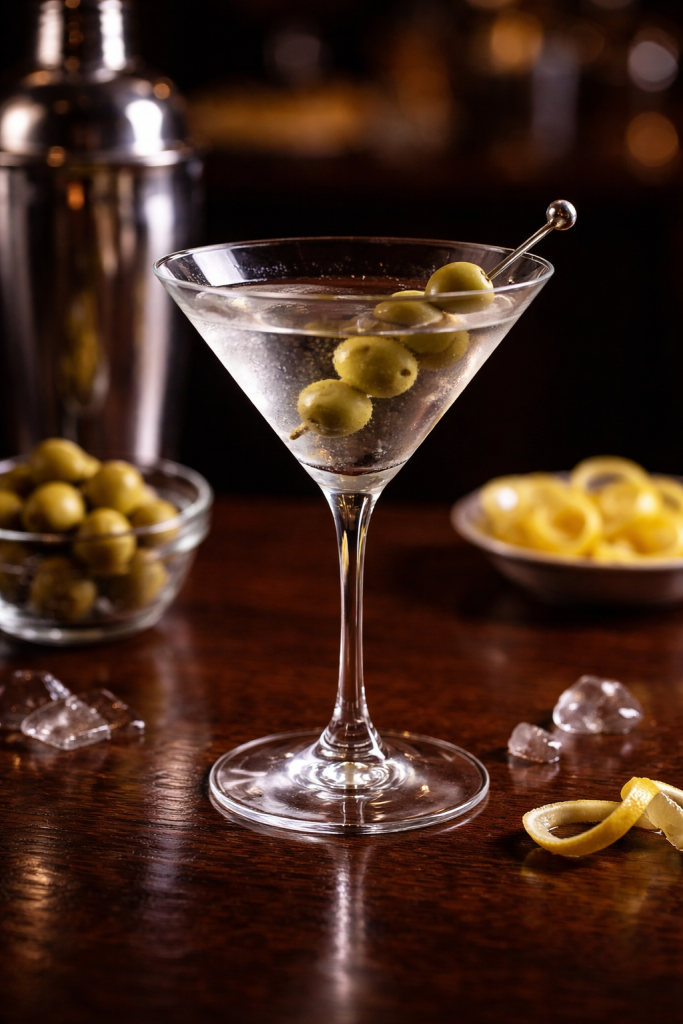
- Cocktail: A Dirty Martini. The briny, savory flavors of olive brine in a well-chilled, gin-based martini are a phenomenal match for the sauce’s capers and the fish’s richness. The herbal notes of the gin also play well with the tarragon and chives. For a white wine, the consensus for salmon with a rich butter sauce is an oak-aged Chardonnay . A Premier Cru White Burgundy would be an exceptional choice, but a well-made Californian or Australian Chardonnay with balanced oak will provide the necessary body and complementary notes of vanilla and citrus.
- Non-Alcoholic Drink: Sparkling Water with a Twist of Lemon and a Sprig of Thyme. The bubbles provide a palate-cleansing effervescence, while the lemon’s acidity cuts through the richness. The thyme sprig adds an aromatic, savory layer that subtly ties back to the herbs in the sauce.
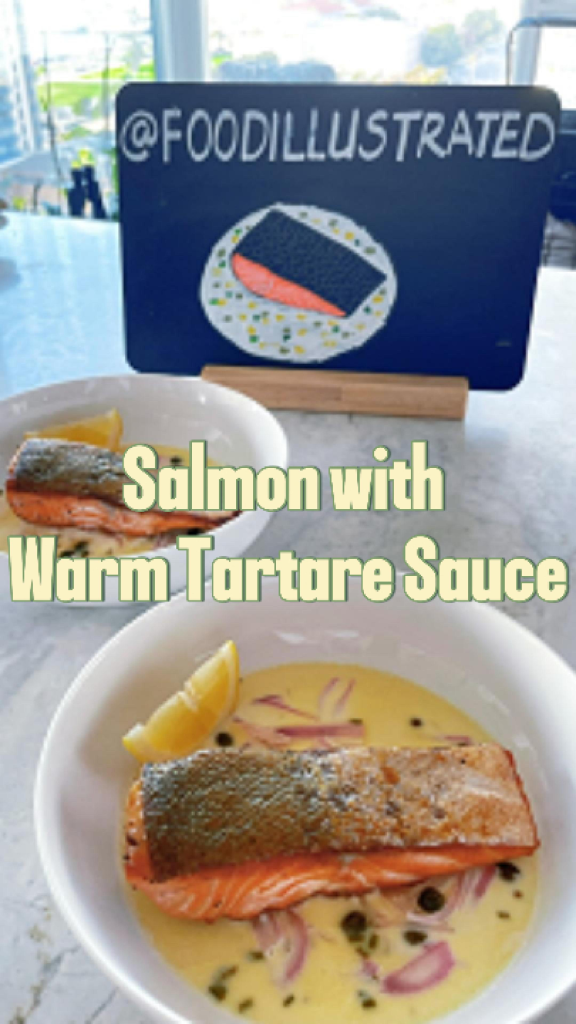
Description
Elevate your dinner routine with this surprisingly simple recipe for pan-seared salmon with warm tartare sauce. Learn the secrets to perfectly crispy salmon skin and a luxurious, emulsified butter sauce bursting with briny capers and fresh herbs. It's a fine-dining experience ready in just 20 minutes.
Ingredients
For the Salmon:
For the Warm Tartare Sauce:
Instructions
-
Prepare the Sauce Base: In a small saucepan, combine the dry white wine and the minced shallot. Place over medium-high heat and bring to a simmer. Allow the mixture to bubble vigorously until the liquid has reduced to about 1 tablespoon. This should take approximately 3 minutes and concentrates the flavor significantly.
-
Emulsify the Butter: Reduce the heat to its lowest possible setting. This is crucial; too much heat will break the sauce. Begin whisking in the cold butter cubes, one or two at a time. Whisk constantly and continuously, allowing each addition to be fully incorporated into the reduction before adding the next. The mixture will transform from a thin liquid into a rich, creamy, and opaque emulsion. This process mirrors the classic beurre blanc technique .
-
Finish the Sauce: Once all the butter is emulsified and the sauce is smooth, immediately remove the pan from the heat. This prevents it from getting too hot and splitting. Whisk in the Dijon mustard, followed by the chopped capers, cornichons, and fresh herbs. Season to perfection with a squeeze of fresh lemon juice, a pinch of salt, and a touch of white pepper. Cover the saucepan and set it aside in a warm (not hot) spot while you cook the salmon.
-
Prepare the Salmon: Pat the salmon fillets completely dry with paper towels. This is non-negotiable for crispy skin. Using a sharp knife, score the skin lightly in two or three places to prevent the fillets from curling. Season the skin side generously with salt and the flesh side with salt and pepper.
-
Sear the Salmon: Heat the neutral oil in a non-stick or well-seasoned cast-iron skillet over medium-high heat until it's shimmering and just about to smoke. Carefully place the salmon fillets in the pan, skin-side down. Press down gently on each fillet with a spatula for a few seconds to ensure full contact with the pan. Cook, without moving, for 4-5 minutes, until the skin is deeply golden brown and incredibly crisp.
-
Baste and Finish: Flip the fillets over so they are flesh-side down. Add the 1 tablespoon of butter to the pan. Tilt the pan slightly and use a spoon to continuously baste the salmon with the foaming butter for 1-2 minutes. This adds flavor and cooks the fish gently. For medium-rare, the center should still be slightly translucent. Cook 1-2 minutes longer for more well-done. Remove salmon from the pan and let it rest for just a minute on a plate.
-
Serve Immediately: Give the warm tartare sauce a quick whisk. Spoon a generous pool of the sauce onto the center of each warm plate. Gently place a salmon fillet on top of the sauce, skin-side up to show off its crispy perfection. Serve at once.
Nutrition Facts
Servings 2
- Amount Per Serving
- Calories 650kcal
- % Daily Value *
- Total Fat 52g80%
- Sodium 520mg22%
- Total Carbohydrate 3g1%
- Dietary Fiber 0.5g2%
- Sugars 1.5g
- Protein 38g76%
* Percent Daily Values are based on a 2,000 calorie diet. Your daily value may be higher or lower depending on your calorie needs.
Note
- Pro Tip for Success: The most critical step is keeping the sauce temperature low during emulsification. If the sauce gets too hot, it will "split" (separate). If this happens, don't panic! The original recipe tip is perfect: immediately whisk in an ice cube. The rapid cooling and extra water will often force the fat droplets back into an emulsion, saving your sauce .
- Make-Ahead: The sauce is best made fresh, but you can prepare the wine and shallot reduction in advance. Simply combine them in the pan and reduce, then set aside. When you're ready to serve, gently reheat the reduction and proceed with whisking in the butter.
- Storage Guidelines: This dish is designed to be eaten immediately. Leftovers are not recommended, as the sauce will not re-emulsify properly and the salmon skin will lose its crispness.
- Substitutions:
- Herbs: If you don't have tarragon and chives, fresh dill or flat-leaf parsley would be excellent substitutes.
- Cornichons: Finely chopped dill pickles or even caper berries (chopped) can be used in a pinch.
- Wine: For a non-alcoholic version, you can use a good quality, flavorful fish or vegetable stock with a teaspoon of white wine vinegar or lemon juice to provide the necessary acidity.
- Ingredient Sourcing: For the best results, buy the highest quality salmon you can find. Look for fillets that are bright in color, smell like the sea, and have firm flesh. If possible, opt for wild-caught salmon like Sockeye or Coho for superior flavor and texture .