
INTRO
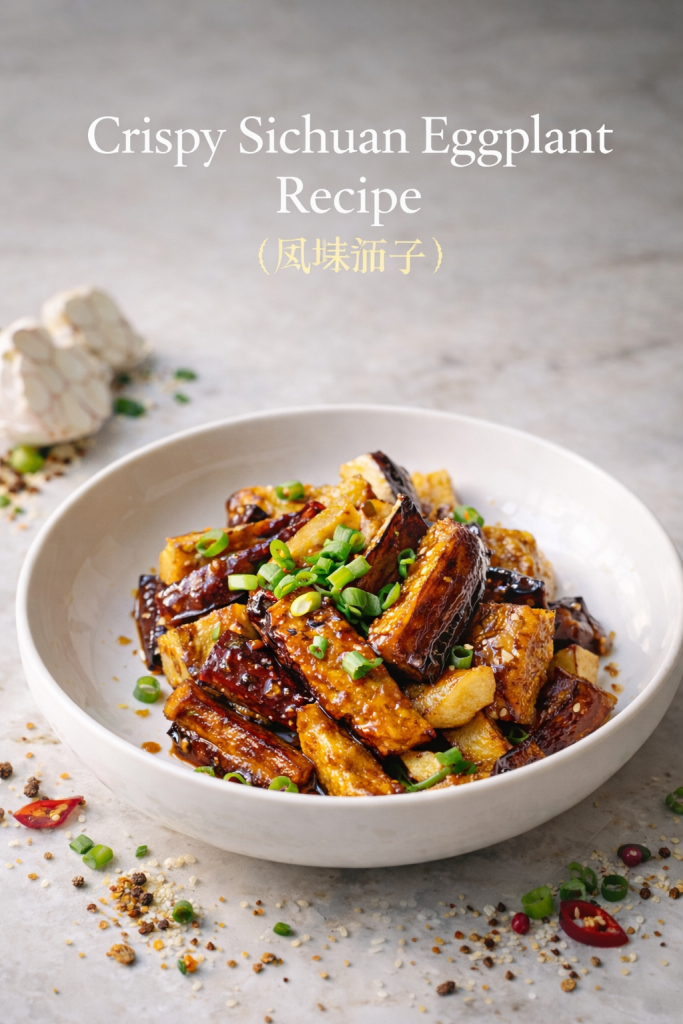
Have you ever ordered takeout and wondered how restaurants achieve that seemingly impossible feat—eggplant that’s shatteringly crisp on the outside, meltingly tender within, and coated in a glossy, flavor-packed sauce? The secret is a technique that transforms this humble vegetable into something utterly addictive. This crispy Sichuan eggplant recipe (风味茄子) demystifies that restaurant magic, guiding you through the authentic double-fry method that delivers incredible crunch every single time.
What makes this version truly special is its fidelity to the Sichuan original. We’re not just making fried eggplant with sauce; we’re creating Fèngwèi Qiézi, a dish where the eggplant itself is the star, its delicate flavor elevated by a masterful balance of sweet, spicy, sour, and numbing elements. Forget soggy, grease-laden imitations. This recipe, honed from watching restaurant chefs and countless home tests, will show you how to achieve that coveted, crystal-clear crunch and toss it in a sauce that clings perfectly without sacrificing texture. Get ready to cancel your takeout order.
THE HISTORY
To understand 风味茄子 (Fēngwèi Qiézi), or “Flavor Eggplant,” we must first appreciate the central role eggplant plays in Sichuan cuisine. While other Chinese culinary traditions might relegate it to a supporting role, Sichuan cooks have long celebrated the vegetable’s remarkable ability to absorb flavors and transform its texture. Eggplant is the perfect canvas for the region’s bold, complex flavor profiles.
The term “风味” (fēngwèi) translates to “flavor” or “characteristic taste,” and in the context of Chinese cuisine, it signifies a dish that embodies a particular regional style. This crispy Sichuan eggplant recipe is a testament to the Sichuan obsession with texture and layered seasoning, known as guai wei (怪味) or “strange flavor,” though here it’s more focused and balanced. While Sichuan is rightly famous for its use of chili and Sichuan peppercorn, creating the legendary málà (numbing and spicy) sensation, dishes like this one showcase a more nuanced application. The heat is present, but it’s woven into a tapestry of sweet from the sugar, sour from the black vinegar, and savory from the soy.
This particular preparation, focusing on an ultra-crisp coating achieved through a double-fry, is a more modern evolution, likely refined in the bustling restaurant kitchens of Chengdu. It caters to the contemporary palate’s love for textural contrast while staying deeply rooted in the classic flavor combinations that have defined Sichuan cooking for centuries. It’s a dish that feels both timeless and wonderfully modern.
THE SCIENCE
This recipe is a masterclass in texture, and the science behind it is what separates a good eggplant dish from a truly transcendent one. The biggest challenge with eggplant is its sponge-like structure; it’s packed with air and water, which acts as a magnet for oil during frying, leading to greasy, soggy results. Our method overcomes this through a combination of strategic preparation and a double-fry technique.
First, we remove the seeds. The central seed pocket of an eggplant holds the most moisture. By cutting it away, we reduce the internal water content from the start. Then, we coat the pieces in cornstarch (or potato starch). This isn’t just a simple dusting. By sprinkling the cut eggplant with a little water before adding the starch, we create a slurry-like paste that adheres firmly to the surface. During the first fry at a moderate temperature, this starch layer sets, forming a protective shell. The water inside the eggplant begins to turn to steam, cooking the flesh from within, but the starch casing prevents excessive oil absorption.
The second fry is where the magic of the “Maillard reaction” truly kicks in. By plunging the pre-fried eggplant into hotter oil, we rapidly drive off any remaining surface moisture and deeply brown the starch coating. This creates the shatteringly crisp, glass-like crust we’re after. This double-fry is the restaurant secret; the first fry cooks the interior, the second fry builds the crunch. Finally, we employ a dry-tossing technique with the sauce. Instead of simmering the eggplant in the sauce, we reduce the sauce in the wok until it’s thick and bubbling, then pour it over the crispy eggplant and cilantro stems, tossing quickly and confidently. This ensures the flavorful coating adheres to every nook and cranny while the eggplant’s crust stays audibly crisp.
GOOD PAIRING FOOD AND DRINK
This crispy Sichuan eggplant recipe is a flavor powerhouse, so it pairs best with dishes and drinks that can either complement its bold profile or provide a cooling contrast.
- One Appetizer: Sichuan Cucumber Salad (拍黄瓜). This cold, refreshing salad is the perfect preamble. The cucumbers are smashed and tossed in a simple dressing of garlic, Chinkiang vinegar, chili oil, and a touch of sugar. Its cool crunch and bright acidity prepare the palate for the rich, complex flavors of the main event without overwhelming it.
- One Main Course: This dish is a fantastic vegetarian main, but if you’re building a multi-dish Sichuan feast, it’s a perfect side to Mapo Tofu. The soft, silky texture of the tofu in its spicy, fermented bean sauce provides a beautiful contrast to the crispy eggplant. The numbing sensation from the Sichuan peppercorns in both dishes will create a wonderfully cohesive, mouth-tingling experience.
- One Side Dish: Steamed Jasmine Rice is non-negotiable. The fluffy, slightly fragrant rice is the essential canvas that absorbs the incredible sweet, sour, and spicy sauce, balancing the intensity of the eggplant and making each bite satisfying.
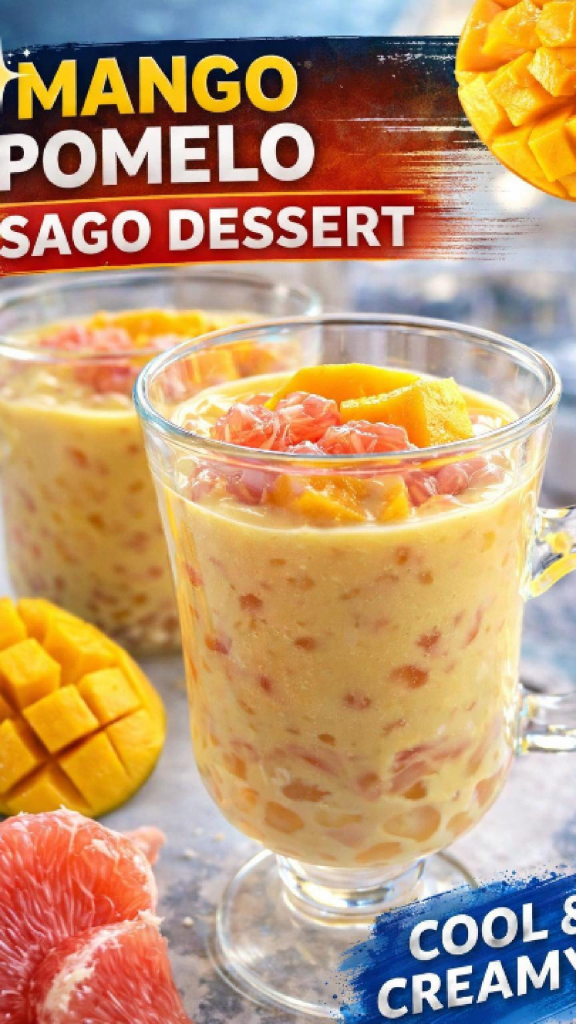
- One Dessert: Mango Sago (杨枝甘露). After a meal of bold, savory flavors, a light and fruity dessert is ideal. This popular Chinese dessert features pomelo segments, mango puree, coconut milk, and tiny, chewy sago pearls. Its tropical sweetness and creamy texture offer a refreshing, non-heavy ending that cleanses the palate beautifully.
- One Cocktail and One Non-Alcoholic Drink:
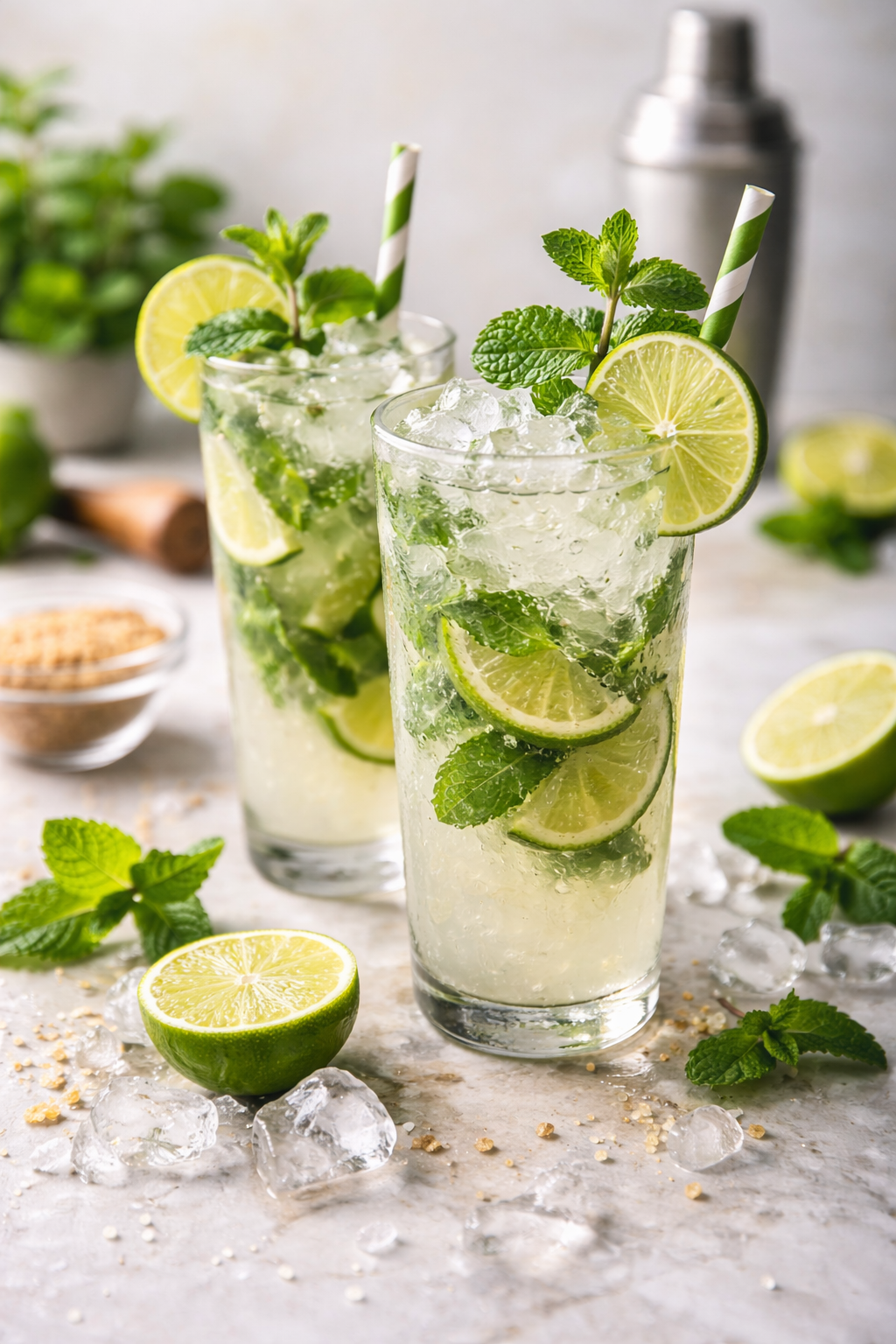
- Cocktail: A Ginger-Lemongrass Mojito. The muddled fresh ginger and lemongrass in this mojito variation echo the aromatic warmth of the Sichuan peppercorns and garlic, while the lime and mint provide a cooling, bright counterpoint to the dish’s richness and spice.
- Non-Alcoholic Drink: Jasmine Iced Tea with Honey. The floral notes of jasmine tea are a classic companion to Chinese food. Served over ice with a touch of honey, it’s incredibly refreshing and its gentle flavor soothes the palate between bites of the spicy, savory eggplant.
Description
Forget soggy takeout! This authentic crispy Sichuan eggplant recipe reveals the secret to shatteringly crunchy fried eggplant tossed in a mouthwatering sauce. Ready in 25 minutes and better than any restaurant.
Ingredients
For the Eggplant:
For the Sauce:
For the Aromatics & Garnish:
Instructions
-
Prepare the Eggplant: Wash the long eggplants and trim off both ends. Cut them into uniform long strips, about 2-3 inches long and ¾-inch thick. If you're using thicker eggplants, you may have a center section with many seeds. Removing this seedy core can help prevent bitterness and improve the texture, making it crispier .
-
Salt and Coat: Place the eggplant strips in a large bowl. Sprinkle with 1 teaspoon of salt and cover with cold water. Place a plate or lid on top to keep them submerged. Soak for 15-20 minutes. This helps draw out moisture and prevents the eggplant from absorbing too much oil . Drain well and pat bone-dry with paper towels. The drier the eggplant, the better the starch will adhere.
-
The Secret to a Crispy Coating: Transfer the dry eggplant to a large bowl. Sprinkle with a few tablespoons of cornstarch and toss to coat. Sprinkle with a little more water (just a spritz) and add more starch, tossing again. Repeat this process, gradually adding the starch, until each piece is coated in a thin, even, dry layer. There should be no wet spots. This layering technique ensures a superior crust .
-
First Fry: Heat at least 2 inches of oil in a wok or a heavy-bottomed pot to 350°F (175°C). Working in batches to avoid overcrowding (which drops the oil temperature and makes the eggplant soggy), carefully add the eggplant pieces. Fry for about 2-3 minutes, until they are lightly golden and just starting to soften. They will not be fully cooked or super crispy at this stage. Remove with a slotted spoon and drain on a wire rack.
-
Second Fry: Increase the oil temperature to 375°F (190°C). Add all the par-fried eggplant back to the hot oil in one batch and fry for another 1-2 minutes, until they turn a deep golden brown and are shatteringly crisp. Remove immediately and drain on a fresh wire rack.
-
Make the Sauce: While the eggplant is frying, combine all the sauce ingredients (soy sauce, black vinegar, sugar, oyster sauce, water, and sesame oil) in a small bowl and stir until the sugar is dissolved.
-
Combine and Serve: Heat a clean wok or large skillet over medium heat and add 1 tablespoon of oil. Add the Sichuan peppercorns and dried chilies. Stir-fry for about 30 seconds until fragrant, being careful not to burn them. Add the sliced garlic and stir for another 30 seconds until golden and aromatic.
-
The Final Toss: Pour the prepared sauce into the wok. Turn the heat to high and bring to a boil, stirring rapidly. Let it bubble and thicken for about 30-60 seconds until it becomes syrupy. Turn off the heat. Add the crispy fried eggplant and cilantro stems to the wok. Toss everything together very quickly to coat the eggplant in the sauce without giving it time to absorb too much and soften. Sprinkle with toasted sesame seeds, give one final quick toss, and transfer immediately to a serving plate.
Nutrition Facts
- Amount Per Serving
- Calories 385kcal
- % Daily Value *
- Total Fat 15g24%
- Sodium 680mg29%
- Total Carbohydrate 58g20%
- Dietary Fiber 7g29%
- Sugars 14g
- Protein 6g12%
* Percent Daily Values are based on a 2,000 calorie diet. Your daily value may be higher or lower depending on your calorie needs.
Note
- Pro Tip for Success: The most critical step is the second fry and the final toss. Have all your ingredients prepped and your sauce mixed before you start frying. Once the eggplant comes out of the oil for the second time, the clock is ticking. The sauce must be ready so you can toss and serve immediately.
- Make it Vegan/Vegetarian: Simply substitute the oyster sauce with a high-quality vegetarian stir-fry sauce or mushroom sauce.
- Storage: This dish is best enjoyed immediately. The crispy texture is at its peak right after cooking. Leftovers can be stored in an airtight container in the refrigerator for up to 2 days, but they will have softened significantly.
- Reheating: To attempt to revive some crispiness, reheat leftovers in an air fryer at 350°F (175°C) for 3-5 minutes, or in a single layer on a baking sheet in a hot oven. The microwave will make them very soggy.
- Ingredient Sourcing: Chinese black vinegar (Chinkiang vinegar) and Sichuan peppercorns are essential for an authentic flavor. They are readily available at Asian grocery stores or online