
Introduction
Have you ever found yourself at a Chinese hotpot restaurant, slurping down a bowl of spicy, numbing broth loaded with noodles and vegetables, and thought, “I wish I could make this at home”? That day has arrived.
Malatang—that iconic Sichuan street food turned global sensation—has a reputation for being difficult to recreate in a home kitchen. The complex broth, the balance of heat and numbing sensation, the creamy richness that makes you close your eyes on the first sip. But what if I told you that with a few smart shortcuts and one absolutely genius secret ingredient, you can make a version that rivals any restaurant?
This creamy malatang recipe is my love letter to cold nights and comfort food cravings. We’re building a luxuriously rich broth using Sichuan hotpot paste, whole milk, and a game-changing peanut butter sauce that will make you wonder why you ever bothered going out. I’ll show you my trick for frozen tofu that absorbs broth like a sponge and how to load your pot with noodles, veggies, and thin-sliced beef for the ultimate one-pot meal. Let’s bring the restaurant to your kitchen.
The History: From Sichuan Streets to Global Sensation
To understand malatang, we first have to understand the culinary soul of Sichuan province—a region renowned for its bold, complex flavors and its love affair with chili and Sichuan peppercorn.
The Street Food Origins
Malatang (麻辣烫) translates literally to “numbing and hot soup.” The name tells you everything you need to know about the experience: “ma” (麻) refers to the numbing sensation of Sichuan peppercorn, while “la” (辣) means spicy heat from chili . This combination is the defining characteristic of Sichuan cuisine, and malatang is one of its most beloved expressions.
The dish originated as a street food in the 1980s and 1990s in the cities of Chongqing and Chengdu . Vendors would set up carts with bubbling pots of spicy broth, and customers would select skewers of meats, vegetables, and tofu from a display, which the vendor would then cook in the communal pot . It was fast, it was cheap, and it was gloriously, addictively flavorful.
The Evolution into a Phenomenon
What started as humble street food has evolved into a global phenomenon. Today, malatang restaurants can be found in cities around the world, from New York to London to Tokyo . The concept has been refined—customers now choose their ingredients from refrigerated displays, pay by weight, and receive a personalized bowl of soup cooked to order .
But at its heart, malatang remains what it always was: customizable comfort food. You choose exactly what goes into your bowl, making it as simple or as elaborate as you like. This flexibility is a huge part of its enduring appeal .
The Creamy Twist
Traditional malatang broth is typically made with beef or pork bones, chili oil, Sichuan peppercorn, and various spices. It’s savory and spicy, but not typically creamy. The addition of milk is a more recent innovation, likely influenced by Japanese-style ramen broths (like tonkotsu) or hotpot variations that use milk to mellow spice and add richness .
This adaptation—the creamy malatang—has become incredibly popular for good reason. The milk tames the aggressive heat of the Sichuan spices while adding a luxurious mouthfeel that makes the broth feel indulgent and satisfying. It’s a beautiful example of how food evolves as it travels, adapting to new palates while honoring its roots.
The Science: What Makes This Broth So Irresistible
Behind that gorgeous bowl of creamy, spicy soup lies some fascinating kitchen science. Understanding what’s happening chemically will make you a better cook and help you nail this recipe every single time.
The Magic of Milk in Spicy Broth
You might wonder: why add milk to a spicy Sichuan soup? The answer lies in chemistry.
Capsaicin—the compound responsible for the heat in chili peppers—is fat-soluble, not water-soluble . This is why drinking water after eating something spicy doesn’t help; the capsaicin doesn’t dissolve in water. But it does dissolve in fat. The fat in whole milk (and in the peanut butter sauce) acts as a solvent, pulling capsaicin molecules away from your taste buds and spreading them throughout the broth .
But there’s more. Milk contains a protein called casein, which has a unique ability to bind with capsaicin molecules and wash them away . This is why milk is more effective at cooling spicy heat than water or even beer. In our malatang, the milk doesn’t just add creaminess—it actively manages the heat, creating a broth that’s flavorful and warming without being overwhelmingly painful.
The Frozen Tofu Revelation
This is my favorite trick in the entire recipe. Freezing and thawing tofu fundamentally changes its texture through a simple physical process.
Tofu is mostly water held in a protein network. When you freeze it, the water inside expands, forming ice crystals that puncture and break down that protein structure . When you thaw it, the water drains out, leaving behind a tofu that’s dense, chewy, and riddled with air pockets—a texture that’s absolutely perfect for soaking up broth.
Think of it like a sponge. Regular tofu is like a dense kitchen sponge that hasn’t been used yet—it absorbs, but slowly. Frozen-then-thawed tofu is like that same sponge after it’s been wrung out and opened up—it practically inhales liquid. When you add this tofu to your malatang broth, every bite releases a burst of that creamy, spicy, savory liquid. It’s transformative.
The Peanut Butter Sauce Synergy
The peanut butter dipping sauce isn’t just an afterthought—it’s a crucial component that adds depth and complexity to the entire dish.
Peanut butter contains high levels of fat and protein, which, like the milk, help balance and carry the capsaicin heat . But it also adds umami (through the soy sauce) and a subtle sweetness (from the optional sugar) that rounds out the sharp edges of the Sichuan spices.
When you stir this sauce into the broth or dip your ingredients into it, you’re creating a beautiful emulsion of fat and water-based flavors. The crushed garlic adds allicin, a pungent compound that provides a fresh, sharp contrast to the rich, cooked flavors in the soup . It’s a symphony of chemistry that makes every bite more interesting than the last.
Good Pairing Food and Drink
This malatang is a complete meal in a bowl, but if you’re building a feast, here are perfect companions that complement and contrast with its bold flavors.
- Appetizer: Chinese Cucumber Salad (Pai Huang Gua). Lightly smashed cucumbers tossed with rice vinegar, sesame oil, garlic, and a touch of sugar. The cool, refreshing crunch acts as a palate cleanser between bites of rich, spicy soup. The vinegar’s brightness echoes the acidity that cuts through the creamy broth, while the cucumbers’ freshness provides relief from the heat.
- Main Course: This is the main course! But if you’re serving a larger spread, consider Pan-Fried Pork and Chive Dumplings. The crispy-bottomed, juicy dumplings offer a textural contrast to the soft noodles and tofu in the soup. Dip them in the same peanut butter sauce or a separate black vinegar-soy mixture for a harmonious flavor journey.
- Side Dish: Sesame-Soy Bok Choy. Quickly blanch or stir-fry baby bok choy with soy sauce, sesame oil, and a sprinkle of sesame seeds. The mild, slightly sweet greens add a vegetable element that complements the napa cabbage already in the soup without competing. The sesame notes tie back to the peanut butter sauce beautifully.
- Dessert: Mango Sago Pomelo (杨枝甘露). This classic Hong Kong dessert—a creamy blend of mango, coconut milk, tapioca pearls, and pomelo—provides a cool, sweet, tropical finish. The bright mango acidity and creamy texture echo the richness of the malatang broth while offering a completely different flavor profile that resets your palate.
- Cocktail: Sichuan 75. Combine gin, fresh lemon juice, simple syrup, and a splash of Champagne or prosecco. Muddle a few Sichuan peppercorns in the shaker before adding ingredients for a subtle numbing effect that echoes the “ma” in your malatang. The bubbles and citrus cut through the richness beautifully.
- Non-Alcoholic Drink: Honey Ginger Lemonade. Fresh lemonade sweetened with honey and infused with muddled fresh ginger. The bright citrus and spicy ginger provide a refreshing counterpoint to the rich, creamy broth. Serve over ice with a mint sprig. The ginger’s warmth complements the soup’s spice without competing.

Description
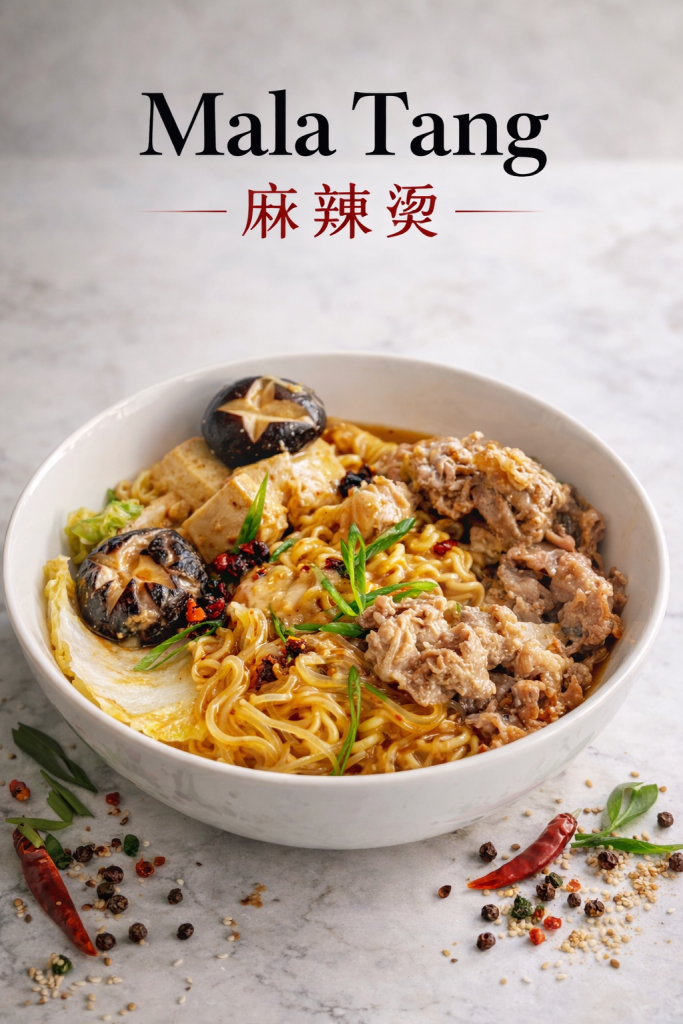
This creamy malatang recipe brings the iconic Sichuan street food into your own kitchen. A rich, spicy, and luxuriously smooth milk-based broth serves as the foundation for tender noodles, thin-sliced beef, shiitake mushrooms, napa cabbage, and my secret-weapon frozen tofu that soaks up broth like a sponge. The game-changing peanut butter dipping sauce adds nutty depth and cooling balance. Fully customizable and ready in 30 minutes, it's the ultimate one-pot comfort meal.
Ingredients
For the Broth & Pot:
Optional Add-Ins:
For the Peanut Butter Dipping Sauce:
Instructions
-
Prepare the frozen tofu (do this ahead!). At least 24 hours before cooking, place a block of firm tofu in the freezer. Freeze solid, then transfer to the refrigerator to thaw overnight, or thaw quickly in a bowl of warm water. Once thawed, gently squeeze out excess water. The tofu will now have a spongy, porous texture that's perfect for absorbing broth . Cut into 1-inch cubes.
-
Make the peanut butter sauce. In a small bowl, combine the smooth peanut butter with 2 tablespoons of hot water. Whisk until smooth and loosened. Add the soy sauce, crushed garlic, and sugar (if using). Stir until fully combined. The sauce should be thick but pourable—if too thick, add another teaspoon of hot water. Set aside. Top with crushed peanuts just before serving.
-
Start the broth. Place a large pot or Dutch oven over medium heat. Add the Sichuan hotpot paste and sauté for 1 minute, stirring constantly, until fragrant. This step blooms the spices and awakens their flavors.
-
Add liquids. Carefully pour in the whole milk and water (or stock). Stir to combine. Increase heat to medium-high and bring to a gentle boil. Do not let it boil vigorously, as milk can scorch or curdle. A gentle simmer is perfect.
-
Strain the broth (optional but recommended). For a smoother, cleaner, more luxurious soup, place a fine-mesh strainer over a heatproof bowl and carefully pour the broth through it. This removes the solid spices and excess oil from the hotpot paste. Return the strained broth to the pot. This is the secret to a restaurant-quality finish .
-
Add ingredients by cook time. This is crucial for perfectly cooked everything:
-
First (longest cooking): Add the frozen tofu cubes. Let them simmer for 3-4 minutes, allowing them to absorb the broth.
-
Second (medium): Add the shiitake mushrooms and napa cabbage. Simmer for 2 minutes.
-
Third (quick-cooking): Add the thin-sliced beef, rice cakes (if using), and instant noodles. Cook for 2-3 minutes, just until the beef is no longer pink and the noodles are tender. Do not overcook the beef—it should be tender and juicy.
-
Check and adjust. Taste the broth and adjust seasoning if needed. You can add a pinch more salt, a splash of soy sauce, or even a tiny bit more hotpot paste if you want more heat.
-
Serve immediately. Carefully pour or ladle the entire pot into a large serving bowl. Serve piping hot with the peanut butter sauce on the side for dipping—or stir it directly into the broth for an extra creamy, nutty kick .
-
Garnish and enjoy. Sprinkle with extra crushed peanuts, fresh cilantro, or sliced green onions if desired. Grab your chopsticks and a spoon, and dive in.
Equipment
-
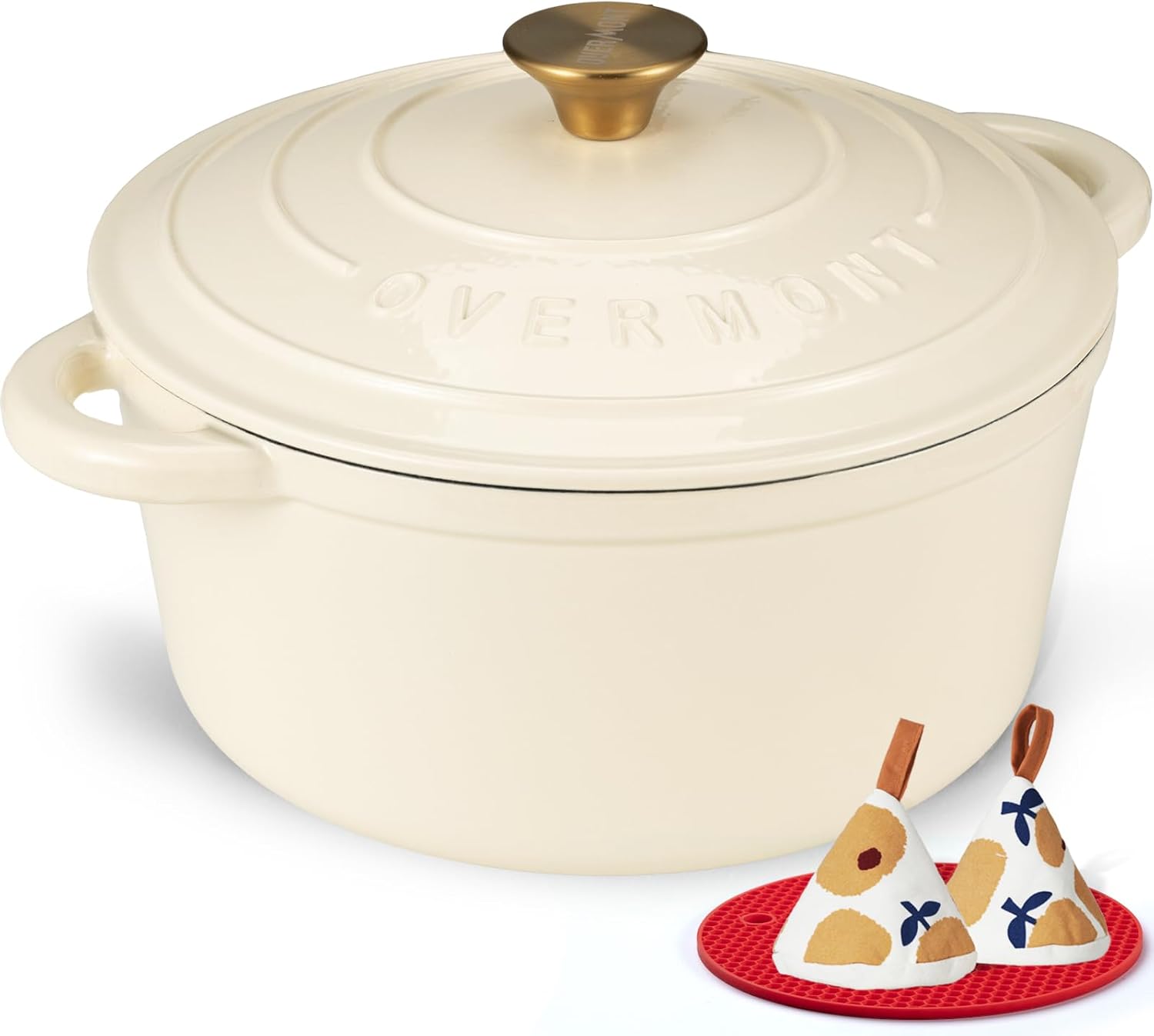 Large Dutch Oven
Nutrition Facts
Servings 2
- Amount Per Serving
- Calories 625kcal
- % Daily Value *
- Total Fat 32g50%
- Saturated Fat 12g60%
- Sodium 1450mg61%
- Total Carbohydrate 52g18%
- Dietary Fiber 6g24%
- Sugars 14g
- Protein 32g64%
* Percent Daily Values are based on a 2,000 calorie diet. Your daily value may be higher or lower depending on your calorie needs.
Note
- Pro-Tip #1: The Frozen Tofu Trick. This is non-negotiable for the best experience! Freezing and thawing transforms regular tofu into a broth-absorbing sponge. Make a batch ahead of time and keep frozen tofu blocks in your freezer for whenever the craving strikes .
- Pro-Tip #2: Don't Let the Milk Boil Vigorously. Whole milk creates that luxurious creamy texture, but it can curdle if boiled too aggressively. Keep the heat at medium and maintain a gentle simmer. If you're nervous about curdling, you can temper the milk by slowly adding a ladleful of hot broth to the cold milk before adding it to the pot .
- Pro-Tip #3: Strain for Restaurant Smoothness. The hotpot paste contains solid spices and chili flakes that can make the broth gritty. Straining removes these, leaving you with a silky, smooth, beautifully red broth that looks and tastes professional .
- Make-Ahead Instructions:
- Frozen tofu: Prepare this days or weeks in advance and keep in the freezer.
- Peanut butter sauce: Make up to 3 days ahead and store in an airtight container in the refrigerator. Stir well before serving.
- Vegetables: You can wash and chop all vegetables a day ahead and store them in the fridge.
- Broth base: You can make the strained broth (without milk) a day ahead, refrigerate, and add milk when reheating.
- Storage Guidelines: Store leftover soup (without noodles, if possible) in an airtight container in the refrigerator for up to 3 days. The noodles will continue to absorb liquid and soften, so it's best to store them separately if you're planning for leftovers.
- Reheating: Reheat gently in a pot over medium-low heat, stirring occasionally. Add a splash of water or milk to loosen if needed. Do not microwave at high power, as it can make the beef tough and the noodles mushy.
- Freezing: I don't recommend freezing the assembled soup, as the milk-based broth may separate upon thawing, and the noodles will become mushy. However, you can freeze the cooked beef and vegetables (without broth) for up to 2 months.
- Substitutions:
- Milk: For a dairy-free version, use full-fat coconut milk or unsweetened oat milk. Coconut milk will add a slight tropical note that actually works beautifully with the spice .
- Hotpot paste: Look for brands like "Little Sheep" or "Haidilao" at Asian grocery stores. In a pinch, use 2 tbsp doubanjiang (fermented chili bean paste) plus 1 tsp Sichuan peppercorn oil.
- Peanut butter: Use Chinese sesame paste (zhīmajiàng) for a more authentic flavor. Tahini works in a pinch but has a different taste profile.
- Beef: Substitute with thinly sliced pork, chicken, shrimp, or firm tofu for a vegetarian version.
- Noodles: Use any noodles you love—ramen, udon, rice noodles, or even spaghetti. For a low-carb option, use shirataki noodles or extra vegetables.
- Rice cakes: Omit or substitute with sliced potatoes, which add a similar hearty texture.
- Troubleshooting:
- "My broth curdled!" This usually happens if the milk boiled too vigorously or if you added something acidic (like vinegar) directly to the pot. Next time, keep the heat lower and maintain a gentle simmer.
- "My soup isn't spicy enough." Add another tablespoon of hotpot paste when sautéing, or stir in chili oil or crushed Sichuan peppercorns at the end.
- "My soup is too oily." The straining step removes excess oil. You can also skim the surface with a spoon before serving, or refrigerate the broth (without milk) and scrape off the solidified fat.
- "My beef is tough and chewy." Thin-sliced beef cooks in seconds. If you overcook it, it becomes tough. Add it at the very end and cook just until no longer pink, about 60-90 seconds.
- "My peanut butter sauce is lumpy." Use hot water (not cold) and whisk vigorously. If lumps persist, pop it in the microwave for 10 seconds and whisk again.
- Ingredient Sourcing:
- Sichuan hotpot paste: Available at any Asian grocery store or online. Look for blocks or packets specifically labeled for hotpot.
- Frozen tofu: Make your own! Any block of firm or extra-firm tofu works perfectly.
- Thin-sliced beef: Check the freezer section at Asian markets labeled "hotpot beef" or "shabu-shabu beef." You can also partially freeze a beef sirloin and slice it paper-thin yourself.
- Rice cakes (tteok): Found in the refrigerated or frozen section of Korean or Asian markets.