
INTRO
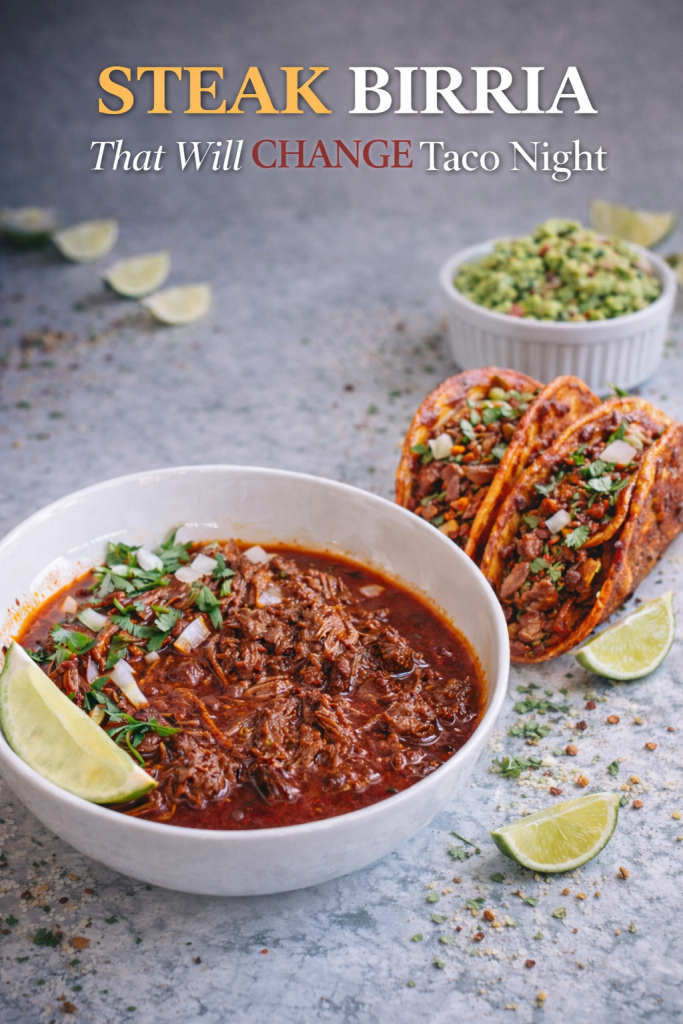
Have you ever taken a bite of a taco so transcendent that it forever changes your definition of what a taco can be? That’s the magic of a properly made steak birria. This isn’t just another taco filling; it’s a transformative culinary experience. Tough, flavorful beef is bathed in a deeply spiced adobo and braised low and slow until it surrenders into tender, juicy shreds. The result is a rich, crimson consommé for dipping and a meaty filling so flavorful it needs little else. In this recipe, I’ll guide you through every step to create authentic, unforgettable quesabirria tacos at home, sharing the techniques that turn humble ingredients into pure gold.
THE HISTORY
Birria’s story is a fascinating tale of adaptation and cultural fusion, with roots stretching back to 16th-century Jalisco, Mexico . The name itself, which translates to “something of little to no value,” reflects the initial Spanish colonial perception of the goat meat they introduced to the region. Mexican cooks, however, saw potential where others saw a problem. They began marinating the tough, strongly flavored goat meat in a powerful paste of dried chiles—like guajillo—and spices, then simmering it for hours until it became tender and richly flavored . This resourceful technique transformed an undesirable ingredient into a cherished celebratory dish, birria.
The version we know and love today, birria de res (beef birria), is a more modern innovation. In the 1950s, a taquero named Don Guadalupe Zárate moved from the small town of Coatzingo, Puebla, to Tijuana. He began selling the traditional goat birria but soon switched to beef, which offered a greater yield and higher profit . Legend has it that someone advised him to add more liquid to his pot to prevent burning, and in doing so, he inadvertently created the “soup-style” beef birria and its invaluable byproduct: a rich, flavorful consommé . For decades, it remained a beloved, regional specialty, often served for breakfast in Tijuana . Its latest chapter began when Tijuana taqueros brought quesabirria—the genius addition of melted cheese to the taco—to Los Angeles around 2016. The photogenic, cheese-pull shots of tacos being dipped into crimson broth exploded on Instagram, birria became a full-blown phenomenon, and the rest is delicious history .
The Fascinating History of Birria Tacos (Eater)
Birria de Res Recipe (Serious Eats)
THE SCIENCE
The journey from a tough chuck roast to melt-in-your-mouth birria is a masterclass in culinary chemistry, specifically the magic of braising. The key player here is collagen, a structural protein found abundantly in tough, well-exercised cuts like beef chuck. Collagen is what gives meat its connective tissue and chewiness. When you apply low, moist heat over a long period—ideally between 185°F and 200°F (82-88°C) —a remarkable transformation occurs . The collagen slowly hydrolyzes, breaking down into gelatin. This process accomplishes two critical things: it tenderizes the meat, allowing the muscle fibers to separate easily, and it enriches the braising liquid, giving the consommé its signature silky, luxurious body .
The chiles in the adobo are more than just flavoring agents. As they simmer, they release their own complex compounds and natural sugars, which meld with the beef fat and the newly formed gelatin. This is why the consommé isn’t just beef broth; it’s a deeply flavored emulsion, rich with the essence of the chiles and the unctuousness of the rendered fat. This fat, by the way, is crucial—it carries flavor and provides that satisfying mouth-coating sensation. As the dish cools and then is reheated, the gelatin continues to work its magic, enrobing the shreds of beef and trapping the flavorful compounds, which is why, like all great braises, birria somehow tastes even better the next day .
Why Leftovers Taste Better (GELITA)
GOOD PAIRING FOOD AND DRINK
Birria tacos are a meal in themselves, but the right accompaniments can elevate the experience from fantastic to truly memorable. The goal is to balance the rich, savory depth with fresh, bright, and textural contrasts.
- One Appetizer: Mexican Street Corn (Elote). The smoky, charred corn slathered in a creamy, tangy sauce of mayo, crema, and cotija cheese, sprinkled with chili powder, is a perfect precursor. Its bright, tangy, and slightly spicy profile wakes up the palate for the rich birria to come .
- One Main Course: Birria de Res Tacos (This Recipe!). This dish is the star. Its proper place is as the main event.
- One Side Dish: Cilantro Lime Rice. A simple, fluffy rice with fresh cilantro and a bright squeeze of lime offers a neutral, refreshing base that soaks up any extra consommé and cuts through the richness of the beef and cheese .
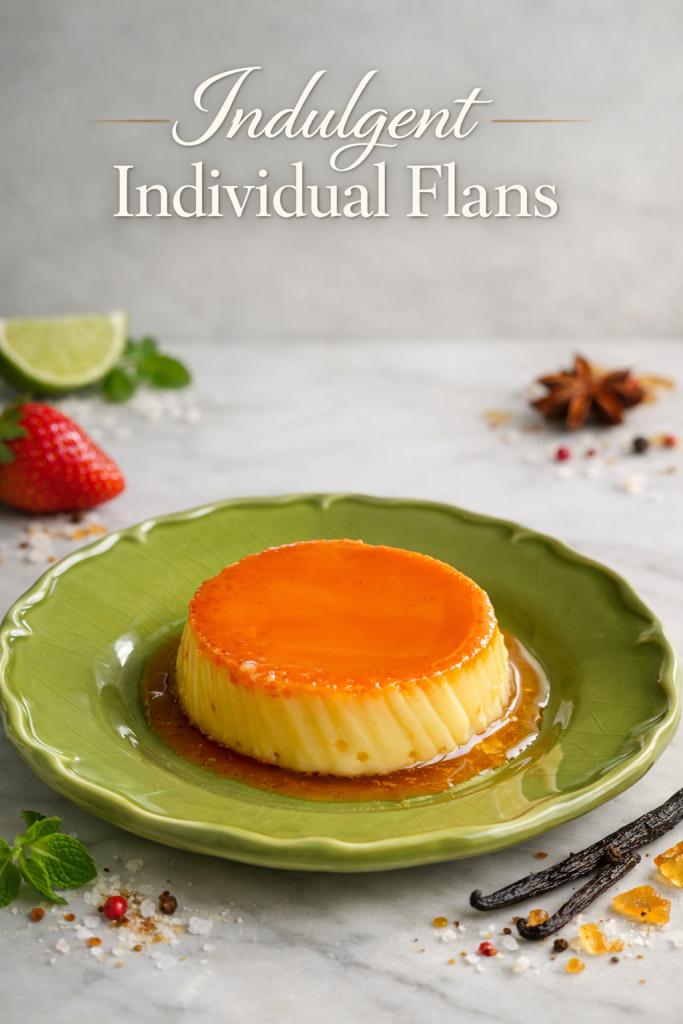
- One Dessert: Flan. The creamy, caramel-topped custard is a classic Mexican dessert that provides a smooth, sweet, and cool finish to a spicy, savory meal. Its simplicity is its strength.
- One Cocktail and One Non-Alcoholic Drink:
- Cocktail: Spicy Michelada. The tangy, savory, and lightly spiced tomato and beer cocktail is the ultimate companion. The acidity and carbonation cut through the fat, while the spice complements the chiles in the birria, cleansing your palate for the next glorious bite .
- Non-Alcoholic Drink: Agua de Jamaica (Hibiscus Iced Tea). This tart, refreshing, and slightly floral infusion is a classic Mexican agua fresca. Its bright acidity and deep ruby color make it a perfect counterpoint to the richness of the tacos, offering a crisp, palate-cleansing sip between bites .
Description
This authentic steak birria recipe transforms beef chuck into the most tender, flavorful taco filling. Served with a rich, savory consommé for dipping and made into crispy, cheesy quesabirria tacos, this is the ultimate Mexican feast for your table.
Ingredients
For the Chili Paste (Adobo):
For the Braised Beef (Birria):
For Serving & Assembly:
Instructions
-
Toast the Chiles: Heat a dry skillet or comal over medium heat. Toast the dried guajillo, ancho, and árbol chiles for 1-2 minutes per side until they become fragrant and pliable. Be careful not to burn them, or they will become bitter. Transfer the toasted chiles to a heatproof bowl and cover with boiling water. Let them soak for 15-20 minutes until completely soft .
-
Char the Aromatics: While the chiles soak, place the onion, garlic, and tomatoes in the same dry skillet over medium heat. Char them for 5-7 minutes, turning occasionally, until they are softened and have blackened spots. This step adds a layer of smoky depth to the adobo.
-
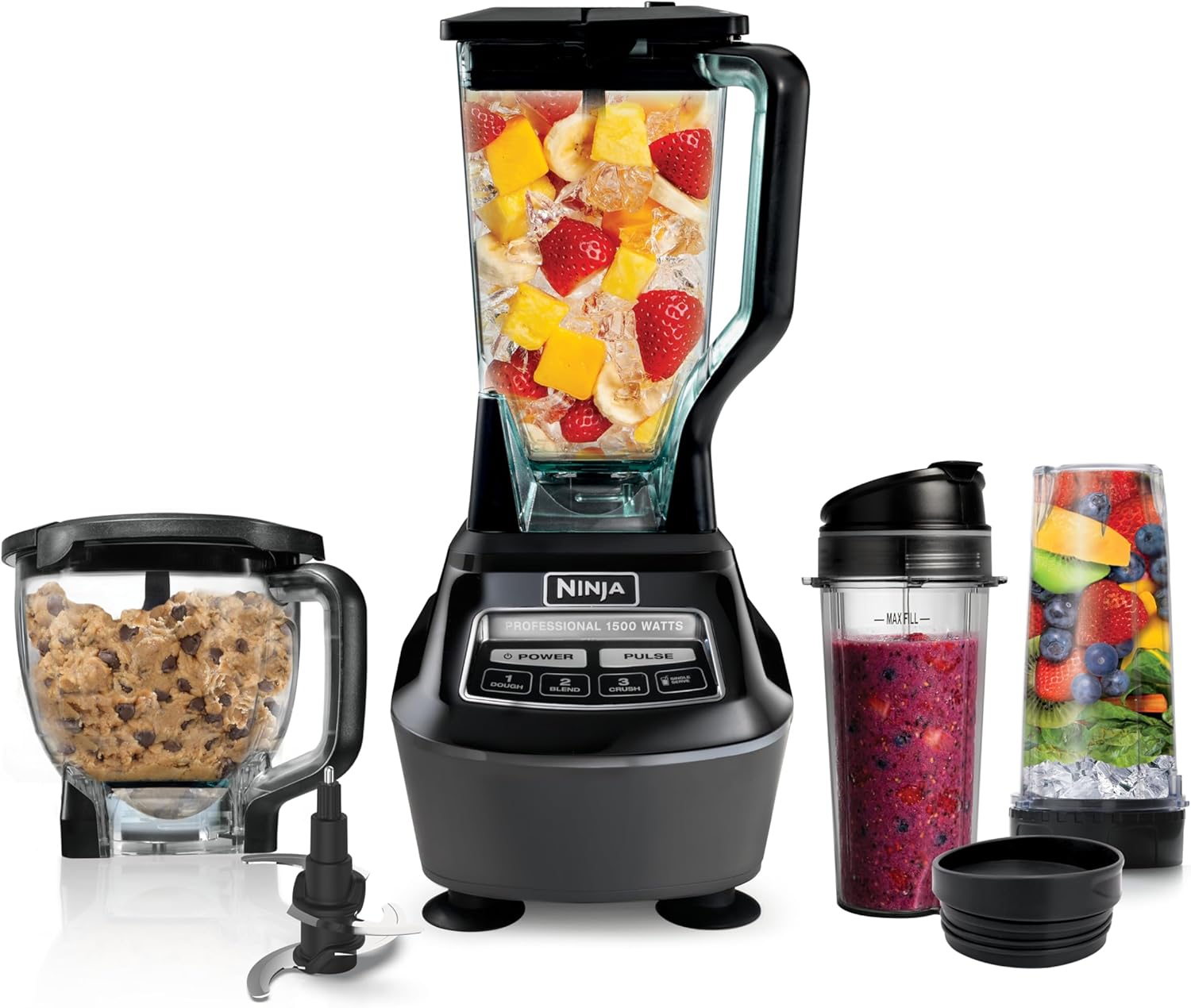
Blend the Adobo: Drain the softened chiles and add them to a blender. Add the charred vegetables, Mexican oregano, cumin, ground cloves, apple cider vinegar, and about 1 cup of the beef broth. Blend on high until you have a completely smooth, vibrant red paste. For an ultra-smooth sauce, pour the mixture through a fine-mesh strainer into a bowl, pressing on the solids.
-
Sear the Beef: Pat the beef chunks very dry with paper towels and season them generously with kosher salt and black pepper. Heat the vegetable oil in a large Dutch oven or heavy-bottomed pot over medium-high heat. Working in batches to avoid overcrowding, sear the beef on all sides until a deep, golden-brown crust forms. This browning builds an incredible foundation of flavor. Remove the seared beef to a plate and set aside .
-
Fry the Adobo: Pour off all but about 2 tablespoons of fat from the pot. Reduce the heat to medium and add the blended chili adobo paste. Cook, stirring constantly, for 4-5 minutes. This crucial step, sometimes called "frying" the paste, deepens its flavor and mellows the rawness of the spices.
-
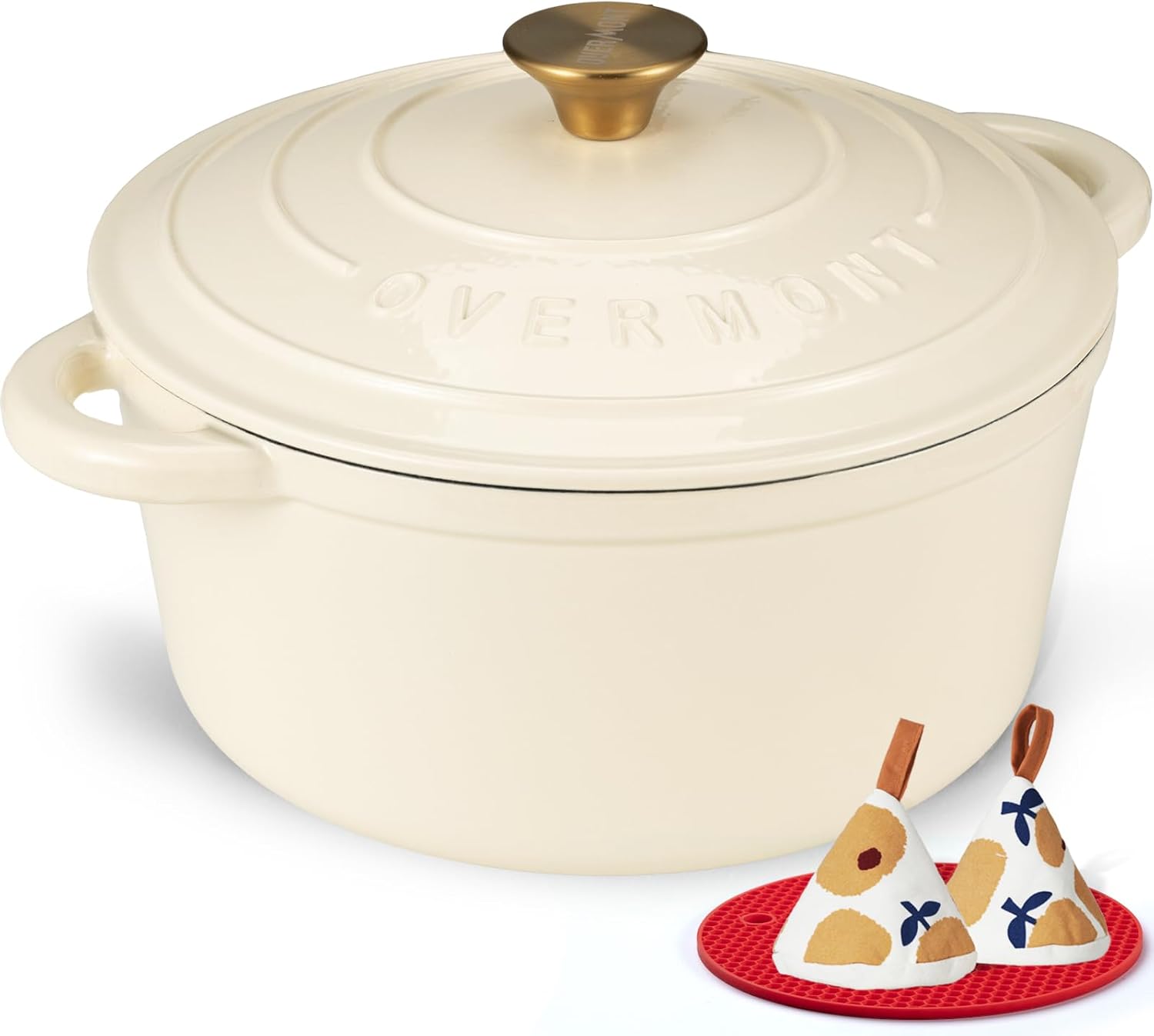
Braise the Beef: Return the seared beef and any accumulated juices to the pot. Add the remaining beef broth, the cinnamon stick, and the bay leaves. The liquid should come about three-quarters of the way up the meat, but not fully cover it. Bring the liquid to a gentle simmer, then immediately reduce the heat to low. Cover the pot and let it braise gently for 3 to 3 ½ hours. The goal is a bare simmer (185-200°F), not a boil, which can toughen the meat. The beef is ready when it's fork-tender and shreds with ease .
-
Shred the Beef and Prepare Consommé: Using tongs or a slotted spoon, carefully transfer the cooked beef to a large bowl. Remove and discard the cinnamon stick and bay leaves from the pot. Skim the excess fat from the surface of the remaining liquid. This rich, red broth is your consommé—liquid gold! Taste it and adjust seasoning with salt and pepper. Keep it warm on the stove. When the beef is cool enough to handle, shred it with two forks.
-
Assemble the Quesabirria Tacos: Heat a large griddle or non-stick skillet over medium heat. Quickly dip a corn tortilla into the warm consommé, coating both sides. Place the tortilla on the hot griddle. Top one half with a generous handful of shredded Oaxaca or mozzarella cheese, a portion of the shredded beef, and a sprinkle of raw white onion. Using a spatula, fold the other half of the tortilla over the filling, pressing down gently to form a half-moon shape.
-
Crisp the Tacos: Cook the folded taco for 2-3 minutes per side, until the tortilla is crispy, golden brown, and the cheese is perfectly melted. Repeat with the remaining tortillas and filling.
-
Serve Immediately: Serve the crispy quesabirria tacos hot, accompanied by small bowls of the warm consommé for dipping. Garnish with extra chopped onion, fresh cilantro, and lime wedges on the side. The ritual is to dip the crispy taco into the consommé before every single bite.
Nutrition Facts
- Amount Per Serving
- Calories 700kcal
- % Daily Value *
- Total Fat 45g70%
- Saturated Fat 18g90%
- Sodium 1200mg50%
- Total Carbohydrate 35g12%
- Dietary Fiber 6g24%
- Sugars 8g
- Protein 42g84%
* Percent Daily Values are based on a 2,000 calorie diet. Your daily value may be higher or lower depending on your calorie needs.
Note
(Approximate, per serving of 3 tacos with consommé)
- The Right Chile Mix: Guajillo chiles provide the signature bright red color and fruity flavor, anchos add sweetness and depth, and árbols bring the heat. You can adjust the number of árbols to your spice preference. Toasting the chiles is essential for waking up their oils and flavors .
- Low and Slow is the Way: Patience is the most important ingredient. A gentle, lazy simmer is what allows the collagen to break down into gelatin. If you boil the meat, the muscle fibers will tighten and seize up, resulting in a tough, dry final product .
- Don't Skip the Sear: While some modern recipes experiment with not searing, the traditional method of deeply browning the meat first builds an irreplaceable depth of flavor in the pot . The browned bits (fond) left on the bottom of the pot after searing are pure flavor.
- The Day-Two Factor: Like all great stews and braises, birria tastes even better the next day. The flavors continue to meld and deepen overnight, and the gelatin further enriches the consommé. It's an ideal make-ahead dish for a party .
- Consommé is for Sipping: Don't just use the consommé for dipping! It's delicious enough to sip on its own from a small cup, like a rich, savory soup.