
INTRO
Have you ever taken a bite of something so perfectly seasoned, so irresistibly smoky with a hint of sweetness, that you immediately wondered why you don’t make it every single week? That’s exactly the reaction I get every time I serve these Blackened Shrimp. They’re the kind of recipe that feels like a special occasion but comes together in the time it takes to cook a pot of pasta.
I stumbled upon this version years ago when I was craving the bold flavors of New Orleans but didn’t have the energy for a complicated roux or hours of simmering. What started as a weeknight desperation dinner has become one of my most-requested recipes—and for good reason. These shrimp deliver restaurant-quality flavor with minimal effort, thanks to a homemade blackening spice blend that’s smoky, spicy, and subtly sweet.
What makes these Blackened Shrimp truly special is their versatility. Pile them into tacos with crunchy slaw, toss them with creamy pasta, serve them over coconut rice, or eat them straight from the skillet with a cold beer in hand. However you choose to enjoy them, this recipe will become a permanent resident in your dinner rotation.
THE HISTORY
The story of blackened shrimp—and blackened cooking in general—begins not in some ancient culinary tradition, but in 1980s Louisiana with a larger-than-life chef named Paul Prudhomme. Before Prudhomme came along, Cajun food was largely unknown outside of Louisiana’s bayous. But when he opened K-Paul’s Louisiana Kitchen in New Orleans, everything changed.
Prudhomme didn’t invent Cajun cooking, but he did invent “blackening” as a technique. The story goes that he was looking for a way to replicate the flavor of fish cooked over an open fire in a standard restaurant kitchen. His solution was ingenious: coat fish fillets in melted butter, dredge them in a potent blend of herbs and spices, then sear them in an impossibly hot cast-iron skillet. The result was a deeply caramelized, slightly charred crust that was unlike anything most Americans had ever tasted.
The technique became a sensation. Suddenly, “blackened redfish” was on menus everywhere, and home cooks were buying Prudhomme’s cookbooks in droves. The dish was so popular that it actually contributed to the overfishing of redfish in the Gulf, leading to fishing restrictions. But the technique itself lived on, adapting to chicken, steak, and yes, shrimp.
What’s fascinating is that “blackened” doesn’t mean “burned”—a common misconception. True blackening is about achieving a dark, flavorful crust through the Maillard reaction while keeping the interior moist and tender. The dark color comes from the spices, not from carbonization, and when done correctly, it’s pure magic.
THE SCIENCE
Let’s get into what’s actually happening when you blacken shrimp, because understanding the science transforms you from a recipe-follower into a confident cook who can riff and improvise.
First, consider the spice blend itself. Chili powder and paprika contribute capsaicin (for heat) and oleoresin (for color), but they’re also packed with volatile compounds that are fat-soluble. That’s why we let the shrimp marinate—those flavors need time to penetrate the flesh, and they’re carried by the shrimp’s natural moisture and the oil we add. The brown sugar isn’t just for sweetness; it’s crucial for caramelization. Sugar lowers the temperature at which browning occurs and helps create that distinctive crust.
Now, about the cooking method. Medium-high heat isn’t just a suggestion—it’s essential. The Maillard reaction, that complex chemical process that creates hundreds of new flavor compounds, only occurs above 285°F (140°C). Below that temperature, you’re just warming the shrimp. At the right temperature, the proteins and sugars in both the seasoning and the shrimp itself begin to rearrange and form new molecules that taste deeply savory, toasty, and complex.
Here’s the clever part: shrimp are perfect for blackening because they cook so quickly. Their high moisture content means they’re less likely to dry out during the intense heat, and their relatively low fat content allows the spice crust to adhere directly to the meat rather than getting lost in a layer of fat. When you add the garlic at the end, you’re performing a strategic move—garlic burns easily and becomes bitter, so by adding it in the final 30 seconds, you’re infusing the oil with its flavor without letting it scorch.
The resting period isn’t just for marinating; it also allows the salt to penetrate the shrimp’s muscle fibers, breaking down some proteins and making them more tender. This is the same principle behind brining, just in a much shorter timeframe.
Food & Wine – Cajun vs. Creole Cooking https://www.foodandwine.com/travel/cajun-vs-creole-cuisine-whats-difference
Folkstreams – Cajun and Creole Food Traditions https://www.folkstreams.net/film-contexts/cajun-and-creole-food-traditions
Britannica – Cajun Culture https://www.britannica.com/topic/Cajun
GOOD PAIRING FOOD AND DRINK
One Appetizer: Crispy Cajun Cauliflower Bites
Toss cauliflower florets in buttermilk, then dredge in seasoned flour with a touch of the same blackening spice. Roast until crispy and serve with cool ranch dressing. The cool, creamy dip balances the spicy shrimp to come, while the cauliflower echoes the blackened seasoning without overwhelming the palate. It’s a smart way to build anticipation for the main event.
One Main Course: Since these shrimp are the star, they don’t need a main course companion—they are the main. But if you’re building a larger spread, consider serving them alongside a simple grilled Andouille sausage. The smoky, porky richness of the sausage complements the shrimp’s sweetness, and both benefit from the same spice profile.
One Side Dish: Creamy Stone-Ground Grits
This is the match made in Cajun-Creole heaven. The mild, buttery richness of slow-cooked grits provides the perfect canvas for intensely flavored blackened shrimp. Each spoonful gives you the contrast of silky smooth against spicy-crusted shrimp, with the grits acting as a cooling counterpoint. Add a pat of butter and some sharp cheddar, and you’ll understand why this combination has endured for generations.
One Dessert: Bananas Foster
Stick with the New Orleans theme for a show-stopping finale. The caramelized bananas, butter, brown sugar, and rum mirror the caramelization in the blackening process while offering a sweet, fruity contrast. The warm sauce mingling with vanilla ice cream is the perfect way to end a meal that celebrates Louisiana flavors.
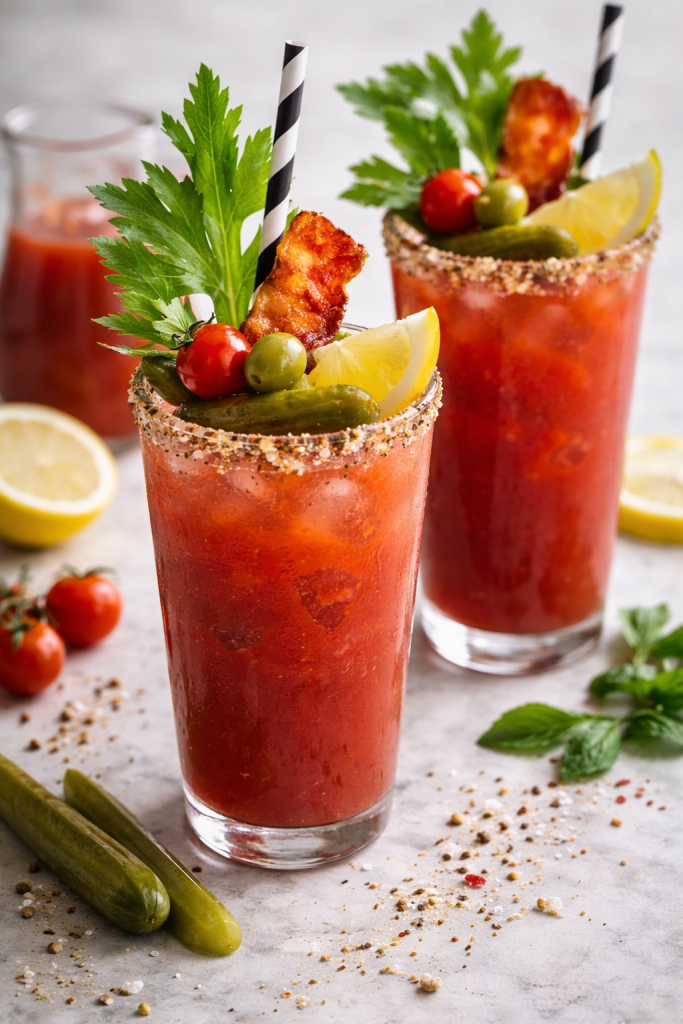
One Cocktail: Spicy Cajun Bloody Mary
Take your Bloody Mary to the next level by rimming the glass with leftover blackening spice. Use a good-quality tomato juice, plenty of horseradish, Worcestershire, and a generous splash of vodka. Garnish with a pickled okra pod and even a grilled shrimp skewer. The savory, spicy, umami notes in the cocktail echo the shrimp’s seasoning while the tomato base provides a completely different but complementary flavor experience.
One Non-Alcoholic Drink: Cooling Cucumber-Lime Agua Fresca
Blend cucumber, lime juice, a touch of honey, and water, then strain over ice. The clean, refreshing qualities of cucumber and bright acidity of lime provide relief from the spice while cleansing the palate between bites. It’s hydrating, simple, and lets the shrimp remain the focus.
Description
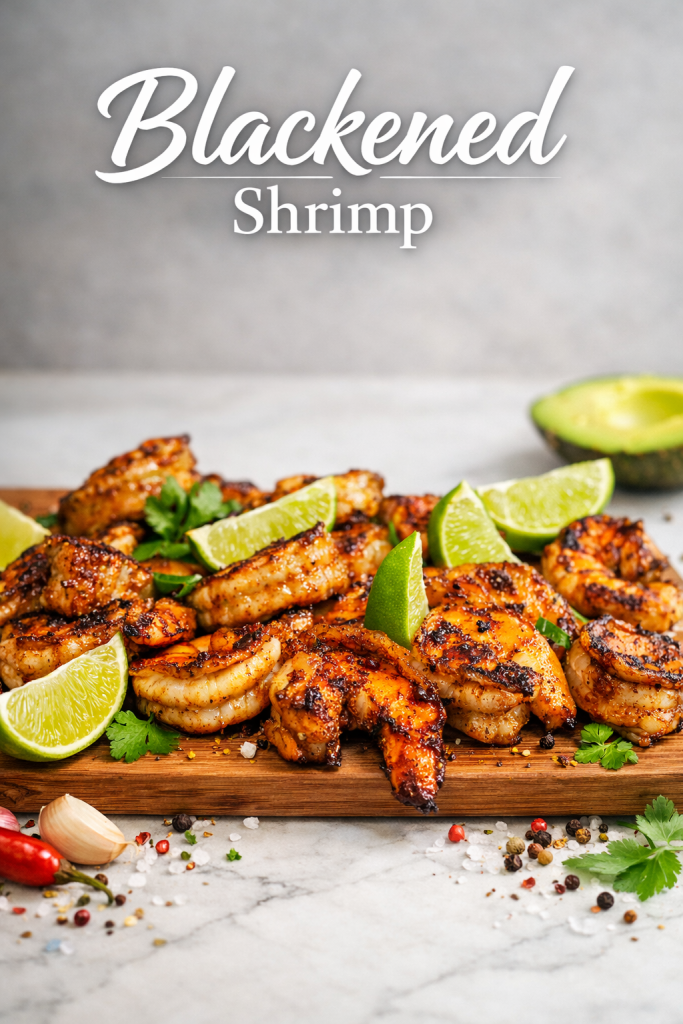
These Blackened Shrimp deliver big, bold Cajun flavor in under 20 minutes. Coated in a perfectly balanced homemade spice blend with just the right amount of heat and sweetness, then seared until caramelized and juicy. Versatile enough for tacos, pasta, rice bowls, or eating straight from the skillet.
Ingredients
For the Blackening Spice Blend:
For the Shrimp:
Optional Garnish:
Instructions
-
Make the blackening spice: In a small bowl, combine the chili powder, paprika, cumin, dried oregano, garlic powder, brown sugar, salt, and black pepper. Whisk with a fork until completely uniform, breaking up any clumps of brown sugar.
-
Marinate the shrimp: Place the peeled and deveined shrimp in a medium bowl. Sprinkle the spice mixture evenly over the shrimp, then use your hands to toss and coat every piece thoroughly. You want each shrimp completely covered in the dark red seasoning. Cover the bowl with plastic wrap and refrigerate for 30 minutes. Don't skip this resting period—it allows the flavors to penetrate and the salt to work its tenderizing magic.
-
Preheat your skillet: Place a large cast-iron skillet or heavy-bottomed stainless steel pan over medium-high heat for a full 2-3 minutes. You want it genuinely hot. Add the olive oil and swirl to coat the bottom. The oil should shimmer immediately.
-
Sear the shrimp (first side): Carefully arrange the shrimp in a single layer without overcrowding. You may need to work in two batches depending on your skillet size—crowding will steam rather than sear them. Let the shrimp cook undisturbed for exactly 2 minutes. You'll see the edges turning deep reddish-brown and the bottoms developing a gorgeous crust.
-
Flip and finish: Using tongs, quickly flip each shrimp. Cook for another 2 minutes. The shrimp should be opaque throughout and curled into a loose C shape. If they're tight Os, they're slightly overcooked—still delicious, but aim for Cs next time.
-
Add the garlic: Push the shrimp to one side of the pan, add the minced garlic to the empty space, and stir constantly for 30 seconds until fragrant. Toss everything together so the garlic coats the shrimp. Adding garlic at the end prevents it from burning and turning bitter.
-
Serve immediately: Transfer to a serving platter, sprinkle with fresh cilantro, and arrange lime wedges around the edges. The bright squeeze of lime right before eating is essential—it cuts through the richness and makes all the flavors sing.
Nutrition Facts
Servings 4
- Amount Per Serving
- Calories 285kcal
- % Daily Value *
- Total Fat 8g13%
- Sodium 890mg38%
- Total Carbohydrate 6g2%
- Dietary Fiber 2g8%
- Sugars 3g
- Protein 46g92%
* Percent Daily Values are based on a 2,000 calorie diet. Your daily value may be higher or lower depending on your calorie needs.
Note
Pro Tips for Success:
- Pat shrimp dry before seasoning if they seem wet. Excess moisture prevents crust formation and dilutes the spices.
- Don't walk away during cooking. Shrimp go from raw to perfectly cooked in about 4 minutes total. The difference between perfect and overcooked is about 30 seconds.
- Use smoked paprika if you have it. The smokiness adds another layer of complexity that mimics the open-fire flavor of traditional blackening.
- For extra crust, press down gently on each shrimp with a spatula after placing them in the pan. More surface contact = more browning.
Make-Ahead Instructions:
You can mix the spice blend up to 3 months in advance and store it in an airtight jar in a cool, dark place. The shrimp can be seasoned up to 2 hours ahead and kept refrigerated, but 30 minutes is the sweet spot—much longer and the acid in the spices can start to "cook" the shrimp (like ceviche), changing the texture.
Storage Guidelines:
Refrigerate leftovers in an airtight container for up to 2 days. To reheat, warm gently in a skillet over medium-low heat just until heated through—microwaving will toughen them. These are best enjoyed fresh but can be used cold in salads or lettuce wraps the next day.
Substitutions:
- Shrimp size: Any size works, but adjust cooking time accordingly. Small shrimp (51-60 count) need only 1-1½ minutes per side.
- Spice level: Reduce chili powder to 2 teaspoons for milder heat, or add ¼-½ teaspoon cayenne pepper if you want it spicier.
- Sweetener: Coconut sugar works perfectly; omit entirely for keto/low-carb (the dish will still be delicious, just slightly less caramelized).
- Oil: Avocado oil or ghee are excellent substitutes with high smoke points.
Troubleshooting:
- My shrimp are rubbery: They cooked too long or at too low a temperature. Next time, ensure your pan is screaming hot and watch the clock.
- The spices burned but shrimp aren't done: Your heat was too high or you didn't use enough oil. The oil helps conduct heat evenly and prevents scorching.
- The flavor is flat: You likely need more salt, or you forgot the lime at the end. Acid is crucial for balance.
Ingredient Sourcing:
Splurge on wild-caught American shrimp if possible—Gulf shrimp, Carolina shrimp, or Key West pink shrimp. They have better flavor and texture than most imported farmed shrimp, and the sustainability is generally better. Look for the "wild-caught" label.