
Have you ever craved the soft, pillowy, garlicky goodness of restaurant-style naan, only to let the thought of a lengthy, yeast-dependent dough stop you in your tracks? For the longest time, the perfect naan seemed like a mythical creature, one that only tandoor ovens and professional chefs could conjure. But what if I told you that you could whip up a batch of warm, buttery, garlic-flecked flatbreads right on your stovetop, in even less time than it takes to order takeout?
This recipe for instant butter naan shatters all those myths. By harnessing the power of a simple chemical reaction between baking soda, baking powder, and yogurt, we completely skip the hours of waiting for dough to rise. Consequently, this method yields naan that turns out impossibly soft, beautifully lightly charred, and ready to soak up every last drop of your favorite curry in under 30 minutes. It’s not just quick, though; it also serves as a foolproof gateway to the world of homemade bread, proving once and for all that incredible texture and flavor don’t require a tandoor—you just need a hot tawa and a little bit of know-how.
The History of Naan: From Royal Courts to Home Kitchens



The word “naan” itself comes from the Persian word nān, which simply means “bread.” Its story therefore traces a fascinating journey, moving from the opulent courts of Persian royalty to the bustling streets of modern India and finally landing in the home kitchens of bread lovers worldwide. While flatbreads have remained a staple in the Indian subcontinent for millennia, the naan we know and love today emerged as a more refined, leavened version during the Mughal era (1526-1857).
The Mughals, with their Persian and Turkic roots, brought a sophisticated culinary tradition that included yeast-leavened breads baked in a tandoor—a cylindrical clay oven. This marked a significant departure from the predominantly unleavened flatbreads like roti and chapati, which people cooked on a griddle. In those times, naan was the bread of the elite; the royal court and nobility reserved it as a luxury item, often enriching it with milk, yogurt, and ghee, and sometimes even stuffing it with nuts or dried fruits. For a deeper dive into the culinary innovations of this period, I highly recommend exploring The Mughal Empire’s Culinary Legacy for extensive historical context.
The tandoor itself was an engineering marvel, capable of reaching intense temperatures that could cook bread in mere seconds. As a result, it created that characteristic blistered, smoky crust we still crave today. As Mughal influence spread, so did the love for naan, although it remained a restaurant and special-occasion bread for centuries. The true revolution finally arrived with globalization and the ingenuity of home cooks. The pressing need to replicate that coveted tandoori texture without the specialized equipment then led to the development of modern adaptations like this instant butter naan. In essence, it swaps a clay oven for a simple cast-iron pan and yeast for a quick-acting leavening system, thereby democratizing this royal bread for the everyday cook.
The Science of No-Yeast Naan: A Chemical Reaction
The real magic of this recipe lies in its clever use of chemistry to bypass the slow process of biological leavening. Traditional naan relies on yeast, a living organism that consumes sugars and produces carbon dioxide gas over several hours. This gas then gets trapped in the gluten network, causing the dough to rise slowly and develop those complex, fermented flavors.
Our instant butter naan, however, uses a different approach: chemical leavening. The combination of baking powder and baking soda holds the key.
Baking Powder acts as a complete leavening agent all on its own. It contains both an acid (usually cream of tartar) and a base (baking soda), along with a starch to keep them dry. When you mix it with liquid, it immediately begins producing carbon dioxide bubbles, giving the dough its initial, quick lift.
Baking Soda (sodium bicarbonate), on the other hand, is a base that needs an acid to activate it. Here, the acid comes from the plain yogurt in the recipe. When the baking soda meets this acidic yogurt, it triggers a rapid chemical reaction, releasing even more carbon dioxide.
This one-two punch of gas production is what makes this recipe so incredibly fast. There’s simply no waiting for a culture to grow; the gas generates the moment the wet and dry ingredients combine. For a more detailed explanation of how these leaveners work, you can check out Serious Eats: Baking Powder vs. Baking Soda—it provides an excellent breakdown.
But this speed does come with a responsibility. You’ll notice we mix the wet ingredients—warm milk, yogurt, sugar, and oil—first, and this isn’t just a random step. It allows the sugar to dissolve and the yogurt to warm up slightly, thereby creating a uniform environment. More importantly, it starts the acid-base reaction between the yogurt and baking soda before we add the flour. This ensures the leavening agents distribute evenly throughout the liquid, which in turn leads to a much more consistent rise when we finally mix everything with the flour. The result is a naan that emerges soft and airy, not dense or uneven, proving that sometimes the fastest path to perfection actually requires a little bit of kitchen science.
Perfect Pairings: Food and Drink to Serve with Your Naan
This soft, buttery, and garlicky naan is the ultimate companion at the table, just begging to be torn, dipped, and wrapped. So, here are some perfect pairings to help you create a truly memorable meal.
One Appetizer: Seekh Kebab. Let’s start with a classic. The smoky, spiced minced lamb or chicken kebabs make for a fantastic opener. Furthermore, the cool, herbaceous mint chutney typically served with them offers a perfect preview of the flavors to come. Honestly, you’ll want a piece of warm naan just for scooping up any stray pieces of meat or that final drizzle of vibrant green chutney.
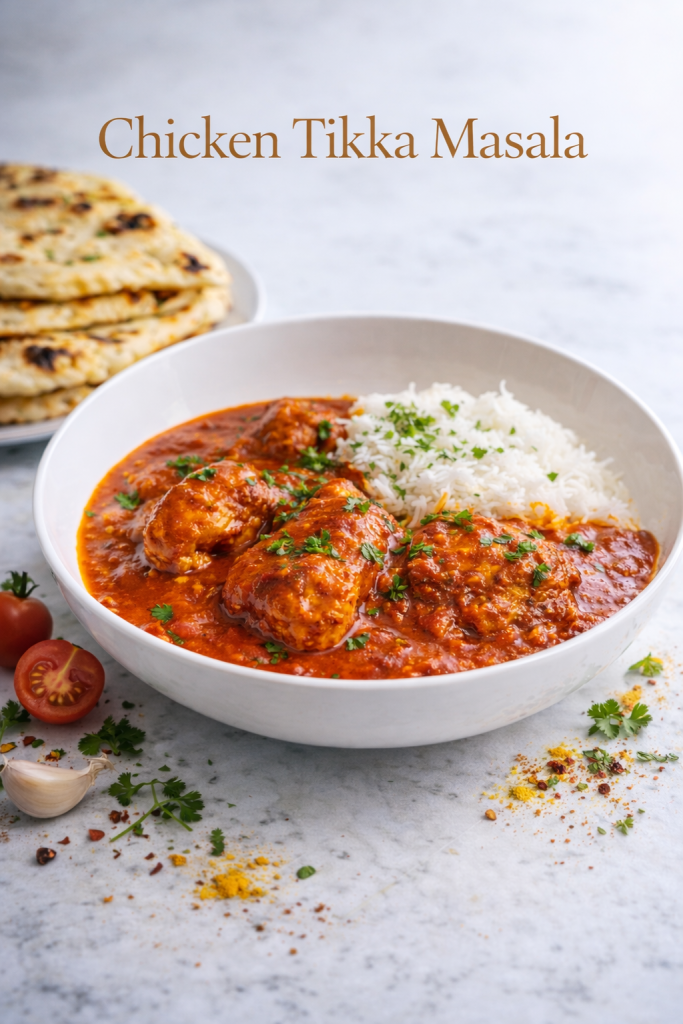
One Main Course: Chicken Tikka Masala or Dal Makhani. You truly can’t go wrong with a beloved classic here. For instance, the creamy, tomatoey richness of Chicken Tikka Masala forms a match made in heaven with garlic naan, as the bread soaks up every bit of that luxurious sauce. Alternatively, if you’re seeking a vegetarian option, Dal Makhani offers deeply comforting, slow-simmered black lentils in a buttery gravy. This dish provides a wonderfully earthy counterpart that the naan is absolutely perfect for sopping up.
One Side Dish: Kachumber Salad. To add a bright and crunchy contrast to all that richness, you really must try a simple Kachumber salad. This fresh mix of finely chopped cucumber, tomato, and onion, tossed with a squeeze of lemon juice and a pinch of salt and chaat masala, works to cleanse the palate between bites. Consequently, each mouthful of curry or naan tastes as vibrant as the first.
One Dessert: Gulab Jamun. After enjoying all those wonderful savory spices, an indulgent sweet treat is the ideal way to finish the meal. These soft, deep-fried milk-solid balls, soaked in a rose-scented sugar syrup, offer a completely different texture and a flavor profile that’s syrupy, floral, and decadently sweet—a true celebration on a plate.
One Cocktail: Mango Lassi Martini. Why not give the classic yogurt drink a grown-up twist? Simply combine vodka with mango puree, a splash of heavy cream, and a dollop of plain yogurt. Shake it all vigorously with ice and then strain it into a martini glass. The result is a creamy, fruity cocktail that echoes the cooling yogurt in the naan while beautifully complementing the spices in your Indian-inspired feast.
One Non-Alcoholic Drink: Masala Chai. Finally, you can’t go wrong with a steaming cup of spiced tea. The warmth of ginger, cardamom, cinnamon, and cloves in a proper Masala Chai serves as the ultimate aromatic companion to this bread, thereby creating a perfectly harmonious end to your meal.

Description
This instant butter naan recipe delivers soft, fluffy, and garlicky flatbreads without any yeast or a tandoor oven. Using a clever combination of baking powder and yogurt, you can have warm, buttery naan on your table in just 30 minutes.
Ingredients
For the Naan Dough:
For the Topping:
Instructions
-
Activate the Wet Ingredients: In a large mixing bowl, combine the lukewarm milk, plain yogurt, sugar, and 3 tablespoons of oil. Whisk vigorously for about 30 seconds until the sugar is completely dissolved and the mixture is smooth and slightly frothy. This step ensures the leavening agents will be evenly distributed later and jumpstarts the reaction with the baking soda.
-
Combine the Dry Ingredients: In a separate bowl, sift together the all-purpose flour, salt, baking powder, and baking soda. Sifting is crucial for aerating the flour, removing any lumps, and evenly distributing the leaveners, ensuring a light and consistent dough.
-
Bring It Together: Create a well in the center of the dry ingredients. Pour the wet mixture into the well. Using a fork or your fingertips, gradually incorporate the flour into the liquid from the inside out until a shaggy, slightly sticky dough forms.
-
The Quick Knead: Lightly oil your hands to prevent sticking. Turn the dough out onto a clean, lightly floured surface. Knead the dough for only 2-3 minutes. You are not looking for the elastic smoothness of a yeast dough; you just want it to come together into a soft, cohesive ball. Over-kneading at this stage can develop too much gluten, making the naan tough and chewy rather than soft and tender.
-
Rest and Relax: Place the dough ball in a clean, lightly oiled bowl, turning to coat. Cover with a damp kitchen towel or plastic wrap. Let it rest for 20-60 minutes. This short rest is vital—it allows the gluten to relax, which will make the dough much easier to roll out without springing back. This is where the science of chemical leavening does its work without the wait.
-
Heat the Tawa: While the dough rests, place a cast-iron tawa, heavy-bottomed skillet, or non-stick pan over medium-high to high heat. You want it screaming hot. To test, sprinkle a few drops of water on the pan; they should sizzle and evaporate immediately. If using cast iron, let it preheat for a good 5-7 minutes to ensure the heat is even and intense.
-
Divide and Roll: After the rest, divide the dough into 8-10 equal-sized balls. Keep the balls you aren't working with covered under the damp towel to prevent them from drying out and forming a skin. On a lightly floured surface, take one ball and press it flat. Using a rolling pin, roll it out into a tear-drop or oval shape, about 1/4-inch thick. Don't aim for perfection; rustic, irregular shapes are part of the bread's homemade charm.
-
Get the Toppings Ready: If making garlic naan, combine the minced garlic with a tablespoon of the softened butter to make a garlic butter paste. Keep the chopped coriander and kalonji seeds nearby so you can work quickly once the naan comes off the heat.
-
Cook the First Side: Gently pick up the rolled naan and carefully place it onto the hot tawa. It should start to bubble within 10-15 seconds. Let it cook for about 30-45 seconds, or until you see large bubbles forming on the surface and the bottom has distinct golden-brown to charred spots.
-
Flip and Finish: Using tongs, quickly flip the naan. Cook the second side for another 30-45 seconds. For a smoky, tandoor-like char, you can use your tongs to gently press the naan against the hot pan. For an even more authentic finish, you can briefly hold it with tongs directly over an open gas flame for a second or two to get those beautiful, irregular blackened spots (be very careful!).
-
Butter It Up: Transfer the hot naan to a plate. Immediately brush it generously with the garlic butter (or plain salted butter). The residual heat from the naan is crucial here; it will melt the butter into every nook and cranny, soaking into the bread rather than just sitting on top. Sprinkle immediately with fresh coriander and a pinch of kalonji seeds (if using).
-
Repeat and Serve: Stack the cooked naan in a clean kitchen towel to keep them warm and soft while you cook the remaining dough balls. This traps the steam and ensures they stay pliable. Serve immediately and enjoy the fruits of your 30-minute labor!
Nutrition Facts
Servings 8
- Amount Per Serving
- Calories 185kcal
- % Daily Value *
- Total Fat 7.5g12%
- Saturated Fat 3.5g18%
- Sodium 330mg14%
- Total Carbohydrate 25g9%
- Dietary Fiber 1g4%
- Sugars 2g
- Protein 4.5g9%
* Percent Daily Values are based on a 2,000 calorie diet. Your daily value may be higher or lower depending on your calorie needs.
Note
- Pro Tips for Success:
- Pan Temperature is Key: Your tawa must be hot enough. A pan that isn't hot enough will cook the naan slowly, driving out moisture and making it dry and crispy instead of soft and pliable. Don't be afraid of a little char.
- Don't Skip the Rest: Even a 10-minute rest makes a world of difference in how easily the dough rolls out. If you try to roll it immediately, it will likely shrink back.
- Yogurt Matters: Use plain, whole-milk yogurt that is thick and not sour. Greek yogurt is a great substitute. The acidity is needed for the reaction with the baking soda, and the fat content contributes to a tender crumb.
- Work in Batches: Keep the uncooked dough balls and rolled-out naan covered to prevent them from drying out, which can lead to cracking during rolling.
- Make-Ahead Instructions: The dough can be made up to 24 hours in advance. After kneading, place it in an oiled bowl, cover tightly with plastic wrap, and refrigerate. The cold will slow the leavening reaction. Let it sit at room temperature for 20-30 minutes before rolling and cooking to relax the gluten again.
- Storage Guidelines: Leftover naan can be stored in an airtight container or zip-top bag at room temperature for 1-2 days. To reheat, sprinkle lightly with water, wrap in foil, and warm in a 300°F (150°C) oven for 5-7 minutes, or directly on a hot tawa for a few seconds per side. The sprinkle of water creates steam, helping to restore softness.
- Substitutions:
- All-Purpose Flour: For a whole-wheat version, substitute half of the all-purpose flour with whole wheat flour (atta). You may need to add an extra tablespoon or two of milk as whole wheat flour absorbs more liquid. The texture will be slightly denser and nuttier.
- Dairy-Free: Use a thick, plain unsweetened dairy-free yogurt (like coconut or soy yogurt) and a neutral oil like avocado or melted coconut oil in place of the butter for topping. The texture will be slightly different but still delicious.
- Troubleshooting:
- Naan is tough: This usually means the dough was over-kneaded or the pan wasn't hot enough, causing it to cook too long and dry out.
- Naan didn't bubble: Your pan wasn't hot enough, or your baking powder/soda may be old and inactive. Always check the expiration dates on your leaveners. You can test baking soda's potency by adding a splash of vinegar to a small amount—it should fizz vigorously.
- Dough is too sticky to roll: Dust your work surface and the dough ball lightly with flour. Be careful not to use too much, as this can lead to dry naan.