INTRO
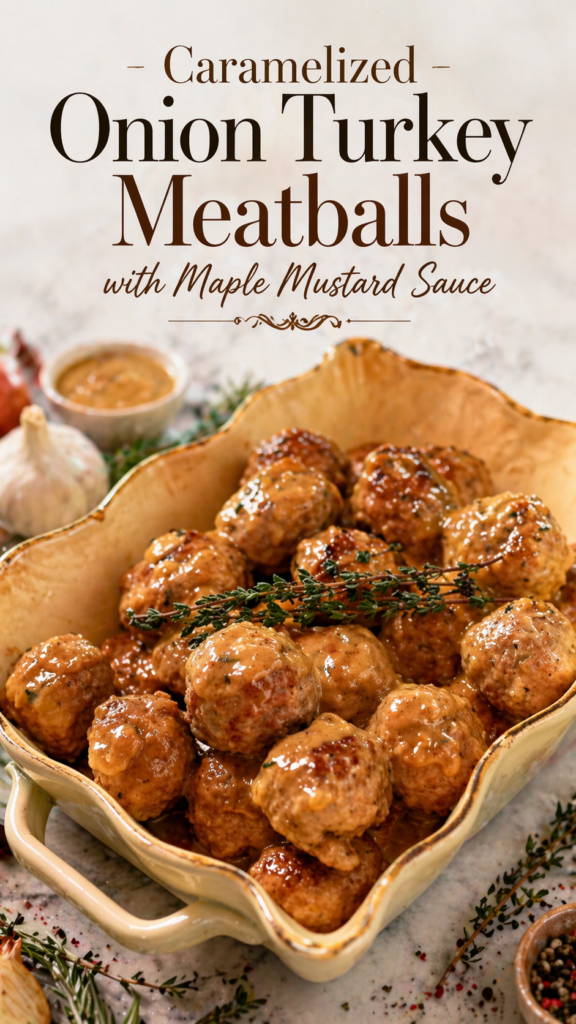
What if a turkey meatball could be the star of your next party? These Caramelized Onion Turkey Meatballs with Maple Mustard Sauce deliver deep, savory sweetness without a drop of mayo. I developed this recipe after hosting a holiday gathering where several guests couldn't eat mayonnaise—and I refused to serve dry, bland turkey meatballs.
Here's the game-changer: slowly caramelizing the onions first transforms this lean protein into something juicy, complex, and unforgettable. That tangy-sweet maple Dijon glaze? It makes these meatballs disappear fast. From feeding a crowd of 20 to meal-prepping for the week, this recipe scales beautifully from 1.5 pounds to 4 pounds of turkey. No almond flour? Not a problem. No mayo? You won't miss it. Let me show you why caramelized onions are the secret your meatballs have been waiting for.
THE HISTORY
The meatball is one of humanity's oldest convenience foods. Archaeological evidence suggests that early cooks in Persia (modern-day Iran) combined ground meat with bulgur or bread as early as 1700 BCE. The word "meatball" itself is delightfully literal, but every culture has its version: Italy has polpette, Sweden has köttbullar, Turkey has köfte, and China has lion's head meatballs.
The addition of caramelized onions, however, draws from French culinary tradition. Caramelization—the browning of natural sugars in alliums—was refined in 18th-century French kitchens as a foundational technique for sauces, soups, and braised dishes. When combined with ground turkey (a leaner, modern American protein swap), you get a beautiful marriage of Old World technique and New World health-conscious cooking.
The maple mustard sauce is distinctly North American. Maple syrup, harvested by Indigenous peoples long before European arrival, pairs with Dijon mustard (from the town of Dijon, France, since the 14th century). This sweet-tangy combination became popular in Canadian and American home cooking during the mid-20th century, especially as a glaze for ham and poultry.
THE SCIENCE
Why caramelize onions instead of using them raw? Raw onions contain sulfur compounds called thiosulfinates—the same chemicals that make you cry when you slice them. These compounds taste harsh and pungent. When you apply low, steady heat over 15-20 minutes, two things happen. First, water evaporates, concentrating the onion's natural sugars (fructose, glucose, and sucrose). Second, those sugars undergo the Maillard reaction (above 285°F / 140°C) and caramelization (above 320°F / 160°C), creating hundreds of new flavor compounds: nutty, sweet, savory, and slightly smoky.
Why do caramelized onions keep turkey meatballs moist? Ground turkey is notoriously lean, especially breast meat. It has less fat and connective tissue than beef or pork, so it dries out easily. Caramelized onions act as a physical moisture barrier and a flavor enhancer. The soft, jammy onion pieces interrupt the protein matrix, preventing the meat from tightening into a dense, dry puck. Additionally, the natural sugars in the onions retain water. This is the same principle behind adding grated zucchini or apple to lean meatballs.
Why no mayo in the sauce? Traditional creamy sauces rely on mayonnaise as an emulsifier (it binds oil and water). But here, Dijon mustard and maple syrup create a different kind of emulsion. Mustard contains mucilage—a natural gum that thickens liquids. When you whisk it into hot chicken broth, the proteins and polysaccharides unwind and trap liquid, creating a silky, clingy glaze without eggs or oil. This is why the sauce coats each meatball beautifully and won't break or separate when reheated.
GOOD PAIRING FOOD AND DRINK
These Caramelized Onion Turkey Meatballs with Maple Mustard Sauce strike a perfect balance: savory-sweet, tangy, and rich without being heavy. Below are ideal pairings from the Food Illustrated archives (each link opens in a new tab).
Appetizer:
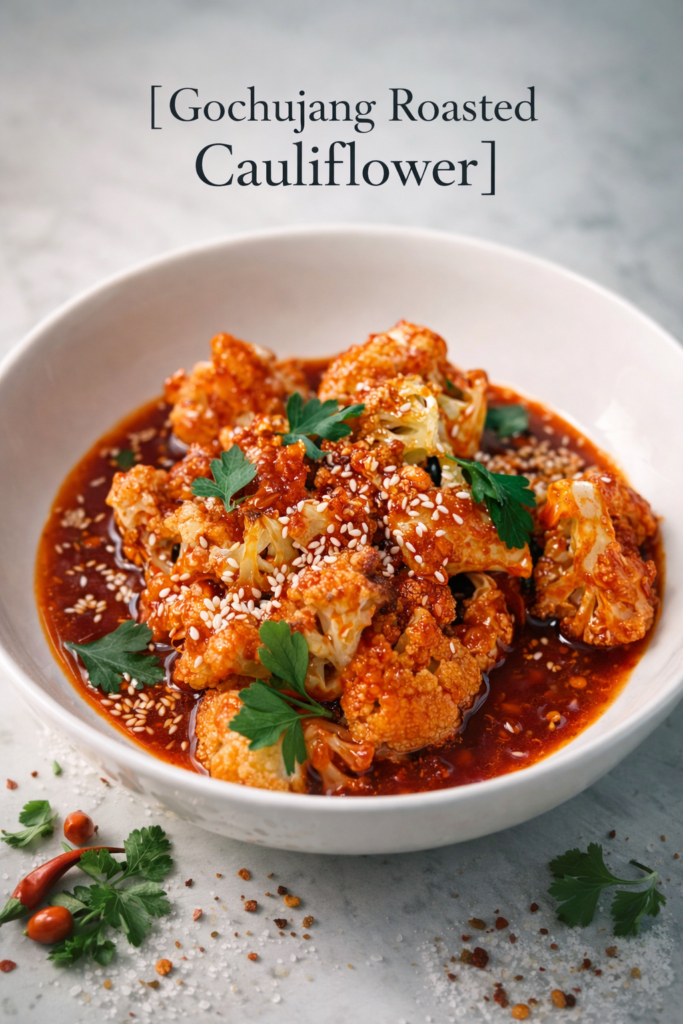
Gochujang Roasted Cauliflower: Sweet, Spicy & Crispy
Start your party with this bold, umami-packed roasted cauliflower. The sticky, fermented heat of Korean gochujang echoes the maple mustard sauce's tangy depth, while the crispy, caramelized edges provide a textural counterpoint to the tender meatballs. Both dishes share a love for sweet-spicy-savory glazes, creating a cohesive flavor journey from the first bite.
Soup Course (Optional):
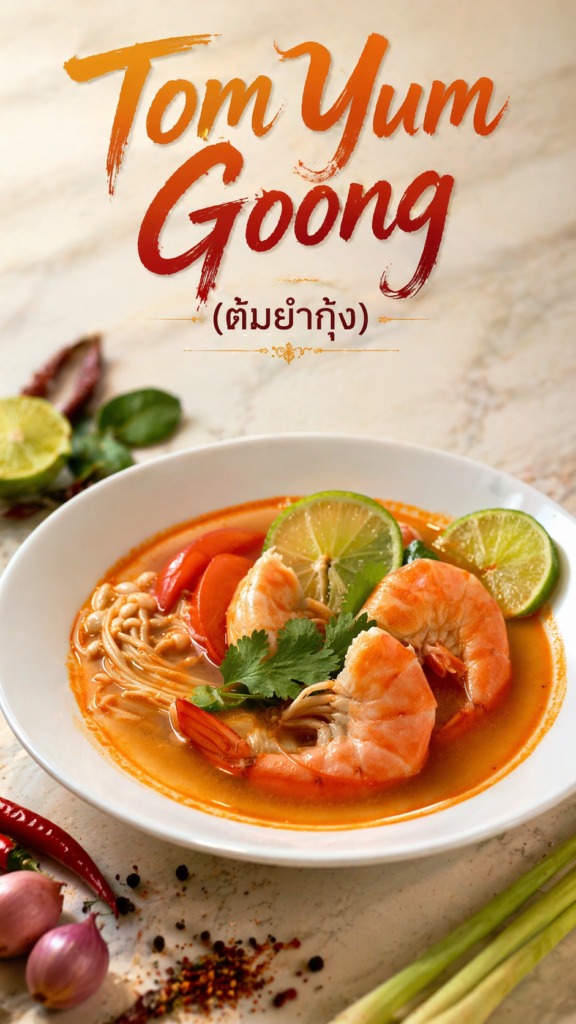
Tom Yum Goong Recipe: Thai Hot & Sour Shrimp Soup
If you're serving a multi-course party, this bright, aromatic soup wakes up the palate before the richer meatballs. The lemongrass, galangal, and lime's sharp acidity contrasts beautifully with the maple sweetness, while the shrimp's delicate sweetness bridges the two dishes.
Main Course (Already a Main):
These turkey meatballs are hearty enough to stand alone. Serve them over creamy polenta, mashed sweet potatoes, or cauliflower rice to soak up every drop of the maple mustard glaze.
Alternative Main Course (For a Spread):
30-Minute Marry Me Chicken Loins (Creamy Sun-Dried Tomato Sauce)
For a truly indulgent party spread, offer both the turkey meatballs and this creamy chicken. The sun-dried tomato Parmesan sauce provides a rich, savory contrast to the maple mustard's tangy sweetness. Guests can mix and match, creating their own perfect bite.
Side Dish:
Roasted Brussels Sprouts with Balsamic Glaze (or simple steamed jasmine rice)
The bitter, crispy edges of Brussels sprouts cut through the maple sweetness, while jasmine rice acts as a neutral canvas that absorbs the sauce.
Dessert:
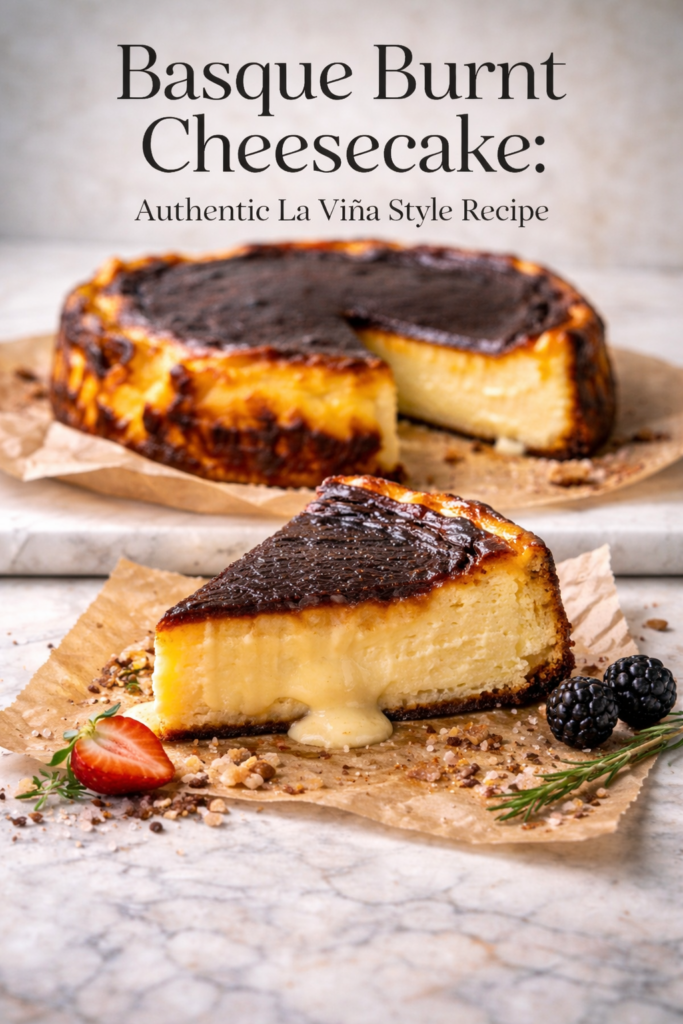
Basque Burnt Cheesecake: Authentic La Viña Style
After a savory-sweet main, this crustless, custardy Spanish cheesecake is the perfect finale. Its caramelized, slightly bitter burnt top mirrors the maple glaze's caramel notes, while the creamy, molten center echoes the meatballs' juicy interior. The contrast is spectacular.
Cocktail:
Maple Old Fashioned
Combine bourbon, real maple syrup, Angostura bitters, and an orange twist. The maple directly echoes the sauce, while the bourbon's vanilla and oak notes stand up to the savory turkey.
Non-Alcoholic Drink:
Sparkling Apple Cider with Fresh Thyme
Dry, bubbly, and herbaceous. The thyme ties directly to the meatballs' seasoning, while the apple cider cuts through the richness.
📚 A Note on Food Preservation & Flavor
The deep, layered flavors in these Caramelized Onion Turkey Meatballs with Maple Mustard Sauce—from the caramelized onions (sugar concentration through heat) to the Dijon mustard (fermented mustard seeds) to the maple syrup (preserved tree sap)—are a testament to the power of food preservation. These techniques don't just prevent spoilage; they create entirely new dimensions of taste.
For a deep dive into how salt, smoke, microbes, and human ingenuity have shaped global cuisines—from ancient fish sauce and fermented mustards to modern slow cookers and space missions—explore my book:
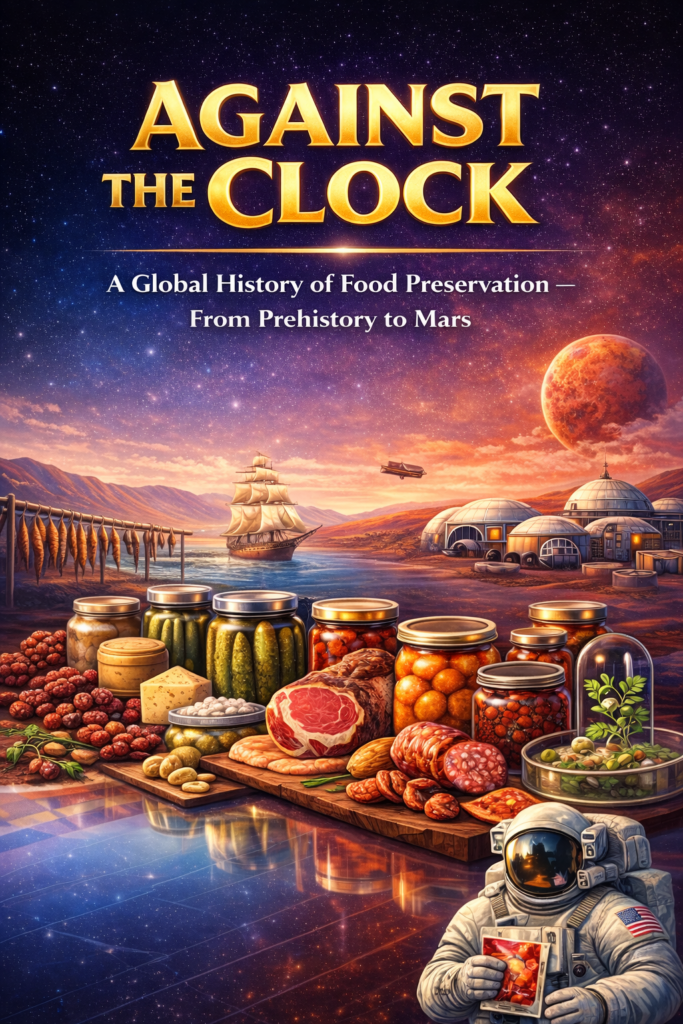
Against the Clock: A Global History of Food Preservation—From Prehistory to Mars
How salt, smoke, microbes, and ingenuity saved us from the relentless march of spoilage.
Available now on Amazon
Learn why the caramelized sweetness in your meatballs, the umami in your gochujang cauliflower, and the tang in your tom yum all owe their existence to thousands of years of preservation wisdom.