
Intro
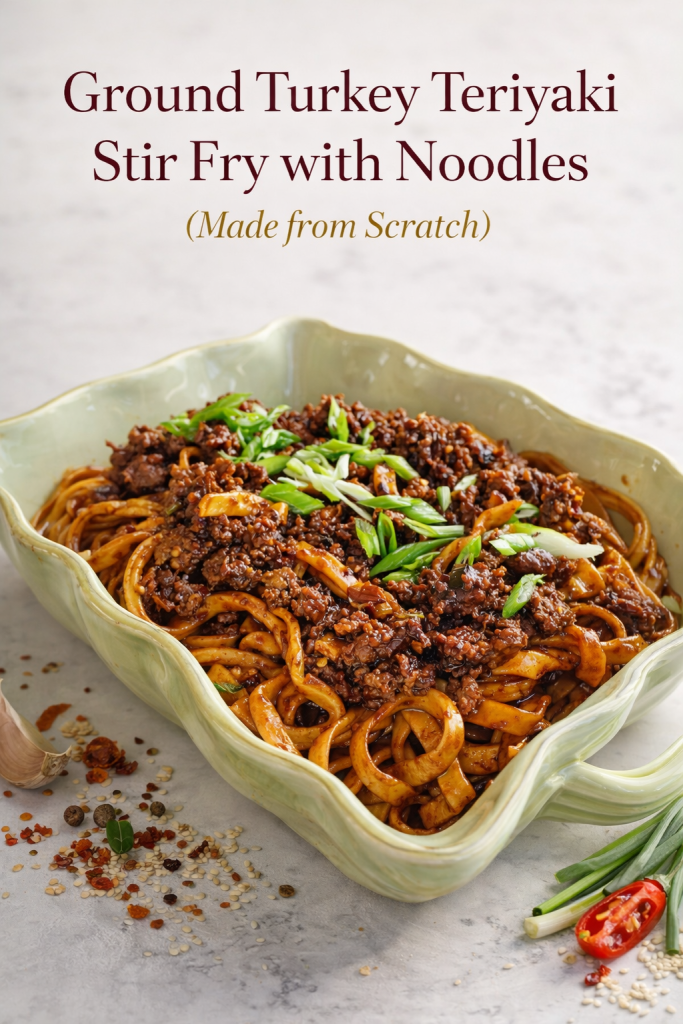
Have you ever wanted to create a takeout favourite that’s not only healthier but also deeply satisfying to make? This recipe for Ground Turkey Teriyaki Stir Fry with Noodles is your answer. It’s a beautiful fusion that pairs the rich, chewy texture of handmade egg pasta with a savory-sweet, glossy teriyaki sauce and lean, protein-packed ground turkey. What makes this version truly special is the commitment to building flavour from the ground up—literally, from the flour and eggs for your noodles to the fresh ginger and garlic in the glaze. It’s a rewarding project that results in a comforting, crowd-pleasing meal, proving that a few simple techniques can elevate a weeknight dinner into something extraordinary.
The History
This dish is a delicious example of culinary globalization. On one side, we have the egg noodle, a staple of European cuisine. While pasta has ancient roots, the enriched egg noodle—made with flour and eggs—became a hallmark of Northern Italian and German cooking, prized for its richness and ability to hold up to hearty sauces. Think of tagliatelle draped in a Bolognese ragù.
On the other side, we have teriyaki , a quintessential Japanese cooking technique. The word “teriyaki” comes from the Japanese words teri (照り), meaning the luster or shine given by the sugar content in the glaze, and yaki (焼き), meaning to grill or broil. Traditionally, it refers to fish or meat basted with a sweet soy sauce-based glaze and grilled over an open flame.
Our stir fry today is a modern, globalized interpretation. It takes the sturdy, satisfying texture of Italian-style egg pasta and marries it with the savory-sweet shine of Japanese teriyaki, using ground turkey—a lean, versatile protein popular in American home cooking. It’s a testament to how flavors travel and transform, creating new classics that feel both familiar and exciting.
The Science
What makes this Ground Turkey Teriyaki Stir Fry with Noodles so much more than the sum of its parts? It’s a beautiful interplay of food science.
First, consider the homemade noodles. Making pasta from scratch isn’t just about tradition; it’s about gluten development. When you knead the flour and eggs, you’re creating long, strong networks of gluten proteins. Resting the dough allows these networks to relax, preventing the pasta from snapping back when you roll it out. The result is a noodle with a superior, satisfying chew (al dente) that can stand up to the weight of the sauce without becoming mushy.
Next, the teriyaki sauce is a masterclass in flavor and texture. The magic is in the reduction. As the soy sauce, mirin (or honey), and sugar simmer, water evaporates, concentrating the flavors. The sugar caramelizes slightly, adding complexity and that signature teri or shine. The cornstarch slurry is a critical step in “modern” teriyaki. When heated, the starch granules absorb water, swell, and burst, creating a network that thickens the sauce. This allows the glossy glaze to cling to every nook and cranny of the ground turkey and noodles.
Finally, browning the ground turkey is non-negotiable. This is the Maillard reaction —a chemical reaction between amino acids and reducing sugars that gives browned food its distinctive, savory flavor. By cooking the turkey in a hot pan and letting it develop deep brown crust, we create hundreds of new flavor compounds that form the savory foundation of the entire dish.
Good Pairing Food and Drink
- Appetizer: Golden Egg Drop Soup (Restaurant-Style in 10 Minutes) . Start your meal with this silky, comforting classic. The gentle, savory broth with its delicate egg ribbons is the perfect palate awakener. Its mild flavor, enhanced with a touch of white pepper, provides a wonderful, soothing contrast to the bold, sweet-savory kick of the teriyaki noodles to follow. As the recipe notes, the science of its silky texture comes from a cornstarch slurry, a technique we also use in our teriyaki sauce!
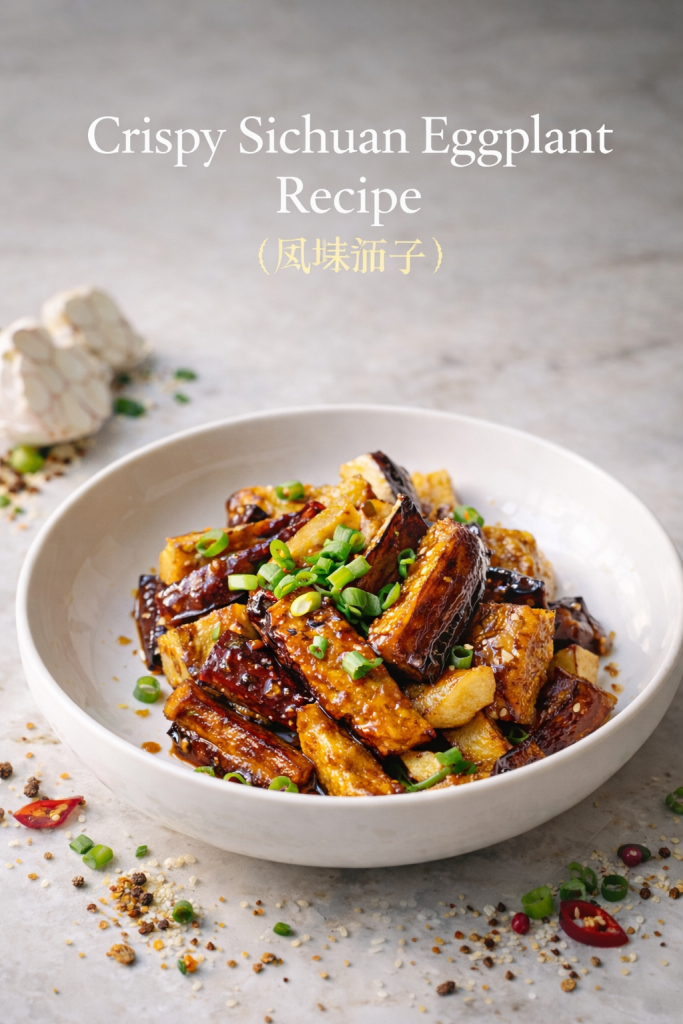
- Side Dish: Crispy Sichuan Eggplant Recipe (风味茄子) – Restaurant Secret . For a truly memorable meal, add this dish. The contrast is fantastic: the soft, chewy noodles against the ultra-crispy, caramelized exterior of the eggplant. The numbing spice from the Sichuan peppercorns and the sweet-sour glaze will create an incredible flavor dialogue with the teriyaki, adding depth and excitement to every bite.
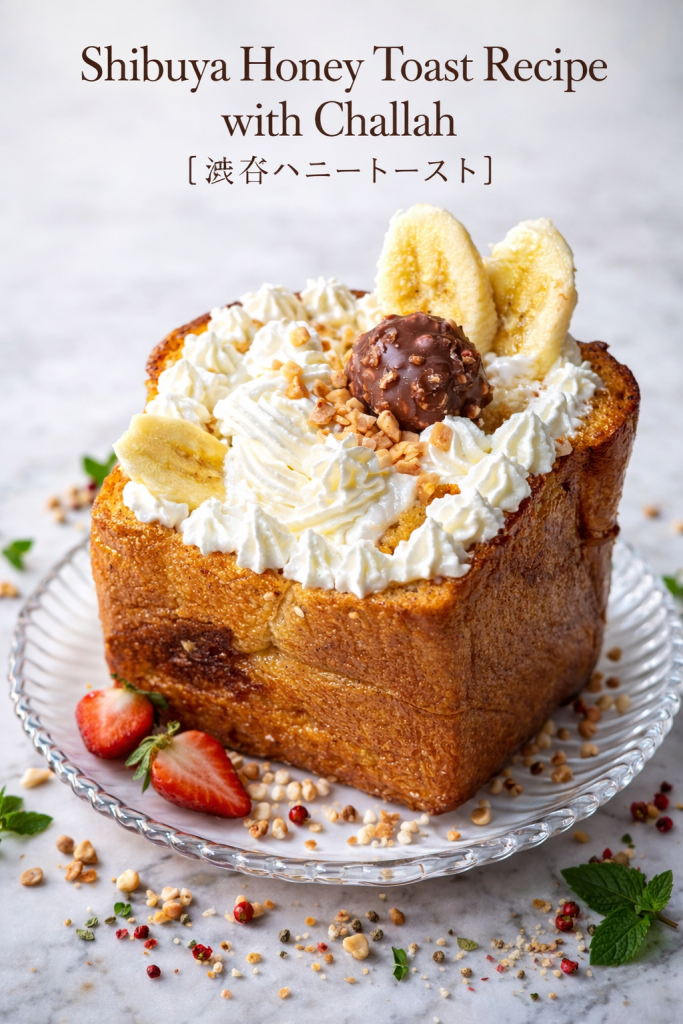
- Dessert: Shibuya Honey Toast Recipe with Challah (渋谷ハニートースト) . End on a spectacularly fun and delicious note. This Japanese café classic, reimagined with challah, is the ultimate sharing dessert. The warm, crisp, buttery cubes of toast, served with ice cream and whipped cream, provide a decadent, sweet, and texturally playful finish that contrasts beautifully with the savory meal. It’s a showstopper that turns dinner into an event.
- Cocktail: Tokyo Mule. A twist on the classic Moscow Mule. Combine vodka, fresh lime juice, and ginger beer in a copper mug. The spicy kick of the ginger beer complements the ginger in the teriyaki sauce, while the lime adds a necessary pop of acidity to cut through the richness.
- Non-Alcoholic Drink: Iced Jasmine Green Tea with Honey. Brew a pot of jasmine green tea, let it cool, and serve it over ice with a drizzle of honey. The floral aroma of the jasmine tea is a classic pairing with Japanese-inspired flavors and provides a soothing, non-alcoholic option.

Description
This recipe for Ground Turkey Teriyaki Stir Fry with Noodles guides you through creating incredibly tender egg noodles from scratch, then tossing them with savory browned turkey and a perfectly sticky-sweet teriyaki sauce. It’s a fun, rewarding project that results in a deeply flavorful and satisfying meal the whole family will love.
Ingredients
For the From-Scratch Egg Noodles:
For the Homemade Teriyaki Sauce:
For the Stir Fry:
Instructions
Part 1: Make the Fresh Egg Noodles
-
-
Create a flour well. On a clean countertop or large wooden board, place the 2 cups of flour. Use your hands to form a wide, deep well in the center, creating a "volcano" shape. Add the 3 eggs and 1/2 teaspoon of salt into the well.
-
Incorporate the eggs. Using a fork, gently beat the eggs and salt together. Once combined, begin to slowly pull flour in from the inner walls of the well, mixing it into the egg. Continue until most of the flour is incorporated and a shaggy, sticky dough begins to form.
-
Knead the dough. Use your hands to bring the dough together into a ball. If there are dry bits that won't incorporate, add water 1 teaspoon at a time. If the dough is too sticky, add a little more flour. Transfer the dough to a lightly floured surface and knead for 8-10 minutes. You're aiming for a smooth, elastic, and supple ball that springs back when gently poked.
-
Let the dough rest. This is a crucial step. Wrap the dough tightly in plastic wrap and let it rest at room temperature for at least 30 minutes. This relaxes the gluten, making it much easier to roll out.
-
Roll and cut the pasta. Unwrap the dough and cut it into 4 pieces. Keep the pieces you're not working with covered. Flatten one piece into a thick oval. Run it through the widest setting of a pasta machine. Fold this sheet into thirds (like a letter) and run it through the widest setting again. Repeat this folding and rolling step 2-3 times. Now, continue running the dough through the machine, moving to progressively thinner settings, until you reach your desired thinness (setting #5 or #6 on a standard machine is perfect). Lay the thin sheet on a lightly floured surface. Lightly dust the top with flour, then gently roll the sheet up into a loose log. Using a sharp knife, cut the log into ribbons of your desired width (1/4-inch is great for stir-fry). Unfurl the ribbons and toss them with a little flour to prevent sticking. Place them on a baking sheet and repeat with the remaining dough.
-
Part 2: Make the Teriyaki Sauce
-
-
While the pasta dough rests, make the sauce. In a small bowl, whisk together the soy sauce, water, brown sugar, honey, minced garlic, and grated ginger until the sugar is mostly dissolved.
-
Pour the mixture into a small saucepan and bring to a simmer over medium heat.
-
Once simmering, give the cornstarch slurry another quick stir and whisk it into the sauce. Continue to cook, stirring constantly, until the sauce thickens and becomes glossy, about 1 minute. Remove from heat and set aside.
-
Part 3: Cook and Assemble the Stir Fry
-
-
Cook the fresh noodles. Bring a large pot of generously salted water to a rolling boil. Drop in the fresh noodles and cook for just 2-3 minutes, or until they float to the top and are tender but still firm (al dente). Reserve about 1/2 cup of the starchy pasta water, then drain the noodles in a colander.
-
Brown the turkey. While the pasta water is heating, heat 1/2 tablespoon of oil in a large skillet or wok over medium-high heat. Add the ground turkey and cook, breaking it up with a spoon. Don't stir it constantly; let it sit for a minute to develop a deep brown crust (the Maillard reaction). Continue cooking until the turkey is browned and cooked through, about 5-7 minutes. Transfer the cooked turkey to a plate and set aside.
-
Stir-fry the vegetables. Heat the remaining 1/2 tablespoon of oil in the now-empty skillet. Add the chopped onion and cook for 2 minutes, until it begins to soften. Add the mixed vegetables and cook for another 3-4 minutes, stirring frequently, until they are bright in color and tender-crisp.
-
Combine and coat. Return the browned turkey to the skillet with the vegetables. Pour the prepared teriyaki sauce over the top. Stir everything together until the meat and veggies are evenly coated and heated through.
-
Add the noodles. Add the drained noodles to the skillet. Toss everything gently but thoroughly to combine. If the mixture seems a little dry or the sauce isn't coating the noodles well, add a splash of the reserved pasta water. The starchy water helps the sauce cling to the noodles beautifully.
-
Serve immediately. Divide the stir fry among warm bowls. Garnish with sliced green onions, if desired.
-
Nutrition Facts
Servings 4
- Amount Per Serving
- Calories 585kcal
- % Daily Value *
- Total Fat 16g25%
- Saturated Fat 4g20%
- Sodium 1120mg47%
- Total Carbohydrate 75g25%
- Dietary Fiber 4g16%
- Sugars 18g
- Protein 35g70%
- Iron 4 mg
* Percent Daily Values are based on a 2,000 calorie diet. Your daily value may be higher or lower depending on your calorie needs.
Note
- Pro Tip for Noodles: Don't skip the resting period for the pasta dough. It's the single most important step for ensuring your noodles are easy to roll out and have the perfect texture.
- Make-Ahead Instructions: You can make the fresh noodles up to 24 hours in advance. Toss them generously with flour, place them in a sealed bag or container, and store them in the refrigerator. The teriyaki sauce can also be made up to 3 days ahead and stored in an airtight container in the fridge.
- Storage: Store leftovers in an airtight container in the refrigerator for up to 3 days. The noodles will absorb some of the sauce, so it will be less saucy the next day, but still delicious.
- Substitutions:
- Protein: Ground chicken, pork, or turkey Italian sausage (removed from its casing) work perfectly.
- Vegetables: This recipe is incredibly flexible. Use any vegetables you have on hand—mushrooms, bok choy, zucchini, or bean sprouts are all great options.
- Gluten-Free: Use a 1-to-1 gluten-free flour blend for the pasta and tamari or coconut aminos in place of the soy sauce.
- Troubleshooting: If your teriyaki sauce becomes too thick, simply whisk in a tablespoon of water over low heat until it loosens up.