
INTRO
Have you ever roasted a duck and found yourself staring at that excess fatty skin, wondering if it’s destined for the trash? Stop right there. What you’re holding isn’t waste—it’s opportunity. It’s liquid gold waiting to happen.
I learned this lesson the hard way. For years, I trimmed away that glorious fat and tossed it without a second thought. Then one day, watching duck skin render in a hot pan, I had a revelation. That clear, shimmering fat pooling at the bottom? It’s the key to the most transcendent potatoes of your life.
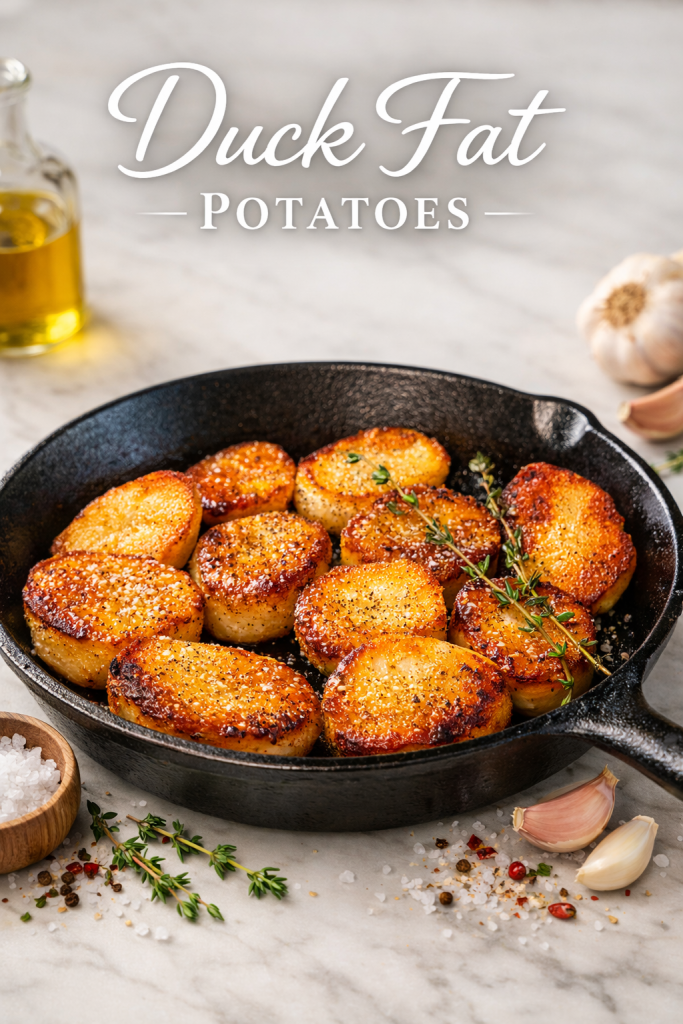
These duck fat potatoes with fresh thyme aren’t just a side dish—they’re a transformation. Humble Yukon Golds become something else entirely: shatteringly crisp on the outside, fluffy like a cloud within, and infused with the deep, savory richness that only duck fat can provide. The thyme adds an aromatic woodsy note that ties everything together, making these potatoes worthy of stealing the show from whatever main course they accompany.
In this post, I’ll walk you through every step, from rendering fat from duck skin trimmings to achieving that perfect golden crust. Trust me—once you make these, you’ll never look at duck fat the same way again.
THE HISTORY: A Love Affair with Fat
The story of cooking potatoes in animal fat is as old as civilization itself. Long before vegetable oils lined supermarket shelves, our ancestors cooked with what they had—rendered fats from the animals they raised and hunted. Duck fat, in particular, has been prized in French cuisine for centuries, especially in the southwest regions known for duck and goose production.
In Gascony and the Périgord, no kitchen is complete without a crock of confit duck legs and a jar of golden duck fat sitting nearby. This isn’t just cooking fat—it’s a culinary heritage. Farmers would preserve duck and goose by cooking them slowly in their own fat, a technique that dates back to a time before refrigeration. The rendered fat, rich and stable, would be used for everything from frying potatoes to enriching stews.
The tradition of potatoes cooked in duck fat likely emerged from practical necessity. After confit season, there was always plenty of fat remaining. Resourceful cooks discovered that parboiled potatoes, roughed up and fried in this liquid gold, developed a crust so impossibly crisp that it became a delicacy in its own right. What began as peasant thrift evolved into a cornerstone of rustic French cooking.
Today, duck fat potatoes appear on menus from Parisian bistros to countryside inns, often served alongside roast chicken, steak frites, or—as in our case—a magnificent Duck à l’Orange. They represent everything we love about traditional cooking: resourcefulness, patience, and the understanding that the best dishes often come from using every last bit of what you have.
THE SCIENCE: Why Duck Fat Changes Everything
To understand why duck fat potatoes achieve a texture that vegetable oil can only dream of, we need to look at what’s happening on a molecular level.
First, consider the fat itself. Duck fat has a higher smoke point (around 375°F) than butter and a unique fatty acid profile. It’s approximately 35% saturated fat, 50% monounsaturated fat, and 15% polyunsaturated fat. This composition gives it stability at high temperatures while allowing it to penetrate the potato’s surface just enough to create that ethereal contrast between crust and interior.
The magic truly begins with the parboiling step. When you boil potatoes before frying, you’re gelatinizing the starches on the surface. Those starches absorb water and swell, creating a rough, starchy exterior. When you drain them and rough them up with a fork or by shaking the pot, you’re increasing surface area exponentially. Those craggy peaks and valleys become landing strips for duck fat to cling to.
Now here’s where the science gets beautiful. As those roughed-up potatoes hit the hot duck fat, several reactions occur simultaneously. The water trapped in the gelatinized surface starches begins to evaporate, creating steam that puffs up the exterior. Meanwhile, the fat, heated to around 350°F-375°F, immediately begins the Maillard reaction—that magical browning of amino acids and reducing sugars that creates hundreds of new flavor compounds. The result is a crust that’s simultaneously crispy, golden, and deeply savory.
The interior stays fluffy because the potatoes were parcooked. You’re not trying to cook them through from raw in the pan—that would lead to burnt exteriors and raw centers. Instead, you’re simply finishing them, allowing the heat to travel inward while the outside achieves its glorious transformation.
And that thyme you add early? Those aromatic oils—thymol and carvacrol—are fat-soluble. They infuse directly into the duck fat as it heats, meaning every potato emerges not just crispy, but perfumed with woodsy, herbaceous notes that complement the richness perfectly.
GOOD PAIRING FOOD AND DRINK
One Appetizer: Duck Fat Popcorn with Fresh Herbs
Yes, you read that right. Use a tablespoon of your rendered duck fat to pop popcorn kernels in a covered pot. Toss with finely chopped parsley, thyme, and a generous sprinkle of flaky salt. It’s impossibly rich, impossibly addictive, and sets the stage for the indulgence to come.
One Main Course: Roasted Duck à l’Orange
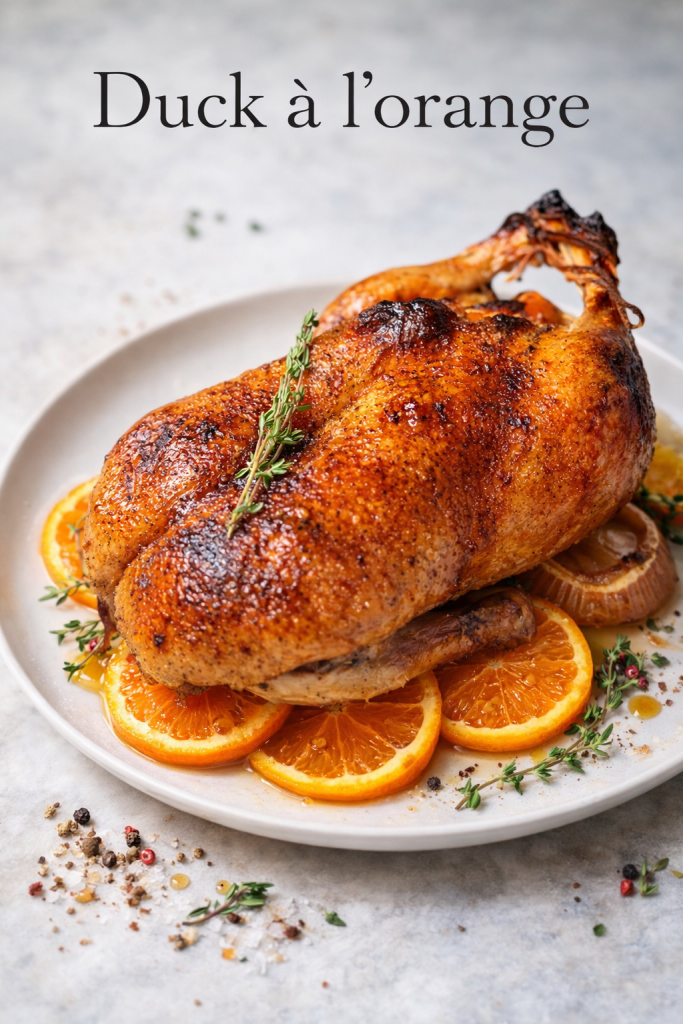
These potatoes were practically designed to accompany our Roasted Duck à l’Orange. The crispy, herby potatoes soak up any extra orange sauce on the plate, while their savory richness balances the duck’s sweetness. Together, they create a bistro-worthy feast.
One Side Dish: Haricots Verts with Brown Butter
If you’re building a full French menu, add these bright, simple green beans. Toss quickly blanched haricots verts in brown butter with a squeeze of lemon. Their clean, vegetal crunch provides the perfect contrast to the rich potatoes and duck.
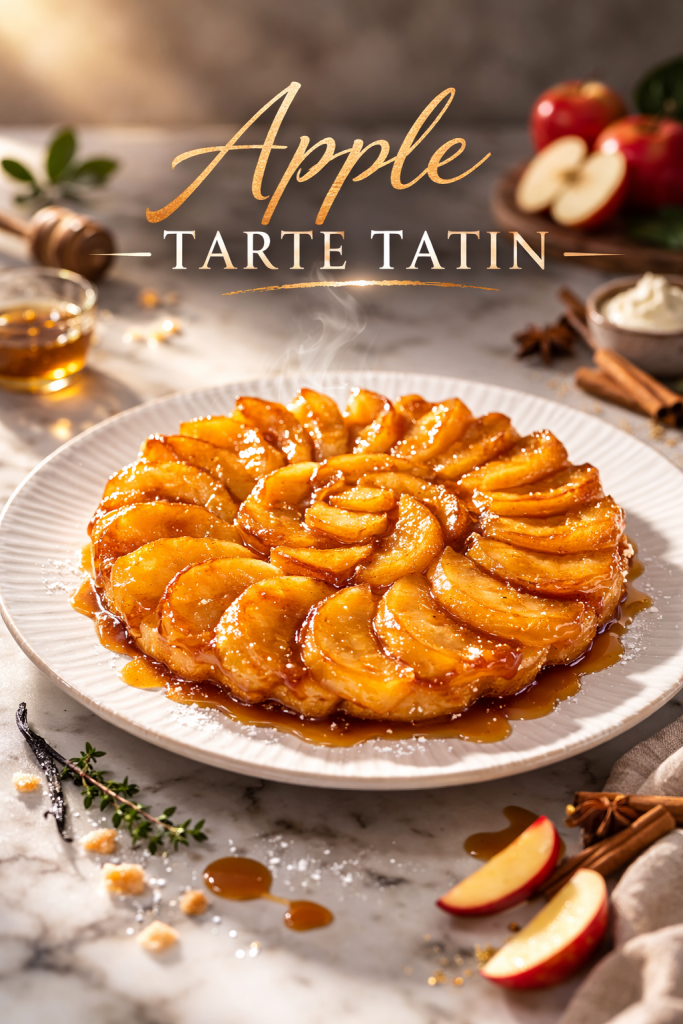
One Dessert: Tarte Tatin
The caramelized apples of this classic French upside-down tart echo the golden crust of the potatoes while offering a completely different texture and sweetness. A dollop of crème fraîche ties everything together beautifully.
One Cocktail: Sidecar
The cognac, orange liqueur, and fresh lemon of a Sidecar mirror the flavors in Duck à l’Orange while cutting through the richness of the potatoes. It’s a match made in cocktail heaven.
One Non-Alcoholic Drink: Sparkling Rosemary Lemonade
Muddle fresh rosemary with lemon juice and a touch of honey, then top with sparkling water. The herbal notes echo the thyme in the potatoes, while the bubbles cleanse your palate between bites.

Description
Transform humble Yukon Gold potatoes into the crispiest, most indulgent side dish you've ever tasted. Fried in rendered duck fat with fresh thyme, these duck fat potatoes achieve the perfect contrast—shatteringly crunchy outside, fluffy like a cloud within.
Ingredients
Instructions
-
Prepare the potatoes. Peel the potatoes if desired (I prefer skins on for texture and color). Cut them into 1½-inch chunks—roughly equal sizes ensure even cooking. Place them in a large pot and cover with cold water by about an inch. Add a generous pinch of salt.
-
Parboil the potatoes. Bring the pot to a boil over high heat, then reduce to a simmer. Cook for 8-10 minutes, until a knife slides into a potato with slight resistance. You don't want them fully cooked—just parcooked. They should hold their shape but be tender enough to rough up. Visual cue: The exterior should look slightly softened, but the center still offers a little resistance.
-
Drain and rough them up. Drain the potatoes in a colander and let them steam dry for 2-3 minutes—excess moisture is the enemy of crispiness. Return them to the pot, cover with the lid, and shake vigorously for 5-10 seconds. This roughens the surfaces, creating those craggy edges that will catch all the duck fat. Alternatively, use a fork to rough them up gently.
-
Render the duck fat (if using trimmings). Place the duck skin trimmings in a cold 10-12 inch cast iron skillet. Yes, cold. This allows the fat to render gradually without burning the skin. Turn the heat to medium-low and let the fat melt slowly, about 8-10 minutes. The skin will crisp into cracklings—remove them with a slotted spoon and reserve for snacking (chef's privilege). You should have about ½ cup of clear, golden fat in the pan.
-
If using prepared duck fat, simply add ½ cup to a cold skillet and melt over medium-low heat.
-
Add thyme and potatoes. Once the fat is shimmering and hot (but not smoking), add 3-4 sprigs of fresh thyme. Let them sizzle for 30 seconds to infuse the fat with their woodsy aroma. Carefully add the parcooked potatoes in a single layer—don't crowd them, or they'll steam instead of crisp. Work in batches if necessary.
-
Fry until golden. Let the potatoes cook undisturbed for 4-5 minutes, until the bottoms turn deep golden brown. Use a spatula to flip each piece. Continue cooking, turning occasionally, for another 10-12 minutes total, until all sides are crispy, golden, and irresistible.
-
*Add the smashed garlic clove during the last 3-4 minutes if desired, for an extra layer of savory depth.*
-
Season and serve. Remove the thyme sprigs (the leaves will have fallen off and infused the potatoes). Transfer the potatoes to a paper towel-lined plate briefly to drain excess fat, then immediately sprinkle with flaky sea salt and freshly ground black pepper. Garnish with fresh thyme leaves.
-
Serve immediately. These potatoes wait for no one. Serve them hot alongside your main course—preferably our Roasted Duck à l'Orange—and watch them disappear.
Nutrition Facts
Servings 4
- Amount Per Serving
- Calories 280kcal
- % Daily Value *
- Total Fat 16g25%
- Saturated Fat 5g25%
- Cholesterol 15mg5%
- Sodium 320mg14%
- Potassium 720mg21%
- Total Carbohydrate 30g10%
- Dietary Fiber 3g12%
- Sugars 2g
- Protein 4g8%
- Vitamin C 15 mg
- Iron 1.5 mg
* Percent Daily Values are based on a 2,000 calorie diet. Your daily value may be higher or lower depending on your calorie needs.
Note
Pro Tips for Success:
- Save those trimmings! Whenever you roast a duck, save the excess skin and fat. Freeze them in a bag, and when you have enough, make these potatoes. It's zero-waste cooking at its most delicious.
- Parboil is non-negotiable. Don't skip this step or try to cook raw potatoes entirely in the pan. You'll end up with burnt exteriors and raw centers. The parcook ensures the insides are tender by the time the outside crisps.
- Dry potatoes = crispy potatoes. After draining, let the potatoes steam dry thoroughly. Some cooks even spread them on a baking sheet for a few minutes. Moisture is the enemy of crisp.
- Rough them up. That rough, starchy surface isn't a mistake—it's your goal. Those craggy edges catch more fat and create more surface area for browning. Be aggressive.
- Don't crowd the pan. Overcrowding drops the pan temperature and traps steam, leading to soggy potatoes. Work in batches if necessary and keep the finished ones warm in a low oven.
- Save the cracklings. Those crispy bits of rendered duck skin? They're incredible sprinkled over the finished potatoes or eaten as a cook's snack. Don't waste them.
Make-Ahead Instructions:
- You can parboil and rough up the potatoes up to 24 hours in advance. Store them in an airtight container in the refrigerator. Let them come to room temperature before frying.
Storage Guidelines:
- Fridge: Leftover potatoes keep in an airtight container for up to 3 days. They won't be as crispy as fresh, but they're still delicious.
- Reheating: The best way to restore crispiness is in a hot skillet with a tiny bit of duck fat or oil. Avoid the microwave—it will make them soggy.
- Freezing: Not recommended. Potatoes become mealy and waterlogged when frozen and thawed.
Substitutions:
- No duck fat? You can use beef tallow, bacon fat, or even a high-smoke-point oil like avocado oil. The flavor won't be the same, but the technique works.
- No Yukon Golds? Russets work well but are starchier and may fall apart more easily. Red potatoes hold their shape beautifully but have a slightly waxy texture. Fingerlings are excellent if you have them.
- No fresh thyme? Dried thyme works in a pinch—use about 1 teaspoon, added with the potatoes. Fresh rosemary is also lovely.
- Vegan version? Use a high-quality olive oil and add smoked paprika for a hint of that savory depth. It won't be the same, but it'll still be delicious.
Troubleshooting:
- Potatoes sticking to the pan? Your pan wasn't hot enough when you added them, or you tried to flip too soon. Let them develop that golden crust undisturbed—they'll release naturally when ready.
- Potatoes not crispy? Several possible culprits: not enough fat, overcrowded pan, potatoes weren't dried thoroughly, or you didn't let them cook long enough. Next time, be more generous with the fat and more patient with the browning.
- Burnt garlic? Garlic burns quickly. Add it only during the last few minutes of cooking, and keep it moving.
Ingredient Sourcing:
- Duck fat is increasingly available at well-stocked grocery stores, often near the poultry or in the specialty oils section. Butcher shops almost always carry it. Or, do what we do—save it from your own roast duck!