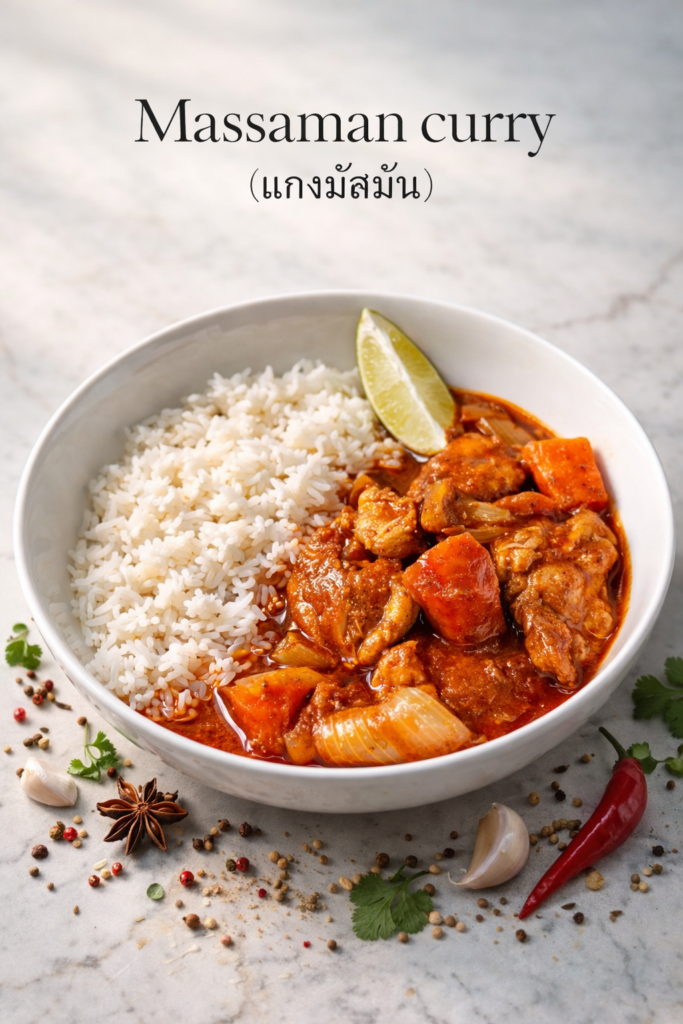
There's a reason Massaman chicken curry has been crowned the "king of curries." It’s a dish that doesn't demand attention with searing heat; instead, it earns it with a slow, hypnotic melody of flavors—rich coconut milk, tender chicken, buttery potatoes, and a whisper of warm, aromatic spices. This is comfort food at its most elegant, a one-pot meal that tastes like it simmered all day but comes together in just over an hour.
In this recipe, I’m sharing my definitive version, built around 4 pounds of succulent, deboned chicken thighs for guaranteed juiciness. We’ll load it with hearty potatoes, earthy brown mushrooms, sweet carrots, and vibrant red peppers, creating a curry that’s as visually stunning as it is soul-satisfying. Whether you’re new to Thai cooking or a seasoned pro, this guide will walk you through every step, from the history of this iconic dish to the science behind its unforgettable flavor.
THE HISTORY AND GLOBAL RECOGNITION
Massaman curry is a culinary paradox: a dish that is undeniably Thai, yet its soul is woven with threads from Persia, India, and the Malay Archipelago. The story begins in the 17th century in Central Thailand, within the cosmopolitan court of the Ayutthaya Kingdom. It was here that Persian merchants and Muslim traders from the Malay world introduced new spices and cooking techniques to the Siamese royal kitchens. The very name "Massaman" is believed to derive from the archaic term "Mussulman," meaning Muslim, a direct nod to its origins. Unlike the quick, fiery curries of the Thai countryside, Massaman was a slow-cooked, celebratory dish reserved for royalty, a symbol of wealth and cultural exchange.
Today, Massaman curry has transcended its royal roots to achieve global acclaim. It has repeatedly topped CNN Travel’s list of the "World's 50 Best Foods," famously earning the title "the king of curries" from food critics and travelers alike. This recognition isn't just hype; it speaks to the dish's universal appeal. It bridges culinary worlds—the coconut-rich creaminess of Southeast Asia with the warming, earthy spice blends of the Indian subcontinent—creating a flavor profile that feels both exotic and deeply familiar. It’s a testament to how a single dish can carry centuries of history and still feel fresh and beloved on dinner tables around the world.
THE SCIENCE
Why does this dish taste so profoundly good? It’s a masterclass in layering flavors, and understanding the "why" makes you a better cook.
The journey begins with the Maillard reaction. When you sear the chicken thighs in the coconut cream, you’re not just cooking the meat; you’re creating hundreds of new flavor compounds. That golden-brown crust that forms isn't just color—it's a complex tapestry of savory, nutty, and roasted notes. This fond (the browned bits stuck to the pot) is pure gold, ready to be deglazed and dissolved into the curry later.
Next comes the frying of the curry paste, a non-negotiable step. The aromatic compounds in the paste—from dried chilies to lemongrass and coriander seed—are fat-soluble. By frying them in the coconut oil that separates from the cream, you are extracting and amplifying these flavors tenfold. This process also "cooks out" any raw, harsh edges, transforming the paste into a deep, mellow foundation. Skipping this step results in a flat, one-dimensional curry; embracing it unlocks the dish’s full potential.
Finally, we have the coconut milk itself. It acts as a natural emulsifier, creating a rich, creamy suspension. When simmered gently over low heat, the fat from the milk carries the fat-soluble flavor compounds from the paste and seared meat directly to your taste buds. The slow simmer also allows the collagen in the chicken to break down into gelatin, adding a luxurious, silky body to the sauce that clings to every spoonful and, more importantly, to every grain of rice.
GOOD PAIRING FOOD AND DRINK
Appetizer:Handmade Lamb Dumplings with Beet Wrappers & Crispy Lace Skirt. The earthy, slightly gamey flavor of lamb is a beautiful prelude to the warm spices of Massaman. The dramatic beet wrappers and crispy lace skirt add a visual and textural wow factor that sets a celebratory tone for the meal.
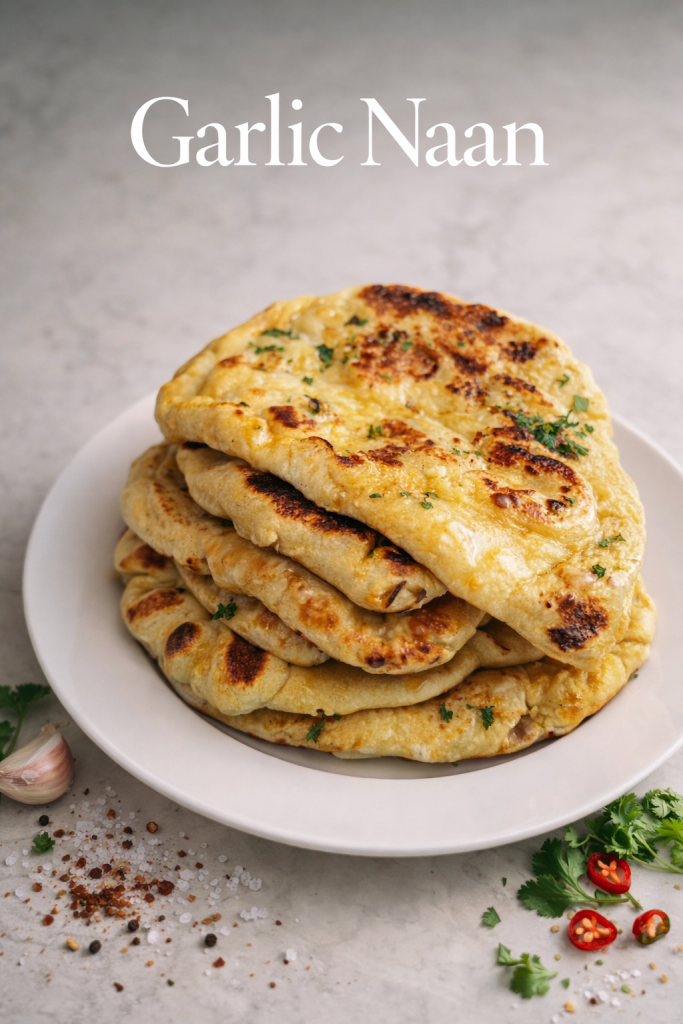
Side Dish:Instant Butter Naan (A 30-Minute No-Yeast Flatbread). While jasmine rice is traditional, this impossibly quick naan is the ultimate vehicle for sopping up every last drop of the rich, creamy sauce. Its buttery, slightly chewy texture provides a perfect counterpoint to the tender chicken and vegetables.
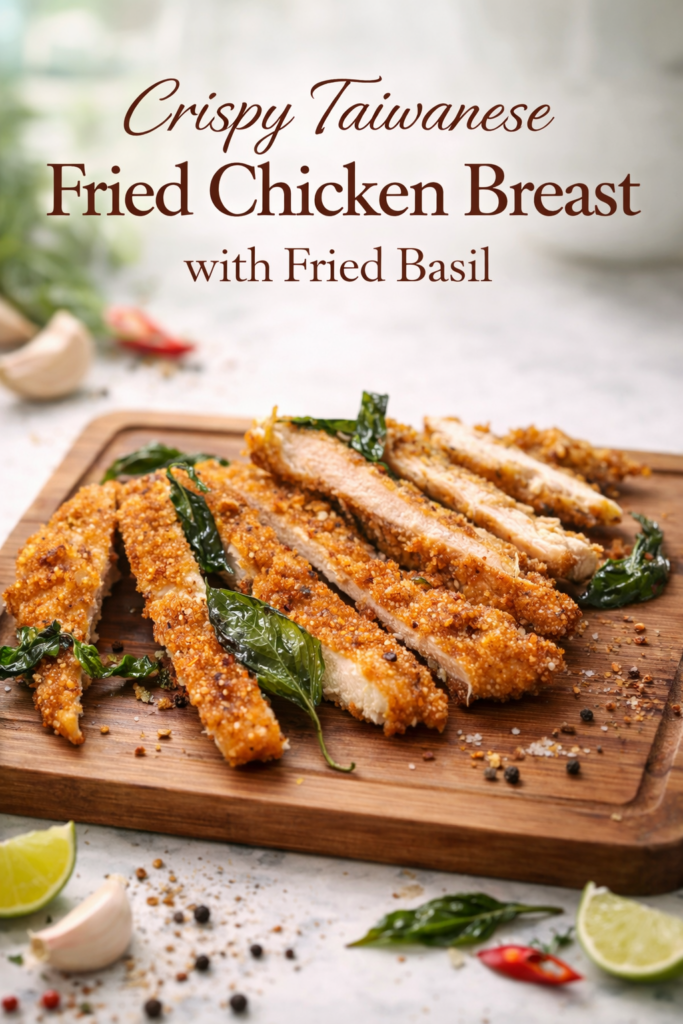
Snack (to serve alongside):Taiwanese Fried Chicken Breast. For a more casual, fun gathering, serve this alongside the curry. The crispy, peppery, five-spice-infused fried chicken offers a crunchy, savory contrast to the creamy, mild heat of the Massaman. It’s an unexpected but wildly delicious pairing.
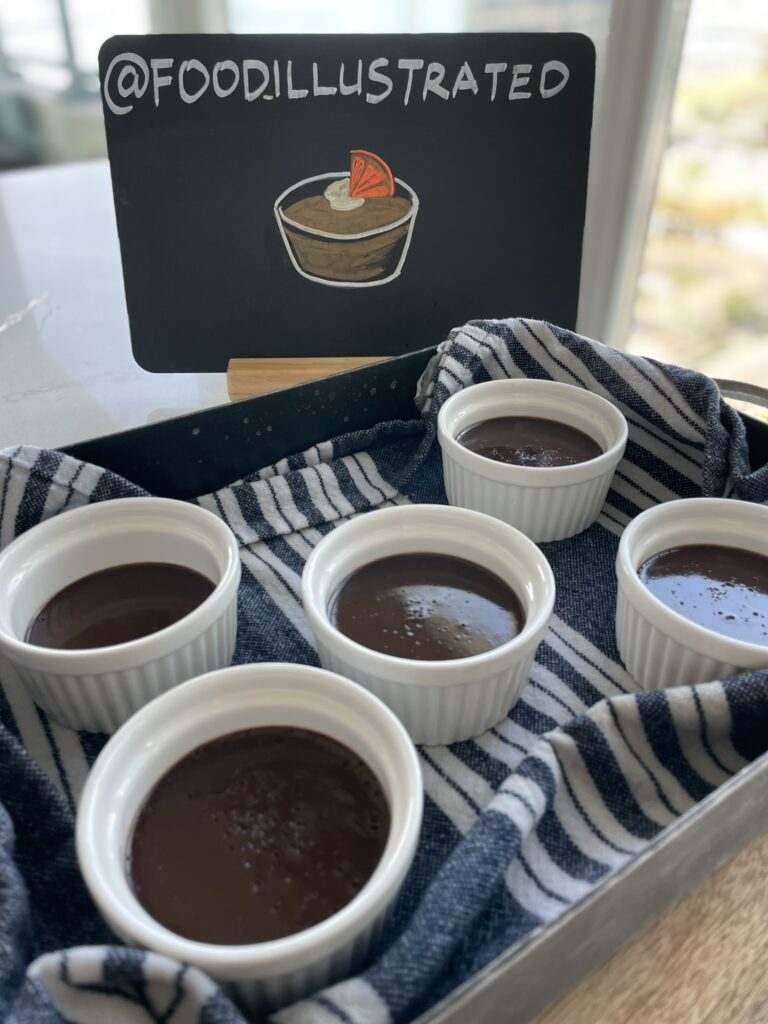
Dessert:French Chocolate Pots de Crème (Silky Make-Ahead Custard Dessert). After the warm spices of the curry, a cool, silky, intensely chocolate custard is the perfect finish. This dessert is pure elegance, and because it’s made ahead, it allows you to focus on the main course without last-minute stress.
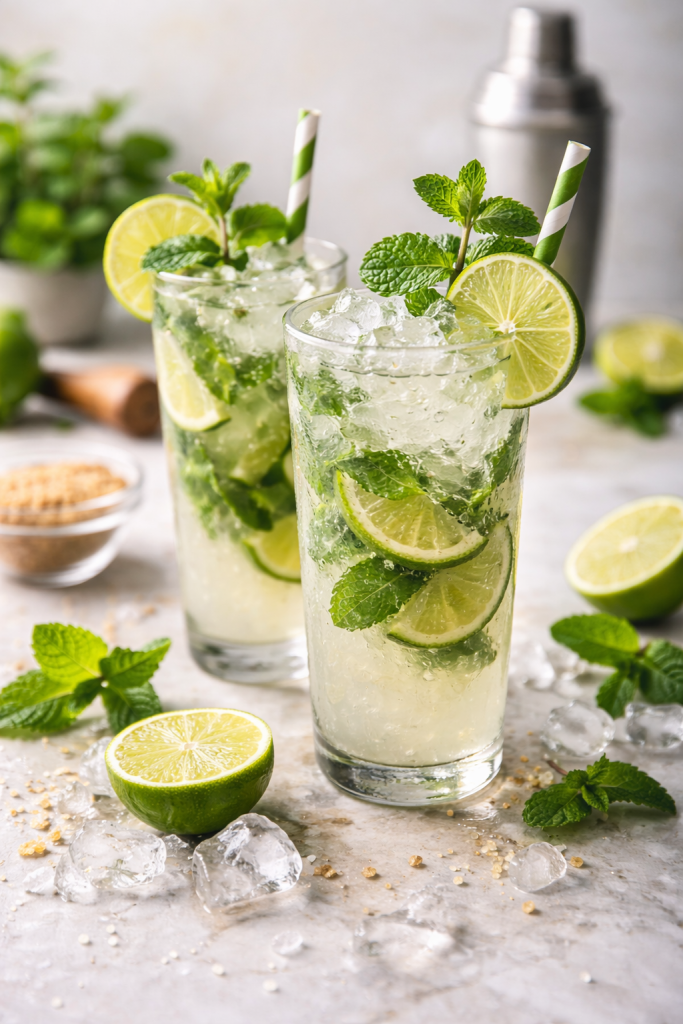
Cocktail:Spiced Thai Basil Smash. Muddle fresh Thai basil with a shot of rum or gin, lime juice, and a touch of simple syrup infused with star anise and cinnamon. The herbal notes and warm spices echo the curry’s flavor profile beautifully.
Non-Alcoholic Drink:Iced Lemongrass Tea. Brew lemongrass with a hint of ginger and a touch of honey. Serve over ice. It’s incredibly refreshing, and the clean, citrusy notes cleanse the palate between bites of the rich curry.
Dietary:
Dairy-Free, Gluten-Free (with verified fish sauce)
Description
This Massaman chicken curry recipe is your guide to making a deeply flavorful, restaurant-quality Thai meal at home. Tender chicken, hearty vegetables, and a creamy, spiced coconut sauce come together in one pot for a dish that is both impressive and surprisingly simple.
Ingredients
For the Curry
4lbs boneless, skinless chicken thighs, cut into 2-inch chunks (about 1.8 kg)
2cans full-fat coconut milk (do not shake the can) (13.5 oz / 400 ml each)
6tbsp Massaman curry paste (Maesri or Mae Ploy recommended)
1.5cups chicken stock, low-sodium preferred
2medium Yukon Gold or red potatoes, peeled and cut into 2-inch chunks
2medium carrots, peeled and cut into 1-inch chunks
8oz brown mushrooms (cremini), halved (or quartered if large) (225g)
1large red bell pepper, seeded and sliced into 1/2-inch strips
4tbsp palm sugar, grated (or light brown sugar)
4tbsp fish sauce
2tbsp tamarind concentrate (or juice of 1 lime)
1star anise (optional)
1/2cup roasted peanuts, roughly chopped, for garnish
Fresh coriander , for garnish (cilantro)
For Serving
Steamed jasmine rice
Instructions
1
Prepare the Coconut Cream: Open the cans of coconut milk without shaking them. Scoop the thick, solid cream from the top of both cans into a large, heavy-bottomed Dutch oven or pot. You should have about 1 cup of cream. Reserve the thinner milk from the bottom of the cans for later.
2
Sear the Chicken: Heat the pot with the coconut cream over medium-high heat. Cook for 2-3 minutes, stirring occasionally, until the cream "cracks"—meaning it separates and you see small pools of clear oil. Working in 2-3 batches to avoid crowding, add the chicken thigh chunks in a single layer. Sear for 3-4 minutes per side until deeply golden brown. This browning is key for flavor. Remove the chicken to a plate and set aside. There should be a good amount of oil left in the pot.
3
Fry the Curry Paste: Reduce the heat to medium. Add the Massaman curry paste and the star anise (if using) to the pot. Fry the paste for 3-5 minutes, stirring constantly. You’ll know it’s ready when it becomes very fragrant and darkens slightly. The oil will begin to separate from the paste.
4
Build the Curry: Return the seared chicken to the pot. Stir to coat the chicken in the fragrant paste. Pour in the reserved thin coconut milk and the chicken stock. Stir well, scraping the bottom of the pot to deglaze and incorporate all those flavorful browned bits.
5
Simmer the Chicken: Bring the mixture to a gentle simmer. Reduce the heat to low, cover, and cook for 20 minutes. This allows the chicken to cook through and infuse the broth with its flavor.
6
Add the Hearty Vegetables: Add the potatoes, carrots, and mushrooms to the pot. Stir, then continue to simmer, uncovered, for 20-25 minutes, or until the potatoes and carrots are almost fork-tender.
7
Season and Finish: Add the palm sugar, fish sauce, and tamarind concentrate (or lime juice). Stir to dissolve the sugar. Add the red bell pepper strips and cook for a final 5-8 minutes, just until the peppers are tender-crisp and vibrant.
8
Rest and Serve: Remove the star anise pod. Let the curry rest off the heat for 5-10 minutes. This allows the flavors to meld beautifully. Serve hot over steamed jasmine rice, garnished generously with roasted peanuts and fresh coriander.
Nutrition Facts
Servings 6
Amount Per Serving
Calories620kcal
% Daily Value *
Total Fat38g59%
Saturated Fat24g120%
Sodium1150mg48%
Total Carbohydrate32g11%
Dietary Fiber5g20%
Sugars14g
Protein42g84%
Iron 4 mg
* Percent Daily Values are based on a 2,000 calorie diet. Your daily value may be higher or lower depending on your calorie needs.
Note
Pro Tip: Searing is Key. Don’t rush the browning of the chicken. The fond (browned bits) on the bottom of the pot is pure flavor. If your pot is too crowded, the chicken will steam instead of sear.
Make-Ahead: This curry tastes even better the next day as the flavors meld. Make it up to 2 days in advance, cool completely, and store in the refrigerator.
Storage: Store leftovers in an airtight container in the refrigerator for up to 4 days. Reheat gently on the stovetop with a splash of water or coconut milk if the sauce has thickened too much.
Freezing: This curry freezes exceptionally well for up to 3 months. Freeze in a freezer-safe container. Thaw overnight in the refrigerator before reheating.
Substitutions:
Chicken: Bone-in, skin-on chicken thighs are also excellent. Sear them skin-side down first. The cooking time may need to increase slightly to ensure they are cooked through.
Palm Sugar: If unavailable, light or dark brown sugar is a reliable substitute.
Tamarind: Lime juice is the best substitute for the tangy element.
Fish Sauce: For a vegetarian version, use a high-quality vegetarian "fish" sauce or a combination of soy sauce and a dash of mushroom soy sauce for depth.
Carrots: Any variety of carrot works; just ensure they are cut into evenly sized chunks for consistent cooking.
Mushrooms: Brown (cremini) mushrooms are ideal for their earthy depth, but white button mushrooms can also be used in a pinch.
Troubleshooting: If the sauce is too thin, remove the chicken and vegetables and let the sauce simmer uncovered on high heat for 5-10 minutes to reduce and thicken. If it’s too salty, add a little more coconut milk or a pinch of sugar to balance it.
Keywords:
Massaman chicken curry, Thai Massaman curry recipe, easy Massaman curry, Massaman curry with chicken, how to make Massaman curry, Thai chicken curry, coconut milk curry, Massaman curry paste recipe, best Massaman curry, chicken thigh curry, Thai food at home, one pot curry, comfort food recipes, curry with potatoes, curry with carrots, Massaman curry mushrooms, Thai red pepper curry, king of curries,
Regional Variations of Massaman
While the core components remain, Massaman curry has beautiful regional variations. In Southern Thailand, near the border with Malaysia, you’ll often find it made with beef or chicken and root vegetables like potatoes and carrots, as in this recipe. In Central Thailand, it’s not uncommon to see roasted duck as the protein, adding a layer of rich, savory flavor. Some versions also include pineapple chunks, which add a surprising and delicious sweet-tart pop that cuts through the richness of the coconut milk. For a more traditional, celebratory dish, braised beef shank is used, simmered for hours until it becomes impossibly tender.
The Global Reign of the "King of Curries"
The title "king of curries" wasn't self-appointed. In 2011, CNN Travel published a much-debated list of the "World's 50 Best Foods," and Massaman curry took the number one spot. The article famously described it as "a creamy, coconutty, sweet and savoury dish that is the king of curries, and perhaps the king of all foods." This declaration introduced Massaman to a global audience and cemented its reputation. Its victory lies in its accessibility—it’s a curry that doesn’t challenge the uninitiated with intense heat but welcomes them with a complex, balanced warmth that feels both exotic and universally comforting.