
This isn’t just another fried chicken recipe. This is your guide to creating the perfect Taiwanese fried chicken breast—a street-food icon known for an impossibly crunchy, craggy crust and a juicy, five-spice-infused interior. We’re ditching the takeout menu and mastering the technique that makes this dish a global sensation. Get ready for a culinary adventure that combines the science of the perfect fry with the deep, savory flavors of Taiwan.
THE HISTORY
The story of Taiwanese fried chicken, or xián sū jī (鹹酥雞), is a relatively modern one, deeply intertwined with the island’s vibrant night market culture. While its roots can be traced back to the Southern American fried chicken introduced during the post-WWII era, Taiwan made it its own. The real explosion of this dish began in the 1980s and 1990s as Taiwan’s economy boomed and street food evolved from simple sustenance into a beloved form of entertainment. For a deeper dive into Taiwan’s street food culture, Taiwanese Street Food offers a fascinating look at the vendors and traditions that shaped this culinary landscape.
Unlike its American cousin, which often uses a buttermilk brine and a flour-based coating, the Taiwanese version is defined by its unique marinade, rich with soy sauce, ginger, garlic, and the star of the show: five-spice powder. This blend of star anise, cloves, Chinese cinnamon, Sichuan peppercorns, and fennel seeds gives the chicken its signature aromatic warmth. The other key differentiator is the coating. Street vendors discovered that using coarse sweet potato starch created a shatteringly crisp, bubbly crust that stays crunchy far longer than standard flour or breadcrumbs. This combination of a deeply savory marinade and a texturally superior crust catapulted Taiwanese fried chicken to the top of the must-eat list at night markets like Shilin and Raohe, where it remains a perennial favorite, often served with a handful of fried basil for an added layer of herbal fragrance.
THE SCIENCE
What makes the crust on this Taiwanese fried chicken breast so spectacularly crunchy? The answer lies in the dynamic duo of sweet potato starch and panko breadcrumbs. Sweet potato starch, unlike cornstarch or all-purpose flour, has a high amylose content. When it hits the hot oil, this starch gelatinizes quickly and then dehydrates, forming a rigid, lattice-like structure that results in a distinctive, bubbly, and exceptionally crisp crust. It’s less prone to absorbing oil, meaning your chicken stays lighter and crispier for longer. Adding panko, which is already baked and dehydrated, introduces additional surface area and a jagged texture that fries up into those irresistible, craggy bits.
The science of marinating is equally crucial. The salt in the soy sauce acts as a brine, denaturing the protein molecules in the chicken breast. This process breaks down the muscle fibers, allowing them to absorb and retain more moisture. The acidic nature of the rice wine also helps tenderize the meat. Furthermore, the oil in the sesame oil and the fat from the chicken act as flavor carriers, binding the aromatic compounds from the ginger, garlic, and five-spice powder to the meat. For a deeper understanding of how brining transforms meat, Serious Eats’ guide to the science of brining provides an excellent scientific breakdown. This multi-layered approach—brining for moisture and flavor, a double-coating for texture, and precise oil-temperature control—is the scientific formula for achieving a perfectly cooked, juicy interior and a crust that delivers an unparalleled auditory and textural experience with every bite. crust that delivers an unparalleled auditory and textural experience with every bite.
GOOD PAIRING FOOD AND DRINK
This Taiwanese fried chicken breast, with its spicy, five-spice crust and fragrant fried basil, deserves a well-curated supporting cast. These pairings are designed to create a complete Taiwanese-inspired feast, balancing textures, temperatures, and flavor profiles.
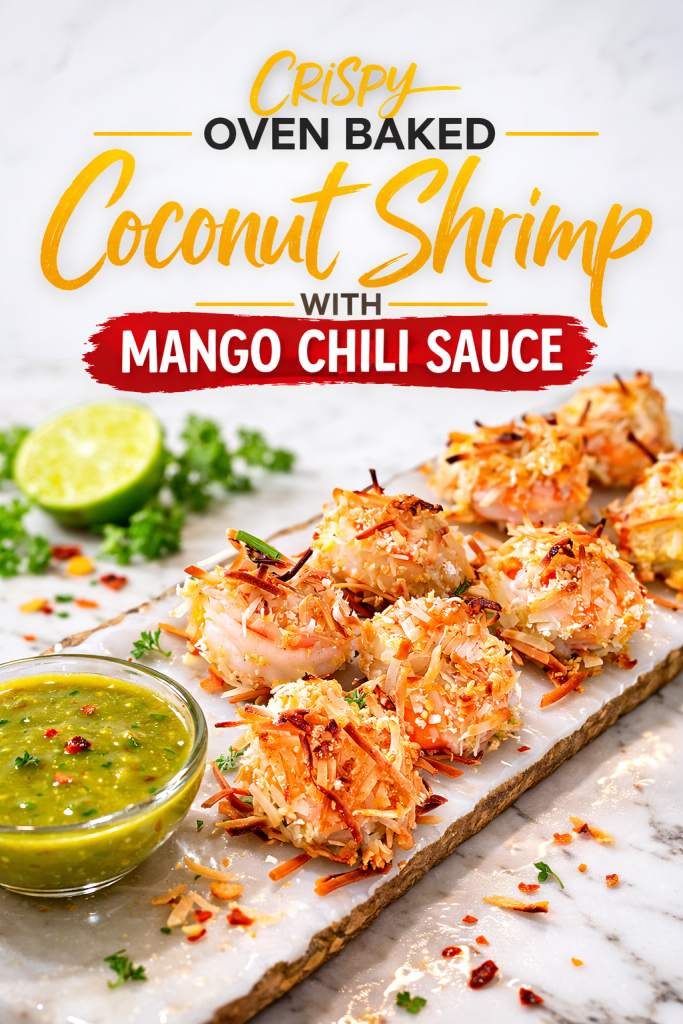
Appetizer: Crispy Oven-Baked Coconut Shrimp with Mango Chili Sauce
Start your meal with a taste of the tropics by serving these Crispy Oven-Baked Coconut Shrimp with Mango Chili Sauce. The sweet, toasty coconut crust and vibrant, tangy mango chili sauce offer a bright, textural contrast to the savory, spicy chicken. The light, crispy shrimp prepare the palate without overwhelming it, making this the ideal opening act.
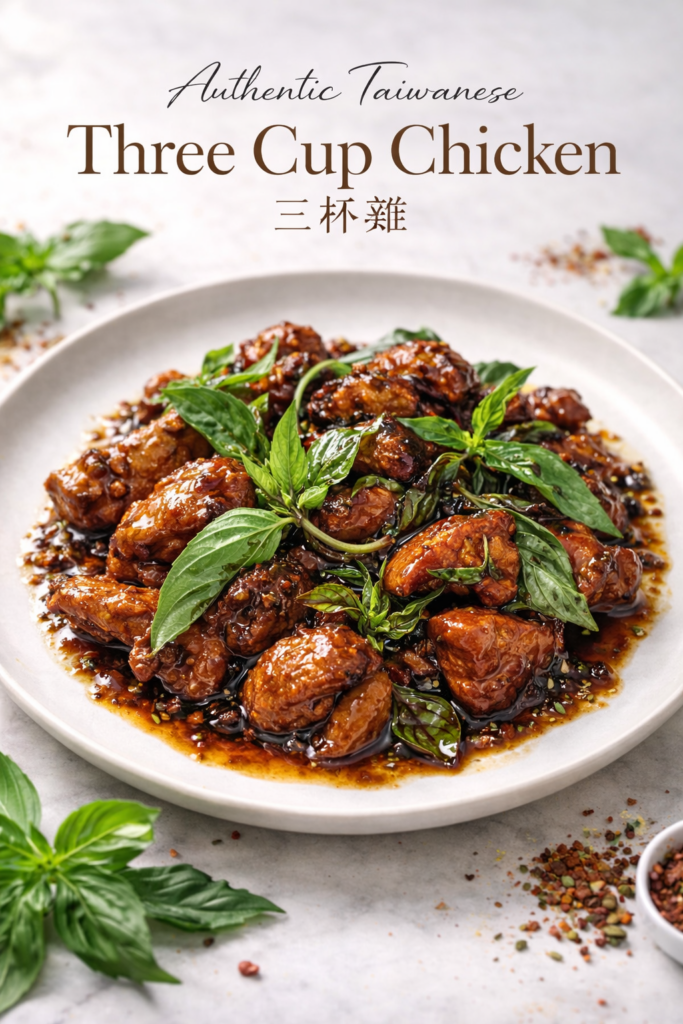
Main Course: Authentic Taiwanese Three Cup Chicken (San Bei Ji)
For a true taste of Taiwan, serve this aromatic chicken alongside your fried cutlet. This recipe for Authentic Taiwanese Three Cup Chicken features a rich, glossy glaze of sesame oil, soy, and rice wine, finished with a dramatic handful of fragrant Thai basil. It shares a similar flavor DNA while offering a completely different texture—tender and braised versus crispy and fried. Together, they form a show-stopping centerpiece for any gathering.
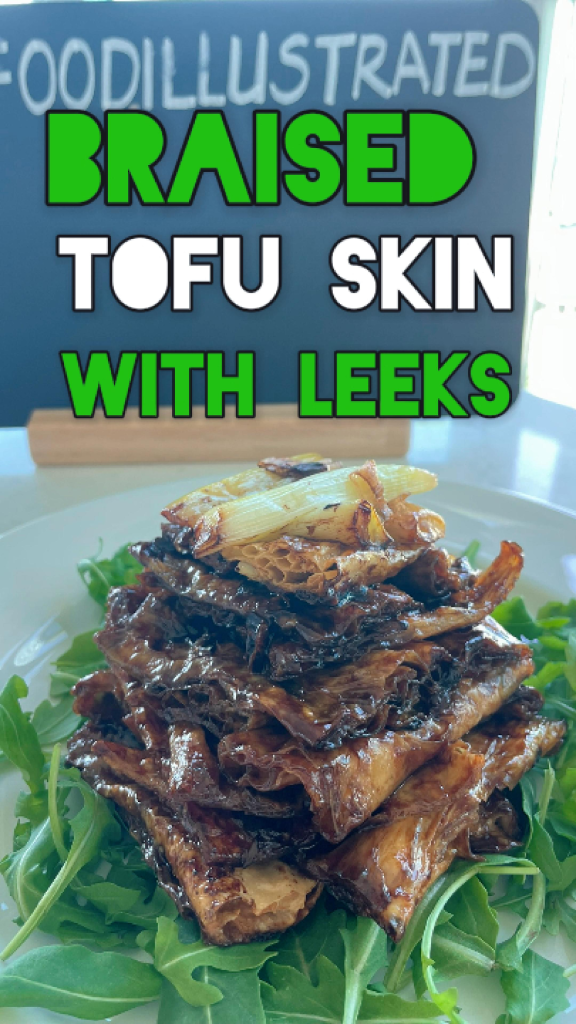
Side Dish: Crispy & Aromatic Braised Tofu Skin with Leeks
This Shandong-inspired dish is the perfect vegetable-forward companion. The chewy, braised tofu skin absorbs a savory-sweet glaze, while the crispy fried leeks add a layer of allium fragrance that beautifully echoes the ginger, garlic, and five-spice notes in the chicken. Find the recipe for Crispy & Aromatic Braised Tofu Skin with Leeks to add a wonderful textural and umami-rich counterpoint to your meal.
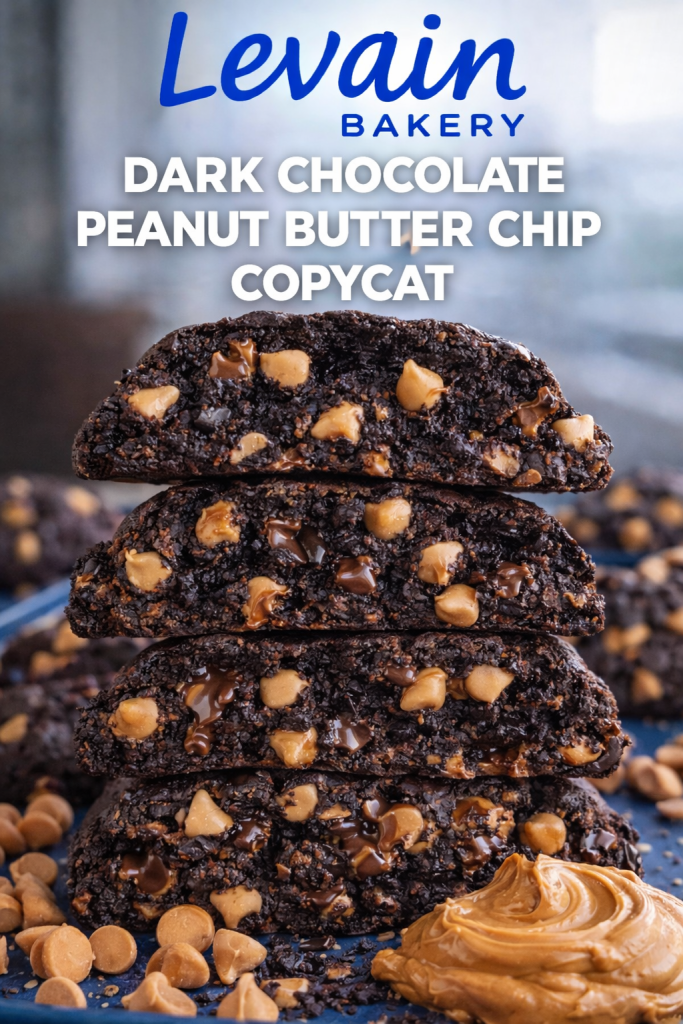
Dessert: Levain Bakery Copycat Cookies (Dark Chocolate Peanut Butter Chip)
End on a rich, indulgent note. These thick, gooey, bakery-style Levain Bakery Copycat Cookies—with their pools of dark chocolate and creamy peanut butter chips—provide a decadent finish that contrasts beautifully with the savory, spicy meal. It’s a comforting, crowd-pleasing finale. For those who enjoy exploring the origins of iconic desserts, the official Levain Bakery website offers a fascinating look at how their legendary cookies became a cultural phenomenon.
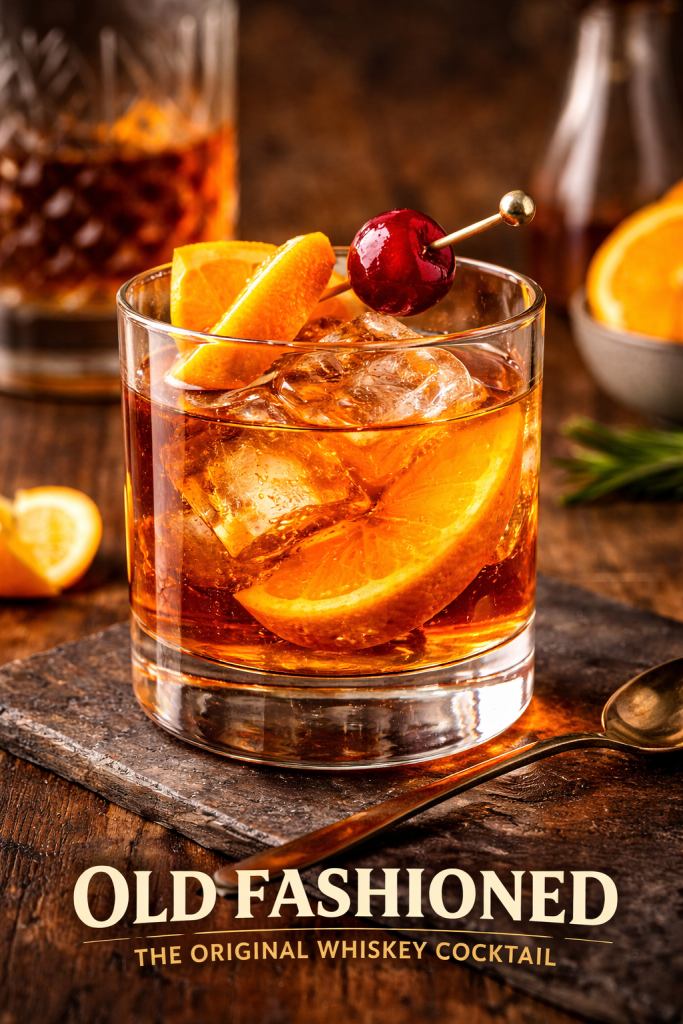
Cocktail: Five-Spice Old Fashioned
Infuse a classic Old Fashioned with a star anise and cinnamon syrup to mirror the five-spice in the chicken. The whiskey’s warmth and the bitters complement the savory spices without overpowering them, creating a sophisticated pairing. If you’re interested in exploring more Taiwanese-inspired cocktails, Taiwanese Cocktails is a wonderful resource dedicated to mixing drinks that celebrate the island’s unique flavors.
Non-Alcoholic Drink: Cold-Brewed Oolong Tea
A tall glass of cold-brewed oolong tea is the ideal palate cleanser. Its slightly toasty, floral notes and astringency cut through the richness of the fried crust, preparing your taste buds for the next perfect bite. For a truly authentic experience, source your tea from specialists like Eco-Cha Teas, who work directly with small-scale farmers in Taiwan.
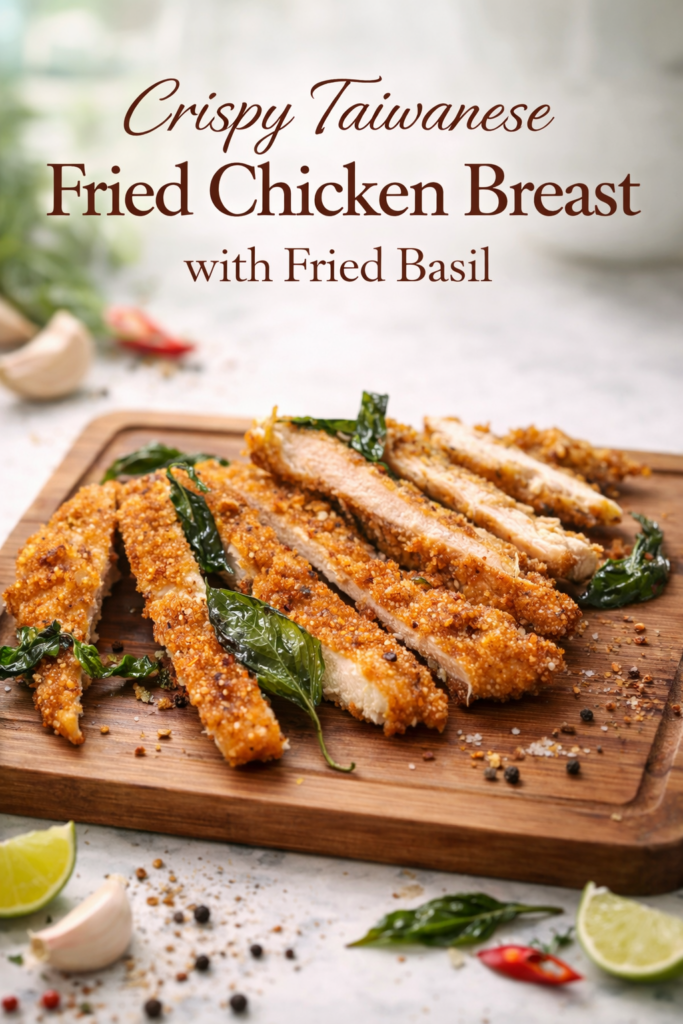
Crispy Taiwanese Fried Chicken Breast with Fried Basil (盐酥鸡): The Ultimate Night Market Recipe
Description
This recipe delivers the iconic Taiwanese night market experience at home: a juicy, five-spice marinated chicken breast encased in an impossibly crunchy, craggy crust. Master the art of the perfect fry with our step-by-step guide and enjoy a taste of Taiwan that's better than takeout.
Ingredients
For the Chicken & Marinade:
For the Coating:
For Frying & Seasoning:
Instructions
-
Prepare the Chicken: Place a chicken breast between two sheets of plastic wrap. Using a meat mallet or rolling pin, gently pound the thicker end to an even ½-inch (1.25 cm) thickness. Repeat with the second breast. This ensures uniform cooking. What not to do: Don't pound so hard that you tear the meat—gentle, even pressure is key.
-
Marinate: In a medium bowl, combine the soy sauce, rice wine, grated ginger, grated garlic, five-spice powder, white pepper, sugar, and sesame oil. Add the pounded chicken breasts, turning to coat evenly. Cover and refrigerate for at least 1 hour, or up to 24 hours for deeper flavor. The longer it sits, the more the flavors penetrate the meat.
-
Set Up Your Breading Station: Place the flour in a shallow bowl. Pour the beaten eggs into a second bowl. In a third bowl, mix the sweet potato starch, panko breadcrumbs, and chili powder until combined. This dual-layer coating is the key to the ultimate crunch.
-
Coat the Chicken: Remove a chicken breast from the marinade, allowing excess to drip off.
-
First, dredge in the flour, shaking off any excess.
-
Next, dip into the beaten egg, ensuring it's fully coated.
-
Finally, press firmly into the sweet potato starch and panko mixture. Pat the coating onto the chicken to create a thick, craggy layer.
-
Place on a baking sheet while you coat the second breast. Let them rest for 10 minutes. This allows the coating to set, which helps it adhere during frying.
-
Heat the Oil: Pour oil into a heavy-bottomed pot to a depth of about 2 inches (5 cm). Heat over medium-high heat until it reaches 340°F (170°C). A thermometer is essential for success. Why this matters: If the oil is too cool, the chicken will absorb oil and become greasy; too hot, and the coating will burn before the inside cooks.
-
Fry the Chicken: Carefully lower one chicken breast into the hot oil, laying it away from you to prevent splashing. Maintain an oil temperature of 335-340°F (168-170°C). Fry for 4-5 minutes per side, or until the crust is deep golden brown and an instant-read thermometer inserted into the thickest part registers 165°F (74°C). Transfer to a wire rack set over a baking sheet. Do not drain on paper towels, as this will trap steam and soften the crust. Repeat with the second breast.
-
Fry the Basil: Once the chicken is out, increase the heat to 375°F (190°C). Carefully add the handful of basil leaves. They will sizzle and crisp up in about 30-45 seconds. Use a slotted spoon to remove them immediately and drain on a paper towel. The oil will now be lightly infused with a herbal aroma.
-
Season and Serve: In a small bowl, combine the salt, five-spice powder, white pepper, and garlic powder. While the chicken is still hot, generously sprinkle the seasoning mix over both sides of each cutlet. Slice the chicken into strips, top with the crispy fried basil, and serve immediately.
Nutrition Facts
Servings 2
- Amount Per Serving
- Calories 650kcal
- % Daily Value *
- Total Fat 32g50%
- Saturated Fat 6g30%
- Sodium 1250mg53%
- Total Carbohydrate 52g18%
- Dietary Fiber 3g12%
- Sugars 4g
- Protein 42g84%
* Percent Daily Values are based on a 2,000 calorie diet. Your daily value may be higher or lower depending on your calorie needs.
Note
- Pro Tip: The 10-minute rest after breading is crucial. It allows the coating to hydrate and adhere to the chicken, preventing it from falling off in the fryer. This is a step many home cooks skip, but it's the difference between a crust that stays on and one that slides off.
- Make-Ahead: You can marinate the chicken up to 24 hours in advance. The breading is best done right before frying for maximum crunch. If you must bread ahead, refrigerate on a baking sheet uncovered for up to 2 hours.
- Storage: Leftovers are best enjoyed immediately. To reheat, place on a wire rack in a 375°F (190°C) oven for 8-10 minutes to re-crisp the crust. Avoid the microwave at all costs—it will turn your perfect crust into a soggy mess.
- Substitutions: If you can't find sweet potato starch, cornstarch can be used, but the crust will be less craggy and crisp. For a gluten-free version, use tamari instead of soy sauce and gluten-free panko. Thai basil is traditional, but regular sweet basil works in a pinch.
- Troubleshooting: If your coating is falling off, you likely didn't rest the breaded chicken long enough, or your oil was not at the correct temperature. If the chicken is greasy, your oil was too cool. Always use a thermometer.
- Ingredient Sourcing: Sweet potato starch is available at most Asian grocery stores or online. Look for the green and white bag from Taiwan for the most authentic results.