
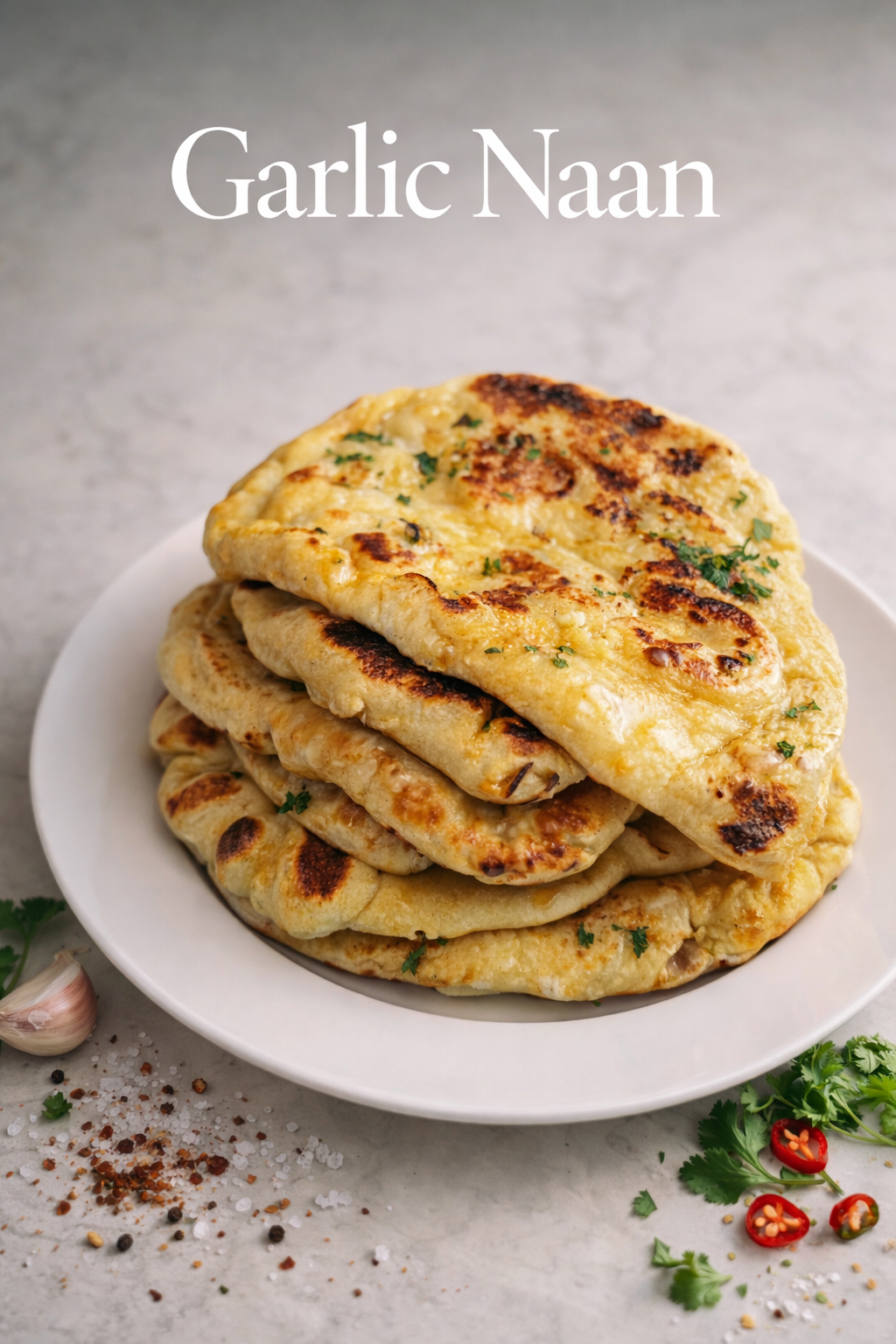
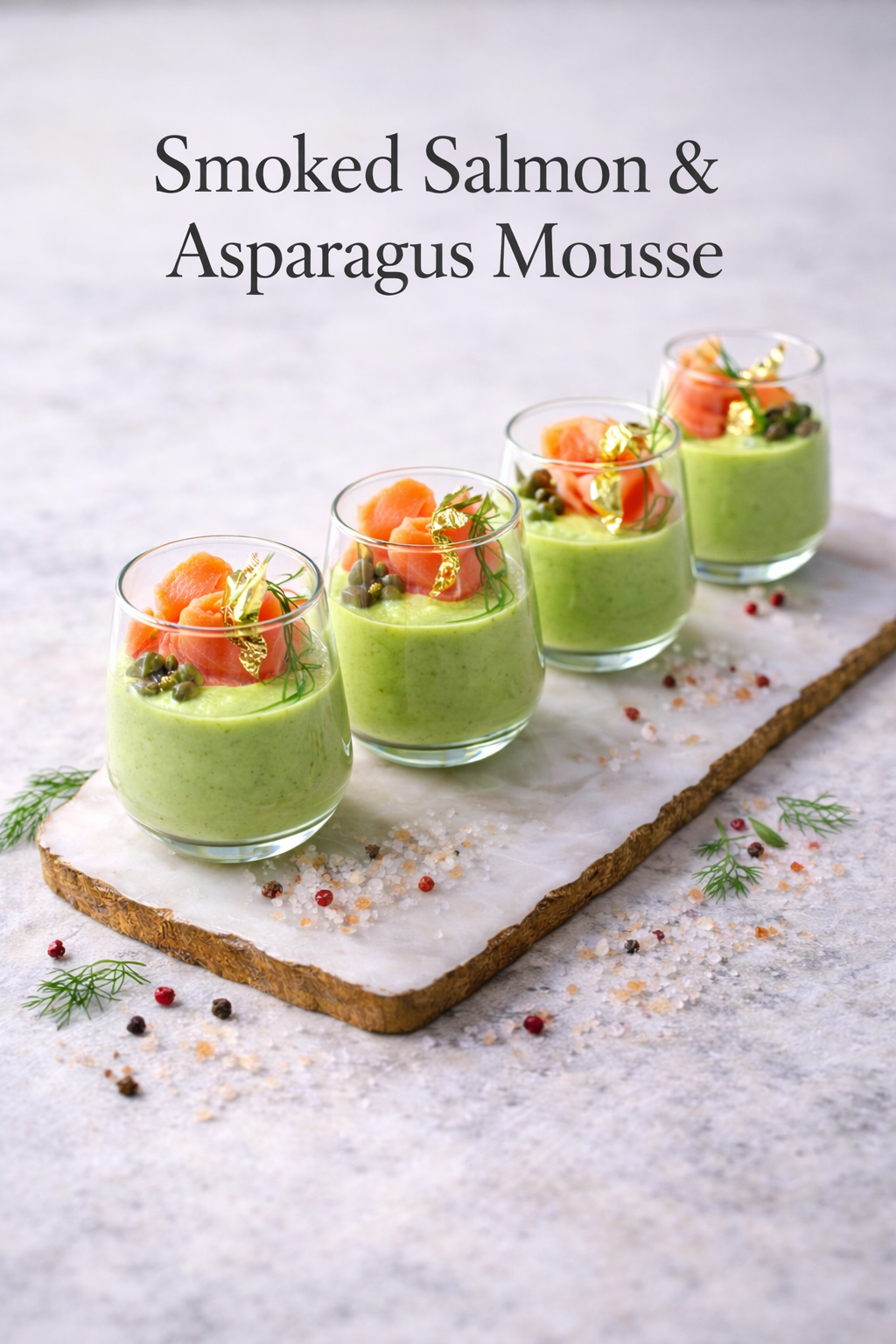
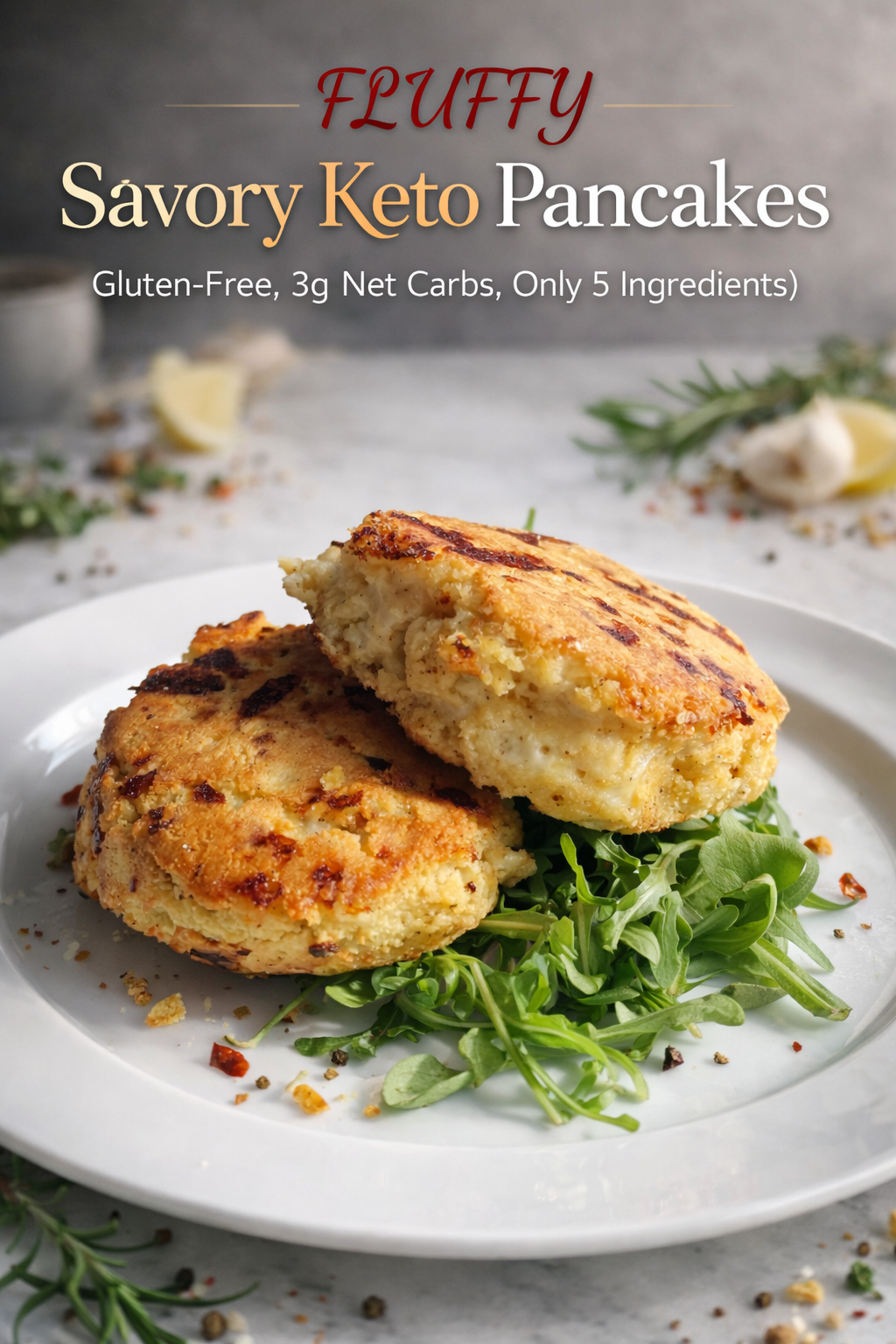
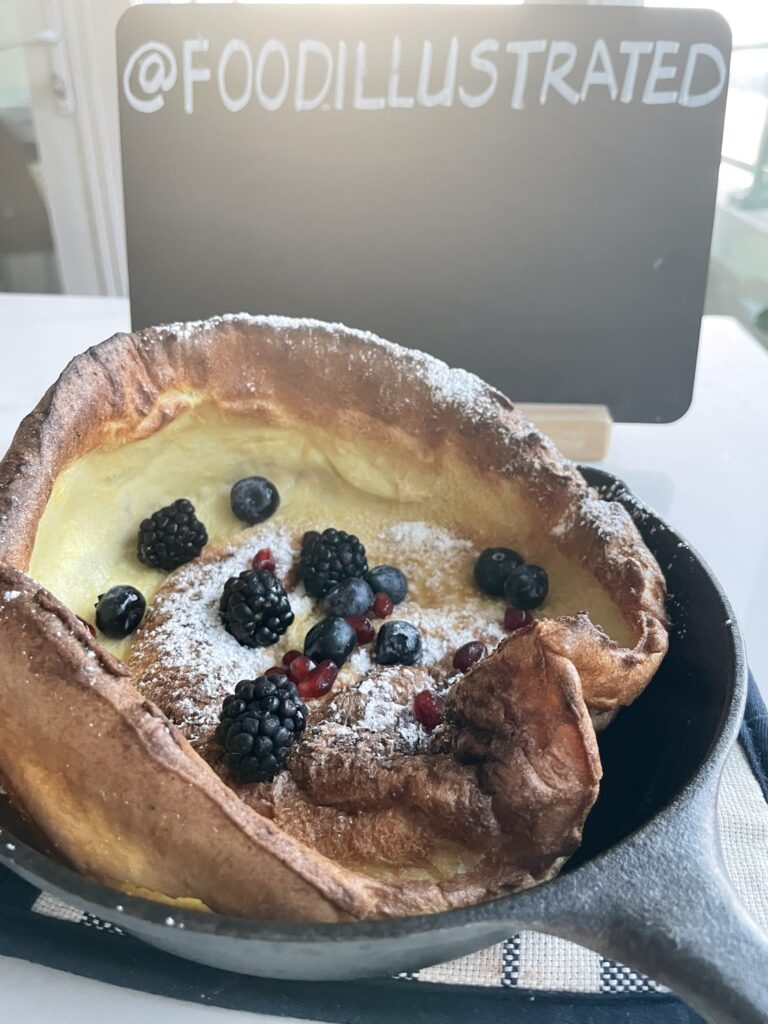
The Dutch Baby Pancake (also called a German Pancake) is the ultimate breakfast magic trick. With just 7 pantry staples, one cast iron skillet, and a hot oven, you create a dramatically puffed, golden-brown pancake with crispy, caramelized edges and a soft, custardy center. It deflates moments after leaving the oven—that’s normal and absolutely beautiful. Born in Seattle in the early 1900s from German Pfannkuchen roots, this American classic serves 2-4 people and disappears in minutes. Top it with powdered sugar, fresh berries, lemon juice, or go savory with herbs and cheese. No flipping. No fuss. Just pure, edible wow factor.
Description
The Dutch Baby Pancake (also called a German Pancake) is the ultimate breakfast magic trick. With just 7 pantry staples, one cast iron skillet, and a hot oven, you create a dramatically puffed, golden-brown pancake with crispy, caramelized edges and a soft, custardy center. It deflates moments after leaving the oven—that's normal and absolutely beautiful. Born in Seattle in the early 1900s from German Pfannkuchen roots, this American classic serves 2-4 people and disappears in minutes. Top it with powdered sugar, fresh berries, lemon juice, or go savory with herbs and cheese. No flipping. No fuss. Just pure, edible wow factor.
Ingredients
For the Pancake Batter:
For the Pan:
For Serving (Choose Your Adventure):
Instructions
PART 1: PREHEAT SKILLET & OVEN (The Most Critical Step)
-
-
Place skillet in cold oven: Put your 10-inch cast iron skillet on the middle rack. Do not preheat it separately on the stovetop.
-
Preheat: Set oven to 425°F (220°C) . Let the oven fully preheat with the skillet inside for 15-20 minutes. The skillet must be screaming hot to create the instant steam that gives you that dramatic puff
-
PART 2: PREPARE THE BATTER (Resting is Key)
-
-
Combine ingredients: While the oven heats, add the eggs, milk, flour, sugar, vanilla, and salt to your blender .
-
Blend: Blitz on high for 30-45 seconds. Stop, scrape down the sides with a spatula, and blend another 10-15 seconds until completely smooth. The batter will be thin—like heavy cream.
-
Rest the batter: Pour the batter into a measuring cup or leave in the blender. Let it rest on the counter for 10-20 minutes. This allows the flour to hydrate and bubbles to settle, creating a more tender crumb
-
PART 3: BAKE – THE MAGIC MOMENT
-
-
Add butter to hot skillet: Once the oven reaches 425°F, carefully remove the skillet using heavy oven mitts. Place it on a heat-safe surface. Immediately add the butter pieces. Swirl the pan as the butter melts, sizzles, and foams. Coat the entire bottom and slightly up the sides.
-
Pour batter: Pour the rested batter directly into the center of the hot, buttery skillet. Do not stir or swirl—let it settle naturally.
-
Bake (DO NOT PEEK!): Return the skillet to the oven. Bake for 18-22 minutes. Do not open the oven door during baking. The cold air will cause the pancake to collapse prematurely . Bake until the edges are dramatically puffed, deep golden brown, and the center is set with no visible raw batter.
-
Serve immediately: Remove from oven. The pancake will begin to deflate immediately—this is 100% normal and expected . Dust generously with powdered sugar right in the skillet. Slice into wedges and serve hot.
-
Nutrition Facts
Servings 4
- Amount Per Serving
- Calories 222kcal
- % Daily Value *
- Total Fat 13g20%
- Saturated Fat 7g35%
- Cholesterol 149mg50%
- Sodium 351mg15%
- Total Carbohydrate 20g7%
- Dietary Fiber 0.4g2%
- Sugars 8g
- Protein 7g15%
* Percent Daily Values are based on a 2,000 calorie diet. Your daily value may be higher or lower depending on your calorie needs.
Note
Room Temperature is Non-Negotiable:
This corrects a common myth. Cold ingredients = flat pancake. Room-temperature eggs and milk hold more air when blended, creating better steam and a higher rise .
Why the Blender?
A blender aerates the batter and guarantees a lump-free texture. If whisking by hand, sift the flour and whisk vigorously for 2 minutes .
The Puff Science:
This pancake contains no baking powder or baking soda. It rises entirely from steam created when the cold(ish) batter hits the blazing-hot skillet. High heat + steam + structure from eggs = magic .
What Size Skillet?
This recipe is calibrated for a 10-inch skillet. An 8-inch skillet will yield a very thick pancake that may be doughy in the center. A 12-inch skillet yields a thinner, crisper pancake. Adjust bake time by 2-3 minutes accordingly .
Make It Your Own:
- Citrus Zest: Add 1 tsp lemon or orange zest to the batter.
- Spiced: Add ½ tsp cinnamon, cardamom, or nutmeg.
- Savory: Omit sugar and vanilla. Add ¼ tsp black pepper and ½ cup grated Gruyère to the batter. Top with fried eggs and chives .
Storage & Reheating:
Dutch babies do not keep well—they deflate and lose crispiness. However, leftovers can be wrapped and refrigerated for 2 days. Reheat in a 350°F oven for 5-7 minutes to restore some crispness