
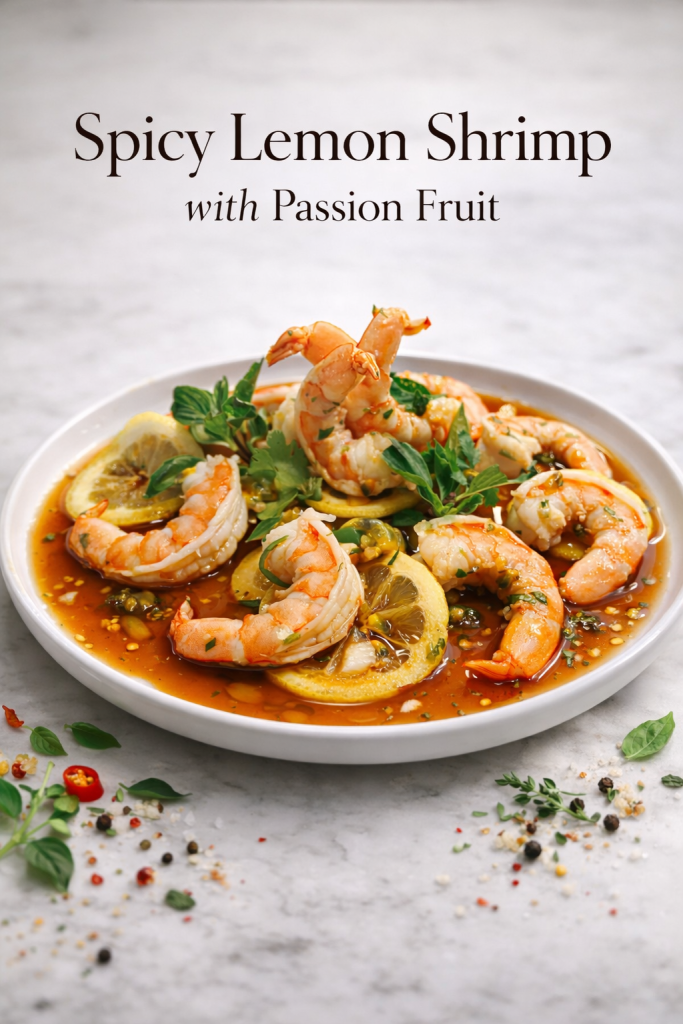
This Spicy Passionfruit Lemon Shrimp is a flavor explosion! Learn the science of citrus-cooked seafood and how to make this vibrant, 20-minute dish.
INTRO
Have you ever taken a bite of something so vibrant and complex that it instantly transported you to a tropical paradise? That’s exactly the experience this Spicy Passionfruit Lemon Shrimp delivers. It’s a dish that dances on the edge of sweet, sour, and spicy, featuring tender, perfectly boiled shrimp that are simply tossed in a dazzling no-cook sauce.
This isn’t just another weeknight shrimp recipe. This Spicy Passionfruit Lemon Shrimp is a culinary adventure designed for when you want something that feels special but requires minimal effort. By boiling the shrimp first and then bathing them in a vibrant sauce, we ensure the seafood stays exceptionally tender while the raw aromatics—ginger, chili, herbs—retain their full, fresh intensity. It’s a symphony of textures and flavors that comes together in the time it takes to boil water. We’ll walk you through why this method works so well, ensuring your shrimp are perfectly cooked and your sauce is balanced every single time.
THE HISTORY
While this specific combination is a modern, fusion creation, its soul is rooted in the global pantry. To understand this dish, we have to look at the traditions of cooking with acid and heat from different corners of the world. The technique of marinating or quickly cooking seafood with citrus is ancient, with Peruvian ceviche dating back nearly 3,000 years according to historical records. There, the fishermen would use the juice of the local tumba fruit (a citrus relative) to “cook” their fresh catch. This tradition spread and evolved throughout Latin America, showcasing the power of ingredients like lemon and lime to transform the texture of raw fish and shellfish.
On the other side of the globe, the flavor profile of this dish pays homage to the vibrant cuisines of Southeast Asia. The use of ingredients like ginger, Thai chili, cilantro, and a fermented shrimp product (like the shrimp soysauce) is a cornerstone of Thai and Vietnamese cooking. The Thai chili, also known as bird’s eye chili, was actually introduced to Asia by Portuguese explorers in the 16th century but has since become synonymous with the region’s signature heat. The balance of salty (fish sauce/shrimp sauce), sour (lemon), sweet (sugar), and spicy (chili) is the hallmark of a perfectly executed Thai dish. Meanwhile, passionfruit, native to South America, was eagerly adopted by Southeast Asian and Pacific Island cultures, where its tartness is often used in sauces and dressings to brighten rich meats and seafood. This recipe is a delicious crossroads, taking the citrus-accented seafood concept from the Americas and infusing it with the aromatic heat and umami of the East.
THE SCIENCE
What makes this dish so much more than just “shrimp with fruit”? It’s the fascinating interplay of textures and temperatures.
First, let’s talk about the decision to boil the shrimp. Boiling is a gentle, moist-heat cooking method that cooks the shrimp evenly without the high heat of a sear. When shrimp are dropped into boiling water, the heat rapidly denatures the proteins, causing them to unwind and bond, turning the flesh opaque and firm. However, because water conducts heat more efficiently than air, and we immediately stop the cooking process with an ice bath, we achieve a supremely tender, snappy texture that’s difficult to overcook. This method is foolproof for ensuring your shrimp are juicy every time.
Then, there’s the magic of the raw sauce. By not cooking the sauce ingredients, we preserve the volatile aromatic compounds in the ginger, garlic, and Thai chili that would otherwise be diminished by heat. The sugar dissolves into the acidic lemon juice and passionfruit, creating a quick gastrique-like effect without caramelization. When you pour this vibrant, raw sauce over the warm shrimp, something beautiful happens: the residual heat of the shrimp gently warms the sauce, allowing the fruity esters of the passionfruit to bloom while the fresh, punchy flavors of the herbs and chili remain at the forefront. This contrast between the tender, warm shrimp and the bright, raw sauce creates a dynamic eating experience where each element tastes its absolute best.
GOOD PAIRING FOOD AND DRINK
This dish is a star, and it deserves a supporting cast that can keep up with its bold flavors.
- One Appetizer: Crispy Coconut Rice Cakes with Avocado. The creamy, cool avocado and the subtle sweetness of the coconut in the crisp rice cakes are the perfect foil to the spicy, tangy shrimp. They provide a textural contrast and a mild flavor that won’t overpower the main event.
- One Main Course: This is the main course! Serve it as is.
- One Side Dish: Jasmine Rice or Coconut Rice. A bed of fluffy jasmine rice is essential for soaking up every last drop of the incredible passionfruit sauce. For an even more decadent pairing, cook the rice with a can of coconut milk and a pinch of salt—the richness will beautifully complement the dish’s acidity.
- One Dessert: Mango with Sticky Rice. Stay in the Southeast Asian theme with this classic. The sweet, milky coconut rice and ripe mango provide a gentle, comforting sweetness that cleanses the palate after the spicy shrimp.
- One Cocktail and One Non-Alcoholic Drink:
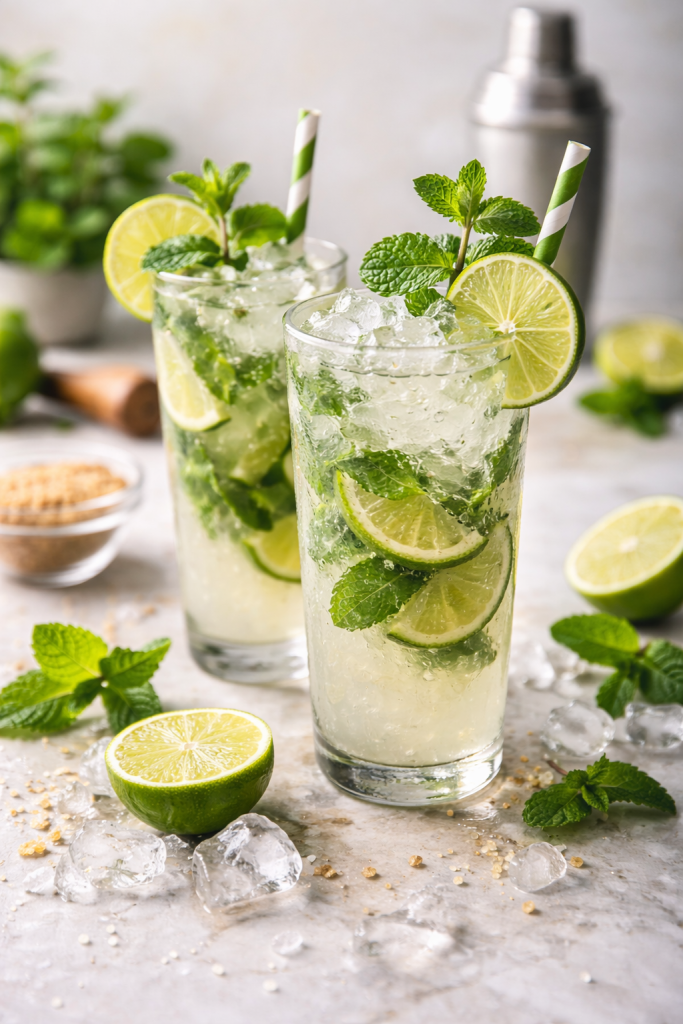
- Cocktail: Passionfruit Mojito. Muddle fresh mint, lime wedges, and a teaspoon of sugar. Add white rum, a generous pour of fresh passionfruit pulp, and a splash of soda water. The mint and lime echo the herbs and citrus in the dish, while the passionfruit creates a harmonious flavor bridge.
- Non-Alcoholic Drink: Sparkling Lemongrass & Ginger Cooler. Muddle a lemongrass stalk and a few slices of ginger in a glass. Fill with ice, top with sparkling water, and sweeten with a touch of honey or simple syrup. The aromatic, spicy notes in the drink mirror the ginger and chili in the shrimp for a perfectly balanced pairing.
Description
This recipe for Spicy Passionfruit Lemon Shrimp is your ticket to a bold and beautiful dinner in under 20 minutes. We'll show you how to create a perfectly balanced sweet, sour, and spicy sauce that coats tender shrimp beautifully. Get ready for a new weeknight favorite!
Ingredients
For the Shrimp & Marinade:
For the Sauce:
For Finishing & Garnish:
Instructions
-
Prepare the Ice Bath: Fill a large bowl with cold water and plenty of ice. Set it aside near your stove. This is the most critical step for stopping the cooking process and ensuring tender shrimp.
-
Boil the Shrimp: Bring a large pot of water to a rolling boil. Add 1 tablespoon of salt (this seasons the shrimp internally, just like pasta). Carefully add the peeled and deveined shrimp to the boiling water.
-
Cook Until Just Done: Stir gently. Cook for 1 ½ to 2½ minutes, depending on the size of your shrimp. You'll know they're ready when they turn from translucent gray to an opaque pink and white, and they just begin to curl into a loose 'C' shape. Do not overcook. A good visual cue is when the shrimp just start to float to the surface.
-
Shock in Ice Bath: Immediately drain the shrimp in a colander and then plunge them directly into the prepared ice bath. This shocking technique halts the carryover cooking instantly, locking in that snappy, tender texture. Let them sit in the ice water for at least 5 minutes.
-
Make the Raw Sauce: While the shrimp chill, make the sauce. In a medium mixing bowl, whisk together the passionfruit pulp, lemon juice, shrimp soysauce, rice vinegar, sugar, grated ginger, sliced Thai chili, and minced garlic. Stir until the sugar is fully dissolved. This is where the science of fresh aromatics comes into play—by not cooking this sauce, we preserve all the bright, punchy flavors .
-
Drain and Toss: Once the shrimp are fully chilled, drain them well and pat them completely dry with paper towels. (Removing excess water ensures the sauce clings to the shrimp instead of becoming watery). Add the shrimp to the bowl with the sauce and toss gently to coat.
-
Garnish and Serve: Add the torn basil, chopped cilantro, and most of the green onions. Toss again gently. Taste and adjust seasoning with a pinch of salt or a squeeze of fresh lime if needed. Serve immediately, with extra lime wedges on the side.
Nutrition Facts
- Amount Per Serving
- Calories 280kcal
- % Daily Value *
- Total Fat 3g5%
- Saturated Fat 0.5g3%
- Sodium 950mg40%
- Total Carbohydrate 18g6%
- Dietary Fiber 2g8%
- Sugars 12g
- Protein 38g76%
* Percent Daily Values are based on a 2,000 calorie diet. Your daily value may be higher or lower depending on your calorie needs.
Note
- Pro Tip on Boiling: Do not walk away! Shrimp cook in seconds. Watch for the 'C' shape—if they curl into a tight 'O', they are likely overcooked and will be rubbery.
- Drying is Key: After the ice bath, thoroughly pat the shrimp dry. Any leftover water will dilute the sauce and prevent it from coating the shrimp properly.
- Ingredient Sourcing: Fresh passionfruit is best for its fragrant pulp and crunchy seeds. When selecting, look for fruits with wrinkled skin, which indicates peak sweetness. If you can't find it, you can substitute with high-quality frozen passionfruit pulp (found in Latin or international markets), or use a good passionfruit nectar, but be aware it may be sweeter. Reduce the added sugar slightly if using nectar.
- Shrimp Soysauce: This ingredient is a fermented seasoning sauce that is thicker and more pungent than regular soy sauce. It adds incredible depth. For those with dietary restrictions, it's worth noting that shrimp sauce contains low levels of FODMAPs in typical serving sizes, making it suitable for many with IBS. If you can't find it, use 2 teaspoons of regular soy sauce plus 1 teaspoon of fish sauce for a similar umami punch.
- Handling Thai Chilies: These small peppers pack significant heat, ranging from 50,000 to 100,000 Scoville Heat Units—about 15 times hotter than a jalapeño. Wear gloves when slicing them, and wash your hands thoroughly afterward to avoid irritation.
- Make it a Meal Prep: You can boil the shrimp up to 24 hours in advance and keep them in the fridge. You can also mix the sauce (without the herbs) ahead of time. Toss everything together with fresh herbs just before serving.