
Introduction
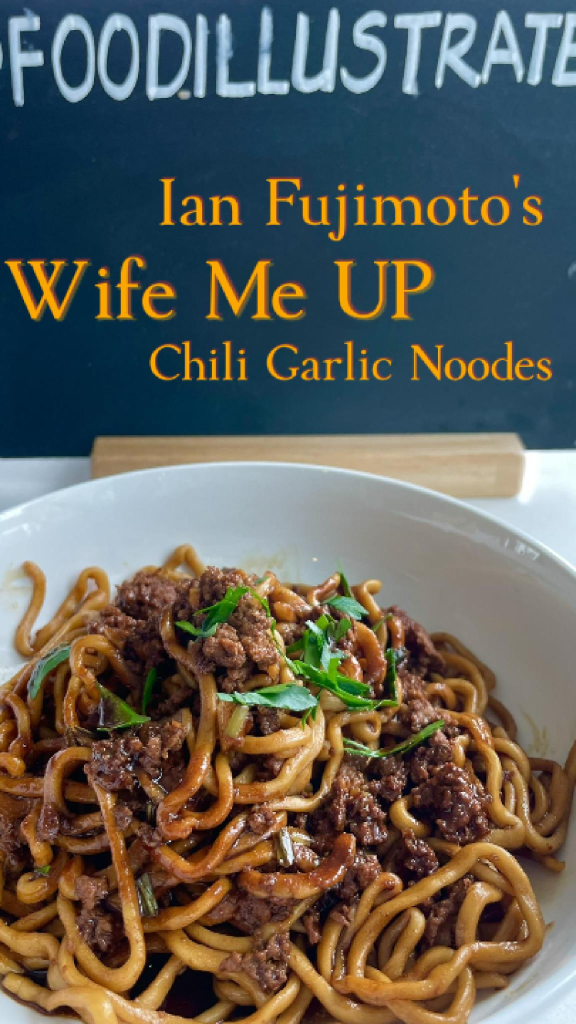
Have you scrolled through TikTok or Instagram lately and found yourself hypnotized by a bowl of glistening, crimson-coated noodles, the comments section flooded with marriage proposals? You’re not alone. The internet has spoken, and its name is Ian Fujimoto’s “Wife Me Up” noodles.
These aren’t just noodles—they’re a full-blown phenomenon. With over 7.7 million views on TikTok alone, this recipe has captured the hearts (and stomachs) of home cooks everywhere . And after one bite, you’ll understand why. The wife me up noodles deliver that perfect trifecta of savory, spicy, and tangy, all wrapped around tender noodles with a hint of sweetness that keeps you coming back for “just one more forkful.”
In this post, I’m breaking down exactly how to recreate this viral sensation in your own kitchen. We’ll explore the rich traditions behind the dish, the science that makes that chili oil sing, and every single step to noodle perfection. Whether you’re cooking for a date you want to impress or just treating yourself to the best 20-minute dinner of your life, this recipe delivers.
The History: From Sichuan Tradition to TikTok Fame
While Ian Fujimoto’s viral creation feels thoroughly modern, its roots run deep in Chinese culinary tradition—specifically the chili oil obsession of Sichuan province.
The Northern Noodle Heartland
To understand these noodles, we first have to understand China’s profound noodle culture. While southern China traditionally favored rice, the northern provinces—Shaanxi, Shanxi, Gansu, and Xinjiang—have been making wheat-based noodles for over 2,000 years . Here, noodles aren’t just food; they’re an art form. Chefs stretch dough into impossibly thin strands, shave noodles directly into boiling water, and slap wide belts of dough against countertops (the famous “biang biang” noodles named for the sound they make) .
This northern tradition eventually spread across China and beyond, carried by migrants, traders, and cultural exchange. The Cantonese-style chow mein that became famous in the West was just one small branch of this vast culinary tree .
The Chili Oil Revolution
The soul of these noodles—that gorgeous, fragrant chili oil—hails primarily from Sichuan province. Sichuan cuisine is legendary for its complex use of chili peppers, Sichuan peppercorns, and aromatic spices. The technique of infusing hot oil with chili flakes and other aromatics dates back centuries, creating what the Chinese call “hóng yóu” (red oil).
This isn’t just about heat. Proper chili oil is a symphony of flavor: toasty, nutty, deeply aromatic, with a slow-building warmth rather than a harsh burn. It’s the foundation upon which countless Sichuan dishes are built .
The Viral Moment
Enter Ian Fujimoto, a content creator who understood something fundamental about modern food culture: we crave food that feels both special and accessible. His “Wife Me Up” noodles—named playfully for their proposal-worthy deliciousness—took the internet by storm in late 2024 . The recipe struck a perfect chord: familiar enough to feel comforting, bold enough to feel exciting, and simple enough that anyone could make it on a Tuesday night.
What Ian created wasn’t entirely new—it drew on generations of Chinese noodle tradition—but his specific combination of ingredients and his magnetic presentation introduced millions of home cooks to the magic of chili garlic noodles. And that’s the beautiful thing about food: it’s always evolving, always being reinterpreted, always finding new ways to bring people together.
The Science: What Makes These Noodles Irresistible
Behind that gorgeous bowl of noodles lies some fascinating kitchen science. Understanding what’s happening chemically will make you a better cook and help you nail this recipe every single time.
The Chili Oil Extraction
When you gently heat neutral oil with chili flakes, you’re performing a controlled extraction of fat-soluble compounds. Chili peppers contain capsaicinoids—the molecules responsible for heat—which are highly soluble in oil . But you’re also extracting volatile aroma compounds that give chili its distinctive fragrance.
The temperature matters enormously. Recent research shows that optimal chili oil quality—with moderate spiciness, robust flavor, and vivid red color—occurs when oil is heated between 140°C and 160°C (284°F to 320°F) . Too low, and you won’t fully extract the capsaicinoids and aromatics. Too high, and you’ll degrade those precious compounds while also burning the delicate chili flakes, creating bitterness rather than complexity .
This is why we use low heat and frequent stirring. We’re aiming for that sweet spot where the oil turns a deep, gorgeous red and fills your kitchen with intoxicating fragrance—without even a hint of burning.
The Maillard Magic with Pork
When you cook the ground pork until it’s “slightly crispy,” you’re triggering the Maillard reaction—that beautiful browning that creates hundreds of new flavor compounds. As the meat browns, amino acids and reducing sugars rearrange themselves into molecules that taste nutty, toasty, savory, and utterly delicious.
This browning doesn’t just make the pork taste better. Those browned bits stuck to the pan—the French call it “fond”—are pure flavor gold. When you add the soy sauce, black vinegar, and sugar, they deglaze the pan, incorporating all that concentrated meaty goodness into your sauce.
The Vinegar’s Double Role
Chinese black vinegar deserves special attention. Made from fermented rice and sometimes wheat, it has a complex, slightly smoky, almost malty flavor that white vinegar can’t touch. Its acidity serves two crucial purposes.
First, it balances the richness of the chili oil and pork, providing brightness that keeps the dish from feeling heavy. Second, the acid interacts with your taste buds in a way that actually enhances your perception of other flavors. A splash of vinegar makes the whole dish taste more vibrant, more complex, more alive.
The Starchy Water Secret
That reserved pasta water isn’t just a handy trick—it’s a science-backed technique. The starch from the noodles, suspended in the cooking water, acts as an emulsifier. When you add it to the sauce, it helps bind the oil and water-based ingredients (soy sauce, vinegar) into a cohesive, glossy coating that clings to every strand of noodle rather than pooling greasily at the bottom of the bowl .
This is professional chef wisdom: starchy pasta water is liquid gold. Don’t pour it down the drain!
Good Pairing Food and Drink
These noodles are a complete meal on their own, but if you’re building a feast, here are perfect companions that complement and contrast with their bold flavors.
- Appetizer: Crispy Spring Rolls with Sweet Chili Dip. The crunchy, golden exterior of spring rolls provides textural contrast to the soft, slurpy noodles. A sweet chili dipping sauce echoes the chili notes in the noodles while adding a touch of sweetness that cools the heat. The contrast between hot, crispy rolls and the savory noodles is pure satisfaction.
- Main Course: This is the main course! But if you’re serving a larger spread, consider pairing with Stir-Fried Bok Choy with Garlic. The mild, slightly sweet greens offer a gentle counterpoint to the spicy noodles, while the garlic keeps everything cohesive. It’s simple, fast, and adds a vegetable element without competing.
- Side Dish: Chinese Cucumber Salad (Pai Huang Gua). Lightly smashed cucumbers tossed with rice vinegar, sesame oil, garlic, and a touch of sugar. The cool, refreshing crunch acts as a palate cleanser between bites of rich, spicy noodles. The vinegar in both dishes creates a lovely through-line, while the cucumbers’ freshness provides relief from the heat.
- Dessert: Mango Sticky Rice. If you want to lean into the Asian-inspired theme, this Thai classic is a showstopper. The sweet, creamy coconut rice and juicy mango provide a completely different texture and flavor profile—sweet instead of savory, cool instead of hot—that feels like a luxurious reset after spicy noodles.
- Cocktail: Yuzu Highball. Combine Japanese whisky (or your favorite highball whisky) with yuzu citrus soda and a twist of lemon. The bright, aromatic citrus cuts through the richness of the pork and oil, while the bubbles cleanse your palate. Yuzu’s unique floral-citrus notes harmonize beautifully with the dish’s Asian flavor profile.
- Non-Alcoholic Drink: Iced Jasmine Green Tea with Honey. Brew jasmine green tea, chill it, and sweeten lightly with honey. The floral, slightly grassy notes of jasmine tea provide a refreshing contrast to the spicy, savory noodles. Serve over ice with a lemon wedge. It’s hydrating, palate-cleansing, and sophisticated.
Description
Recreate the viral sensation at home with these wife me up noodles from Ian Fujimoto. Homemade chili oil infuses tender noodles with deep, complex heat, while savory ground pork, aromatic garlic and ginger, and tangy Chinese black vinegar create layers of flavor that will have everyone asking for seconds. Ready in just 20 minutes, it's the perfect weeknight dinner that tastes like a specialty restaurant dish.
Ingredients
For the Chili Oil:
For the Noodles & Aromatics:
For the Sauce:
For Garnish:
Instructions
-
Make the chili oil. In a small saucepan, combine the ¼ cup neutral oil and 3 tablespoons of chili flakes. Heat over low heat for 3-4 minutes, stirring frequently. You'll know it's ready when the oil turns a deep, vibrant red and fills your kitchen with a fragrant, toasty aroma. Crucial: Do not let the chili flakes burn—they'll turn bitter and ruin the dish. Remove from heat and set aside .
-
Cook the noodles. While the oil infuses, bring a large pot of salted water to a boil. Cook your noodles according to package instructions until al dente. Pro Tip: Before draining, reserve about ¼ cup of the starchy noodle water. This liquid gold will help emulsify your sauce later. Drain noodles and set aside.
-
Cook the aromatics. Heat 1 tablespoon of your freshly made chili oil in a large wok or skillet over medium-high heat. Add the white parts of the green onions, minced garlic, and ginger. Sauté for 60 seconds until fragrant—your kitchen should smell incredible right about now.
-
Brown the ground turkey. Add the ground turkey to the wok. Important: Let it sit undisturbed for 60-90 seconds to develop a golden-brown crust on one side before breaking it apart. Then use a spatula to break it into small pieces. Continue cooking until the turkey is no longer pink and has some crispy, browned edges, about 4-5 minutes total . Don't overcook or it will dry out.
-
Build the sauce. To the wok, add the soy sauce, black vinegar, and sugar. Stir and let it bubble together for about 30 seconds, scraping up any browned bits from the bottom of the pan. Those bits are pure flavor.
-
Combine everything. Add the drained noodles to the wok. Pour the entire remaining batch of chili oil over the noodles (yes, all of it—this is where the magic happens). Using tongs, toss vigorously for 1-2 minutes until every strand is glossy, sticky, and perfectly coated .
-
Texture check: If the sauce seems too thick or isn't coating evenly, add a splash of the reserved noodle water—1 tablespoon at a time—and toss. The starchy water will help the sauce cling beautifully.
-
Serve immediately. Remove from heat. Pile the noodles into bowls and garnish generously with the green onion tops and a heavy sprinkle of toasted sesame seeds. Serve hot and watch them disappear.
Nutrition Facts
Servings 2
- Amount Per Serving
- Calories 540kcal
- % Daily Value *
- Total Fat 24g37%
- Saturated Fat 3.5g18%
- Sodium 1080mg45%
- Total Carbohydrate 52g18%
- Dietary Fiber 4g16%
- Sugars 7g
- Protein 28g57%
* Percent Daily Values are based on a 2,000 calorie diet. Your daily value may be higher or lower depending on your calorie needs.
Note
- Pro-Tip for Perfect Chili Oil: Use low heat and be patient. If your chili flakes start smoking or turning dark brown, you've gone too far. The ideal temperature range is 140-160°C (284-320°F) for optimal flavor extraction without burning . When in doubt, err on the side of lower heat.
- Pro-Tip for Juicy Ground Turkey: Lean turkey can dry out quickly. Don't overcook it! Cook just until no longer pink and lightly browned, about 4-5 minutes total. The residual heat from tossing with noodles will finish cooking it gently. Using 93/7 (93% lean, 7% fat) provides enough fat for flavor and moisture without being greasy.
- Make-Ahead Instructions: You can prepare the chili oil up to 1 week in advance and store it in an airtight container in the refrigerator. The aromatics (garlic, ginger, scallions) can be prepped a day ahead. Cook the noodles fresh for best results.
- Storage Guidelines: Store leftover noodles in an airtight container in the refrigerator for up to 3 days . The noodles will absorb some sauce overnight, becoming even more flavorful but slightly softer in texture.
- Reheating: Reheat in a skillet over medium heat with a splash of water or broth to loosen the sauce. Stir until heated through, about 2-3 minutes. The water helps rehydrate the turkey and prevents it from drying out further.
- Freezing: I don't recommend freezing the assembled noodles, as the texture will suffer . However, you can freeze the cooked ground turkey separately for up to 2 months and make fresh noodles when ready to serve.
- Substitutions:
- Noodles: Use whatever you have! Ramen, lo mein, udon, spaghetti, or even rice noodles all work beautifully .
- Protein: Ground chicken, pork, beef, or crumbled firm tofu all work well . For a vegetarian version, omit meat and add mushrooms.
- Chinese black vinegar: Mix 1 tablespoon rice vinegar with ½ teaspoon balsamic vinegar. The balsamic adds that slightly smoky, complex note that approximates black vinegar .
- Soy sauce: Use tamari or coconut aminos for a gluten-free version .
- Chili flakes: Adjust to your heat tolerance. Start with 2 tablespoons if you're sensitive, or increase to 4 if you want serious fire.
- Sweetener: Honey or maple syrup work beautifully in place of sugar.
- Troubleshooting:
- "My chili oil tastes bitter!" You likely burned the chili flakes. Next time, use lower heat and stir constantly. Remove from heat the moment the oil turns red and fragrant.
- "My noodles are dry and clumpy." Add reserved noodle water, 1 tablespoon at a time, while tossing vigorously. The starch will help re-emulsify the sauce.
- "My ground turkey is dry and tough." You likely overcooked it or used extra-lean (99%) turkey. Next time, use 93/7 and cook just until done. The residual heat from tossing will finish cooking it.
- "My dish isn't tangy enough." Add another ½ teaspoon of black vinegar at the end. The brightness should be present but not overwhelming.
- "My garlic burned!" Garlic cooks quickly. If your pan is too hot, the garlic will go from fragrant to bitter in seconds. Keep the heat at medium and add garlic just 60 seconds before adding the turkey.
- Ingredient Sourcing: Look for Chinese black vinegar (Chinkiang vinegar) at Asian grocery stores or online. It's worth seeking out for its unique smoky complexity. For ground turkey, 93/7 lean-to-fat ratio provides the best balance of flavor and health.