
It’s 5:45 PM. You’re tired, hungry, and the temptation to order takeout is real. But then you remember the chicken thighs in the fridge and that bottle of soy sauce in the pantry. What if you could have a dinner that’s faster than delivery, cheaper than takeout, and tastes incredibly fresh?
Welcome to your new weeknight hero: a 20-minute sticky teriyaki chicken that doesn’t compromise on flavor. By leveraging high heat, prepped aromatics, and a sauce that reduces in minutes, we can get a restaurant-quality meal on the table before you’d even get your credit card out for delivery. This isn’t just fast food; it’s fast, real food.
Why This 20-Minute Version Works
The secret to cooking dinner in under 20 minutes isn’t magic—it’s a smart strategy. We rely on three key principles used by chefs to get meals on the table quickly: high heat for fast searing , concentrated seasonings for instant flavor , and a one-pan workflow for zero waste . By grating the garlic and ginger ahead of time and having your sauce pre-mixed, the active cooking time is cut down to the bare minimum. We’re not just racing the clock; we’re working smarter to build deep, savory flavor in a fraction of the time.
The History of Teriyaki: More Than Just a Sauce
To truly appreciate sticky teriyaki chicken, it helps to understand where “teriyaki” actually comes from. Contrary to popular belief, teriyaki is not a specific dish in Japan, but rather a cooking technique. The word itself is a beautiful combination of two Japanese terms: teri (照り), meaning “luster” or “shine,” and yaki (焼き), meaning “to grill or pan-fry.”
Historically, Japanese chefs would apply this method to fish. They would grill fatty fish like yellowtail, salmon, or mackerel over an open flame, basting it with a simple mixture of soy sauce, mirin (a sweet rice wine), and sugar. The sugar would caramelize under the heat, creating that signature “teri”—a glossy, lacquered finish that was as beautiful to look at as it was delicious to eat. The goal was never to drown the protein in sauce, but to enhance its natural flavors with a delicate, savory-sweet coating.
The dish began its transformation into the Western world’s favorite takeout item in the mid-20th century. As Japanese immigrants settled in Hawaii and the mainland United States, they adapted their cuisine to local tastes and ingredients. Heartier, more readily available proteins like chicken and beef replaced the traditional fish. The sauce evolved too, becoming thicker, sweeter, and more robust to suit the American palate. This adaptation gave birth to the “teriyaki chicken” we know today—a dish that, while rooted in Japanese technique, has become a global phenomenon in its own right. Our recipe honors this journey, respecting the Japanese focus on balance and luster while celebrating the comforting, accessible chicken dinner the world has come to love.
The Science of the Sticky Glaze
What separates a good teriyaki chicken from a great one? It’s all in the sauce, and the sauce is all about chemistry. Let’s break down the key players and their roles in creating that perfect sticky texture.
The Foundation: Soy Sauce and Umami
Soy sauce is the backbone of our dish. It provides the fundamental umami—that savory, mouth-filling depth that makes food so satisfying. Umami comes from glutamates, amino acids naturally present in the fermented soybeans. But we’re using two types for a reason. Regular soy sauce provides the salinity and primary savory note. Dark soy sauce, which is aged longer and often contains molasses or caramel, is less salty but thicker and darker. Its job is to give the final sauce that rich, almost mahogany, lacquered appearance. It’s the difference between a dull brown sauce and one that gleams with that coveted teri luster.
The Body and Shine: Brown Sugar
Sugar does more than just sweeten. When brown sugar heats up, the sucrose molecules break down and caramelize, creating complex notes of toffee and butterscotch. The molasses in brown sugar adds moisture, a touch of acidity, and that deeper color. But its most critical role is textural. As the sauce simmers, water evaporates, concentrating the sugar. This creates a thick, syrupy liquid that physically coats the chicken. This is the “stickiness” we’re after—a glaze that clings to the meat rather than pooling in a watery puddle on your plate.
The Soul: Fresh Garlic and Ginger
Here’s where technique meets science. Garlic and ginger are packed with volatile aromatic compounds. Garlic contains allicin, which gives it that pungent kick, while ginger has gingerol and shogaol, responsible for its warmth and slight spiciness. However, these compounds are delicate. If you add minced garlic and ginger to a screaming-hot pan at the very beginning, they will scorch instantly, turning bitter and acrid. By searing the chicken first and then adding the aromatics, we allow them to “bloom” gently in the residual heat and chicken fat. This process coaxes out their fragrant oils, infusing the dish with a fresh, vibrant warmth without any bitterness. It’s a small timing adjustment that makes a monumental difference.
Perfect Pairings: Building Your Sticky Teriyaki Feast
This sticky teriyaki chicken is a star, and it deserves a supporting cast that complements without competing.
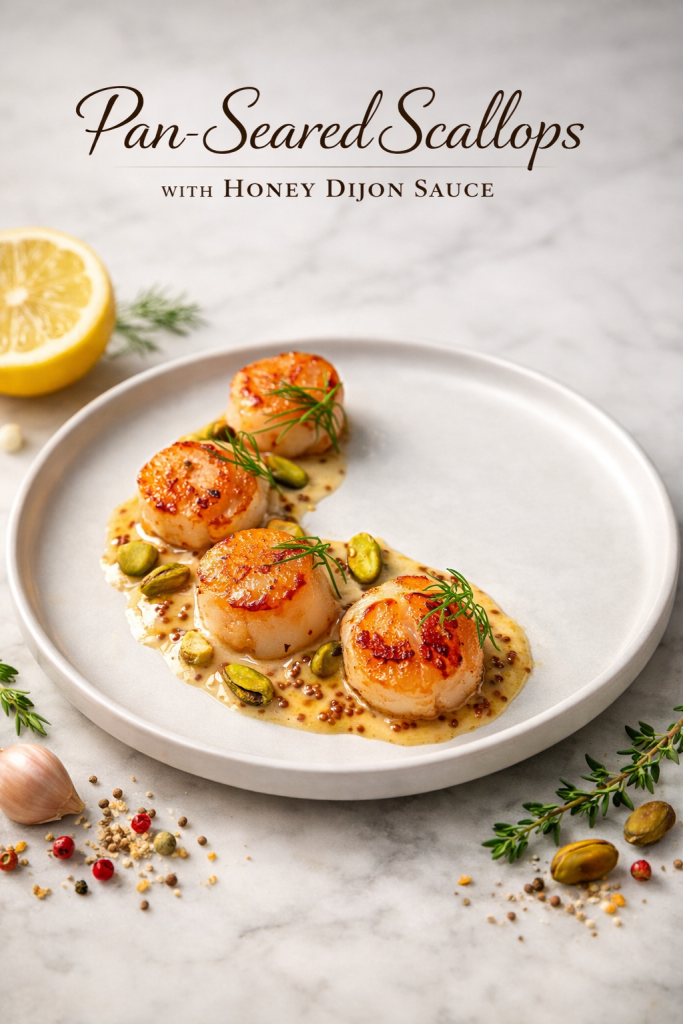
- Appetizer: Pan-Seared Scallops with Honey Dijon Sauce. Start your meal with an elegant note. These perfectly seared scallops, served in a bright, creamy honey dijon sauce with toasted pistachios and fresh dill, provide a light and luxurious preface. The sauce’s tangy sweetness awakens the palate, preparing it for the richer, savorier main course. The fresh dill also offers a lovely herbal contrast to the deep umami of the teriyaki.
- Side Dish: Charred Miso Butter Cabbage. Wedges of cabbage are charred in a hot pan until smoky and tender, then finished with a generous knob of miso butter. The sweetness of the caramelized cabbage and the deep, savory umami of the miso create a perfect echo of the teriyaki glaze, while the char adds a welcome hint of bitterness that cuts through the richness.
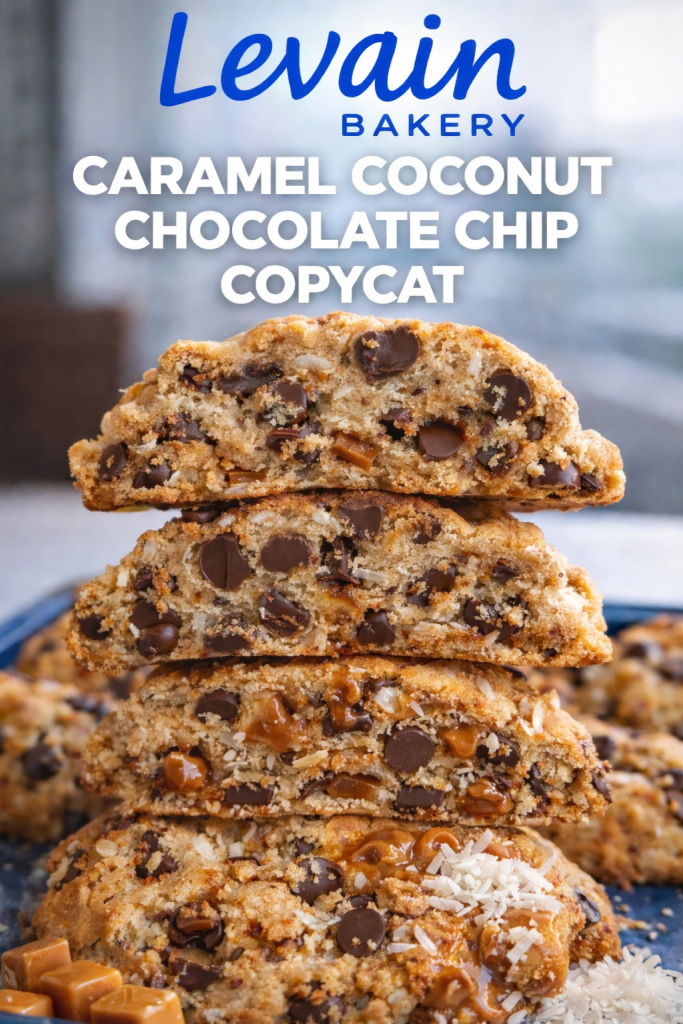
- Dessert: Levain Bakery Caramel Coconut Chocolate Chip Cookies (Copycat). End the meal on a spectacularly sweet note. These massive, bakery-style cookies have chewy coconut, gooey caramel pockets, and pools of dark chocolate. The coconut adds a tropical warmth that subtly complements the ginger in the main dish, while the caramel echoes the sweetness of the teriyaki glaze.
- Cocktail: Whiskey Highball. A simple, elegant combination of whiskey and sparkling soda water over ice. The effervescence and slight bitterness of the soda water cleanse the palate between bites of the rich, sticky chicken, while the whiskey’s oaky or honey notes can subtly echo the caramelized sugars in the glaze.
- Non-Alcoholic Drink: Iced Jasmine Tea with Honey. Brew a strong pot of jasmine green tea, let it cool, and serve it over ice with a drizzle of honey. The floral notes of the tea are a classic pairing with Japanese-inspired cuisine, and the honey provides a gentle sweetness that mirrors the meal’s profile, making for a refreshing and harmonious companion.
Description
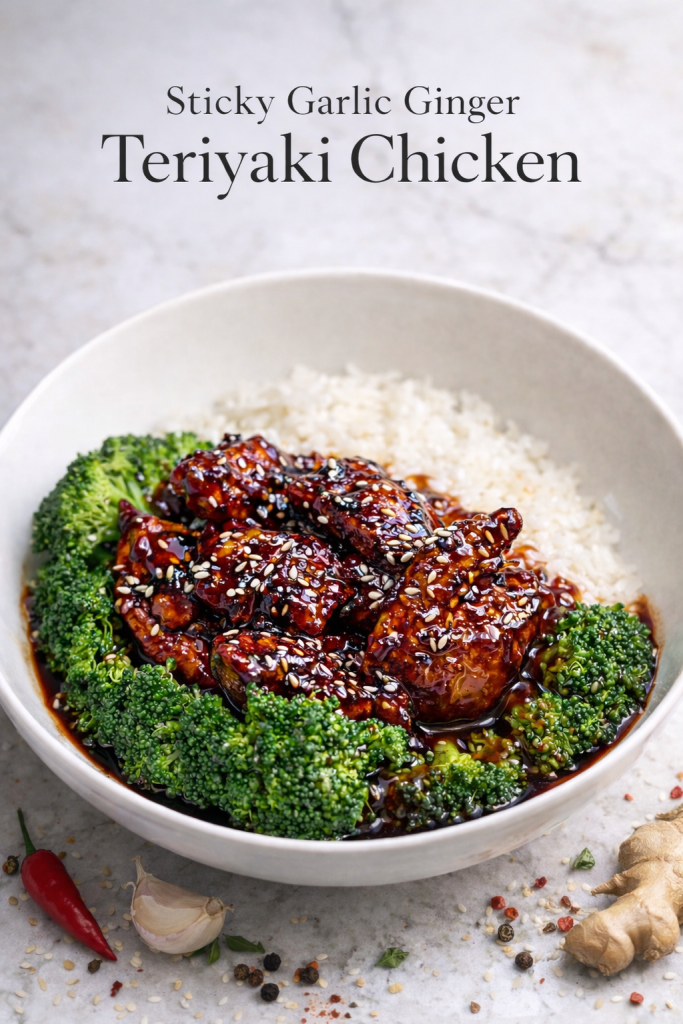
Forget waiting for delivery. This incredibly fast recipe delivers tender, juicy chicken coated in a luscious, syrupy homemade teriyaki glaze that puts any bottled sauce to shame. It's a guaranteed win for your busiest weeknights.
Ingredients
For the Chicken:
For the Homemade Teriyaki Sauce:
For Serving (Prep while chicken cooks):
Instructions
-
Prep for Speed (5 min): Before you turn on the heat, get everything ready. Grate the garlic and ginger. In a small bowl, whisk together the low-sodium soy sauce, dark soy sauce, brown sugar, and water until the sugar is mostly dissolved. Cut your chicken into uniform 2-inch pieces. Having a "mise en place" is the number one trick to 20-minute cooking.
-
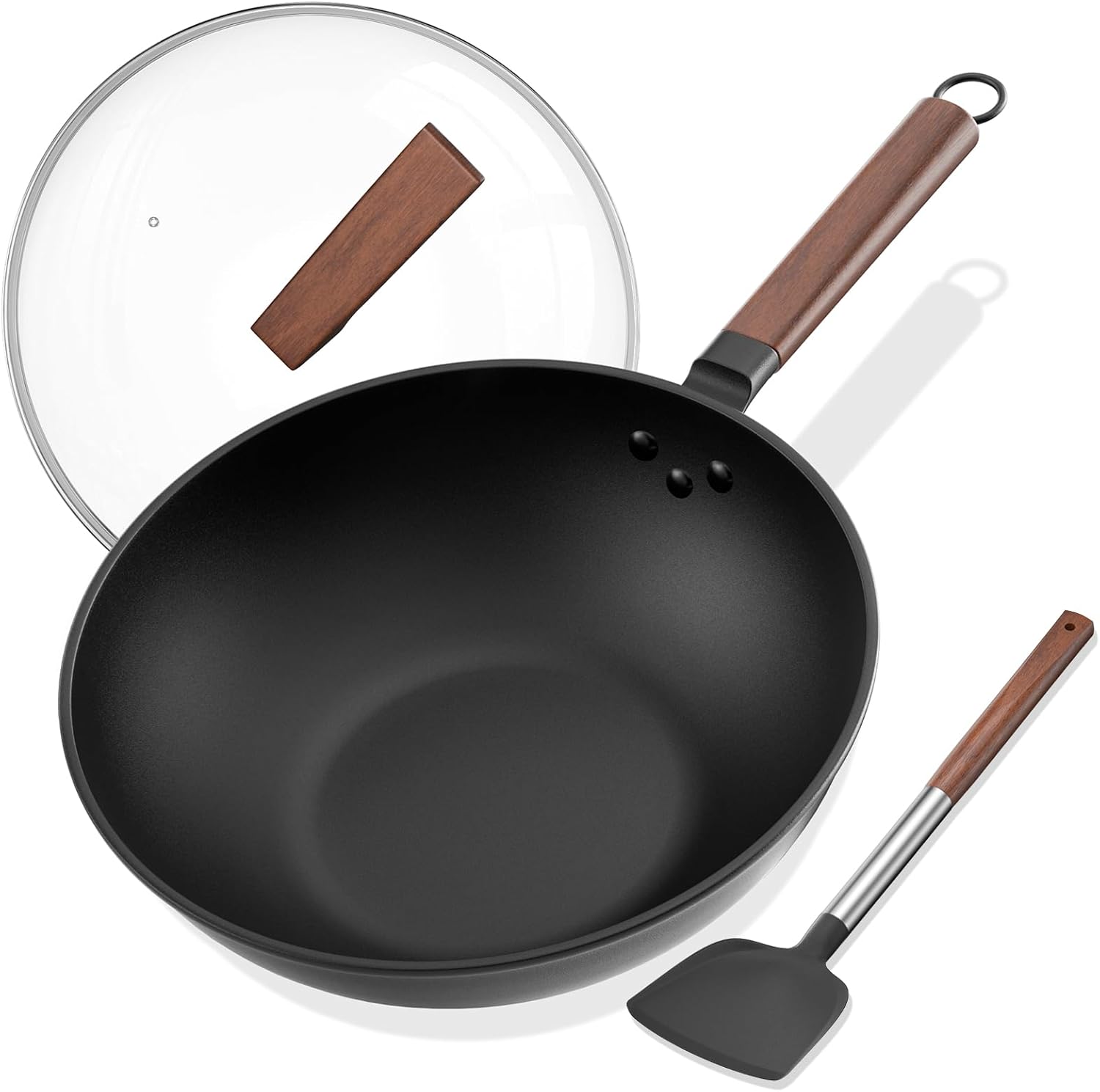
Sear the Chicken (5 min): Place a large skillet or wok over high heat and add the neutral oil. Once the oil is shimmering, carefully add the chicken pieces in a single layer. Don't overcrowd—work in batches if your pan is small. Sear undisturbed for 2-3 minutes per side, until golden brown and cooked through. High heat is essential for fast browning and preventing the chicken from steaming.
-
Bloom Aromatics (1 min): Reduce the heat to medium. Push the chicken to one side of the pan. Add the grated garlic and ginger to the empty space and sauté for just 30 seconds until fragrant. Immediately toss to coat the chicken with the aromatics.
-
Make the Glaze (4 min): Give your sauce mixture another quick stir and pour it into the skillet. Increase the heat back to high and bring to a vigorous simmer. As it bubbles, scrape up any browned bits from the pan bottom with a wooden spoon. Let it simmer rapidly for 2-4 minutes, stirring occasionally, until the sauce thickens into a glossy syrup that coats the chicken. If using, stir in the toasted sesame oil at the very end for aroma.
-
Serve Immediately (2 min): Spoon the rice onto plates, arrange the glazed sticky teriyaki chicken and steamed broccoli, and garnish with sesame seeds and sliced green onions. Serve hot!
Nutrition Facts
Servings 4
- Amount Per Serving
- Calories 490kcal
- % Daily Value *
- Total Fat 25g39%
- Saturated Fat 6g30%
- Sodium 1280mg54%
- Total Carbohydrate 22g8%
- Sugars 19g
- Protein 45g90%
* Percent Daily Values are based on a 2,000 calorie diet. Your daily value may be higher or lower depending on your calorie needs.
Note
- The Key to Speed: Have your ingredients prepped and ready before you turn on the stove. This dish comes together in a flash once the cooking starts.
- Rice Shortcut: Use 90-second microwave rice packets or leftover rice from the night before to save even more time.
- Steam Broccoli Quickly: While the chicken rests before step 4, put your broccoli florets in a microwave-safe bowl with 2 tablespoons of water. Cover and microwave on high for 90 seconds to 2 minutes. Perfectly steamed with no extra pot.
- Make it Gluten-Free: This is easily adapted. Substitute the regular soy sauce with a certified gluten-free tamari. Ensure your dark soy sauce is also gluten-free, or substitute it with an additional tablespoon of tamari mixed with 1/4 teaspoon of molasses.
- Don't Overcook: Because the heat is high, the sauce can go from syrupy to burnt quickly. As soon as it coats the back of a spoon, it's done.
- Storage: Store leftovers in an airtight container in the refrigerator for up to 4 days. The flavors will continue to meld, making it even more delicious the next day.