
INTRO
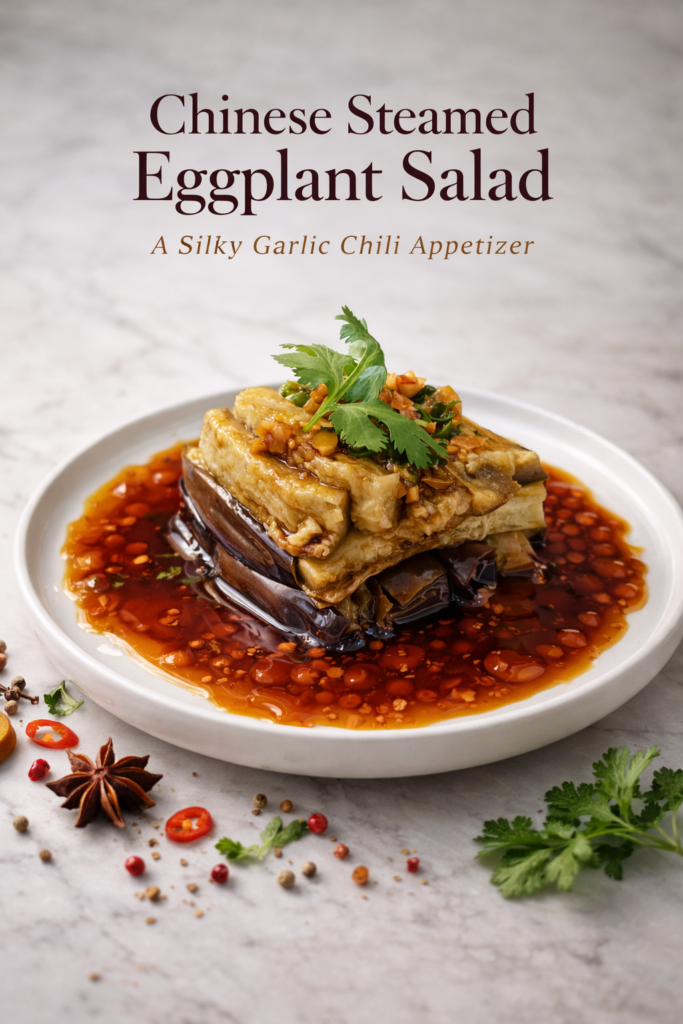
There’s a quiet magic in a dish that transforms the humblest vegetable into something utterly unforgettable. Chinese Steamed Eggplant Salad, known in Mandarin as shou si liang ban qie zi (手撕凉拌茄子), is exactly that—a cold appetizer where silky, tender eggplant meets a vibrant, aromatic dressing of garlic, chili, soy, and vinegar. This isn’t just a simple side dish; it’s a masterclass in texture and balance, a staple of Sichuan home cooking that proves less is often more. What makes this Chinese steamed eggplant salad truly special is the technique: steaming the eggplant whole, then tearing it by hand to create a rustic surface that greedily soaks up every drop of the sauce. It’s healthy, it’s vegan, it’s gluten-free adaptable, and it comes together in under 30 minutes. Once you master this Chinese eggplant salad, you’ll find yourself making it on repeat.
THE HISTORY
The story of Chinese steamed eggplant salad is deeply rooted in the culinary traditions of Sichuan province, a region celebrated for its bold, complex flavors. While Sichuan is world-famous for fiery hot pots and má là (numbing-spicy) dishes, it also has a rich tradition of cold appetizers, or liang cai (凉菜). These dishes are designed to awaken the palate, balance richer mains, and showcase the pure, unadulterated quality of ingredients. Eggplant, a native plant to Asia, has been cultivated in China for over 1,500 years, prized for its versatility and its ability to act as a sponge for sauces.
The practice of hand-tearing the cooked vegetable is a traditional technique born from both practicality and culinary wisdom. In Chinese culinary philosophy, tearing along the vegetable’s natural grain preserves its integrity and creates an irregular, textured surface that clings to sauce far better than a clean knife cut ever could. The combination of eggplant with a garlic, chili, and vinegar dressing is a classic example of suan la (sour-spicy) flavor balancing—a cornerstone of Sichuan cuisine that dates back to the Qing Dynasty. According to culinary historian Fuchsia Dunlop in her seminal work Land of Plenty, this style of cold eggplant dish has been a beloved home-cook staple for generations, celebrated for its simplicity, speed, and extraordinary depth of flavor. Today, this steamed eggplant salad has earned a revered spot on restaurant menus across China and the world, celebrated for delivering an explosion of flavor in a deceptively simple form. For more on the history of Sichuan cuisine, explore the Silk Road Gourmet archive on regional Chinese cooking.
THE SCIENCE
The genius of this Chinese steamed eggplant salad lies in its textural contrasts and the chemical reactions that create its bold flavor profile. Understanding the science will help you achieve perfection every time.
1. Gelatinization and the Power of Steaming: When you steam the eggplant, you’re using moist heat to gently break down its cellular structure. Eggplant is composed of a network of cellulose and pectin held together by air pockets. Steaming dissolves the pectin, causing the cell walls to collapse into that signature silky, creamy texture. According to food scientist J. Kenji López-Alt of Serious Eats, steaming is the ideal method for eggplant because it cooks the vegetable without requiring excessive oil, preventing the dreaded greasiness that can plague sautéed versions. Soaking the eggplant in salted, acidulated water (with rice vinegar) beforehand serves a dual purpose: the salt draws out excess moisture and any potential bitterness, while the acid helps firm up the pectin, preventing the eggplant from becoming waterlogged during steaming. ScienceDirect explains that pectin is a structural polysaccharide that breaks down under heat, which is why properly steamed eggplant achieves that perfect melt-in-your-mouth texture.
2. The Maillard Reaction and Flash Infusion: The second act of science happens when you pour hot oil over the garlic and Thai chili peppers. This process, known as flash infusion or oil blooming, rapidly volatilizes the essential oils in the aromatics—allicin from the garlic and capsaicin from the chilies—releasing them into the oil. This fragrant, flavorful base is what makes this Chinese eggplant salad so aromatic. The Maillard reaction, the same browning process that creates the deep flavors in seared meat, also occurs on the surface of the dried spices as the hot oil hits them, creating hundreds of new savory flavor compounds. According to the American Chemical Society, capsaicin, the compound responsible for chili heat, is fat-soluble, which is why infusing it into oil is the most effective way to distribute its heat and flavor evenly.
3. Emulsification for Balanced Flavor: When you mix this aromatic oil with soy sauce (umami-rich with salt) and rice vinegar (acetic acid), you’re creating a temporary emulsion. The oil and water-based liquids don’t naturally mix, but when vigorously stirred, they form a suspension that evenly coats the eggplant. This ensures that every bite delivers a perfectly balanced combination of savory, spicy, tangy, and aromatic notes—the hallmark of an exceptional steamed eggplant salad. For a deeper dive into the science of emulsions, The Spruce Eats offers an excellent explainer.
GOOD PAIRING FOOD AND DRINK
This Chinese steamed eggplant salad is a versatile anchor for a vibrant meal. Its bold, garlicky, tangy, and spicy profile makes it shine as a refreshing appetizer, a palate-cleansing side, or a flavorful component of a larger feast. The pairings below are designed to build a complete dining experience that celebrates the depth and diversity of Asian cuisine.
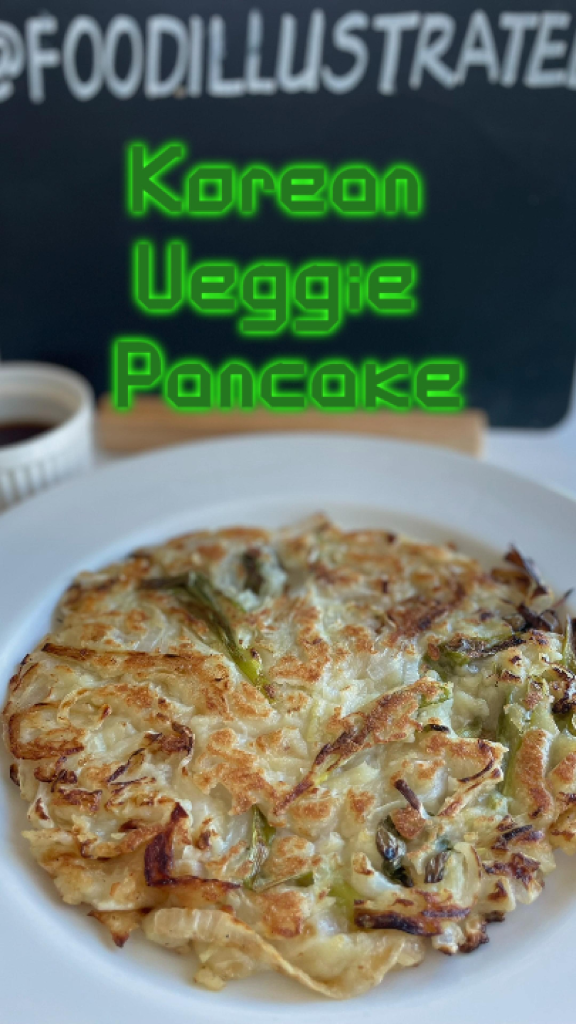
- One Appetizer: Crispy Korean Vegetable Pancake (Yachaejeon)
Start your meal with a textural bang. While the eggplant is silky and cool, this Crispy Korean Vegetable Pancake is shatteringly crisp and served hot. The savory, golden pancake, loaded with fresh vegetables and served with a tangy soy-scallion dipping sauce, prepares the palate for the bolder, spicier notes to come. The shared use of garlic, scallions, and a soy-based sauce creates a harmonious flavor thread, while the contrast in temperature and texture makes for an exciting beginning. - One Main Course: Cumin Lamb Stir-Fry (Xinjiang-Style)
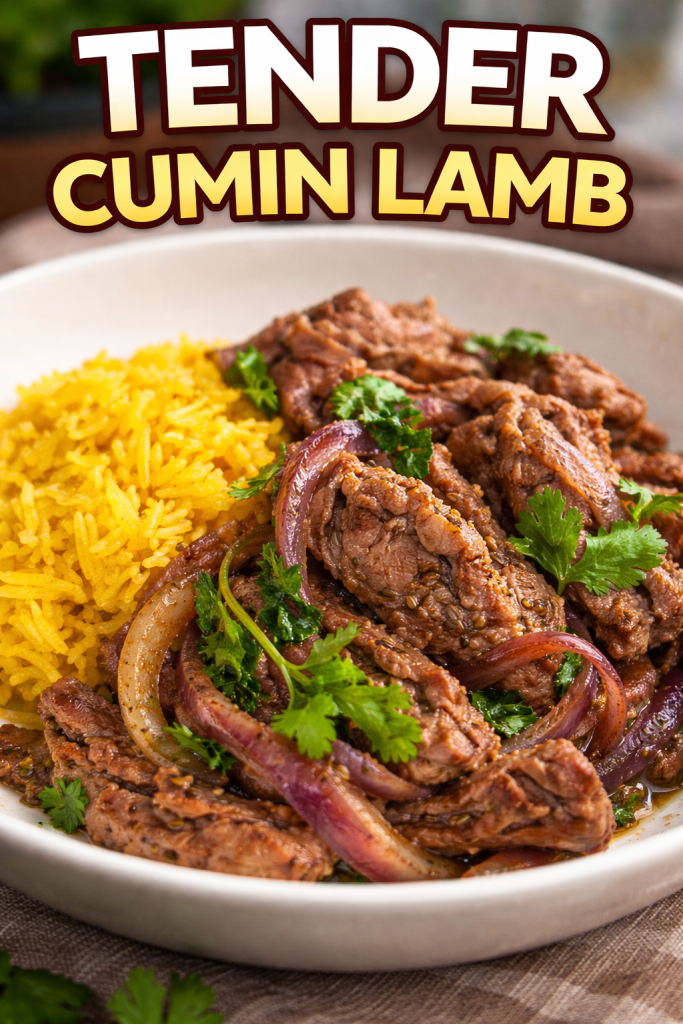
This is a pairing made in heaven. The warm, earthy, and intensely aromatic Cumin Lamb Stir-Fry is a perfect main course to follow the cool, bright, and garlicky Chinese steamed eggplant salad. The rich, savory lamb with its bold cumin and chili profile is beautifully balanced by the eggplant’s tangy, refreshing dressing. Together, they showcase the incredible range of Chinese cooking—from the subtle, cold appetizers of Sichuan to the robust, spice-driven stir-fries of the northwest. Serve with plenty of steamed jasmine rice to soak up every last bit of flavor from both dishes. - One Side Dish: Sichuan Dry Pot Chicken Wings with Potatoes and Cauliflower
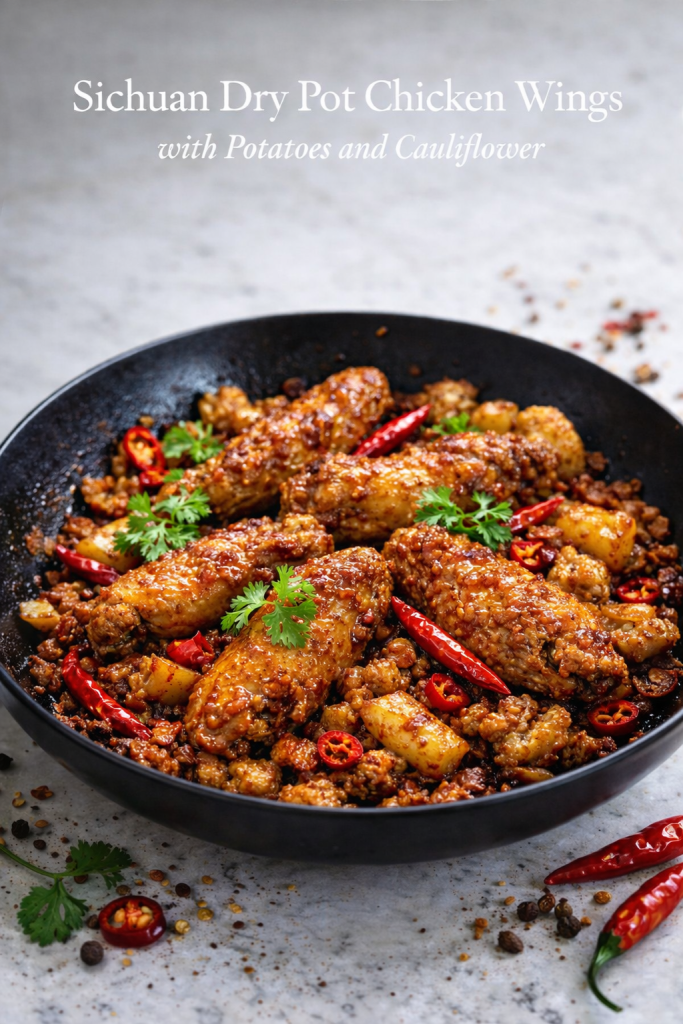
For a truly adventurous and fiery feast, pair the steamed eggplant salad with this Sichuan Dry Pot Chicken Wings. Both dishes share the Sichuan love for bold, numbing-spicy flavors, but they approach it from different angles. The eggplant is a cold, refreshing, and intensely aromatic appetizer, while the dry pot is a hot, communal, and deeply savory main. The crispy chicken wings, tender potatoes, and cauliflower swimming in a má là sauce will be a thrilling counterpart to the cool, silky eggplant, creating a complete Sichuan-style banquet at home. - One Dessert: The Best Mango Pomelo Sago (楊枝甘露)
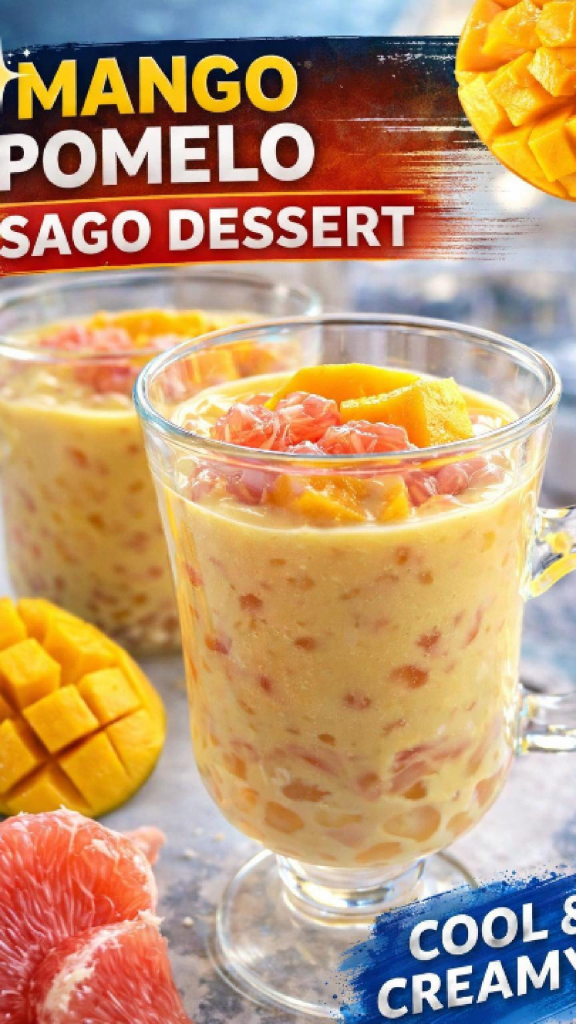
After a meal filled with garlic, chili, and complex savory notes, this iconic Hong Kong dessert is the ultimate palate cleanser. Mango Pomelo Sago is a symphony of contrasts—creamy and tangy, sweet and slightly bitter, with a delightful pop of juicy pomelo and chewy sago pearls. Its refreshing, tropical profile provides a cooling, soothing finish that perfectly balances the heat and richness of the preceding courses. It’s a classic, beloved ending that will leave your guests feeling refreshed and satisfied. - One Cocktail: Sichuan Peppercorn Mule
Echo the numbing-spicy notes of your Sichuan-inspired meal with a Sichuan Peppercorn Mule. This bold twist on the classic Moscow Mule combines vodka, spicy ginger beer, fresh lime juice, and a simple syrup infused with Sichuan peppercorns. The fiery ginger and citrus cut through the richness of dishes like the Cumin Lamb or Dry Pot, while the subtle, tingling finish from the peppercorns creates a delightful, thematic link to the má là flavors on the table. For more Sichuan-inspired cocktail ideas, check out Punch‘s collection of Asian-inspired drinks. - One Non-Alcoholic Drink: Iced Jasmine Green Tea with Honey
For a non-alcoholic pairing that is both elegant and functional, serve Iced Jasmine Green Tea sweetened with a touch of honey. The tea’s delicate floral aroma and slight astringency provide a clean, refreshing counterpoint to the garlicky, spicy Chinese eggplant salad and other rich dishes. The honey adds a subtle sweetness that complements the savory notes without overpowering them, while the chilled temperature offers a soothing contrast to any spicy elements in the meal. TeaSource notes that jasmine tea has been enjoyed for centuries in China as the ideal accompaniment to flavorful meals.
Description
This Chinese steamed eggplant salad is a celebration of bold flavors and simple techniques. Silky, hand-torn steamed eggplant is the perfect canvas for a vibrant dressing made with a fragrant garlic-chili oil infusion, savory soy sauce, and tangy rice vinegar. It's a quick, healthy, and incredibly flavorful vegan appetizer or side dish that comes together in under 30 minutes and will transport your taste buds to Sichuan.
Ingredients
For the Steamed Eggplant:
For the Garlic Chili Dressing:
For Garnish:
Instructions
-
Prepare the Eggplant for Steaming.
-
Wash the eggplants. If using long Chinese or Japanese eggplants, cut them into 2-inch chunks. If using a large English eggplant, cut it into 2-inch cubes. In a large bowl, combine the water, sea salt, and rice vinegar. Add the eggplant chunks and let them soak for 10 minutes. This crucial step draws out bitterness and helps the eggplant maintain its vibrant color and structure during steaming, ensuring your Chinese steamed eggplant salad has the perfect texture. For more on this technique, The Kitchn explains how salting draws out bitter compounds.
-
Steam the Eggplant.
-
Drain the eggplant and place the pieces in a single layer in a steamer basket or on a heatproof plate that fits inside a wok or large pot. Bring the water in the wok/pot to a boil. Place the steamer basket inside, cover, and steam over medium-high heat for 10-12 minutes, or until the eggplant is completely tender and easily pierced with a chopstick. Don't overcrowd; steam in two batches if necessary for even cooking. This steaming method is what gives this Chinese eggplant salad its signature silky texture. Serious Eats offers excellent guidance on proper steaming techniques.
-
Cool and Hand-Tear—The Signature Technique.
-
Carefully remove the steamer basket and let the eggplant cool until it's comfortable to handle. This is the signature step: use your hands to gently tear each piece of eggplant lengthwise into ½-inch wide strips. Tearing, rather than cutting, creates a rustic, jagged texture with more surface area to capture the dressing. This hand-torn technique is the hallmark of an authentic Chinese steamed eggplant salad. Place the torn eggplant in a serving bowl or on a platter.
-
Create the Aromatic Garlic Chili Oil.
-
While the eggplant is cooling, prepare the dressing. Place the minced garlic and sliced Thai chili peppers in a small, heatproof bowl. In a small saucepan, heat the neutral oil over medium-high heat until it's shimmering and a small piece of garlic sizzles immediately when dropped in (about 350°F / 175°C). Carefully pour the hot oil over the garlic and chili—it will sizzle and release an incredible aroma. Let it sit for 1 minute to cool slightly and infuse. This blooming technique is essential for a fragrant Chinese eggplant salad dressing. According to Science of Cooking, this method maximizes the extraction of volatile flavor compounds.
-
Make the Dressing.
-
To the same bowl with the infused oil, add the light soy sauce, Chinese black vinegar (or rice vinegar), white pepper, toasted sesame oil (if using), and a pinch of salt. Whisk vigorously until the mixture is well combined and temporarily emulsified. The combination of soy, vinegar, and chili oil creates the quintessential flavor profile of this steamed eggplant salad. For more on the unique properties of Chinese black vinegar, The Woks of Life provides an excellent ingredient deep-dive.
-
Assemble and Serve Your Chinese Steamed Eggplant Salad.
-
Pour the dressing evenly over the hand-torn eggplant. Toss gently to coat all the pieces. Garnish generously with fresh cilantro, toasted sesame seeds, and sliced scallions (if using). For the best flavor, let the dish rest for 10 minutes at room temperature before serving, allowing the eggplant to fully absorb the dressing. Serve cold or at room temperature.
Nutrition Facts
Servings 4
- Amount Per Serving
- Calories 115kcal
- % Daily Value *
- Total Fat 8g13%
- Saturated Fat 1g5%
- Sodium 620mg26%
- Potassium 350mg10%
- Total Carbohydrate 11g4%
- Dietary Fiber 5g20%
- Sugars 6g
- Protein 3g6%
* Percent Daily Values are based on a 2,000 calorie diet. Your daily value may be higher or lower depending on your calorie needs.
Note
- Pro Tips for the Perfect Chinese Steamed Eggplant Salad: The soaking step is non-negotiable for the best texture—it prevents the eggplant from absorbing too much water and becoming mushy. When pouring the hot oil over the garlic and chili, use caution; the mixture will bubble and sputter. Ensure the eggplant is completely cool before handling to prevent it from falling apart. For the most authentic flavor, seek out Chinese black vinegar (Chinkiang vinegar) —its deep, malty complexity is irreplaceable in a traditional Chinese eggplant salad. Mala Market offers a comprehensive guide to sourcing authentic Chinese ingredients.
- Make-Ahead Instructions: This steamed eggplant salad is excellent for meal prep. You can steam and tear the eggplant up to a day in advance, storing it in an airtight container in the refrigerator. Prepare the dressing separately. Assemble and toss the dish up to 2 hours before serving to allow the flavors to meld.
- Storage Guidelines: Store leftovers in an airtight container in the refrigerator for up to 3 days. The flavor will deepen over time. Note that the texture may soften slightly. This Chinese eggplant salad is not recommended for freezing, as the eggplant will become mushy upon thawing. The USDA FoodKeeper App offers excellent guidance on storing cooked vegetables.
- Substitutions: For a milder dish, omit the Thai chili peppers or replace them with ½ tsp of red pepper flakes. If you don't have rice vinegar or black vinegar, apple cider vinegar works in a pinch. For a nuttier flavor, substitute half the neutral oil with toasted sesame oil (do not heat sesame oil with the garlic; add it after the hot oil infusion to preserve its flavor). If you can't find Chinese or Japanese eggplants, one large English (globe) eggplant is a fine substitute; cut it into 2-inch cubes and follow the same steps. For more on eggplant varieties, Bon Appétit offers a helpful guide.
- Troubleshooting Common Issues: If your eggplant is watery, it likely wasn't drained well after soaking or was steamed too long. Ensure to steam only until tender. If the dressing is too sharp, add a pinch of sugar to balance the acidity. If it's not spicy enough, let the chili infuse in the hot oil for a few minutes before adding the soy and vinegar. If your Chinese steamed eggplant salad tastes bland, double-check your salt levels and ensure your soy sauce and vinegar are high quality.