
Learn how to make authentic Peruvian-style grilled chicken with creamy jalapeño-cilantro sauce and vibrant yellow rice. This restaurant-quality recipe includes tips for roasting a whole chicken and making mayonnaise from scratch.
INTRODUCTION
The first time I tasted pollo a la brasa in a small Lima pollería, I understood why Peruvians are so passionate about their roast chicken. The skin was impossibly crisp, the meat ridiculously juicy, and that green sauce—creamy, spicy, bright with cilantro—made everything unforgettable. I spent years trying to recreate that experience in my American kitchen, and today I’m sharing every hard-won secret.
This Peruvian grilled chicken with green sauce recipe delivers that same magic using techniques adapted for home cooks. Whether you’re firing up the grill for a summer gathering or roasting a whole chicken on a cool evening, you’ll achieve restaurant-quality results. What makes this version special? I’m sharing my preferred method of roasting a whole chicken (then breaking it down after cooking for maximum juiciness), plus instructions for making the green sauce completely from scratch—including homemade mayonnaise that elevates this dish from excellent to extraordinary.
The History of Pollo a la Brasa
Peruvian rotisserie chicken, or pollo a la brasa, has a surprisingly recent origin story. In 1950, a Swiss immigrant named Roger Schuler arrived in Lima with experience in European rotisserie cooking . He partnered with a Peruvian businessman, Franz Ulrich, and together they opened a small restaurant called “La Granja Azul” on the outskirts of Lima. Their innovation? A specially designed rotisserie system called the rotombo that rotated chickens slowly over hot coals while basting them in a secret marinade .
The timing was perfect. Lima was experiencing rapid urban growth, and families were looking for convenient, affordable meals. La Granja Azul’s chicken—crispy-skinned, impossibly juicy, and infused with Andean spices—became an instant sensation. Soon, lines stretched around the block, and the owners had to implement a reservation system just to manage demand .
Today, Peru has over 13,000 pollerías, and the country consumes an estimated 200 million rotisserie chickens annually . In 2004, the Peruvian government declared pollo a la brasa a “Dish of National Origin,” and every July celebrates “Pollo a la Brasa Day” on the third Sunday . The green sauce, or salsa verde, evolved alongside the chicken—each pollería guards its secret recipe, but the constant elements are cilantro, some type of chili, and a creamy base that cuts through the richness of the roasted bird .
The Science Behind Perfect Peruvian Chicken
Understanding what’s happening chemically in this recipe transforms you from a cook following instructions into a confident kitchen scientist. Let’s break down the key transformations:
Marination Mechanics: The lime juice in our marinade serves multiple purposes. Its acidity gently denatures proteins on the chicken’s surface, creating microscopic gaps that allow our spice mixture to penetrate deeper than surface-level seasoning . However, unlike lengthy acidic marinades that can make meat mushy (ceviche being the extreme example), our one-hour minimum hits the sweet spot—tenderizing without compromising the meat’s structural integrity. The oil carries fat-soluble compounds from cumin and paprika into those same gaps, ensuring flavor throughout.
The Maillard Reaction in Action: That gorgeous golden-brown crust isn’t just visually appealing—it’s pure flavor chemistry. When the chicken’s surface reaches approximately 310°F, amino acids and reducing sugars begin a complex reaction that creates hundreds of new flavor compounds. Smoking paprika contains compounds that actually enhance this browning while contributing its characteristic smokiness. Basting with reserved marinade halfway through adds additional sugars and amino acids to the surface, intensifying the reaction.
Emulsion Science in Two Places: We’re actually creating two emulsions in this recipe. The marinade itself is a temporary emulsion of oil and acid, temporarily bound together by vigorous mixing. More importantly, our homemade mayonnaise represents a permanent emulsion—a stable suspension of oil droplets in water, held together by lecithin from egg yolks . The acid from lime juice helps prepare the proteins in the egg yolks to bond with the oil, while Dijon mustard adds additional emulsifiers that prevent separation . This structure traps flavor compounds on your tongue, which is why homemade mayo tastes so much more vibrant than store-bought versions.
Rice Starch Management: Rinsing and soaking the jasmine rice before cooking removes excess surface starch that would otherwise create gummy, clumped grains. The initial sauté in butter coats each grain in fat, creating a barrier that helps them stay separate during simmering. When we add stock and bring it to a boil, the starches begin gelatinizing at around 150°F, absorbing liquid and expanding. The covered low simmer ensures even cooking without agitation that would rupture the grains.
WHY THIS PERUVIAN CHICKEN RECIPE WORKS
- Whole roasted chicken method: Roasting a whole bird then breaking it down after cooking locks in moisture that individual pieces lose during cooking
- Reserved marinade technique: Setting aside marinade before adding raw chicken gives you safe, flavorful basting liquid that won’t cross-contaminate
- Homemade green sauce: Fresh mayonnaise creates brighter flavor and lets you control exactly what goes into your sauce
- One-pot yellow rice: Turmeric provides gorgeous color while the peas stirred in at the end stay bright green and perfectly tender
- Restaurant-quality results at home: These techniques, adapted from professional Peruvian kitchens, deliver that elusive pollo a la brasa magic
- Make-ahead friendly: The chicken and sauce keep beautifully, giving you multiple meals from one cooking session
GOOD PAIRING FOOD AND DRINK
Appetizer: Classic Peruvian Causa Rellena – This layered potato terrine with lime, ají amarillo, and chicken or tuna salad introduces Peruvian flavors in an elegant, chilled starter. The potatoes’ earthiness and citrus brightness prepare your palate for the main event.
Main Course Alternative: If you’re not serving this chicken as the centerpiece, it pairs beautifully with Lomo Saltado – The stir-fried beef with tomatoes, onions, and French fries creates a surf-and-turf experience that showcases two Peruvian classics side by side.
Side Dish: Peruvian-Style Black Beans – Cooked with garlic, cumin, and a touch of ají amarillo, these beans add earthy richness that complements the smoky chicken without competing. The creamy texture also echoes the green sauce beautifully.
Dessert: Alfajores with Dulce de Leche – These delicate shortbread cookies sandwiched with caramel are the perfect light ending—not too heavy after a rich meal, but satisfyingly sweet.
Cocktail: Pisco Sour – Peru’s national cocktail combines pisco, lime juice, simple syrup, egg white, and Angostura bitters. The frothy texture and citrus notes mirror the green sauce’s brightness while cleansing the palate.
Non-Alcoholic Drink: Chicha Morada – This sweet, spiced purple corn beverage, simmered with cinnamon, cloves, and pineapple, is authentically Peruvian and refreshingly different. Its mild sweetness and spice complement the savory chicken perfectly.
Description
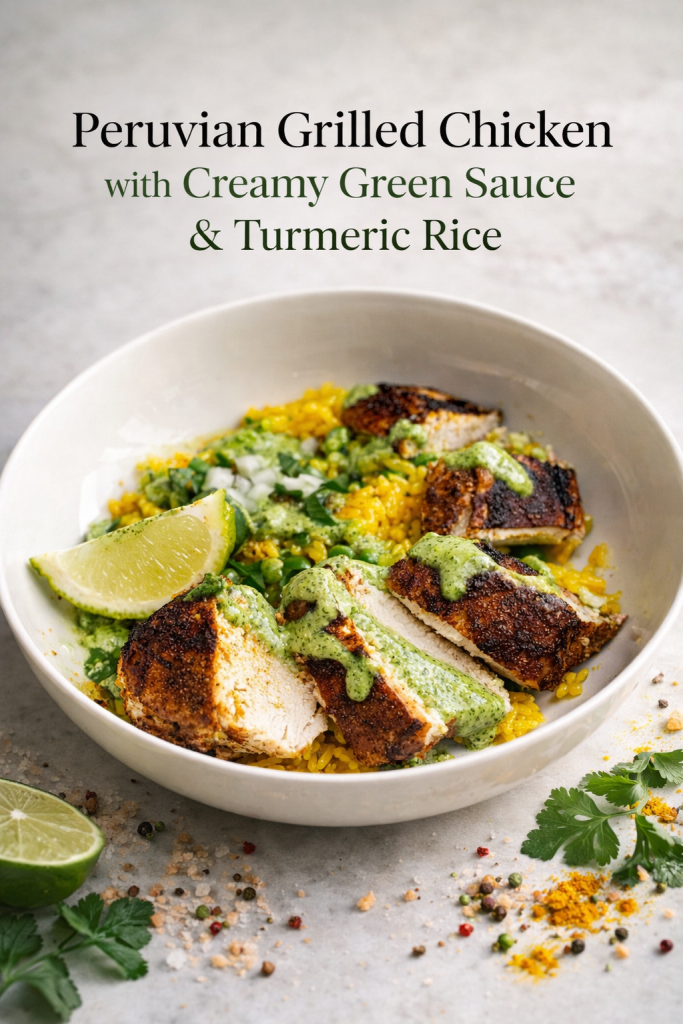
This authentic Peruvian grilled chicken with green sauce recipe delivers impossibly juicy meat, crispy skin, and a creamy, spicy cilantro sauce that's completely addictive. Complete with yellow rice, it's a complete restaurant-style meal.
Ingredients
For the Chicken Marinade
For Homemade Mayonnaise
For the Green Sauce
For Peruvian Yellow Rice
Instructions
Step 1: Break Down the Chicken & Start the Stock
-
First thing—break down that whole chicken. Separate the legs, thighs, breasts, and wings. More surface area for seasoning, faster more even cooking. But here's where we get clever: take those bones—the backbone, the wing tips, any scraps—and toss them in a pot with water, maybe some onion ends, a bay leaf if you're feeling fancy. Bring to a simmer and let it gently bubble while you work. That pot quietly turns scraps into liquid gold. Zero waste, maximum flavor.
Step 2: Prepare the Marinade
-
In a medium bowl, combine the minced garlic, lime juice, oil, cumin, smoked paprika, salt, and pepper. Whisk thoroughly. Before adding any raw chicken, transfer about ¼ of this mixture to a small bowl, cover, and refrigerate. This reserved marinade will be your basting sauce later.
Step 3: Marinate the Chicken
-
Add your chicken pieces to the remaining marinade. Using clean hands, massage the mixture thoroughly into every surface of the chicken. For extra flavor, gently loosen the skin and rub marinade directly onto the meat underneath. Cover and refrigerate for at least 1 hour, or up to 24 hours.
Step 4: Make Homemade Mayonnaise
-
About 30 minutes before you plan to cook, remove your egg from the refrigerator to come to room temperature.
In a tall, narrow container, combine the room-temperature egg, ¼ cup of the oil, lime juice, Dijon mustard, and salt. Let the mixture settle so the egg sinks to the bottom.
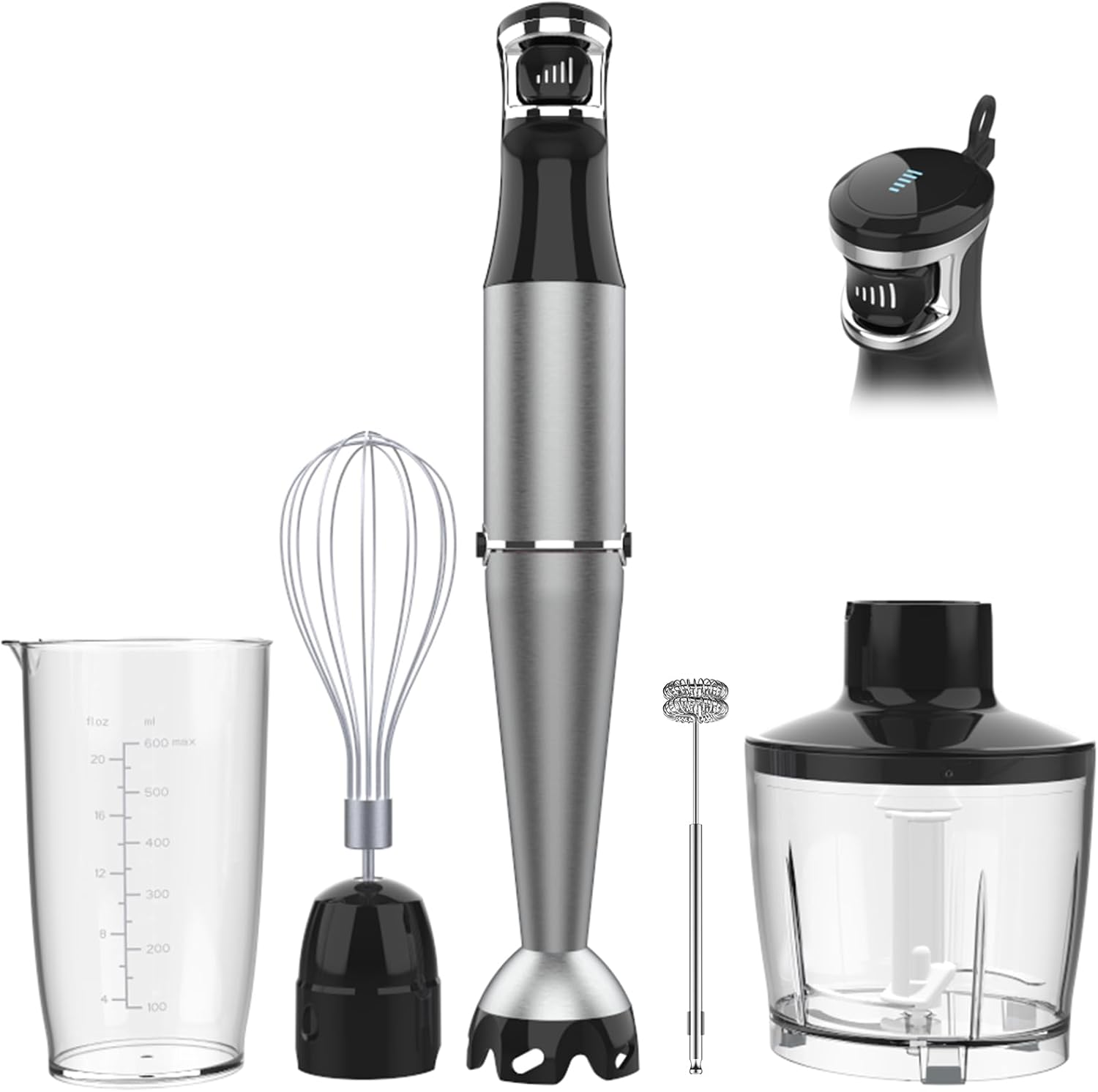
Place your immersion blender at the very bottom and blend on high. Do not move the blender for the first 10-15 seconds. You'll see a white emulsion forming at the bottom. Once this happens, slowly tilt the blender and lift it upward to incorporate the remaining oil in a steady stream. Within 30-45 seconds, you'll have thick, luscious homemade mayonnaise.
Step 5: Prepare the Green Sauce
-
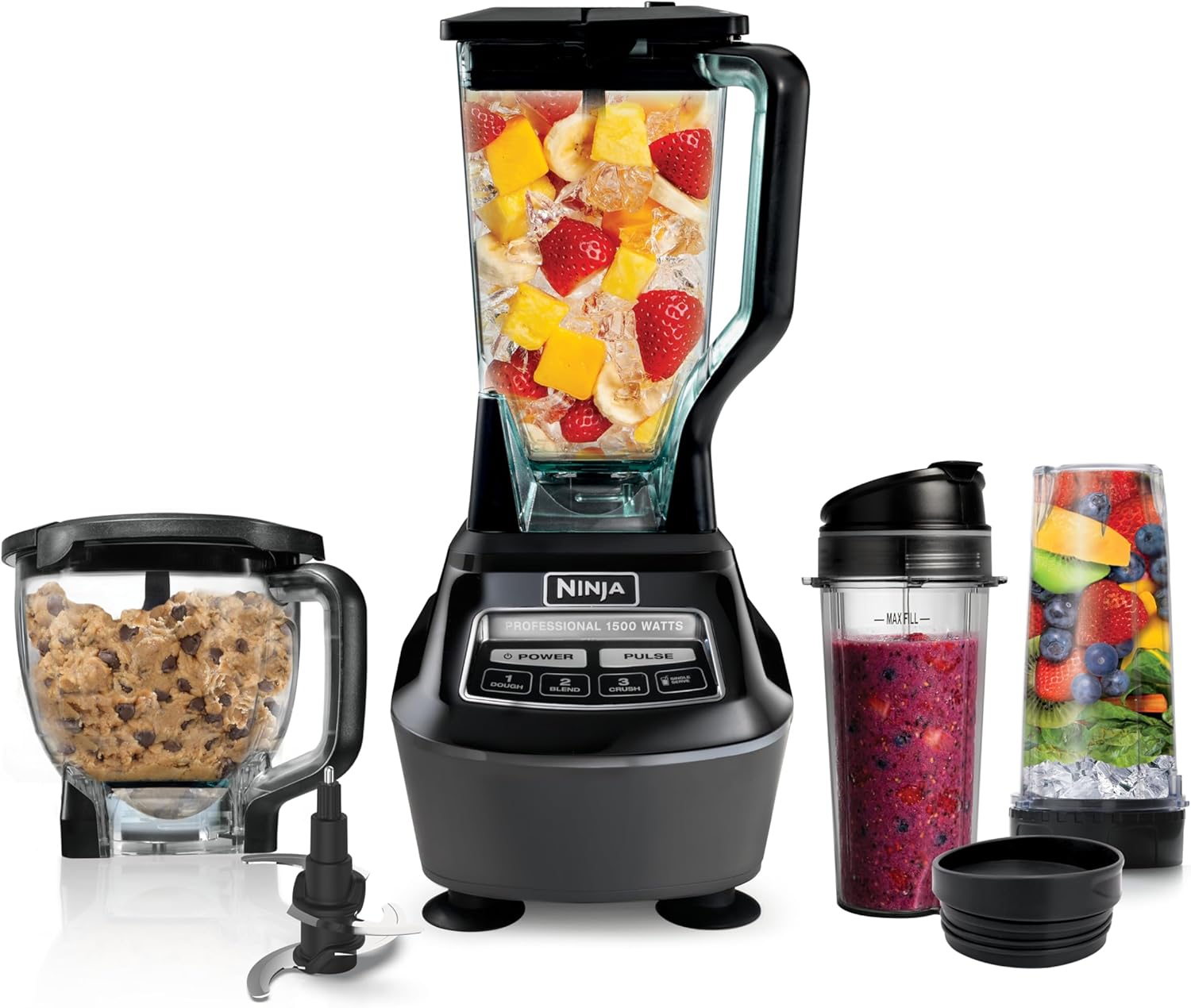
In a blender, combine the cilantro leaves, ½ cup of your freshly made mayonnaise, sour cream, chopped jalapeños, garlic, olive oil, lime juice, salt, and pepper. Blend on high for 30-45 seconds until completely smooth and vibrant green. Taste and adjust seasoning. Transfer to a jar, cover, and refrigerate until serving.
Step 6: Roast the Chicken
-
Preheat oven to 425°F. Place the marinated chicken pieces on a rack in a roasting pan or on a foil-lined baking sheet with a wire rack. Roast for approximately 30-40 minutes (depending on piece size), or until a thermometer inserted into the thickest part reads 165°F. Halfway through roasting, brush with the reserved marinade.
While the chicken roasts, strain that simmering stock. You should have about 2 cups of beautiful homemade chicken broth. This is going in your rice.
Step 7: Make the Yellow Rice with Homemade Stock
-
Rinse the jasmine rice in a fine-mesh strainer under cold water until the water runs completely clear. Transfer to a bowl, cover with fresh water, and let soak for 10-15 minutes. Drain thoroughly.
In a medium pot with a tight-fitting lid, melt the butter over medium heat. Add the diced onion and cook until softened and translucent (about 3-4 minutes). Add the minced garlic and cook for another 30-60 seconds until fragrant.
Add the drained rice to the pot, along with turmeric, cumin, onion powder, salt, and pepper. Stir constantly for 1-2 minutes until the rice is well-coated and fragrant.
Now for the magic: instead of plain water or store-bought stock, pour in 2 cups of your homemade chicken stock. Bring to a boil, then reduce heat to low, cover tightly, and simmer undisturbed for 15 minutes.
After 15 minutes, remove from heat. Gently stir in the frozen peas, replace the lid, and let rest for 5-10 minutes. Fluff with a fork before serving
Step 8: Rest and Serve
-
When the chicken hits 165°F, remove it from the oven. Let it rest for 10 minutes—this is when juices redistribute so they don't flood your cutting board.
Spoon a generous portion of yellow rice onto each plate. Arrange chicken pieces alongside, then drizzle generously with the creamy green sauce. Serve extra sauce at the table.
Nutrition Facts
Servings 6
- Amount Per Serving
- Calories 685kcal
- % Daily Value *
- Total Fat 42g65%
- Saturated Fat 9g45%
- Cholesterol 165mg56%
- Sodium 890mg38%
- Total Carbohydrate 38g13%
- Dietary Fiber 2g8%
- Sugars 4g
- Protein 38g76%
* Percent Daily Values are based on a 2,000 calorie diet. Your daily value may be higher or lower depending on your calorie needs.
Note
Homemade Mayonnaise Success: Room-temperature eggs are non-negotiable for stable emulsion. If you forgot to take yours out ahead, place the egg in a bowl of warm (not hot) water for 5 minutes. For the foolproof immersion blender method, use a container just wide enough for the blender head—this ensures the egg stays at the bottom where blending begins. The Dijon mustard acts as an additional emulsifier, making your mayo virtually foolproof . If your mayo separates, don't panic. Start a fresh egg yolk in a clean bowl, then slowly whisk the broken mixture into it drop by drop—it will re-emulsify.
Whole Chicken Advantages: Roasting a whole bird yields noticeably moister meat than cooking pieces because the bones and skin protect the flesh throughout the longer cooking time. You also get the carcass for making homemade stock afterward—a money-saving bonus. If using this method, ask your butcher for a 3-4 pound chicken, which is typically younger and more tender than larger birds.
Jalapeño Heat Management: For a crowd-pleasing mild sauce, remove all seeds and white membranes before blending. For medium heat, leave some seeds. For a seriously spicy sauce, add a second jalapeño with seeds, or substitute one serrano pepper. You can also add a teaspoon of ají amarillo paste if you have access to a Latin market .
Rice Perfection: Don't skip the rinsing and soaking steps—they're the difference between separate, fluffy grains and sticky clumps. When adding the stock, resist the urge to stir after it comes to a boil. Stirring releases starch and creates gumminess. The 5-10 minute rest after cooking is equally important; it allows excess moisture to redistribute evenly.
Make-Ahead Instructions:
- Marinade: Can be prepared (without chicken) up to 3 days ahead and refrigerated
- Green Sauce: Keeps in an airtight container in the refrigerator for up to 5 days
- Homemade Mayonnaise: Refrigerates well for up to 1 week
- Yellow Rice: Can be made 1 day ahead. Reheat gently with a splash of stock or water, covered, over low heat
- Cooked Chicken: Stores in the refrigerator for up to 4 days
Freezing Guidelines:
- Cooked Chicken: Freezes well for up to 3 months. Wrap tightly in plastic wrap then foil, or use a vacuum sealer. Thaw overnight in refrigerator before reheating
- Green Sauce: Can be frozen for up to 3 months, though the emulsion may separate slightly. Thaw in refrigerator and whisk vigorously or re-blend to restore consistency
- Yellow Rice: Freezes for up to 1 month. Thaw and reheat with a splash of liquid
- Raw Marinated Chicken: Freeze immediately after marinating for up to 3 months. Thaw completely in refrigerator before cooking
Ingredient Sourcing Tips:
- Smoked paprika: Look for Spanish smoked paprika (pimentón) for the most authentic flavor—it comes in sweet (dulce), bittersweet (agridulce), and hot (picante) varieties
- Turmeric: Fresh turmeric root can be substituted; use 1 tablespoon finely grated for 1 teaspoon ground
- Cilantro: Choose bunches with bright green leaves and no yellowing or sliminess
- Jalapeños: Look for firm peppers with smooth skin and no soft spots