
Intro
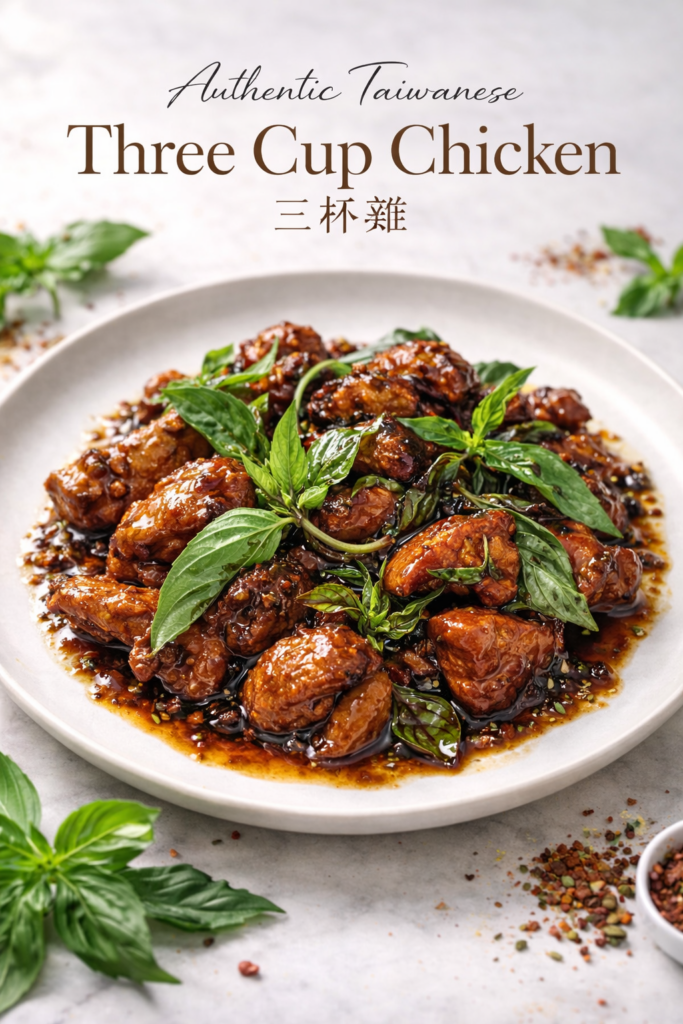
Have you ever taken a bite of food so aromatic, so deeply savory, that it instantly transported you? For millions of people, that dish is Authentic Taiwanese Three Cup Chicken. Known in Mandarin as San Bei Ji (三杯雞), this is far more than just a stir-fry. It’s a symphony of fragrant sesame oil, caramelized soy, and the unmistakable pop of fresh basil, all coming together to coat tender, juicy chunks of chicken. It’s the soul of Taiwanese home cooking and a staple in bustling night markets.
My journey with this dish began not in a professional kitchen, but in a tiny, crowded apartment in Taipei, where the landlady’s cooking would drift up the stairwell every evening. The smell of ginger sizzling in sesame oil was intoxicating, a scent I’ve spent years trying to perfectly replicate. In this post, we’ll not only walk through a foolproof method—using your own preferred technique of searing then glazing—but we’ll also uncover the fascinating debate behind its origins and the simple science that makes its sauce so incredibly glossy and flavorful. Get ready to bring a piece of Taiwanese culinary tradition into your kitchen.
The History
The story of Three Cup Chicken is a delicious tale of migration, adaptation, and the blending of culinary cultures, leading to a friendly rivalry over its true home .
The Chinese Legend: A Hero’s Last Meal
The most popular origin story for San Bei Ji traces back to 13th-century China and the Song Dynasty loyalist, Wen Tianxiang . According to legend, after Wen was captured by the invading Yuan army, an empathetic prison guard (said to be from Wen’s native Jiangxi) prepared him a final meal. With limited resources, the guard used what he had: his only cooking vessel, an earthenware pot, and three cups of ingredients—a cup of rice wine, a cup of soy sauce, and a cup of lard—to braise chicken until it was impossibly tender and fragrant . This story positions the dish as a creation of Jiangxi cuisine, born from simplicity and deep respect.
The Taiwanese Narrative: From Farmhouse to National Dish
However, many Taiwanese culinary experts and master chefs offer a different, more locally grounded narrative. They argue that the dish we know and love today as Authentic Taiwanese Three Cup Chicken is a distinct evolution that took root on the island . Research by culinary historian Chunghao Kuo, who interviewed several veteran Taiwanese chefs, points to two main theories . The first is the “frugality theory,” where in post-war rural Taiwan, chickens were valuable. If a bird fell ill, it would be quickly slaughtered and cooked with strong-flavored ingredients like ginger, soy sauce, and copious amounts of rice wine and sesame oil to mask any off-flavors and prevent waste .
The second, more compelling theory, is that San Bei Ji is a direct descendant of “dry” Sesame Oil Chicken . Traditional Sesame Oil Chicken is a brothy soup, essential for postpartum recovery. The story goes that in the 1970s, a version was created by reducing the broth to a glaze, creating a more concentrated, intensely flavored dish . This “dry” style gained immense popularity with the rise of “Tǔjī Chéng” (土雞城), or farmhouse chicken restaurants, scattered across the Taiwanese countryside. These establishments specialized in fresh, free-range chicken, and this new, intensely savory preparation became a runaway hit, cementing its place as a beloved national dish .
The Key Distinction: A Tale of Two Herbs
The great divider in this origin story isn’t just history, but an ingredient: basil. The Jiangxi version, while using the three-cup method, typically does not include basil and often uses lard or vegetable oil . The Taiwanese version is defined by two things: black sesame oil and a final, generous handful of fresh Thai basil . This fragrant herb, with its hints of anise and mint, is the unmistakable finishing touch that gives Taiwanese San Bei Ji its signature aroma. As America’s Test Kitchen explains, Thai basil brings “slightly savory, spicy, anise-like notes” and its leaves are sturdier, standing up to heat better than Italian basil . So, while the name and concept may have traveled across the strait, the dish was undeniably shaped and perfected by the ingredients and tastes of its new island home.
The Science
Great cooking is just delicious chemistry. Understanding the “why” behind the steps in this Authentic Taiwanese Three Cup Chicken recipe is the secret to guaranteed success.
The Maillard Reaction: Building a Flavor Foundation
The process starts the moment those ginger slices hit the cold sesame oil. By gently heating them together, you’re infusing the oil with volatile, aromatic compounds. Then, you add the chicken. The high heat triggers the Maillard reaction, a chemical reaction between amino acids and reducing sugars that creates the hundreds of new flavor and aroma compounds responsible for that savory, “browned” taste. This isn’t just about cooking the chicken; it’s about creating a fundamental layer of savory depth (called the “fond”) on the bottom of your pan that will form the backbone of your sauce. Skipping a proper sear means missing out on this entire dimension of flavor.
The Perfect Glaze: Reduction and Emulsification
As you simmer the soy sauces and rice wine, you’re performing a reduction. Water evaporates, concentrating the flavors and, crucially, the sugars present in the wine and soy. This increased sugar concentration is what gives the sauce its initial stickiness and eventual high-gloss sheen.
But the real magic of a sauce that coats the chicken like velvet lies in a subtle emulsification. Sesame oil is a fat, and the soy-wine mixture is water-based—they don’t naturally want to mix. As the sauce reduces, its volume decreases and it becomes more viscous. Vigorous stirring and the natural collagen rendered from the chicken skin and connective tissue act as emulsifiers, helping to create a temporary suspension of the fatty oil within the reduced aqueous sauce. This creates that luscious, unified glaze that clings to every piece of chicken, rather than a greasy puddle separated from the soy sauce.
The Final, Crucial Step: Off-Heat Aromatics
Why do we turn off the heat before adding the basil? This is a lesson in protecting volatile organic compounds. The essential oils that give Thai basil its unique, almost peppery, anise-like flavor are incredibly delicate and evaporate or degrade rapidly at high temperatures . If you add the basil while the wok is still blazing hot, you’ll cook those precious aromas right out, leaving you with wilted, flavorless greens. By turning off the heat and letting the residual warmth of the chicken and sauce gently wilt the leaves, you capture that fragrant punch, releasing it the moment the dish hits the table. This is the final, aromatic flourish that defines Authentic Taiwanese Three Cup Chicken.
Good Pairing Food and Drink
Three Cup Chicken is a powerful, aromatic dish. The key to pairing is finding partners that can stand up to its intensity or provide a refreshing contrast.
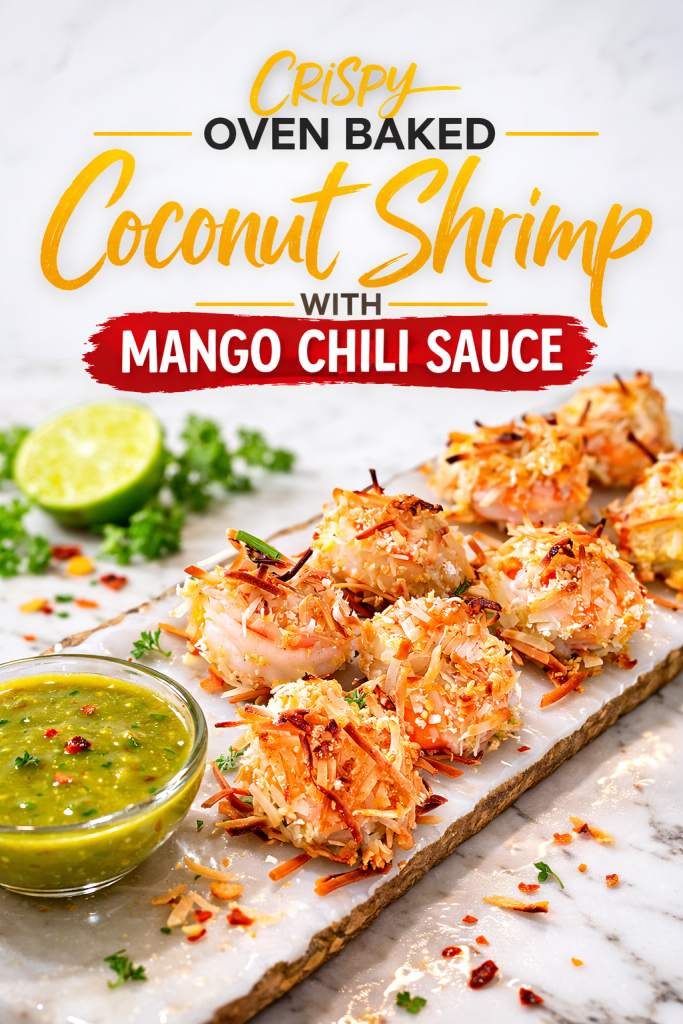
- Appetizer: Crispy Oven-Baked Coconut Shrimp with Mango Chili Sauce. The sweet, tropical coconut and the spicy, fruity mango chili sauce provide a fantastic contrast to the savory, garlicky chicken. The crispy shrimp is a lighter, brighter way to start the meal before diving into the rich main course.
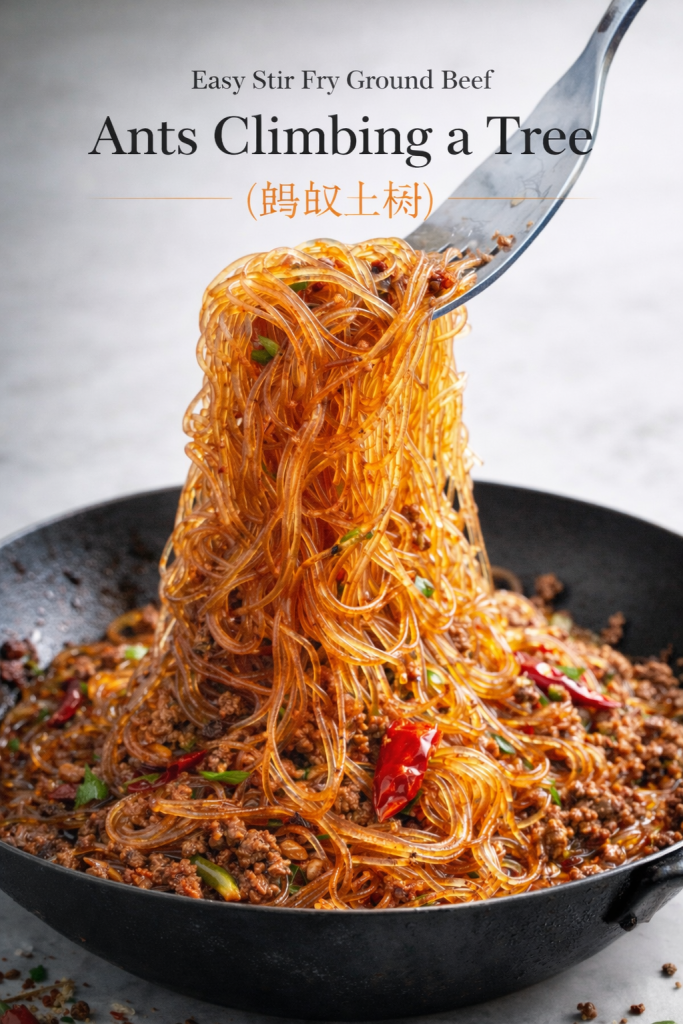
- Main Course: While our Three Cup Chicken is the main event, if you’re looking for another savory Asian classic to serve on a different night, try this Easy Stir Fry Ground Beef “Ants Climbing a Tree” . It’s a wonderfully savory and textural dish of ground beef and glass noodles that shares a similar umami depth.
- Side Dish: Blistered Green Beans with Garlic and Ginger. This is the perfect textural and flavor companion. The blistered, slightly charred green beans offer a fresh, verdant counterpoint to the rich chicken, and the aromatics (ginger and garlic) echo the flavors in the main dish, creating a beautiful harmony on the plate.
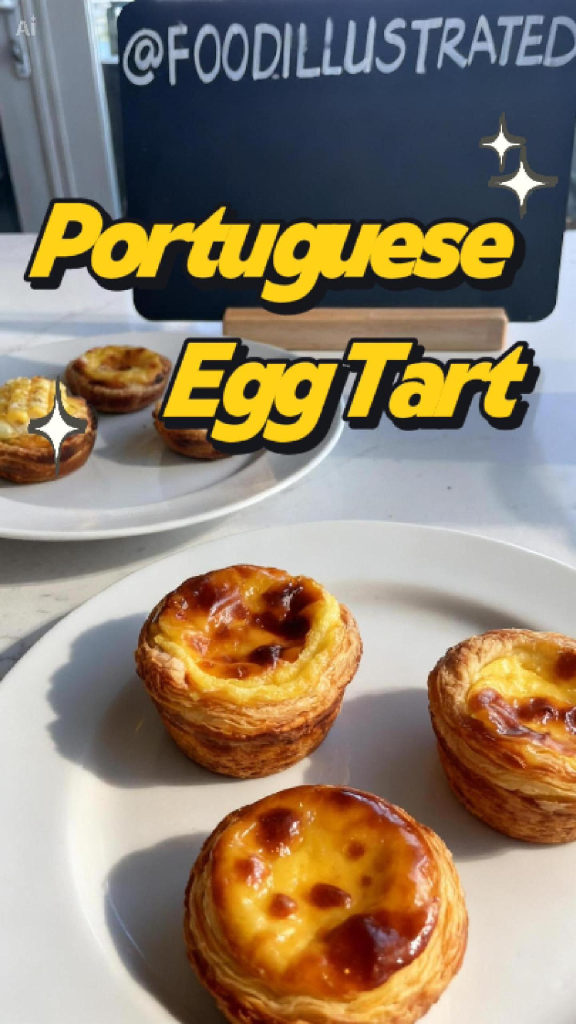
- Dessert: Portuguese Egg Tarts (Pastéis de Nata) with a Sweet Corn Makeover. After such a savory and umami-rich meal, a lightly sweet, creamy, and flaky pastry is the ideal finale. The caramelized, custardy top of the tart provides a gentle sweetness that cleanses the palate without being heavy.
- Cocktail: Ginger-Infused Whiskey Highball. Muddle fresh ginger in a shaker, add 2 oz of your favorite Japanese or American whiskey, ½ oz of simple syrup, shake with ice, and strain into a highball glass filled with ice. Top with soda water. The spicy, warming notes of ginger complement the dish perfectly, while the carbonation cuts through the richness.
- Non-Alcoholic Drink: Iced Oolong Tea. The slightly roasty and complex flavors of a good Oolong tea are a classic pairing for rich Taiwanese dishes. Served unsweetened and over ice, it cleanses the palate and provides a sophisticated, non-alcoholic companion.
Description
Discover the secrets to making perfect Authentic Taiwanese Three Cup Chicken (San Bei Ji) at home. This recipe delivers impossibly tender chicken in a rich, glossy, and aromatic sauce that will have you scraping the plate clean.
Ingredients
For the Chicken:
For the Aromatics and Sauce:
For Finishing:
Instructions
-
Prepare the Chicken: In a medium bowl, toss the chicken pieces with 1 teaspoon of soy sauce and the ground white pepper. Set aside to marinate for 10-15 minutes while you prepare the other ingredients. Pat the chicken pieces very dry with a paper towel just before cooking to ensure a good sear.
-
Infuse the Oil: Place a wok or a large, heavy-bottomed skillet (like cast iron) over medium heat. Add the 2 tablespoons of sesame oil and the ginger slices. Starting with a cold oil and gently heating the ginger allows it to infuse the oil more deeply. Fry, stirring occasionally, until the ginger is fragrant and the edges begin to curl and turn golden brown, about 2-3 minutes.
-
Fry the Aromatics: Add the smashed garlic cloves and dried red chilies to the oil. Stir-fry for another 30-60 seconds until the garlic is fragrant and just starting to take on a little color. Be careful not to burn the garlic, or it will become bitter.
-
Sear the Chicken: Push the aromatics to the side of the wok. Add the chicken pieces in a single layer, skin-side down if possible. Let them sear undisturbed for 2-3 minutes until the bottom is a deep golden brown. This browning, the Maillard reaction, is crucial for deep flavor. Then, stir-fry everything together for another 2-3 minutes until the chicken is mostly opaque on all sides.
-
Add the Soy Sauces: Pour in the light soy sauce and dark soy sauce around the edges of the wok. Stir-fry vigorously for about 1 minute to coat every piece of chicken. You'll see the soy start to caramelize slightly on the meat.
-
Braise and Reduce: Pour in the rice wine and add the sugar (if using). Stir everything together, scraping up any delicious browned bits (the "fond") from the bottom of the pan. Bring it to a simmer, then reduce the heat to medium-low. Let it cook, stirring occasionally, until the sauce has reduced by about half and become thick, shiny, and coats the chicken like a glaze, about 5-8 minutes. This reduction concentrates the flavors and creates the signature glossy texture.
-
Finish with Basil: Once the sauce is gloriously thick and glossy, turn off the heat completely. Immediately add the fresh basil leaves. Toss everything gently in the residual heat for about 30 seconds, just until the basil is wilted and incredibly fragrant.
-
Serve: Spoon the chicken and its incredible sauce over a big bowl of steamed rice immediately. Garnish with a few fresh basil sprigs.

Nutrition Facts
Servings 3
- Amount Per Serving
- Calories 595kcal
- % Daily Value *
- Total Fat 38g59%
- Saturated Fat 8g40%
- Sodium 1450mg61%
- Total Carbohydrate 9g3%
- Dietary Fiber 1g4%
- Sugars 3g
- Protein 42g84%
* Percent Daily Values are based on a 2,000 calorie diet. Your daily value may be higher or lower depending on your calorie needs.
Note
- Ingredient Sourcing: The distinct flavor of this dish relies heavily on quality ingredients. Black sesame oil has a much deeper, toastier flavor than regular, lighter sesame oil. Thai basil is crucial for the authentic aroma; it has purple stems and a slight aniseed flavor . If you can't find it, Italian basil is a substitute, but the final flavor will be different . For a gluten-free version, ensure you use tamari or a certified gluten-free soy sauce.
- Pro Tip for Success: Do not overcrowd the pan when searing the chicken. If your pan is too small, cook the chicken in two batches. Overcrowding traps steam and will cause the chicken to braise rather than sear, preventing that flavorful Maillard reaction.
- Make-Ahead & Storage: This dish is best enjoyed immediately. However, leftovers can be stored in an airtight container in the refrigerator for up to 3 days. Reheat gently in a wok or skillet over medium-low heat. The basil will lose its bright green color and some aroma, so consider adding a few fresh leaves after reheating.
- Substitutions: If you don't have Taiwanese rice wine (michiu), dry sherry or a good-quality Shaoxing wine are the best substitutes. The sugar is optional because some dark soy sauces are already sweet; taste your sauce and decide if you want that extra hint of sweetness.