
INTRO
What if you could turn a simple bundle of mushrooms into the crunchiest, most addictive bite ever? This crispy fried enoki recipe does exactly that. We wrap delicate enoki clusters in savory nori. We give them a feather-light cornstarch coating. Then we fry them until golden and shattering. The finishing touch? A homemade Sichuan peppercorn spiced salt. It tingles, warms, and dazzles. Unlike standard tempura, this version stays crisp for minutes, not seconds. You’ll learn the why behind every step. From the baking soda trick to the nori wrap. So you can nail it on your first try.
THE HISTORY
The Origin of Enoki in Asian Cuisine
Enoki mushrooms (Flammulina filiformis) have grown wild in East Asia for centuries. But the white, long-stemmed version we buy today is a modern Japanese invention. Growers raise them in dark, carbon-dioxide-rich chambers. This produces those pale, slender stems. In the wild, enoki look completely different. They are short, brown, and velvety.
According to Kew Science’s fungal database, cultivated enoki became popular in Japan, China, and Korea. People love their mild flavor and delicate crunch. To learn more about mushroom cultivation in Asian cuisine, the BBC’s history of enoki offers a fascinating deep dive.
The Invention of the Nori Wrap
The practice of wrapping ingredients in nori dates back to Edo-period Japan (1603–1868). Street vendors sold nori-maki snacks back then. Combining nori with fried mushrooms is a more modern fusion. It likely began in Taiwanese night markets or Japanese izakaya (pub-style) kitchens.
Chefs discovered a clever trick. Wrapping the wet, floppy root end of enoki in nori prevents unraveling in hot oil. The nori also adds umami and a toasty saltiness. This complements the mushrooms’ mild flavor perfectly.
The 1,600-Year History of Sichuan Spiced Salt
Sichuan peppercorn spiced salt, or huājiāo yán (花椒盐), has been a cornerstone of Chinese cuisine for over 1,600 years. The peppercorn itself is not a true pepper. It is the dried husk of a citrus fruit.
Its unique compound, hydroxy-alpha-sanshool, creates a buzzing, numbing sensation. The Chinese call this má (麻). Science Direct’s analysis of sanshool explains how it triggers tactile receptors in your skin. Not your taste buds.
Today, this crispy fried enoki recipe bridges three traditions. Japanese nori-wrapping technique meets Chinese spice philosophy. And it adds modern Taiwanese street-food energy.
THE SCIENCE
Why Enoki Mushrooms Need Special Treatment
Why does this crispy fried enoki recipe work so well? Let’s break down the physics. Enoki mushrooms contain up to 90% water. When you drop a wet mushroom into hot oil, water rapidly converts to steam. This steam cooks the mushroom. It also prevents oil absorption. But only if the steam can escape.
Enoki’s dense, clustered structure traps steam. This leads to soggy centers. The solution? A dry coating of cornstarch plus a tiny amount of baking soda.
The Role of Baking Soda and Cornstarch
Cornstarch gelatinizes on contact with moisture. It forms a brittle, porous shell. Baking soda (sodium bicarbonate) raises the pH on the mushroom’s surface. This accelerates browning through the Maillard reaction. It also weakens pectin in the cell walls.
Steam escapes more easily. The result is a lighter, crispier crust. It stays crunchy longer. For a deeper dive into the Maillard reaction, Serious Eats’ guide to browning is essential reading.
Too much baking soda adds a metallic taste. So stick to the small ¼-teaspoon dose.
Why Nori Works So Well
The nori wrap serves two functions: structure and flavor. Nori is already dry and low in moisture. It crisps instantly in oil without becoming greasy.
Wrapping the fibrous root end creates a “handle.” This holds the delicate mushroom strands together. Without it, the enoki would fan out into a messy, tangled web. The nori also contains glutamic acid (umami). This synergizes with the mushroom’s own natural glutamate. That’s a classic flavor-boosting pair.
The Chemistry of Sichuan Peppercorn
Finally, the Sichuan spiced salt relies on proper toasting and grinding. Whole Sichuan peppercorns must be dry-toasted until fragrant. That’s around 300°F (150°C). Toasting releases their volatile oils.
If you skip toasting, the peppercorn tastes dusty and mildly bitter. Grinding fresh ensures the sanshool compound is intact. Pre-ground Sichuan pepper loses its magic within weeks.
When you sprinkle this warm, tingly salt over the hot enoki, residual heat blooms the aromatics instantly. For more on Sichuan pepper’s unique chemistry, the BBC Science Focus article on sanshool is wonderfully accessible.
GOOD PAIRING FOOD AND DRINK
Appetizers
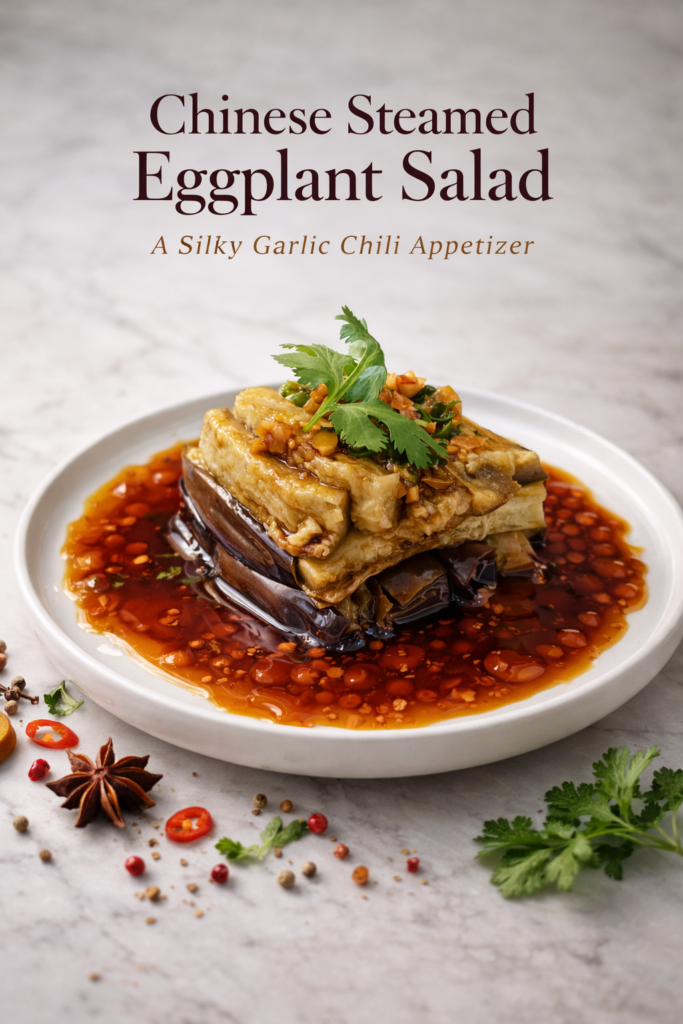
Chinese Steamed Eggplant Salad: Serve this silky, garlic-chili eggplant salad before your crispy fried enoki. The tender, steamed eggplant melts on your tongue. The fried enoki shatters. It’s a perfect textural contrast. The salad’s sharp garlic and chili heat primes your palate. It prepares you for the Sichuan peppercorn’s unique numbing sensation. For more on that buzzing, electric feeling, BBC Science Focus has an excellent explainer.
Taiwanese Fried Chicken Breast: For a larger spread, pair two crispy, salty snacks side by side. Taiwanese fried chicken (often called yán sū jī or Taiwanese popcorn chicken) traditionally uses sweet potato starch and five-spice powder. Your enoki relies on nori and cornstarch for a lighter crisp. Serve both with the same spicy mayo dip. The dense, meaty chicken contrasts with the airy mushroom bundles.
Smoked Salmon & Asparagus Mousse: If you’re hosting a dinner party, start with this elegant, cool mousse. The silky, rich smoked salmon contrasts beautifully with the hot, crispy enoki. Asparagus adds a fresh, grassy note. It cleanses your palate between bites. For more on temperature contrast in dining, The Spruce Eats covers the science.
Crispy Korean Vegetable Pancake: Known in Korean as yachaejeon, this scallion pancake achieves crispiness through a high-starch batter. For an all-crunch appetizer board, serve both. The dense, chewy-crisp pancake contrasts with the light, shattering-crisp enoki. Dip the pancake in a classic Korean dipping sauce of soy sauce, vinegar, and gochugaru. Dip the enoki in spicy mayo.
Main Courses
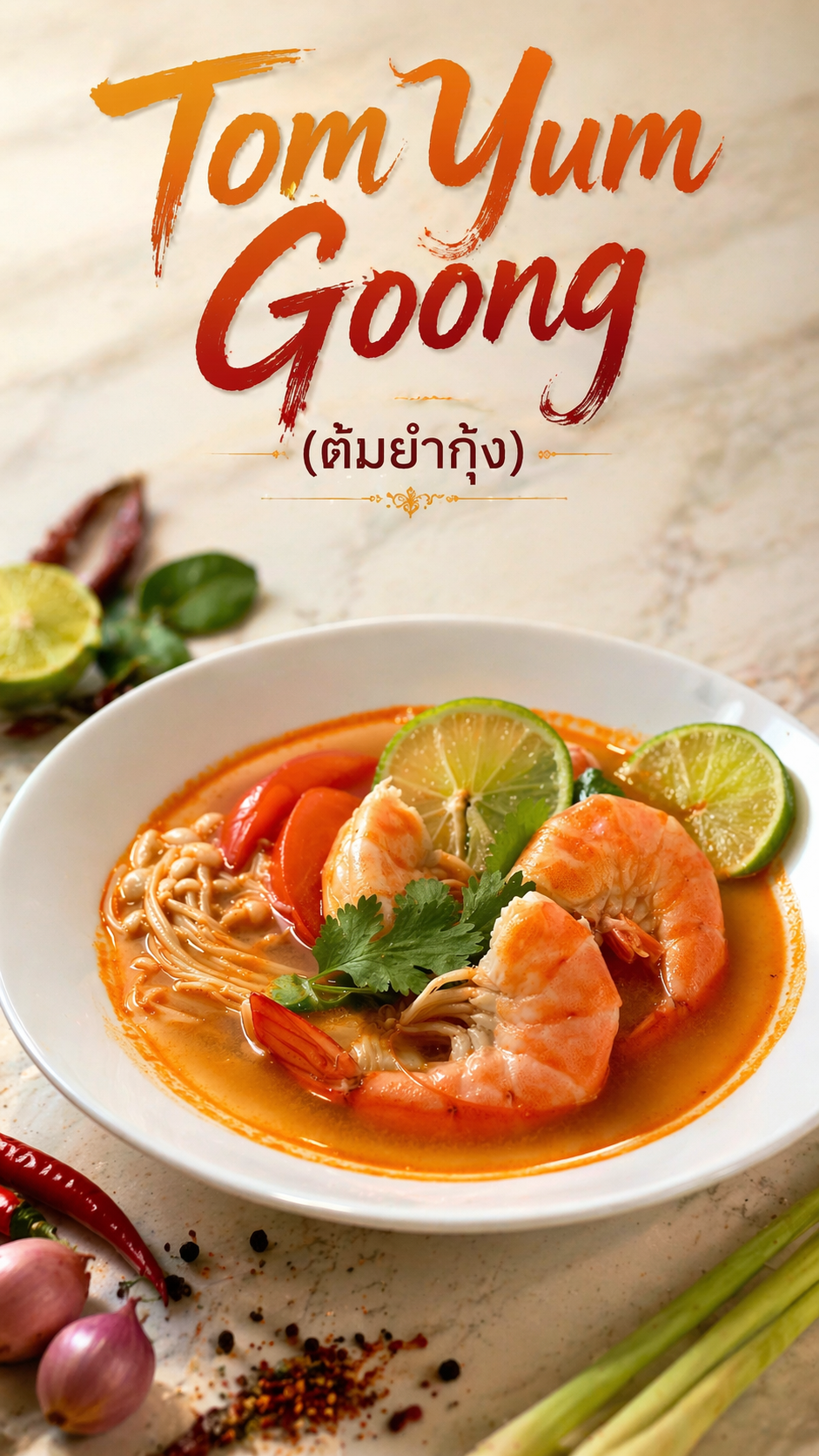
Tom Yum Shrimp Soup: Float several crispy fried enoki bundles directly into this hot-and-sour Thai soup. The enoki will absorb the lemongrass-and-lime broth. They will stay partially crisp on top. The soup’s heat and acidity mirror the Sichuan peppercorn’s numbing warmth. Together, they create a layered sensation of spicy, sour, and tingly.
Sticky Teriyaki Chicken: The sweet, savory, glossy teriyaki chicken balances the enoki’s salt-forward spiced seasoning. Authentic teriyaki sauce combines soy sauce, mirin, and sugar. The mirin’s alcohol evaporates during cooking. It leaves behind pure sweetness and shine. Serve your crispy enoki on top of steamed jasmine rice. Use it as a crunchy topping that replaces tempura flakes.
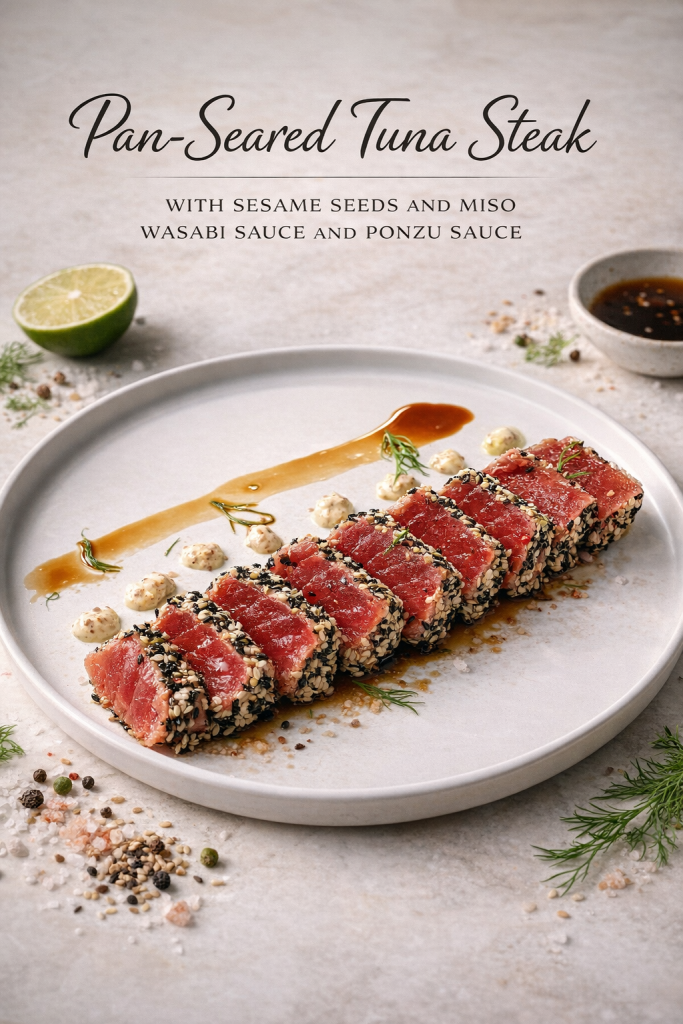
Pan-Seared Tuna Steak: The tuna’s rare, buttery interior complements the enoki’s airy crunch. The sesame-crusted exterior adds another layer. Searing tuna creates the Maillard reaction. This produces hundreds of savory, browned flavors. Drizzle miso-wasabi sauce over both. The wasabi’s heat and the Sichuan peppercorn’s tingle create a double sensation. For more on searing fish, Serious Eats’ guide to pan-searing tuna is indispensable.
Chicken Marbella: Yes, this retro Silver Palate classic works beautifully. Chicken Marbella combines prunes, olives, capers, and oregano. The sweet-and-briney sauce defined 1980s dinner parties. The dish’s complex umami provides a rich, tangy backdrop for the crispy enoki. Use the enoki as a garnish over the chicken’s pan juices. They’ll soak up just enough sauce without going soggy. For the dish’s history, The Atlantic has a wonderful piece.
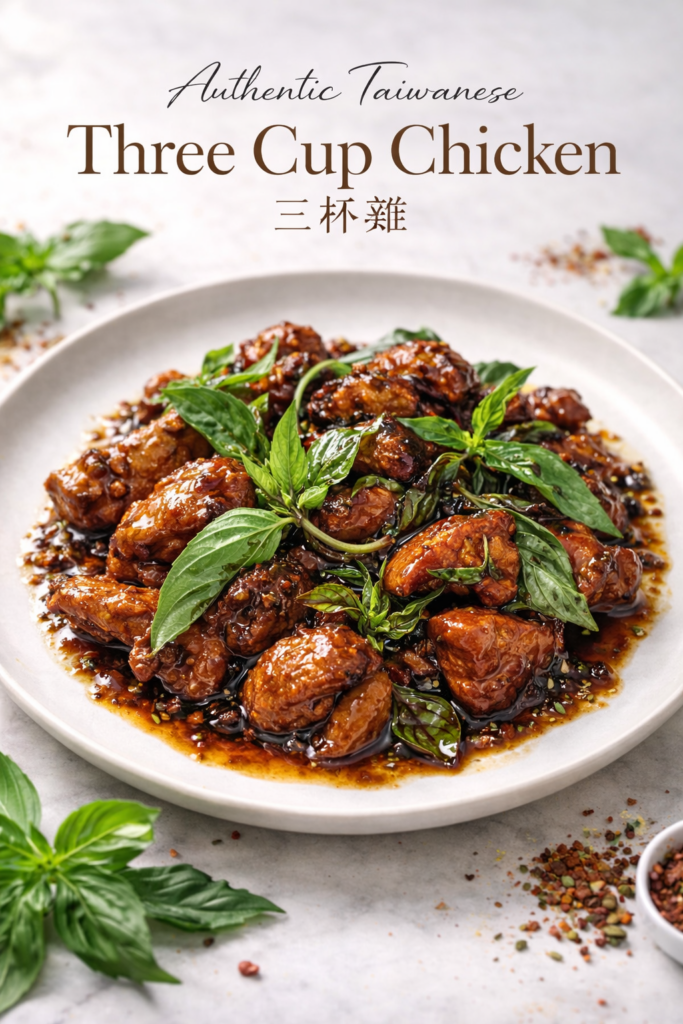
Three Cup Chicken: This Taiwanese classic (san bei ji) gets its name from equal parts sesame oil, soy sauce, and rice wine. Fresh Thai basil adds an anise-like, peppery note. This echoes the coriander in your spiced salt. The chicken’s sticky sauce coats the enoki beautifully when you nestle the fried bundles on top. For the dish’s origins, Wikipedia’s entry on Three Cup Chicken is a great start.
Side Dishes
Instant Butter Naan: Use this no-yeast flatbread as a soft, pillowy base. Scoop up the enoki with it. Traditional naan is leavened with yeast and baked in a tandoor. This 30-minute version uses baking powder. Brush the naan with garlic butter before serving. The bread’s richness tames the spiced salt’s heat. It also adds a satisfying chew.
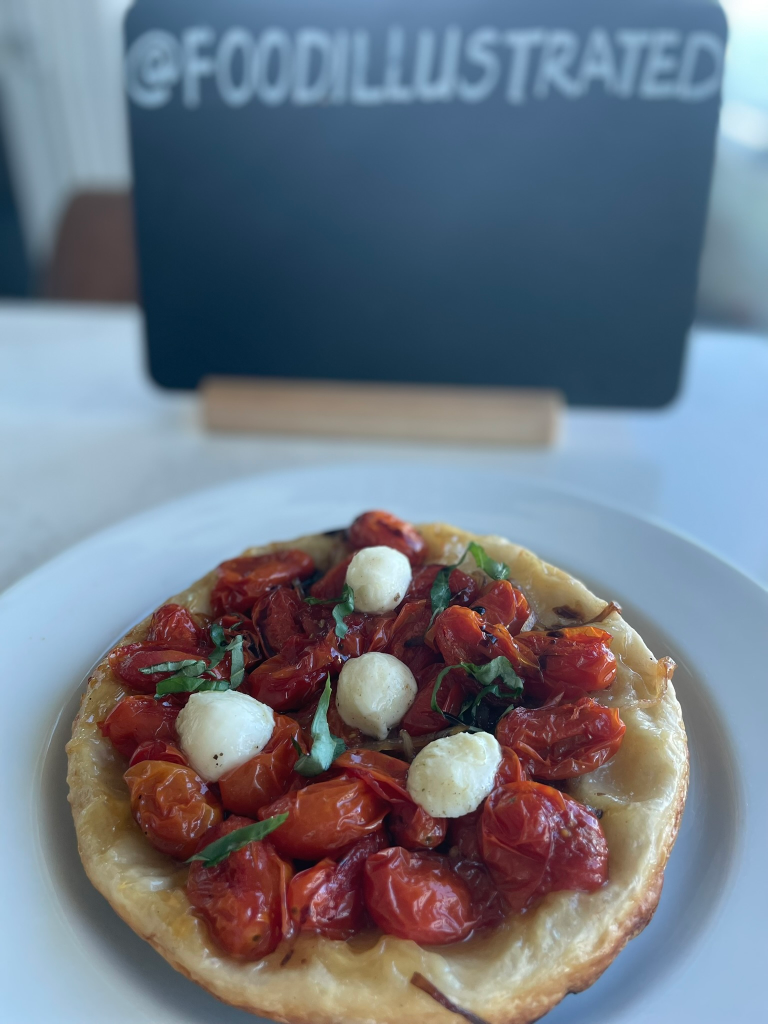
Caramelized Tomato Tarte Tatin: Named after the Tatin sisters of France, this savory upside-down tart caramelizes tomatoes under puff pastry. Slow caramelization concentrates the tomatoes’ natural glutamates. This creates an intense savory-sweet flavor. Serve the crispy enoki on the side as a salty, crunchy counterpoint. For the history of the original Tarte Tatin, Smithsonian Magazine has a deep dive.
Roasted Balsamic Brussels Sprouts: Both dishes are caramelized and deeply savory. Roasting Brussels sprouts at 400°F (200°C) triggers two reactions. Caramelization of natural sugars happens. So does the Maillard reaction. The balsamic vinegar’s sweet-tangy glaze complements the spiced salt’s citrusy notes. Sprinkle any leftover crispy enoki over the Brussels sprouts. You’ll get a dual-crunch effect. Bon Appétit’s guide to roasting Brussels sprouts covers the technique.
Desserts
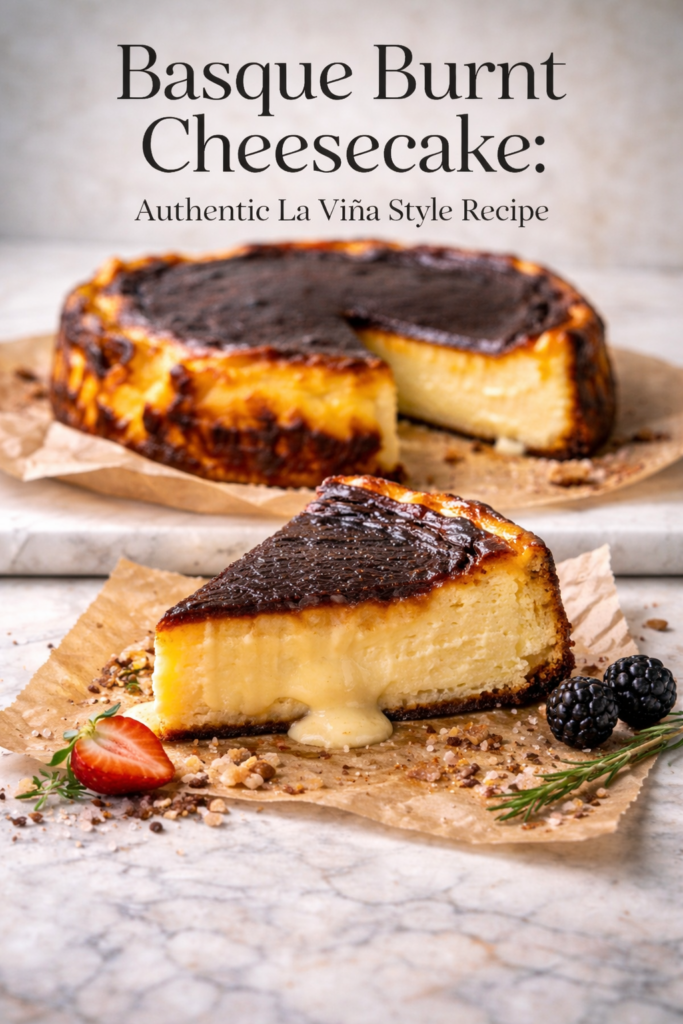
San Sebastian Cheesecake: After all that heat and crunch, cool down with this burnt basque cheesecake. It originated at La Viña bar in San Sebastián, Spain. The cheesecake is creamy and cool with a caramelized top. Unlike New York-style, the Basque version has no crust. Bakers use extremely high heat (480°F / 250°C) to intentionally burn the top. That burnt exterior echoes your fried enoki’s golden-brown color. The custard-like center soothes the Sichuan tingle. The New York Times has an excellent feature.
Lemon Meringue Cupcakes: The bright, tart lemon curd mirrors the citrus notes in Sichuan peppercorn. (Sichuan pepper is actually the dried husk of a citrus fruit, Zanthoxylum.) The fluffy meringue and soft cupcake crumb offer a light, sweet contrast. For the science of lemon curd, King Arthur Baking’s guide is superb.
Classic Carrot Cake: The warm spices in carrot cake share aromatic DNA with your cumin and coriander. Cinnamon, nutmeg, ginger, and cloves appear in both. Carrots contain natural sugars that caramelize during baking. The cream cheese frosting’s tangy richness cuts through any oiliness from frying. Wikipedia’s entry on carrot cake traces its history.
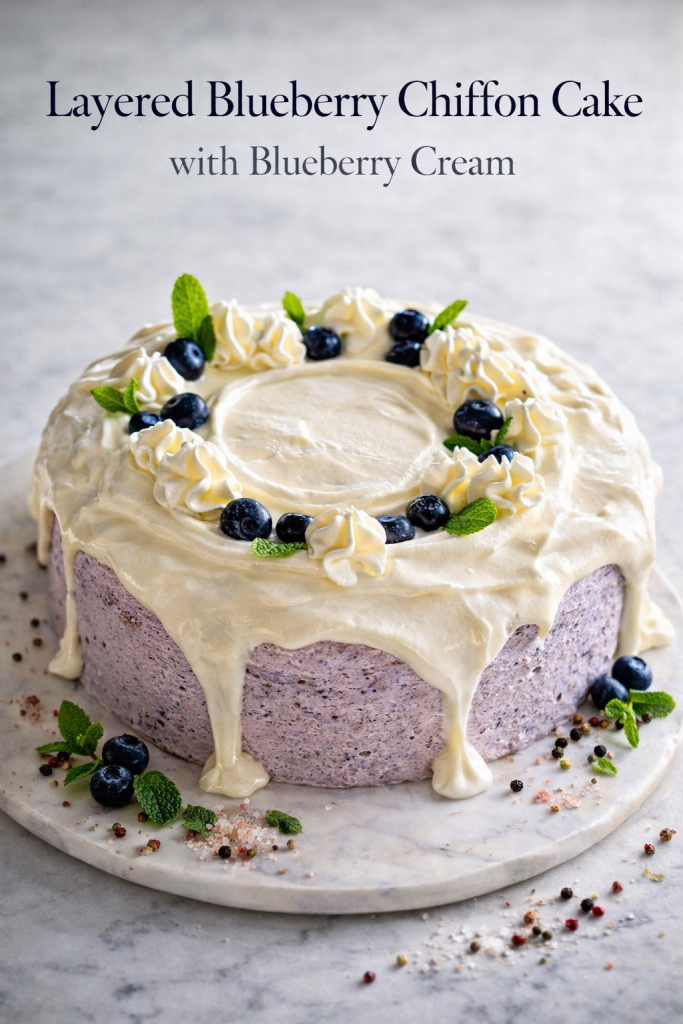
Blueberry Chiffon Cake: Chiffon cake was invented by American insurance agent Harry Baker in 1927. It combines the richness of butter cakes with the airiness of angel food cakes. This light, cloud-like cake won’t compete with the enoki’s bold flavors. The blueberries provide little bursts of tartness. They refresh your palate between savory bites. The Los Angeles Times has a fascinating history.
Cocktails
Salty Dog Cocktail: The grapefruit-and-vodka Salty Dog has a salted rim. That rim directly echoes the salt in your spiced seasoning. Grapefruit’s bitter-citrus notes come from compounds called naringin and limonin. These complement the Sichuan peppercorn’s lemony, floral qualities. For the cocktail’s history, Difford’s Guide has a thorough write-up.
Kir Recipe: This classic French cocktail originated in Burgundy. It is named after Canon Félix Kir, a mayor of Dijon after WWII. The sweet blackcurrant liqueur and dry, acidic white wine create a perfect balance. The berry sweetness contrasts with the spicy, savory enoki. The wine’s acidity cuts through the fried coating. For the proper kir protocol, Liquor.com has an authoritative guide.
Non-Alcoholic Drink
Mango Pomelo Sago: This creamy, tropical Hong Kong-style drink doubles as a dessert. It is often served at dim sum restaurants. The sweet mango and tart pomelo provide a cooling, fruity counterpoint. Pomelo is a large citrus fruit ancestral to the grapefruit. The chewy sago pearls add another textural layer. Serve in small glasses as a palate cleanser between courses. For the history of sago, Wikipedia’s sago entry is a good start.
Related/Niche Dishes
Hand Torn Cold Eggplant: This no-cook eggplant dish offers a cool, slippery texture. It is dressed with soy, vinegar, and chili oil. Serve it alongside your crispy fried enoki. The cold, tangy eggplant contrasts with the hot, crunchy mushrooms. Both share a love for bold, savory Asian seasonings.
Egg and Tomato Stir Fry: This classic Chinese comfort dish is soft, creamy, and lightly sweet. The gentle scramble and juicy tomatoes offer a quiet counterpoint. Let your crispy enoki sit on top of the stir fry. The contrast between soft eggs and shattering mushrooms is pure magic.
Ants Climbing a Tree (Ground Beef): This Sichuan dish features glass noodles and spicy ground beef. It already carries the numbing heat of Sichuan peppercorns. Your crispy enoki adds a new texture to the plate. Sprinkle the fried bundles over the noodles. You’ll get the same spice profile with an extra crunch.
Description
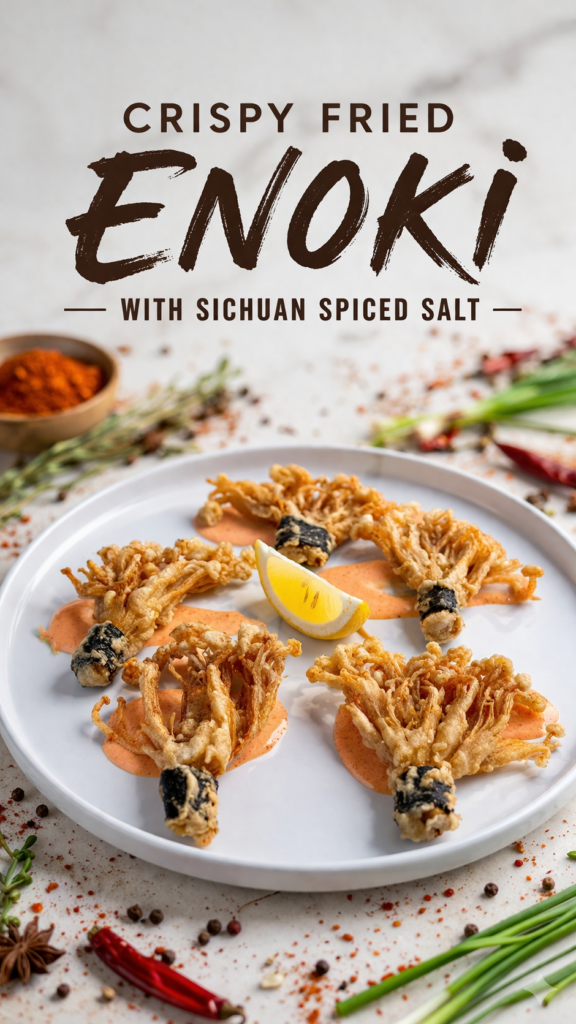
These crispy fried enoki bundles combine a nori seaweed wrap with a cornstarch-and-baking-soda coating for shatteringly crisp results. Finish with your own aromatic spiced salt made from toasted Sichuan peppercorns, cumin, coriander, and paprika. A vegetarian, dairy-free appetizer that disappears fast.
Ingredients
For the Sichuan Spiced Salt (make first)
For the Crispy Fried Enoki
For the Spicy Mayo Dip (optional but recommended)
For Garnish
Instructions
Make the Spiced Salt First
-
-
Place a small dry skillet over medium-low heat.
-
Add the whole Sichuan peppercorns.
-
Toast for 1–2 minutes. Shake the pan frequently.
-
The peppercorns are ready when they smell fragrant and start smoking slightly. Do not let them burn.
-
Transfer to a plate to cool completely. This takes about 3 minutes.
-
Grind and Mix
-
-
Grind the cooled peppercorns to a fine powder. Use a spice grinder or mortar and pestle.
-
In a small bowl, combine the ground Sichuan pepper with salt, black pepper, cumin, coriander, and paprika.
-
Stir well. Set aside.
-
This spiced salt keeps in an airtight jar for up to 2 weeks.
-
Prepare the Enoki
-
-
Gently separate the enoki cluster into 8–10 small bundles.
-
Each bundle should be about 1 to 1.5 inches wide.
-
Keep the root ends intact. Do not trim them off.
-
You want each bundle to hold together naturally at the base.
-
Wrap with Nori
-
-
Cut the nori sheets into strips. Make them roughly 1 inch wide and 3 inches long.
-
Take one enoki bundle.
-
Wrap a nori strip tightly around the bottom (root) end. Cover about ½ inch of the stems.
-
The nori acts like a belt. The top, fluffy part of the mushrooms should remain exposed.
-
Repeat for all bundles.
-
Make the Dry Coating
-
-
In a shallow bowl, whisk together the cornstarch, baking soda, and a pinch of salt.
-
Lightly dredge each nori-wrapped enoki bundle in the mixture.
-
Tap off any excess. The coating should be thin and even. Not clumpy.
-
Heat the Oil
-
-
Pour oil into a small, heavy-bottomed pot or deep skillet. Fill to a depth of 1½ inches.
-
Heat over medium-high heat until it reaches 350°F (175°C).
-
To test without a thermometer, drop a tiny pinch of cornstarch into the oil.
-
It should sizzle and float immediately. It should not burn.
-
Fry the Enoki Bundles
-
-
Carefully place 3–4 bundles into the hot oil. Put them in root-end down if possible (the nori side).
-
Fry for 1½ to 2 minutes. Turn once halfway through.
-
They are ready when golden brown and crisp.
-
Do not overcrowd the pot. Overcrowding lowers the oil temperature. That makes the enoki greasy.
-
You'll know they're ready when the sizzling slows. The bundles will feel light when lifted with a slotted spoon or chopsticks.
-
Drain and Season
-
-
Transfer the fried enoki to a wire rack. Set the rack over a baking sheet.
-
Do not use paper towels. Paper towels trap steam and ruin crispiness.
-
While still hot, generously sprinkle the Sichuan spiced salt over all sides of the bundles.
-
Make the Spicy Mayo (Optional)
-
-
In a small bowl, stir together the mayonnaise, sriracha, and lemon juice. Mix until smooth.
-
Serve
-
-
Arrange the crispy fried enoki on a plate.
-
Garnish with lemon wedges. Add an edible flower if using.
-
Serve the spicy mayo on the side for dipping.
-
Encourage everyone to eat within 5–10 minutes. This is a peak-crunch dish.
-
Nutrition Facts
Servings 3
- Amount Per Serving
- Calories 210kcal
- % Daily Value *
- Total Fat 14g22%
- Saturated Fat 1.5g8%
- Sodium 480mg20%
- Potassium 280mg8%
- Total Carbohydrate 18g6%
- Dietary Fiber 2g8%
- Sugars 1g
- Protein 4g8%
* Percent Daily Values are based on a 2,000 calorie diet. Your daily value may be higher or lower depending on your calorie needs.
Note
Pro Tips for Maximum Crunch
- Do not skip the baking soda. It's the secret to shattering crispiness. But measure carefully. More than ¼ teaspoon will make the coating taste metallic.
- Use whole Sichuan peppercorns. Not pre-ground. Pre-ground Sichuan pepper has little numbing effect. It also has almost no citrus aroma.
- Fry in small batches. Overloading the pot drops the oil temperature below 325°F (160°C). The enoki will absorb oil instead of crisping.
- Never cover hot fried enoki. Steam destroys the crunch. Serve immediately. Or keep uncovered in a warm oven at 200°F (95°C) for up to 10 minutes.
Make-Ahead & Storage
This dish is not make-ahead friendly. Fried enoki loses its crispiness within an hour. However, you can prepare the spiced salt in advance. You can also cut the nori strips up to a week ahead. Store the spiced salt in an airtight jar away from light.
Substitutions
- No Sichuan peppercorns? Use ½ tsp of a substitute. Mix ¼ tsp black pepper + ¼ tsp lemon zest + a pinch of cloves. The unique numbing sensation will be missing, but it will still taste warm and citrusy.
- No nori? You can skip the wrap. But the enoki bundles will likely fall apart. Instead, leave the root end very intact. Fry without wrapping. You'll get a more tangled "nest" shape.
- Gluten-free? Cornstarch is naturally gluten-free. Check your nori packaging. Most are gluten-free, but some flavored nori may contain soy sauce with wheat. Also verify your spices. Cross-contamination risk is low.
- Vegan? Use vegan mayonnaise for the dip. The main recipe is already vegan.
Troubleshooting
- My enoki turned out greasy: Your oil wasn't hot enough. Next time, wait until it reaches 350°F. Also, drain on a rack, not paper towels.
- The nori unwrapped during frying: You didn't wrap tightly enough. Or you submerged the bundle without holding the nori end. Fry with the nori seam-side down first for 30 seconds. This "seals" it.
- The spiced salt tastes bitter: You likely burned the Sichuan peppercorns during toasting. Keep the heat medium-low. Shake constantly. Start over if needed.
Sourcing Tips
Find enoki mushrooms in the refrigerated produce section. Check Asian grocery stores or well-stocked supermarkets. They are often near tofu and fresh noodles. Nori (roasted seaweed sheets) is sold in the international aisle or online. Sichuan peppercorns are available at Chinese markets. You can also buy them from reputable spice sellers. Avoid "Szechuan pepper" that lists other ingredients. Buy pure peppercorns only.